A bold step in sustainability: Solar Canal project to preserve water and harness sunlight
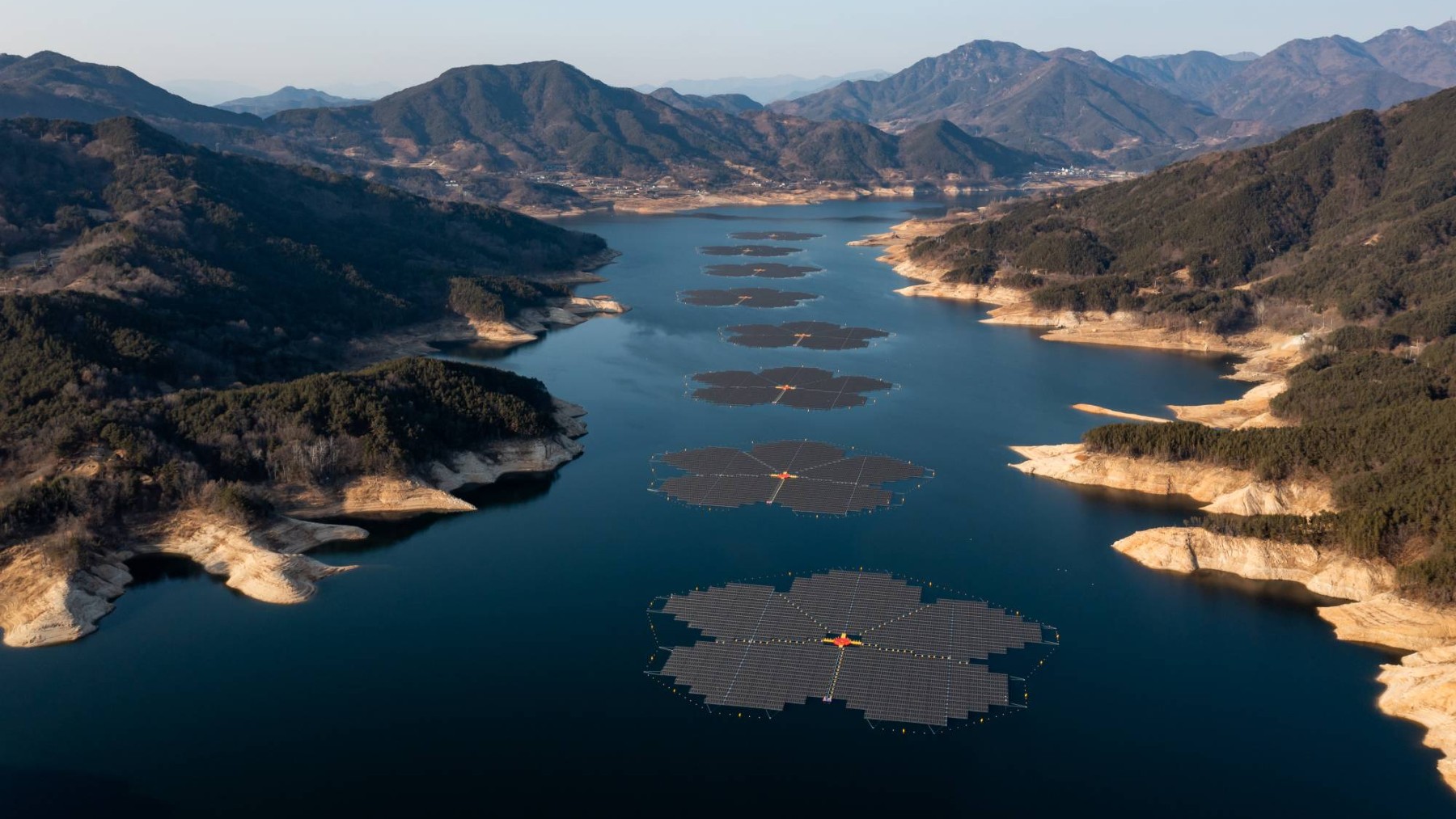
In April 2024, Governor Gavin Newsom joined the U.S. Bureau of Reclamation in Merced County to announce this solar over canal project. With $15,000,000 coming from the Biden Administration’s Inflation Reduction Act, this pilot project, which the Bureau of Reclamation described in its announcement, would test up to three floating solar technologies on the Delta-Mendota Canal in the San Joaquin Valley. The idea is modest but powerful, the pilot would float solar panels over the canal, turning sunlight into energy in addition to shading the water to decrease evaporation. Newsom said such projects can generate energy about 3% more efficiently, while also helping to preserve water, a critical resource in drought prone California. Newsom said the project fits with the wider water management plan of the state, the California Water Plan update released in April 2024, which includes the Water Resilience Portfolio. By incorporating solar technology together with current water infrastructure, California is implementing measures to modernize their water systems as well as to decarbonize the energy grid.Land-saving advantages: Solar panels over canals and the state’s renewable energy goals
A significant advantage of this project is that it does not rival with agricultural land. Massive land is required for traditional solar farms which frequently leads to conflicts with natural or farming environments. But by installing solar panels over canals California can steer clear of utilizing land for development or agriculture. Representative Jared Huffman of San Rafael said canals offer a chance to use waterways as sites for clean energy. Along with environmental benefits, the floating solar project has financial potential. The pilot will assess the viability, costs and benefits of floating solar arrays over large canals, including how much power they can generate. If the pilot confirms these advantages, floating solar could help combine energy production, water preservation and land use.Tackling financial concerns while testing water quality benefits
Costs are another reason water agencies are looking at floating solar. Sweetwater Authority, a water agency in San Diego County, hired a company in 2023 to design a floating solar array on its reservoir, aiming to cut its energy costs. By producing power on its own reservoirs or canals, a water agency could cut its electricity bills and depend less on conventional energy, and Sweetwater has said the projected savings could go toward lowering its expenses or water rates. Apart from the financial as well as the energy advantages, floating solar may have ecological benefits. By shading the water, the panels could limit algae and aquatic plant growth, which Reclamation lists as a way to reduce canal maintenance. The Delta-Mendota pilot will also develop methods to measure the effects on water quality. Furthermore, the project fits in with the state’s larger objectives of decarbonizing the energy grid along with shifting to renewable energy sources. California is pushing for a future of clean energy, and this project serves as a momentous step toward that aim. California’s possible success of the floating solar project might encourage similar projects in other regions going through both energy as well as water challenges. This project is a pilot meant to test whether canal solar can combine clean energy production, water preservation and productive land use. As California tests canal solar, this pilot might act as an example for other places. Concentrating on sustainability, floating solar could be critical to the green energy future of California, indicating that innovative solutions can tackle the challenges of both energy as well as water management.First published on October 1, 2024; corrected on October 28, 2026 to remove inaccurate statements.