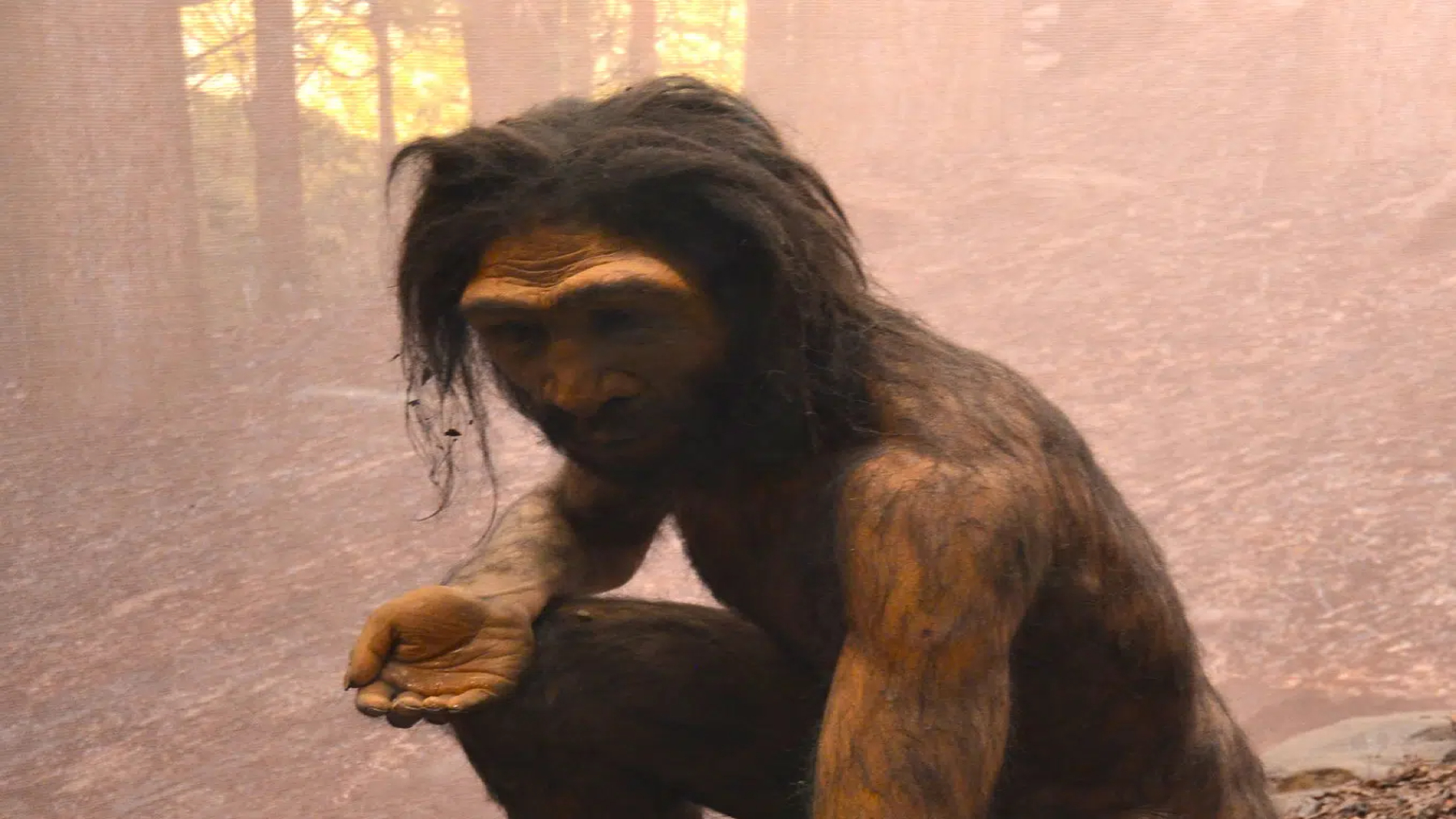
The species Homo juluensis was announced as a prehistoric human that used to inhabit eastern Asia between 300,000 and 50,000 years ago; they are separate from all other ancient lineages of humans, namely Neanderthals and modern humans. Fossil remains that have commanded much attention would be from Xujiayao, China; in it, there are details about adaptations to extreme environments, as well as the intricate story of evolution in humankind.
A distinct assembly: Crania and teeth of Homo juluensis
Homo juluensis, like the other known members of the human family, is characterized by crania and dentitions that are distinct from those of modern humans. Their large skulls, measuring between 103 and 109 cubic inches, are much bigger than the average Neanderthal skull of 88 cubic inches and the average modern human skull of only 82 cubic inches.
With wide craniums and outsized teeth, all these features suggest a line of individuals that were adapted to the rigors of the Late Quaternary period. This association of stone tools, animal bones, and other remnants, corresponding with the fossils, shows that the Homo juluensis species were capable hunters and fortunate survivors.
As with wild horses, they consumed meat and marrow or cartilage, and all these materials served as clothing that helped insulate them from the bad winter of this period. This is how they managed to wring the most out of scant resources in a difficult environment.
Homo juluensis, however, lived in small, isolated groups, which are perhaps the factors that made these people vulnerable to competition and environmental pressures. Their life in such close-knit communities has been explained as much as possible in terms of their survival strategies but also highlights some of the encountering challenges that they would eventually face with other emerging human populations.
Decoding lineages: Common characters between Homo juluensis and Denisovans
The discovery could provide a possible link between Homo juluensis and the enigmatic ancient population known as Denisovans. The shared dental traits, such as large molars exhibiting almost the same biting surfaces, suggest that these people might be among the lineage of Homo juluensis, which might transform the understanding in terms of variation among the ancient humans.
Led by Christopher J. Bae and Xiujie Wu, the investigations employed innovative and sophisticated approaches to reorganize the fossil record of Asia to expose unexpected diversity that illustrated the critical role of eastern Asia in human evolution. This is a new step toward filling fossil gaps and brings the scientific and public thesaurus further along the lines into understanding our complicated past.
Homo juluensis: Adaptability meets extinction at rise and fall
As much as Homo juluensis had proven adaptable, their tale is that of decline. Modern Homo, in fact, left Africa approximately 120,000 years ago, interbreeding with or outcompeting the natives such as Homo juluensis and Neanderthals.
Harmonious with the drastic climate changes of the glacial periods, further, these conditions also contributed to the extinction of the group by about 50,000 years ago. The discovery of Homo juluensis is a testament to the endurance and creativity of ancient peoples, who vanished, leaving behind clues to find their way across time.
They indicate how early human forms were resourceful enough to survive through toolmaking and accommodation to surroundings. Additionally, the link between the species and the Denisovans speaks of kinship that broadens the understanding of the complex mapping of humanity’s evolutionary branches.
The Description of Homo juluensis opens an important chapter of human evolution, revealing a previously existing species, which survived conditions probably like those found in eastern Asia. Unique traits, as well as possible connection with Denisovans, stress the complicated ancestral links we all share. Perhaps learning more regarding Homo juluensis and other past populations may give rise to a reminder of the wealth of our evolutionary history and the continuing search for the roots of mankind.