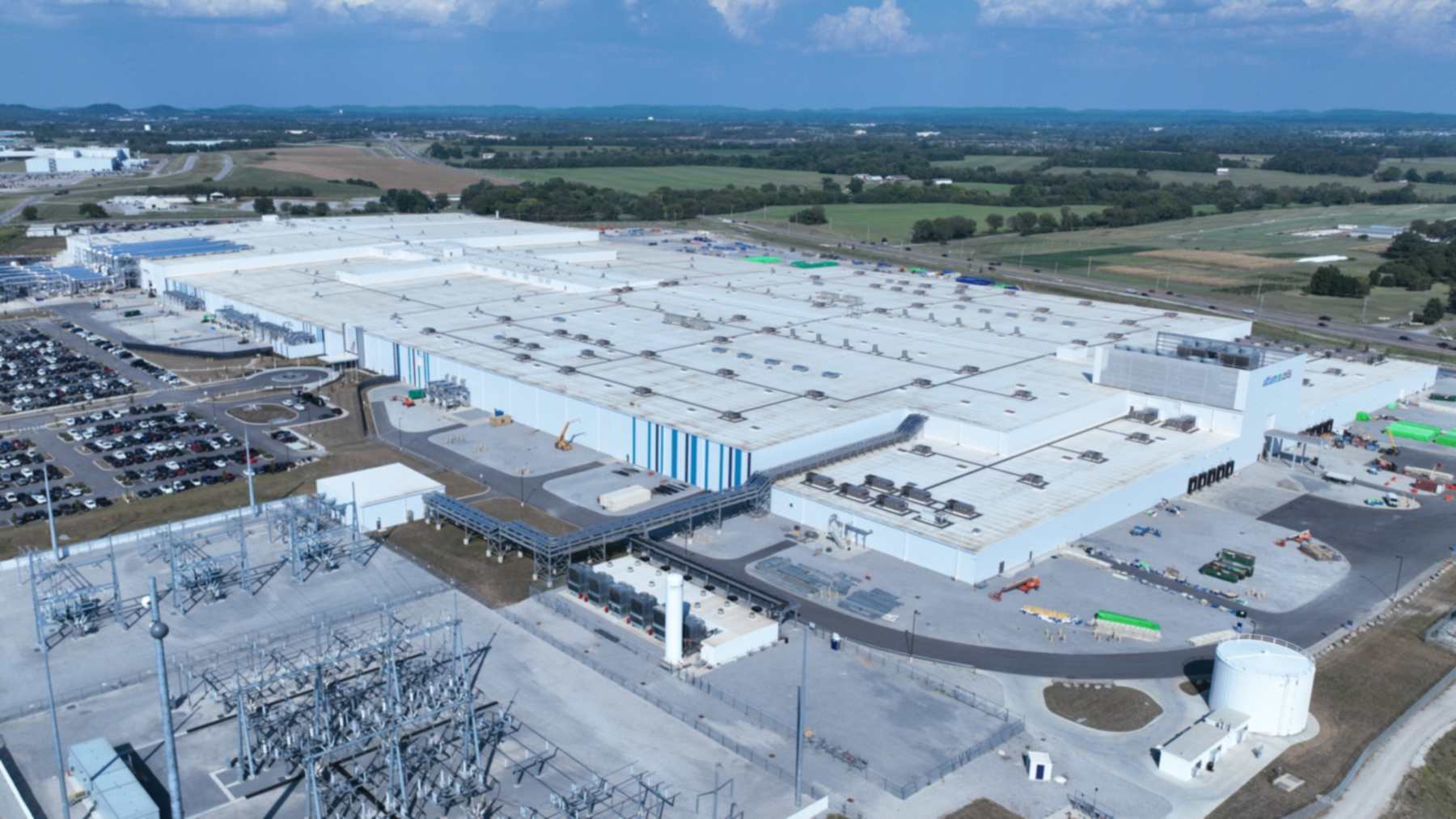
Manufacturer Electra plans to invest $850 million in a 96-acre aircraft plant in Springfield, Ohio, where it intends to move the nine-passenger EL9 Ultra Short from planning into production. The factory at AirPark Ohio, next to Springfield-Beckley Municipal Airport, is projected to create almost 2,000 jobs and eventually assemble as many as 800 aircraft a year.
The headline sounds like a leap toward cleaner regional travel, but the environmental story is more nuanced. The EL9 uses electric motors and batteries, yet it also relies on a fuel-burning turbogenerator, so its real climate value will depend on verified fuel savings, the fuels used, passenger loads and which car or airplane trips it actually replaces.
A factory before the first flight
The company says design work will start immediately and construction is expected to begin in 2027. The first phase would support up to 400 aircraft annually, while a later expansion could double that capacity.
Electra chose Springfield after comparing more than 140 locations, citing the ready site, aerospace workforce, supply chain and proximity to testing infrastructure. CEO Marc Allen called the agreement “the moment that our vision moves from demonstration into reality,” though the production EL9 has not yet made its first flight.
How the EL9 stays airborne
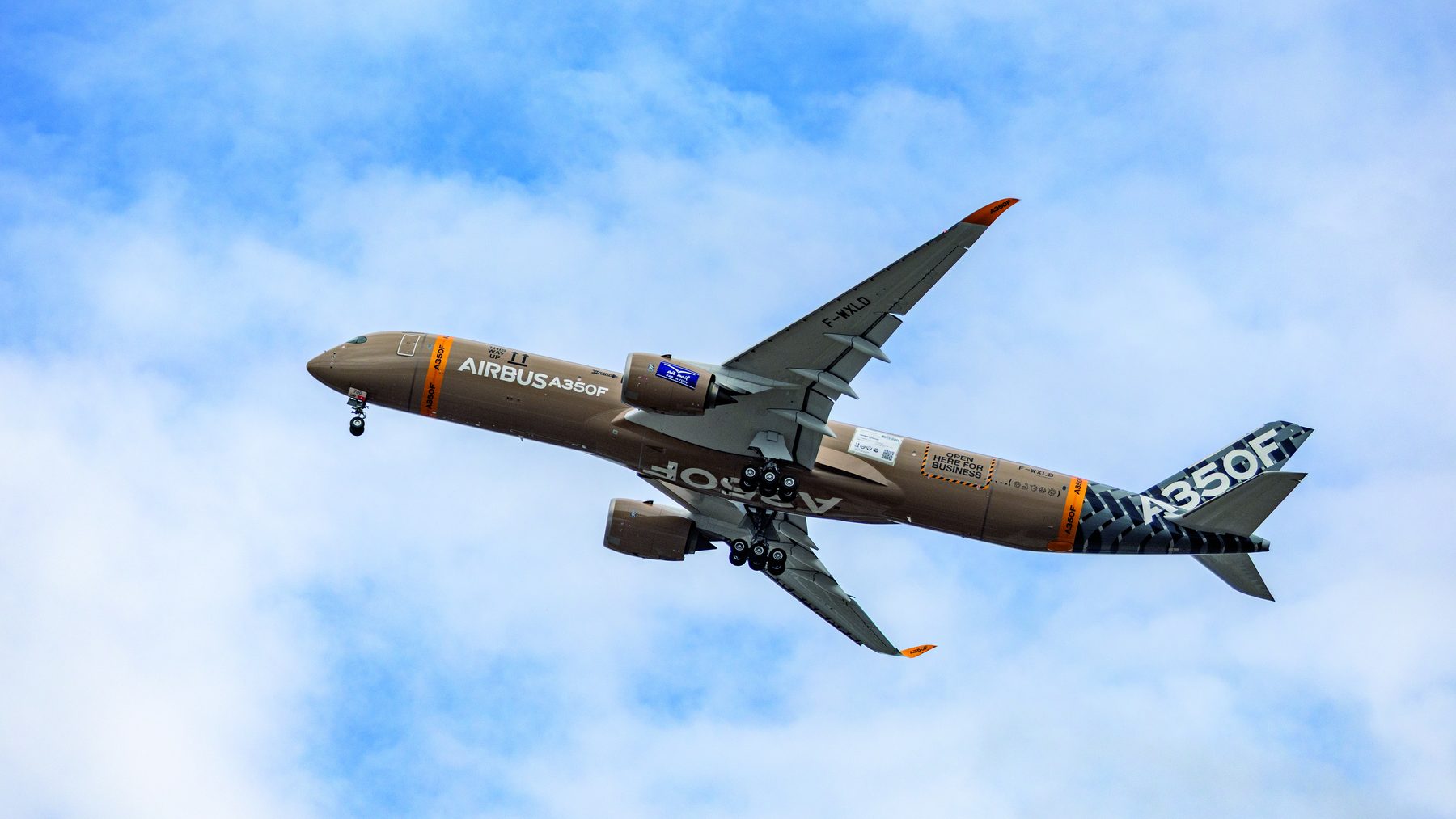
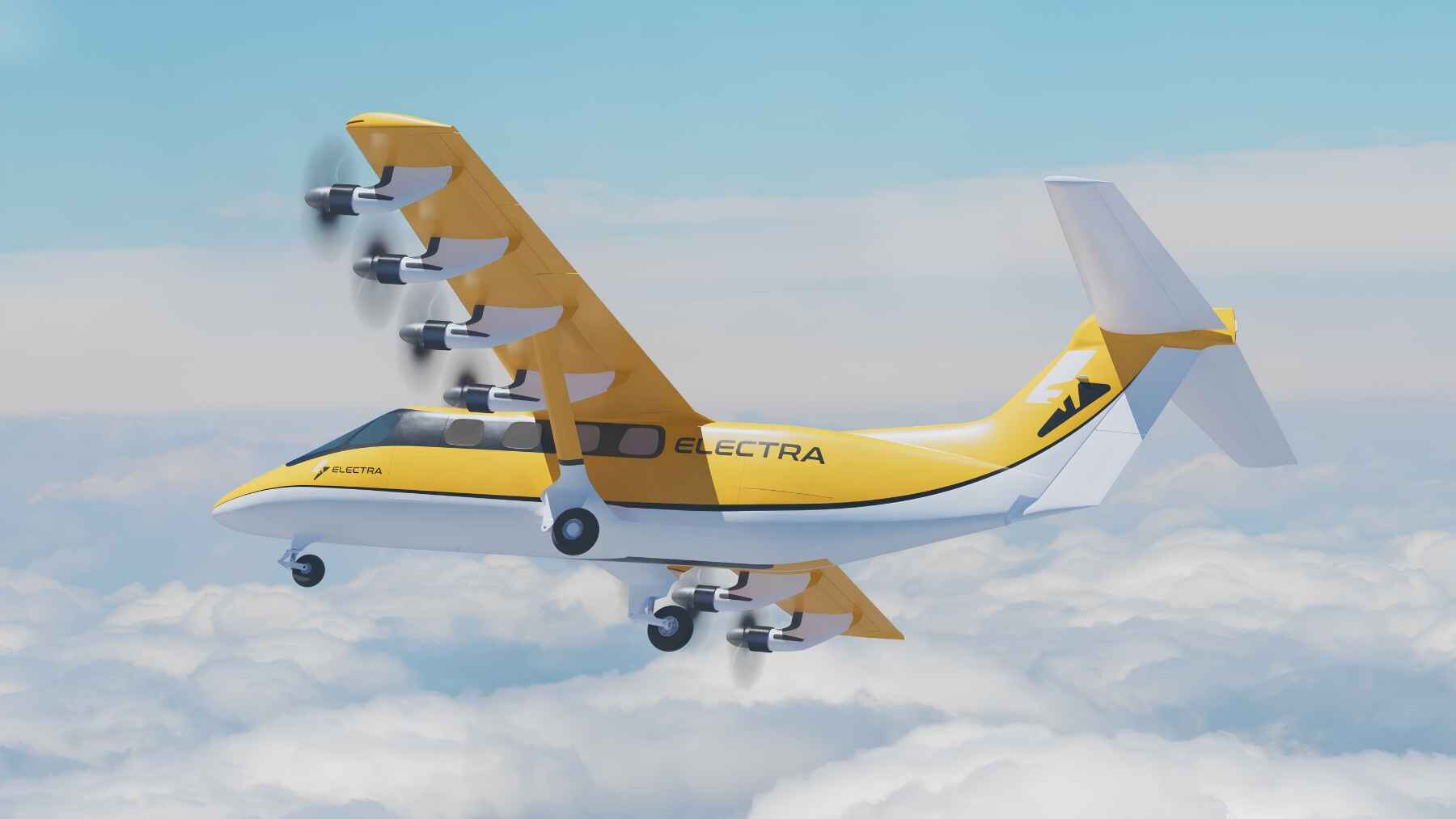
Rather than rise vertically like an air taxi, the fixed-wing EL9 uses eight electric motors to drive propellers that blow air across the wing and large flaps, creating extra lift at low speed. Electra says that the “blown-lift” system can reduce the ground roll for takeoff and landing to 150 ft.
Batteries provide power during takeoff and landing, while a turbogenerator supplies electricity in cruise and can recharge them in flight. The planned aircraft is designed for nine passengers with baggage or up to 3,000 lbs. of cargo, with a 330-nautical-mile mission range and a 1,100-nautical-mile ferry range.
Cleaner does not mean emission-free
Electra says the EL9 could use about 40% less fuel than comparable aircraft on an average 100-mile route and produce 75 dBA of noise at takeoff from 300 ft. away. NASA likewise identifies electrified propulsion as a route to lower fuel use, emissions and community noise, although those benefits still have to be demonstrated for each aircraft and operating pattern.
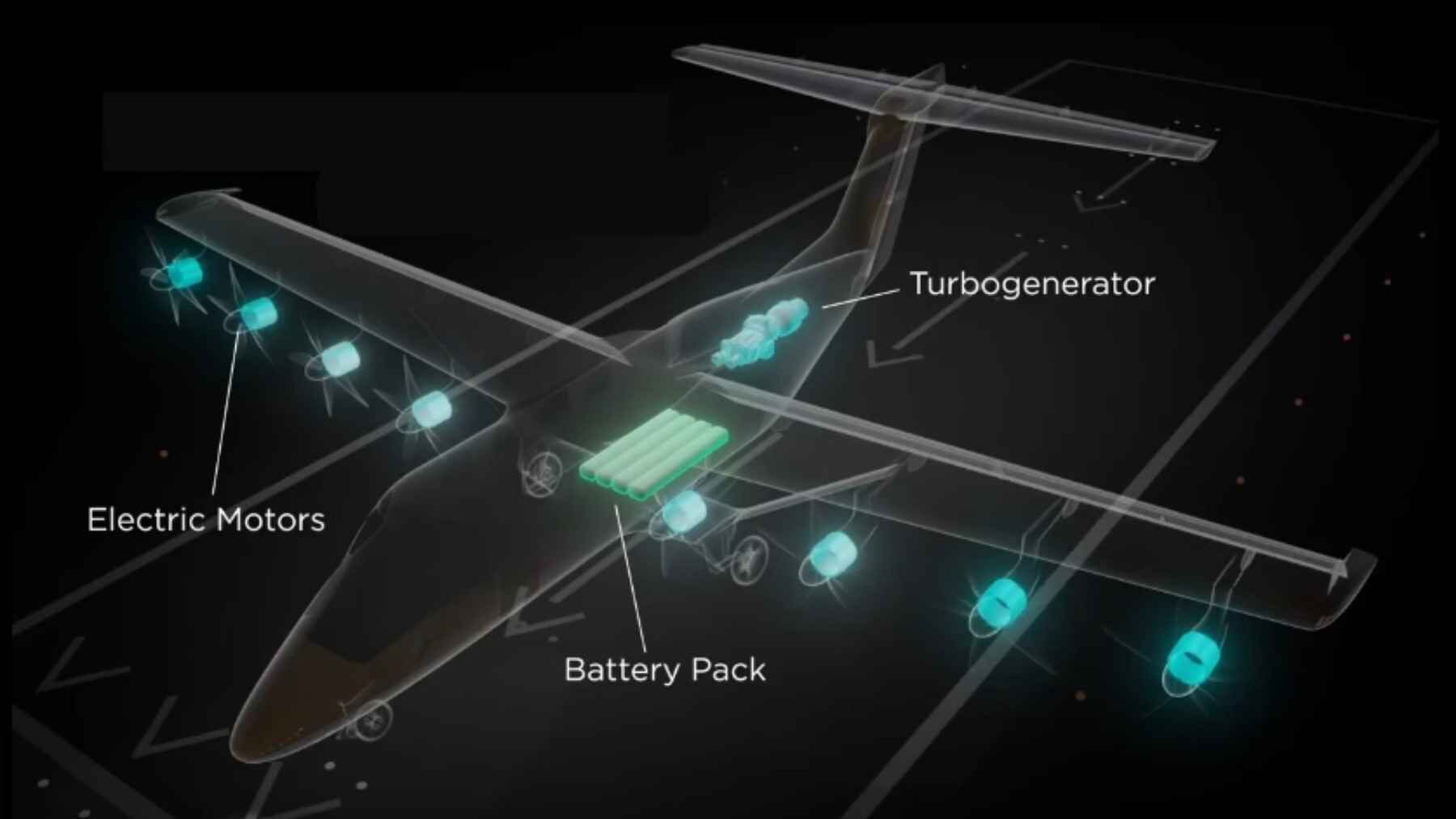
The important catch is that a gas turbine remains part of the EL9’s energy system, meaning the aircraft will produce direct emissions when conventional fuel is used even if electric propulsion lets the turbine run more efficiently. Electra says the system can use sustainable aviation fuel and could eventually be adapted for hydrogen, but those pathways require different infrastructure and lifecycle accounting.
The short-trip market
Electra’s own market outlook identifies 35 million daily passenger trips in the United States across distances of 50 to 500 miles. It says 85% of the denser 50-to-265-mile trips lack air service within 40 miles of either the origin or destination, leaving many travelers to sit in traffic or connect through a large hub.
That gap is the basis of the company’s “Direct Aviation” idea, which would use small airports and unconventional access points closer to communities. Once the plan is rolling, the environmental case will be strongest when full or nearly full aircraft replace long ground journeys, and weaker when lightly occupied flights create new premium travel demand, an inference from the proposed network rather than a result yet proven in service.
Certification comes first
Electra says it applied for FAA Part 23 type certification in November 2025 and that the agency has closed the G-1 issue paper establishing the aircraft’s certification basis. The next G-2 phase will define how the company must prove compliance through analysis, inspections, ground tests and flight tests.
The company expects the first EL9 flight in late 2027 or early 2028 and is targeting entry into service in 2030. Before passengers climb aboard, regulators will have to evaluate the distributed hybrid-electric system, blown-lift controls and fly-by-wire design against commercial safety standards.
Safran will build the power core
Safran Helicopter Engines has signed a life-of-program agreement to develop and produce the TG600 turbogenerator, including an initial order for 250 units. The 600-kilowatt system combines a gas turbine with two electric generators, and Safran reported completing the first bench test of the unit intended for the EL9’s initial flight tests.
Safran says the TG600 is based on its Arrano engine, which uses 18% less fuel than the previous generation of engines in its class. That figure describes the engine platform, not an independently verified 18% reduction for the complete EL9, a distinction worth keeping clear.
Ohio’s opportunity and its ground footprint
Springfield offers more than an empty industrial lot. The neighboring airport hosts the National Advanced Air Mobility Center of Excellence and the SkyVision ground-based detect-and-avoid system, while Wright-Patterson Air Force Base and the Air Force Research Laboratory add a deep aerospace research base nearby.
Electra says state and local support is expected to include incentives tied to jobs, workforce development and infrastructure, but the final package has not yet been disclosed. At a Clark County meeting after the announcement, a resident raised concerns about drainage, flooding and water quality around airport-area rezoning, though the record did not establish that the Electra project had caused any harm.
A major promise with tests still ahead
Electra reports more than 2,200 letters of intent from over 60 commercial customers, giving the company a visible market signal as it prepares the Ohio site. Still, letters of intent, certification milestones and factory plans are not the same as safe, economical service at scale.
The Springfield investment could become a meaningful step toward quieter, lower-fuel regional aviation and nearly 2,000 new jobs, but the real verdict will come from flight testing, FAA certification, operating data and lifecycle emissions rather than the word “hybrid” alone.
The official announcement was published on Electra’s website.