If you get a chill just thinking about spiders, you are not alone. But a new analysis suggests the real scary story is not what is crawling under the porch light – it is what we are failing to track across the continent.
Researchers at the University of Massachusetts Amherst report that nearly nine in ten insect and arachnid species in North America have no conservation status at all. That gap makes it hard to know what is declining and even harder to protect it before it is gone.
A conservation scoreboard with almost no scores
To size up the problem, the team compiled conservation information for the 99,312 known insect and arachnid species in North America north of Mexico. Their headline finding is blunt. About 88.5% of those species have no conservation status, meaning they have never been formally assessed for extinction risk.
The paper also connects that data gap to real-world policy in the United States. Of U.S. insects and arachnids known to be at risk across their full range, 94.7% are not protected by any state or federal law, and only 2.5% receive nationwide protection under the federal Endangered Species Act (a much higher share of at-risk U.S. bird species does).
In their policy review, they examined conservation assessments for 46,257 insect and arachnid species and compared those records with legal protections.
Why does that paperwork matter? Because “unknown” often functions like “invisible” in conservation, especially when budgets are tight and agencies need a defensible list of priorities. How do you build a rescue plan for wildlife when most of the entries on the roster are blank?
Spiders are quiet pest managers
Arachnids are a big group, including spiders, scorpions, and harvestmen (the animals many people call daddy-longlegs). They also come with a reputation problem, even though only a tiny fraction of spider species are considered dangerous to humans (around 25 to 30 out of more than 50,000 worldwide, by one estimate).
Ever notice how a spider web shows up right where flies gather? For the most part, spiders are doing the kind of work you only notice when it stops. They help keep flies, mosquitoes, aphids, and other crop and garden pests in check, and they are also food for birds, lizards, and other predators that many of us actually enjoy seeing.
“Insects and arachnids are fundamental for human society,” said study coauthor Laura Figueroa, pointing to roles that include pollination, biological pest control, and even monitoring air and water quality. In practical terms, that can mean fewer pest outbreaks on farms and fewer itchy mosquito bites in the backyard.
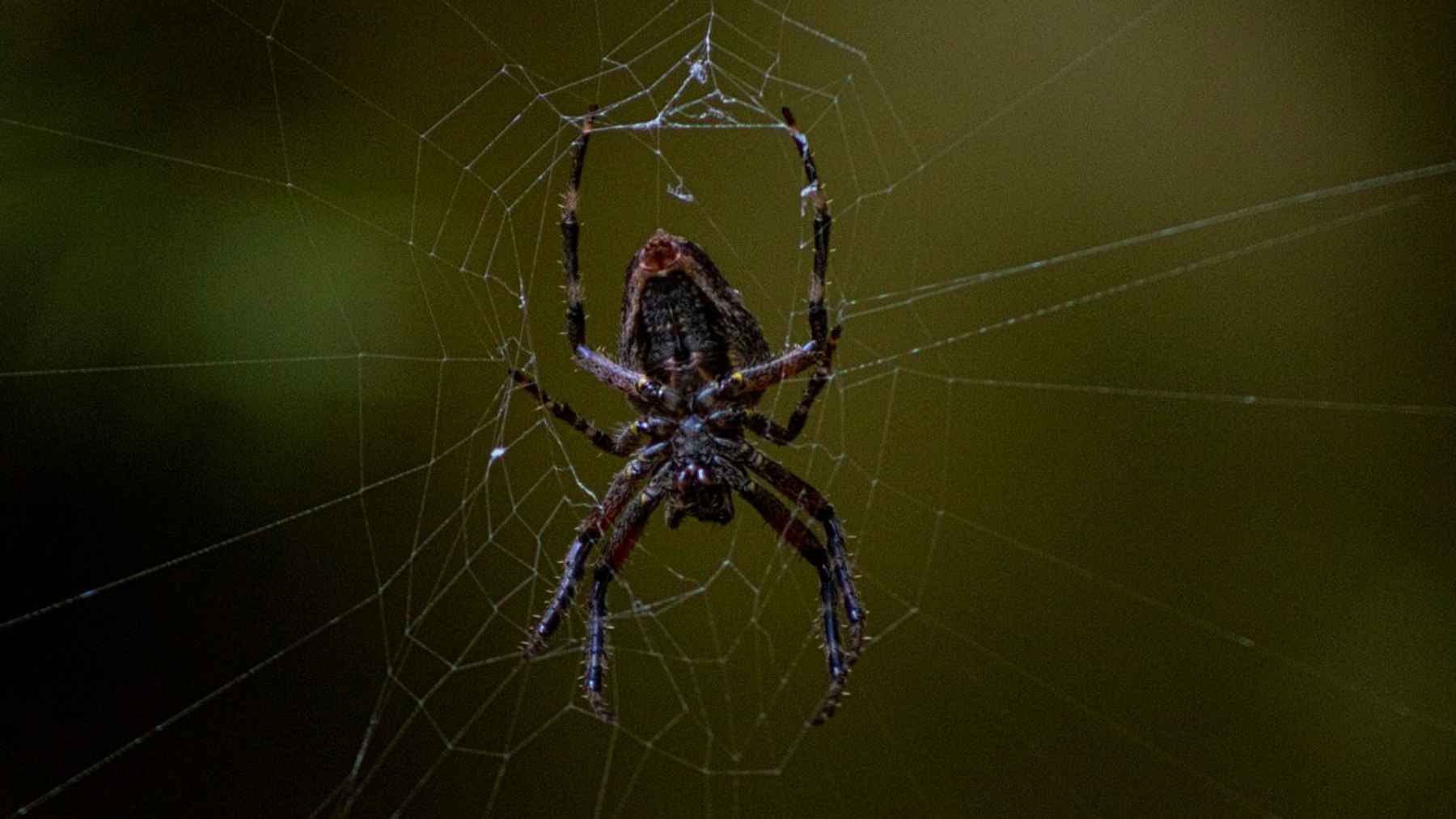
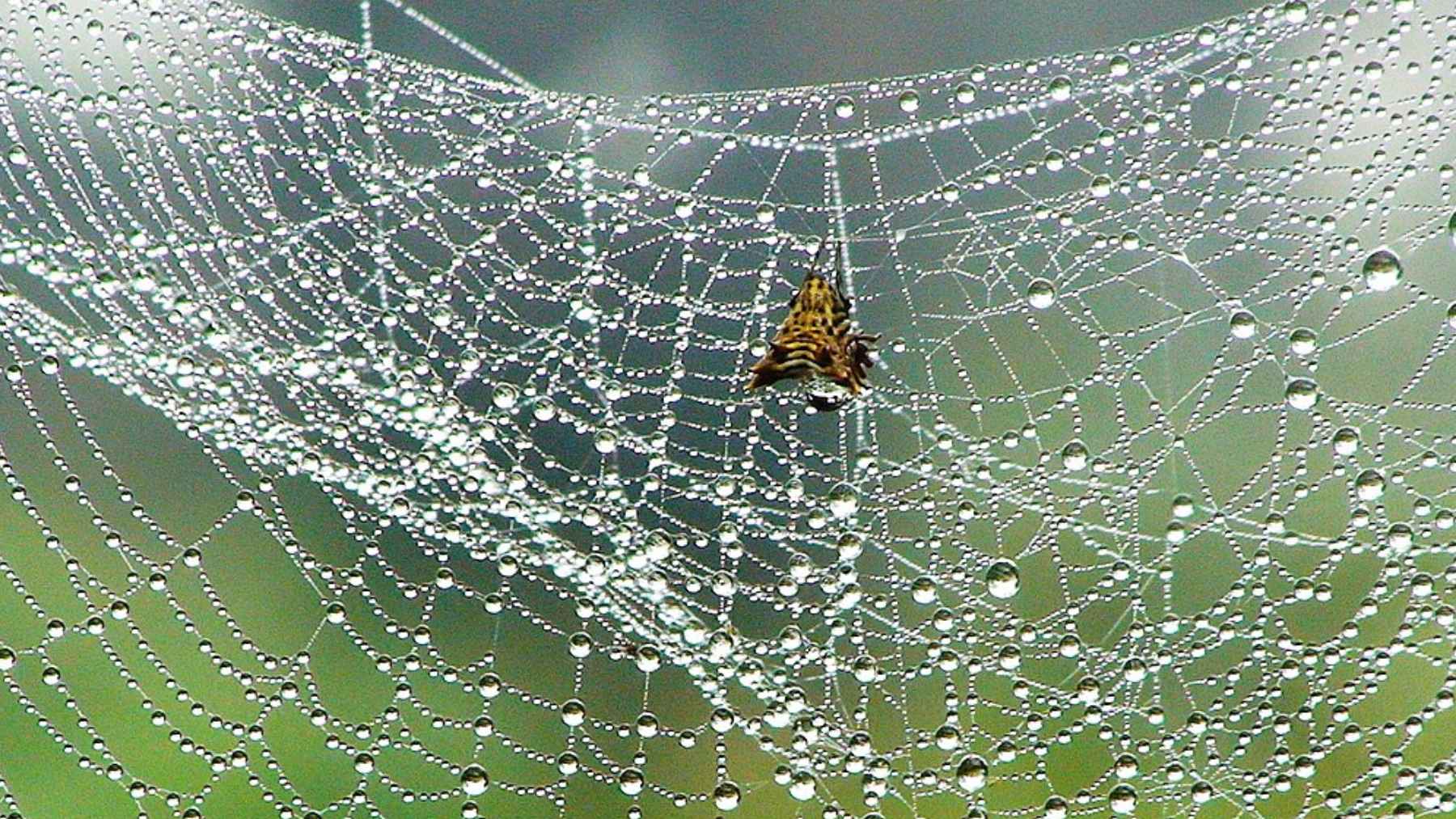
A spider waits at the center of its web, a quiet but crucial predator helping keep insect populations in balance.
The data we do have is skewed
One of the most telling details is not just that information is missing, but which species get attention when information does exist. The available research leans heavily toward aquatic insects such as mayflies, stoneflies, and caddisflies, in part because they are widely used to monitor water quality.
On top of that, protections tend to favor the groups people already notice. The study describes a taxonomic bias that benefits dragonflies, damselflies, butterflies, and moths, while many other vulnerable groups remain overlooked.
Arachnids take the hardest hit in that popularity contest. As lead author Wes Walsh said, “Arachnids, in particular, are really missing from conservation,” and summaries of the work note that most states do not protect even a single arachnid species. That is a startling outcome for animals that show up in almost every terrestrial ecosystem.
When economics and values shape what gets protected
The researchers did not just count gaps – they looked for patterns that might explain them. One clear signal is economic, with states more reliant on mining, quarrying, and oil and gas extraction tending to offer fewer protections for insects and arachnids.
On the other hand, the study reports that where protections do exist, more species are protected in states where more residents hold “ecocentric” values, meaning people place a higher priority on nature for its own sake. It is not a perfect measure and it will not explain every policy choice, but it hints that culture and economics can quietly shape biodiversity outcomes.
Figueroa points to bird conservation as a model for how that culture can shift. “The research shows that you get the best conservation efforts when broad, diverse coalitions come together,” she said, noting how hunters, birders, nonprofits, and others have rallied around shared targets. At the end of the day, insects and arachnids may need that same kind of big-tent support.
What better protection could look like
The first fix is unglamorous but crucial. More monitoring and more assessments, especially for the “forgotten” groups, would give agencies a clearer starting point for action. That can mean funding basic surveys, supporting taxonomic expertise, and using modern tools like DNA-based methods to identify species that are hard to tell apart.
The urgency is not coming out of nowhere. A widely cited 2017 study in Germany, based on standardized Malaise-trap sampling across 63 protected areas, estimated a 76% seasonal decline in flying insect biomass over 27 years, with an 82% midsummer decline, sparking broader worries about an “insect apocalypse.”
For readers, the takeaway is not to panic every time a spider appears in the garage, but to treat these animals as part of the life-support systems that make ecosystems resilient. Small creatures, big stakes.
The study was published in Proceedings of the National Academy of Sciences.