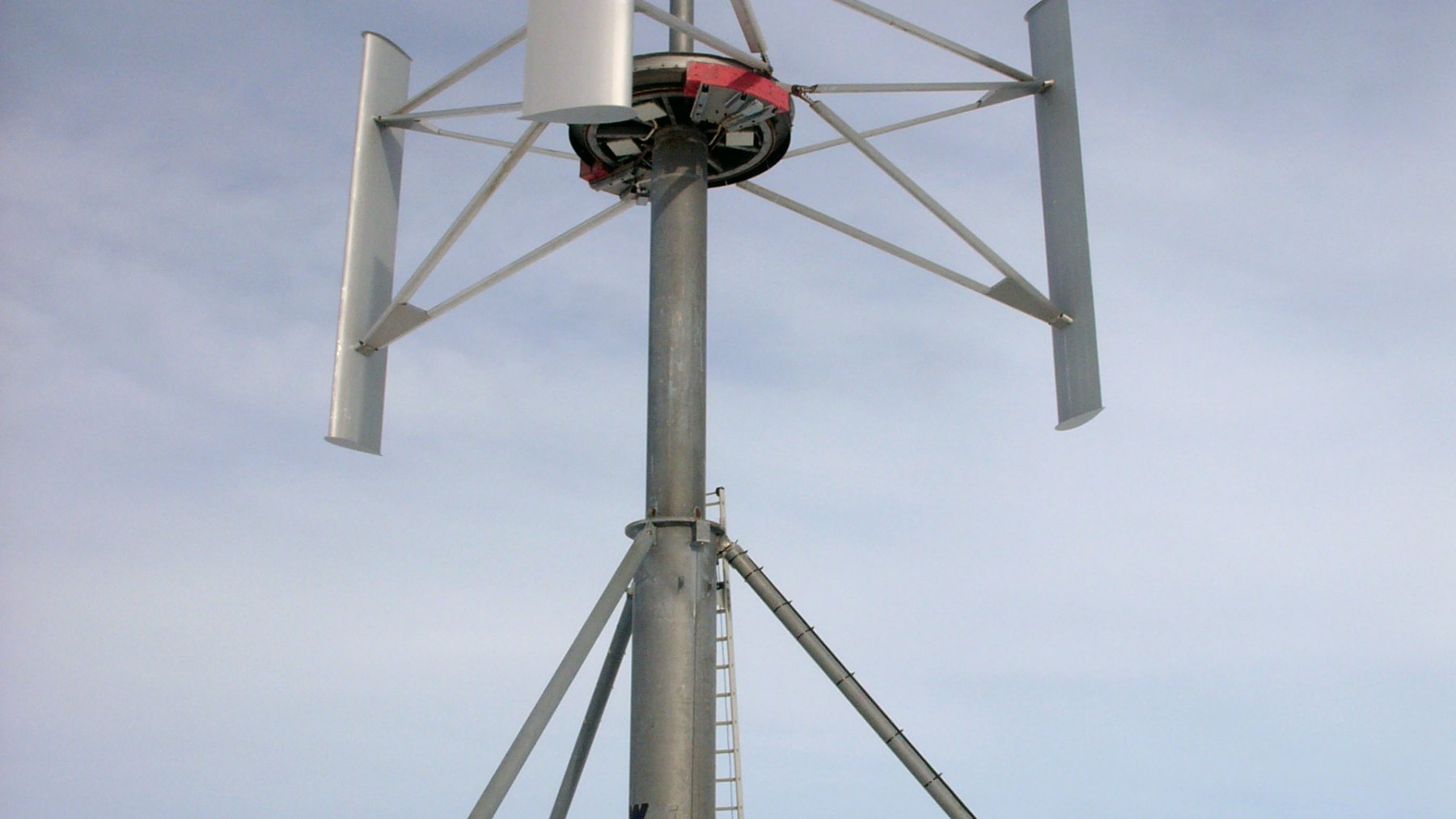
Wind power maintains worldwide recognition as a renewable, clean energy source that people have admired for many years. The important performance problem affecting wind farm productivity emerges from the “wake effect.” This energy-diminishing phenomenon endangers wind generation facilities’ economic sustainability and operational efficiency. The unknown issue creates major power output decreases that endanger the ongoing success of wind power operations. A comprehensive exploration describes the wake effect and its future implications.
Wind farm electricity output faces a 30% reduction because of this imperceptible wind force.
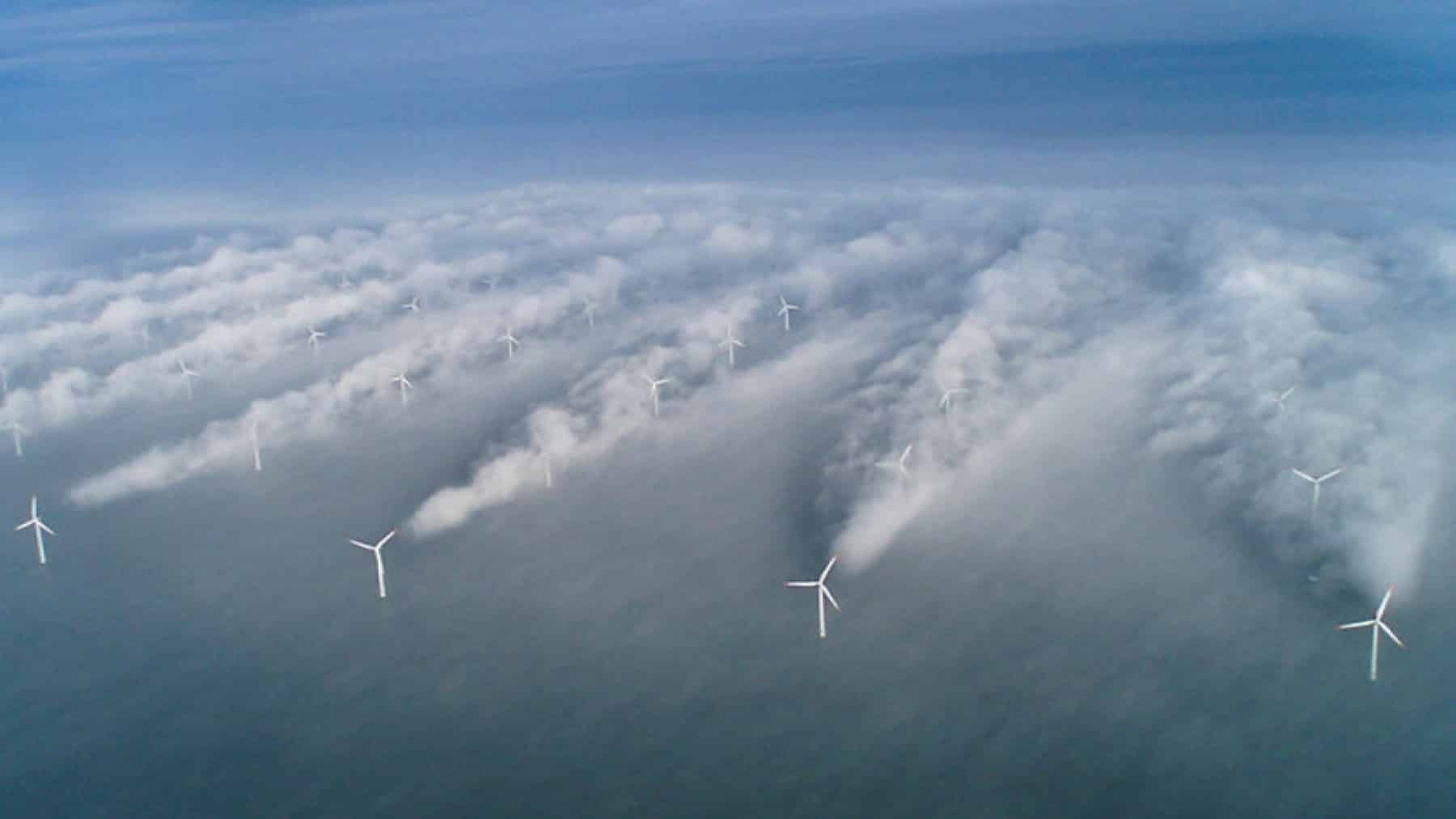
When wind turbines exist in an area, the wind flow suffers from disruption, which results in the wake effect. The transport of wind through turbine blades causes speed reduction along with turbulent air movements, producing wake formations trailing behind each turbine. The wake zone from turbines stretches multiple kilometres long while hindering the operational output of subsequent turbines.
The performance output of turbines behind other machines decreases because of the resulting lowered wind speeds combined with enhanced flow turbulence patterns within the wake area. The arrangement of several nearby turbines increases the collective impact on wind wake formation in large wind projects. When this phenomenon occurs, a facility’s entire wind power output decreases dramatically.
This energy-diminishing phenomenon endangers wind generation facilities’ economic sustainability and operational efficiency. Because of the wake effect, wind farms’ power output greatly declines. Scientific studies have shown that a wake effect reduces energy production in downstream turbines. The diminished output power leads to reduced operational efficiency and substantial economic losses.
The research team’s haste to discover remedies against the increasing prevalence of this issue.
For developers to secure funding and plan operational procedures, wind facilities need exact forecasts of their energy output. Wind projects face monetary loss due to unexpected cutbacks in power generation caused by wake effects that harm their economic viability. Any lack of solutions would slow down the expansion of wind energy operations.
Researchers and engineers have launched several strategies to resolve the wake-effect problem. Researchers are working on methods to arrange wind facilities to reduce wake disturbances. The wake effect represents a substantial issue that the wind power industry has poorly recognized. Solar and wind power production gains efficiency when turbines receive optimal placement and correctly match their distance from one another.
Wind turbines operate through control systems that dynamically adjust turbine operations as an effective strategy. The technological systems maintain turbine blade angles and speeds to lessen wake effects while increasing power output. Modern wake modelling and simulation research enable scientists to bolster our comprehension of this phenomenon.
Wind power faces a survival crisis because rapid resolution of this issue is critical.
The vitality of wind power as an energy source remains strong despite the current challenges of wake effects. Improvement of wind farm operations through continued technological progress combined with innovative research has become possible. Proper mitigation measures can reduce wake effects so wind power can achieve its full potential.
Onset presents a crucial reason for maintaining the development of renewable energy investments. Renewable energy systems need optimization and improved technical performance because rising clean energy requirements continue to expand. Our proactive measures will achieve the long-term sustainability of wind power as a key global energy mix component.
Research efforts combined with strategic mitigation solutions create the possibility of solving the wake effect problem so we can achieve wind power’s complete potential. To build a sustainable energy future, we must be alert and active in detecting and resolving emerging difficulties. As a reminder, the wake effect highlights various difficulties in renewable energy generation and demonstrates the enduring need for innovation and financial support. Our ability to address these obstacles will secure wind power’s continuing role in establishing a sustainable world with clean energy.