Long before any humans first ever orbited the Moon, two small tortoises beat them to it. They flew aboard the Soviet Zond 5, an uncrewed test spacecraft that launched on Sept. 15, 1968, passed above the lunar far side, and splashed down in the Indian Ocean on Sept. 21. It sounds like a strange little footnote in history, but this was actually a real, serious test run for a future crewed mission to the Moon.
So were they tortoises really the first animals to travel around the Moon? The popular version of the story says yes, and usually adds that they lost only 10% of their body weight during a week in space. Both parts of the story need a bit of fixing, since they were the first vertebrates to make the trip and return alive, while their weight loss followed a much longer fast that began before launch.
The tortoises were not alone
Turns out, the tortoises had plenty of company on that flight. Zond 5 passenger list included fruit flies, worms, plants, algae, bacteria, and other biological material. Since flies and worms are animals too, technically calling the tortoises the “first animals” around the Moon is not quite accurate. “First vertebrates” is really the more accurate way to put it.
Still, they were the biggest and most recognizable living creatures onboard. And these were not just cute mascots stuffed into the capsule for good publicity. Zond 5 was actually testing the Soviet L1 spacecraft system, a modified version of the Soyuz spacecraft, designed to eventually carry two cosmonauts around the Moon without going into full lunar orbit.
Why tortoises made sense
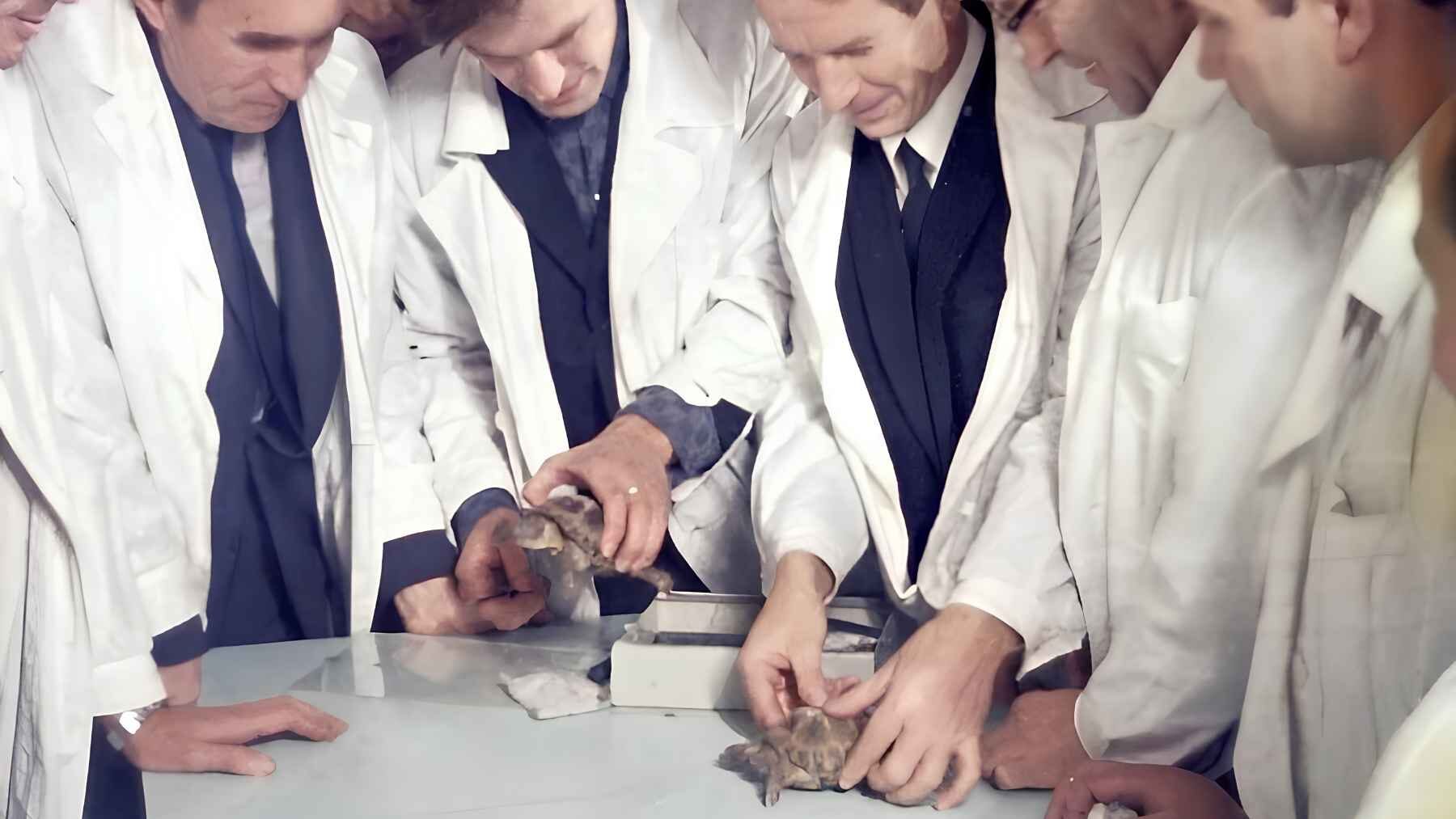
Each tortoise on the flight weighed between 12 to 14 ounces. Soviet doctors selected them because they did not need complicated onboard care, could be held securely, and could tolerate a long period without food. In a tiny experimental spacecraft, simplicity mattered.
The tortoises were placed in the spacecraft on Sept. 2, nearly two weeks before launch, and their food was cut off the same day. Meanwhile, two other tortoises stayed behind the Earth as a fasting comparison group and four more were left untreated. This setup helped researchers separate the effects of spaceflight from the effects of hunger.
A translated biological report led by Soviet researcher N. A. Gaidamakin described tissue changes after the mission. Researchers concluded that starvation explained much of the shrinkage seen in the animals’ organs, although the stresses of spaceflight also appeared to contribute. That is exactly why the famous 10% figure cannot just be blamed on six days near the Moon.
Zond 5 looped around the Moon
A Proton rocket lifted Zond 5 from the Baikonur Cosmodrome in Kazakhstan. After briefly circling Earth, an upper stage engine fired again and sent the spacecraft toward the Moon. On Sept. 18, it passed about 1,210 miles above the lunar far side.
The spacecraft never actually slowed down or settled into orbit around the Moon. Instead, the Moons gravity simply bent its path and sent it swinging back toward Earth, a route known as a circumlunar flight. Think of it less like doing laps around a racetrack, and more like taking one wide turn at the end of a road before heading home.
That distinction separates Zond 5 from Apollo 8. The later American spacecraft entered lunar orbit and completed 10 revolutions before heading home. Zond 5 passed behind the Moon once and continued directly back to Earth.
The return nearly went wrong
The outward journey already had problems. A sensor that used the stars to orient the spacecraft failed, forcing controllers to rely on less precise equipment for a course correction. On the way home, another navigation failure made the planned guided landing in Soviet territory too risky.
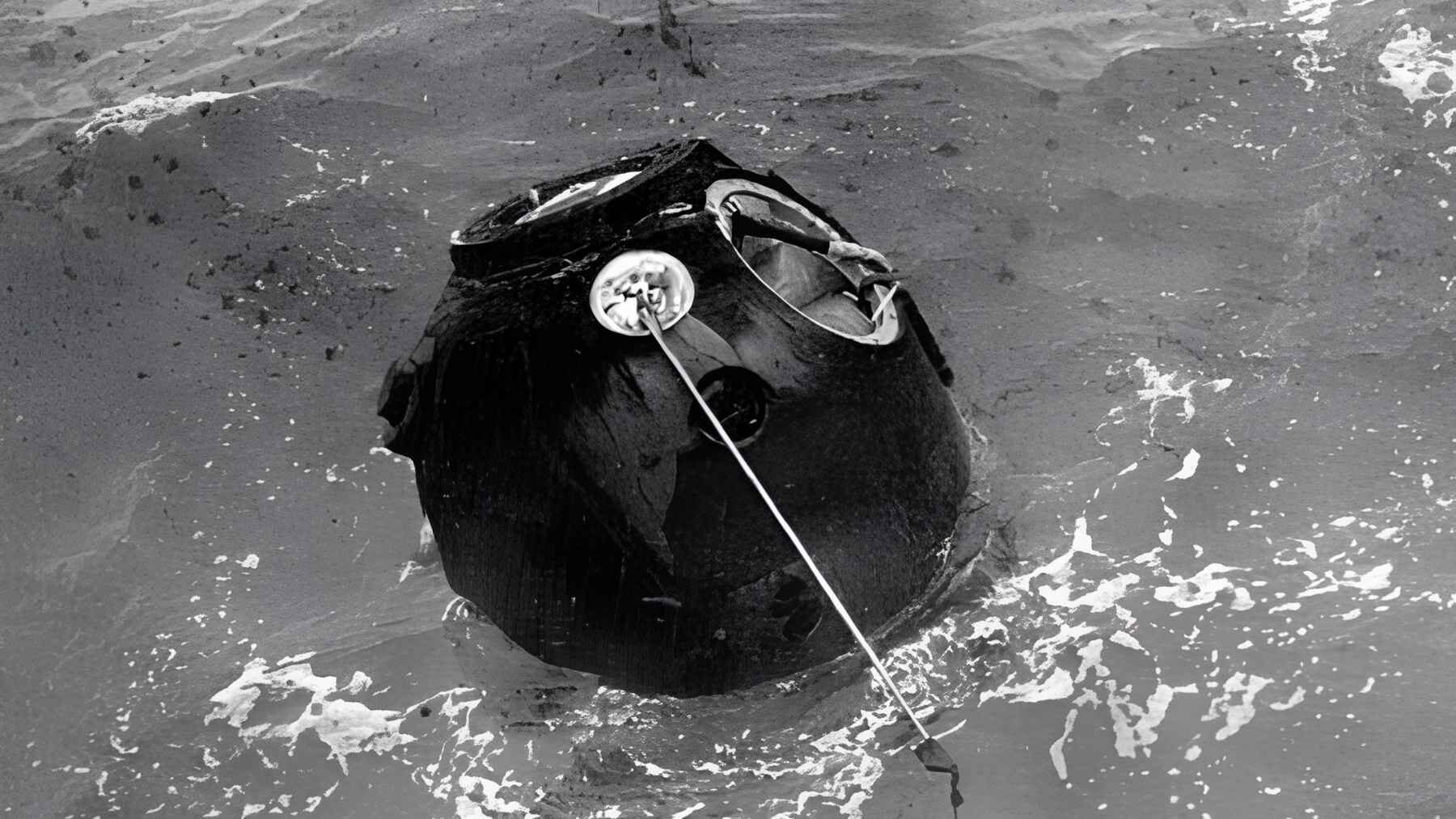
Controllers chose a ballistic reentry, meaning a steep and largely unguided plunge aimed at the Indian Ocean. The descent exposed the capsule and its passengers to forces about 20 times normal gravity, far harsher than the planned route for a human crew. Zond 5 splashed down after six days, 18 hours, and 24 minutes in flight.
Recovery brought its own drama. Soviet teams searched rough water at night while United States Navy vessels watched nearby, and a Soviet ship eventually lifted the capsule aboard. It traveled through Bombay, now Mumbai, before being flown to Moscow, where the tortoises were found alive.
The 10% figure needs context
One official NASA summary says the tortoises lost 10% of their body weight. Another source says they lost “a little weight” and were otherwise in good health. The first number is widely repeated, but it was never a clean measure of what a week-long Moon trip does to a tortoise.
Their experience combined prolonged fasting, confinement, weightlessness, radiation exposure, a punishing reentry, a rough ocean landing, and delayed examination after recovery. Like trying to explain a bad night’s sleep after travel, noise, heat, and missed meals, no single factor can carry all the blame.
It is also worth remembering there were only two tortoises on this flight. Their survival showed that living vertebrates could actually make the trip from Earth to the Moon and back inside the particular spacecraft. But it did not prove the journey was harmless, and it definitely did not prove humans were ready to make the exact same trip themselves.
Apollo 8 changed the category
Apollo 8 launched on Dec. 21, 1968, and entered lunar orbit on Christmas Eve. Frank Borman, Jim Lovell, and William Anders became the very first humans to orbit another world, just three months after those tortoises made their own trip around the Moon.
Zond 5’s success actually raised concern that the Soviet Union might soon send cosmonauts around the Moon. Delays involving the American lunar module were also central to the decision to change Apollo 8’s plan, so the Soviet flight was not the only reason. Still, it definitely made the space race feel a lot more urgent.
And the tortoises earned a very specific place in that history. They were not astronauts or the only animals aboard, but they were the first vertebrates to travel around the Moon and return alive, while Apollo 8 later proved that humans could leave Earth orbit, enter lunar orbit, and come safely home.
The official mission history was published by NASA, while the translated biological report was published by Smithsonian Herpetological Information Services.