Kawasaki unveils a hydrogen-powered motorcycle in Japan

· · 3 min read
Electric engines have been a popular topic in the automobile industry for the past decade. With innovation from companies such as Tesla, and major automobile companies following suite with their own hybrid and electric models, the electric engine is consistently being penned as the future of automobile technology. However, hydrogen engines are fast on the rise, and offer a compelling complement to electric engines.
Japan continues to advance hydrogen technology
Japanese automobile companies have continued to be leaders and innovators in hydrogen automobile technology. With companies like Toyota and Hyundai leading the way with their hydrogen fuel cell technology, these companies are filling in a niche gap, as well as continuing to add and advance their own electrical vehicle range.
Hydrogen engines operate off of fuel cell technology. These engines generate electricity through a chemical reaction between hydrogen and oxygen. These engines have incredible potential in a world concerned about climate change and consumers wanting cleaner alternative engine solutions. The only byproduct of hydrogen engines is water, making them suitable for a greener future.
Kawasaki releases hydrogen-powered motorcycle
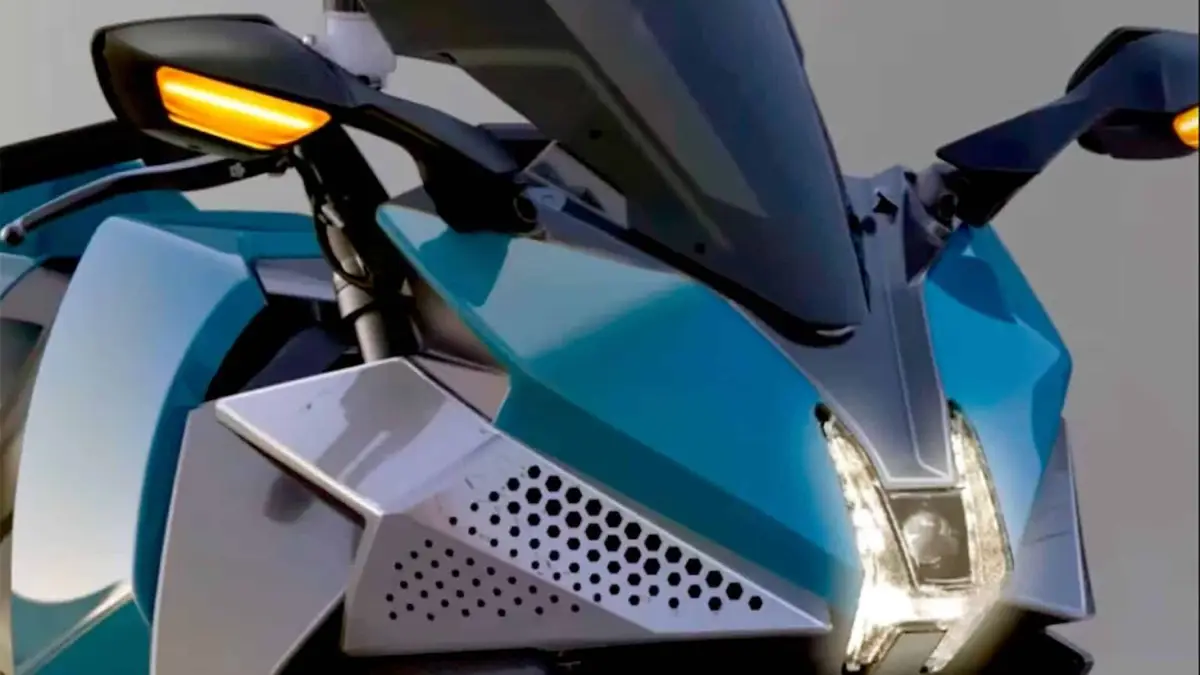
Japanese motorcycle company Kawasaki recently unveiled a prototype of a hydrogen-powered motorcycle. The prototype was unveiled in July of last year after development began in March of 2023. The bike, penned the “Ninja H2”, features a supercharged inline-four engine with a displacement of 998 cc. The bikes are stilm in the developmental phase, and will only be available to the public for purchase sometime in the 2030s.
The bike is the first hydrogen-powered motorcycle to be produced from four major Japanese automobile developers. Honda, Yamaha, and Suzuki all collaborated with Kawasaki to produce the Ninja H2 prototype. Putting competition aside, these major companies are combining expertise and ideas in order to ensure a greener future for the automobile world.
Increased innovation needed to reach sustainability goals
Collaborative work on green energy solutions is a key component to pushing towards a sustainable future. While it is important within a free-market economy for automobile companies to maintain competition among each other, it is as equally critical that a pooling of resources and knowledge be done in order to reach critical climate goals. Time is of the essence, and prioritizing expert knowledge is a must in order to hope that we can come up with an affordable solution to hitting carbon goals in the transportation world.

The future of engines and passenger vehicles as we know it lie is sitting at a crossroads. While they still make up the overwhelming majority of cars on the road, the reality is that the internal combustion engine cannot maintain its status as the default engine on the road. There has to be a transformation of passenger vehicles becoming more suited towards a climate conscious world.
In addition, there needs to be movement towards reducing the number of passenger vehicles on the road. Part of sustainability is making the world we live in more inhabitable, and two ways to do that is expanding public transport access as well as making cities we live in more pedestrian friendly. Reducing the need for passenger vehicles is a critical part of ensuring that we hit our climate and sustainability targets.
There have been emerging government incentive programs to entice citizens to “go green” and give up their reliance on the internal combustion engine. For new technologies like Kawasaki’s hydrogen engine to be picked up by consumers, there needs to be collaboration from government in ensuing that citizens can use these vehicles effectively. Examples of this include funding for refueling stations as well as reducing the number of processes needed to go through to allow for new innovative engine technologies to be on the road.
Glossary for this story
- Climate change
- A long-lasting shift in the planet’s climate: temperatures, rainfall and extreme events. Today’s change is caused mainly by burning fossil fuels.
ECOnews Newsroom
Writer at ECOnewsA team of journalists specializing in socio-environmental news, sustainability, climate change, the environment, responsible consumption, and innovation. At EcoNews, we provide clear, reliable, and relevant coverage of the environmental and social challenges shaping our era.
More from ECOnews NewsroomComments · 0
Rules ›No comments yet. Be the first to share your view.