Confirmed by the EPA: Louisiana's own coal ash permit program takes effect December 17, with at least 30 days for public comment on applications
Louisiana will run its own coal ash permits from December 17, 2026, under a partial EPA approval. What changes for neighbors and plants.

· 4 min read
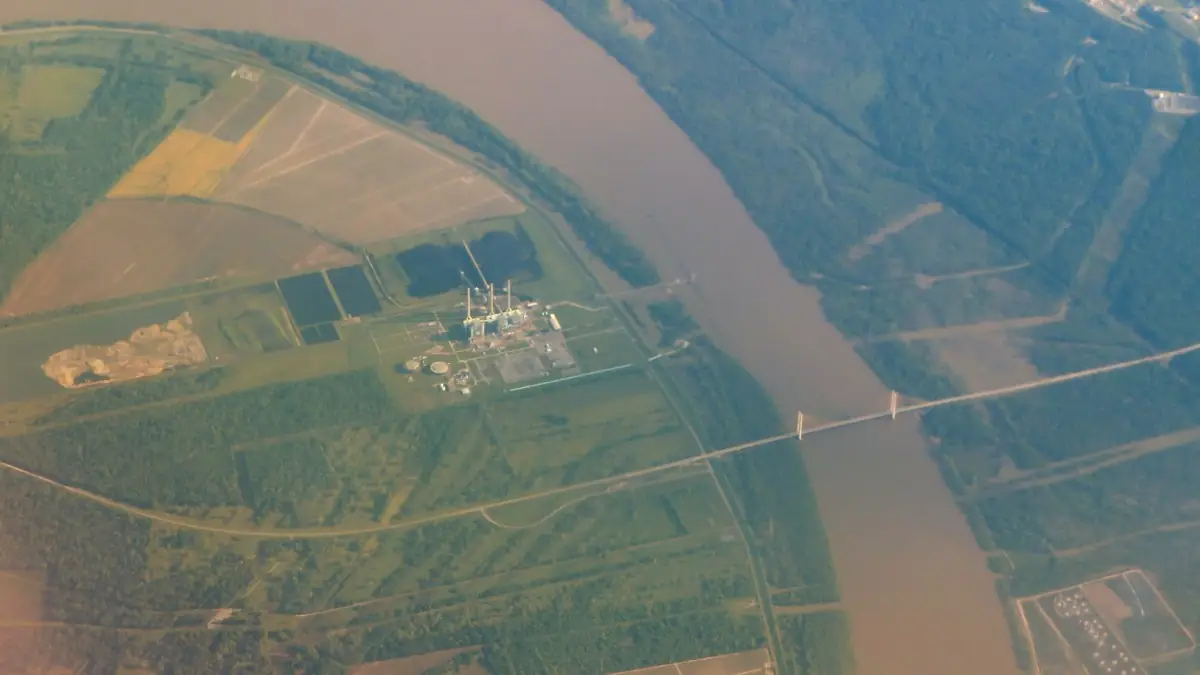
Louisiana is taking over part of coal ash permitting from the federal government. The Environmental Protection Agency has partly approved the state's program, and the approval takes effect on December seventeenth, twenty twenty-six. The Louisiana Department of Environmental Quality will run it. Some sites stay under federal rules, including ponds that no longer hold water and older ponds at plants that stopped generating power before October nineteenth, twenty fifteen. The state has not yet issued any coal ash permits. Existing facilities with state solid waste permits must apply for a renewal or major modification within three hundred sixty-five days, and must follow federal rules until then. For neighbors, companies must give public notice before applying. The public then gets at least thirty days to comment on applications, and anyone can ask in writing for a public hearing within thirty days after a draft decision notice. The agency will review the state program at least once every twelve years.
Key points
- The EPA approved part of the state program; some ash sites stay under federal rules.
- Existing ash sites must seek a new state permit within 365 days.
- The EPA kept authority over pending closure requests from Louisiana plants.
Louisiana is taking over coal ash permitting from the federal government. The U.S. Environmental Protection Agency has approved the state's coal combustion residuals permit program in part.
The approval takes effect on December 17, 2026.
Under the approval, the Louisiana Department of Environmental Quality (LDEQ) will run its program in place of the federal one. It is a partial approval, so several types of ash sites will stay under federal rules. The EPA published the final action in the Federal Register on November 17, 2026.
Why coal ash sites need rules
Coal combustion residuals are what is left after power plants burn coal to make electricity. According to the EPA, they include fly ash, bottom ash, boiler slag and flue gas desulfurization materials, and they contain contaminants like mercury, cadmium and arsenic. "Without proper management, these contaminants can pollute waterways, ground water, drinking water, and the air," the agency says on its coal ash basics page.
Plants can send this material off site for disposal or reuse. They can also keep it in landfills or surface impoundments, which are ash ponds, on their own property.
Federal rules for those sites date from April 17, 2015. They set requirements for location, design and operation, groundwater monitoring and cleanup, and closure and care after closure.
A 2016 law, the WIIN Act, allowed states to run their own permit programs. The EPA has to approve them first.
Talks that began in 2017
The EPA began working with LDEQ in June 2017, as the state developed its rules. LDEQ sent its formal application to EPA Region 6 on May 20, 2025, and submitted a revised version in March 2026.
The EPA proposed its approval on June 5, 2026, and opened a 60-day comment period. It also held a public hearing on July 21, 2026. The agency received 43 written comments from members of the public, plus one more at the hearing.
Several of those comments supported the approval. Other commenters argued that LDEQ cannot be relied on to carry out the program properly. They cited the EPA's 2024 denial of Alabama's program and court rulings on coal ash cases.
The EPA answered the comments in a separate document in the public docket.
Which sites stay under federal rules
The EPA did not approve one exemption in the state rules. Louisiana's regulations leave out surface impoundments that no longer contain water or can no longer hold liquids.
The agency found that this is not at least as protective as federal law. Federal rules will keep applying to those ponds.
LDEQ also did not adopt the EPA's 2024 rule on older sites. As a result, legacy surface impoundments at plants that stopped generating power before October 19, 2015, remain under federal rules. The same applies to what the rule calls coal ash management units.
For the state provisions the EPA did not approve, facilities must comply with both the federal and the state requirements. The EPA must also review the state program at least once every 12 years. A significant unauthorized release from an ash site triggers a review within one year.
No state permits yet
LDEQ has not issued any coal ash permits under the new chapter of its rules. Some existing ash landfills and ponds already hold state solid waste permits. Their owners must apply for a renewal or a major modification within 365 days of the approval.
Until a facility receives its new state permit, it must keep complying with the federal coal ash rules. New ash landfills or ponds, and lateral expansions of existing ones, cannot take in or manage coal ash without a state permit.
Three power plants with pending requests
The final rule names three Louisiana plants: Big Cajun II Power Plant, Brame Energy Center and Dolet Hills Power Station. In November 2020, all three asked the EPA for more time to keep using unlined or clay-lined ash ponds before closing them.
So far the EPA has not decided on those requests, according to the rule. Dolet Hills withdrew its request after it stopped receiving waste on September 1, 2022.
LDEQ said in its application that it would make the decision itself if the EPA had not ruled first. In the final rule, the EPA clarified that it will remain the authority over these requests, and the plants must keep following the federal provision.
The reason is a pending federal change. In November 2025 the EPA proposed extending, under certain conditions, the October 2028 closure deadline for unlined ponds larger than 40 acres to October 2031. Louisiana's rules follow the federal text as of July 1, 2022, so an extension would not automatically apply there.
What neighbors can do
The state rules require public notices before and after a company applies for a permit. Notices are also required when LDEQ issues draft and final decisions. A company must publish a notice of its intent to apply within 45 days before it submits the application.
The public then gets at least 30 days to comment on permit applications and major modifications. The LDEQ secretary can extend that to 45 or 60 days, and LDEQ must publish a written response to the comments with its final decision.
Within 30 days after a draft decision appears in a newspaper notice, anyone can ask in writing for LDEQ to consider holding a public hearing. LDEQ decides whether one is needed. LDEQ also keeps permit files, correspondence and groundwater reports in an online document system open to the public.
The final action, docket EPA-HQ-OLEM-2025-3324, is published in the Federal Register. The EPA keeps background on coal ash rules on its coal combustion residuals page.
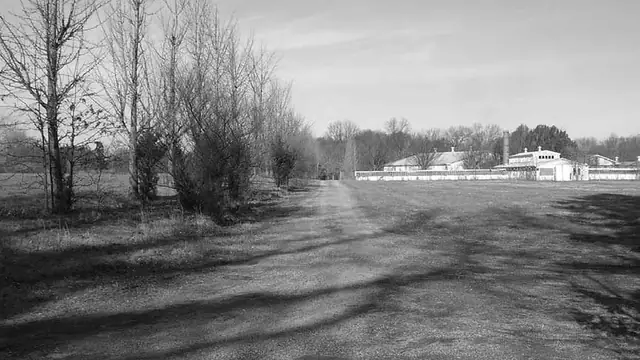
Photo: Ken Lund/Flickr, CC BY-SA 2.0
Glossary for this story
- EPA
- The Environmental Protection Agency: the U.S. federal agency in charge of protecting air, water and land and enforcing environmental laws.
Javier Niño
Writer at ECOnewsJavier Niño has been a Spanish National Police officer since 2017 and a journalist specialising in employment, labour law and Social Security, with more than seven years of writing experience. At ECOnews he covers environment, energy and sustainability news, focusing on how new regulations and court rulings affect people in their everyday lives.
More from Javier NiñoComments · 0
Rules ›No comments yet. Be the first to share your view.