César Terrer, MIT engineering professor: "A drained peatland can keep emitting carbon dioxide for centuries"
Peatland drainage explains about 2.7% of human-caused warming, a Nature study finds. Terrer's advice: stop draining them and raise water tables.

· 3 min read
Key points
- Peatlands store about 30% of the world's soil carbon on 3% or 4% of its land.
- Drained peatlands cover about 0.5% of the land surface, some 15% of all peatland area.
- Maintaining today's drained peatlands could almost double their cumulative warming by 2100, the study projects.
- The team mapped peatland drainage from 1800 to 2020.
Draining the world's peatlands has contributed about 2.7% of present-day human-caused warming, according to a study published on November 25, 2026, in Nature. César Terrer, an MIT associate professor of civil and environmental engineering, says the message has two parts.
"The first message is to stop draining peatlands, because a drained peatland can keep emitting carbon dioxide for centuries," Terrer said in MIT's announcement. "The second is to restore the peatlands that are already drained, which means raising their water table."
Small area, large carbon store
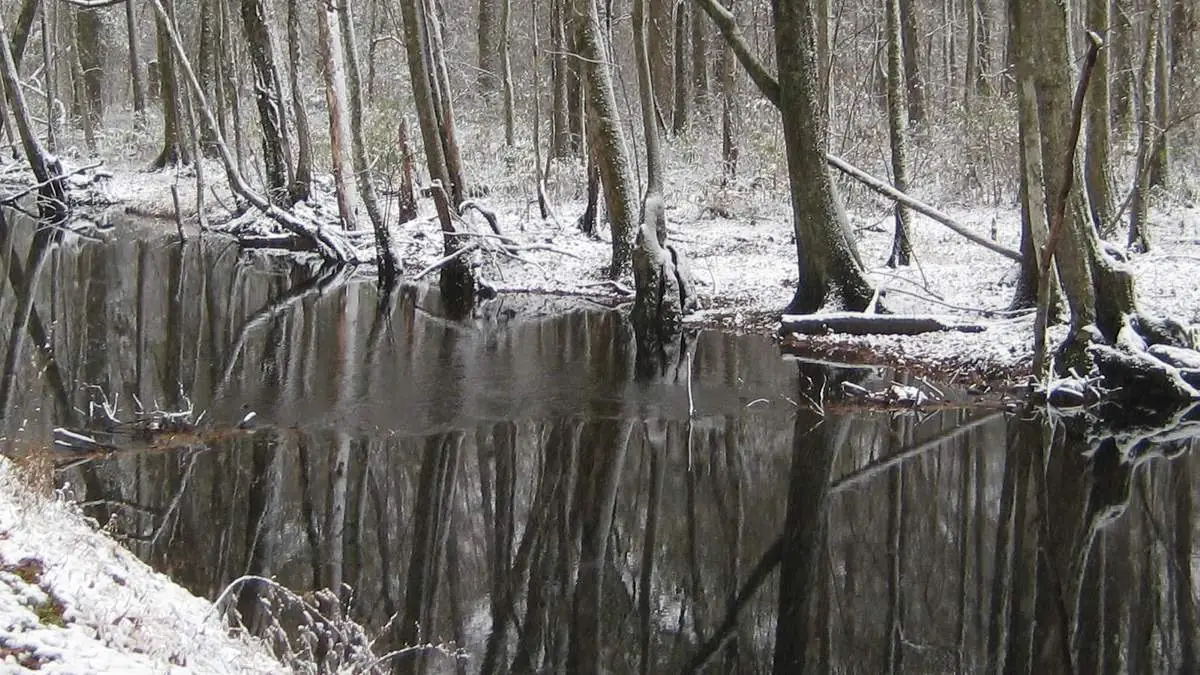
Peatlands are bogs, fens and swamps: wet, oxygen-poor ecosystems that hold huge amounts of partially decayed plant matter. That material accumulates as peat.
Today peatlands store about 30% of the world's soil carbon. Yet they cover only 3% or 4% of the planet's land surface. According to MIT, the carbon they hold is more than that stored in all the world's forests combined.
Their plants take up huge amounts of carbon dioxide, while microbes in their soils produce methane. Methane is a potent greenhouse gas. Even so, peatlands have a net cooling effect on the planet because of the scale of carbon dioxide they remove from the atmosphere.
What drainage changes
People have drained peatlands for centuries to use the land for agriculture, forestry and other development. The pace has picked up since the Industrial Revolution, especially in Southeast Asia and Europe.
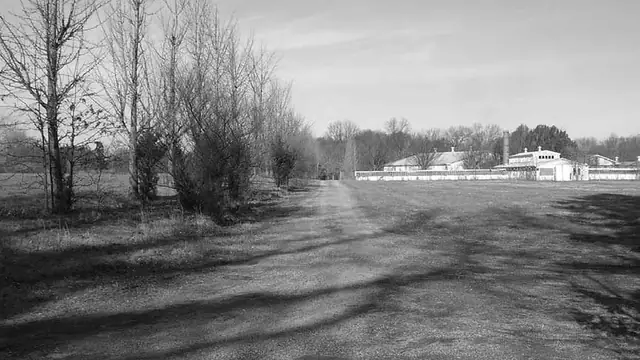
When drainage lets oxygen reach the plant matter, microbes break down the newly dry soil and release carbon dioxide for hundreds of years. Drainage also suppresses microbial methane, so the two effects pull in opposite directions.
Terrer described these as opposing effects on warming potential. It had generally been assumed that the net effect was warming, but its size had not been determined.
First author Jevan Yu, an MIT doctoral student, explained why the losses last so long. Because peatlands are waterlogged, decomposition is slow, and that lets them build very dense deposits of organic carbon. Once drained, those deposits can release carbon dioxide for a very long time.
How the team measured it
The researchers mapped the timing and extent of peatland drainage from 1800 to 2020. They also assembled a new dataset on emissions from different types of drained peatland. It expands on data the Intergovernmental Panel on Climate Change published in 2013.
The analysis counted emissions at the peat surface and in the drainage ditches. Those ditches can be a potent source of methane. The team then combined these datasets with models of greenhouse gas fluxes.
Yu said the team's models treat emissions as a function of water table depth. "The water table depth is really the regulator of low-oxygen conditions," he said.
Drained land, lasting warming
The study found that about 0.5% of the world's land surface has been drained peatland, or about 15% of all peatland area. That drainage accounts for about 2.7% of the warming influence of human activities since the Industrial Revolution.
The researchers also looked ahead: even if no more peatlands are drained, maintaining today's drained peatlands could almost double the cumulative warming caused by peatlands by 2100. That is a projection, not a measurement.
Terrer compared drainage with cutting down forests. Once trees are gone, he said, their biomass stops releasing carbon dioxide unless other activity continues. Drained peat, by contrast, keeps releasing emissions from huge, dense carbon stocks as microbes oxidize them.
Raising the water table
"Raising the water table would not remove the warming already caused, but it would avoid part of the warming that drained peatlands would otherwise add this century," Terrer said.
The researchers say the long timescales and opposing emissions may explain why peatland drainage has been overlooked in efforts to curb climate change. They plan to refine their models and to study factors beyond water depth.
The team hopes others will build on its database of emissions fluxes, which Yu called a playground for testing hypotheses. The researchers say the work also adds support for peatland restoration projects around the world. Co-authors include Charles Harvey of MIT, Etienne Fluet-Chouinard of Pacific Northwest National Laboratory, Susan Page of the University of Leicester and Chris Evans of the UK Center for Ecology and Hydrology.
The remarks come from the MIT News article Draining peatlands leaves a long legacy of warming, published on November 25, 2026, alongside the Nature paper "An enduring climatic burden from past peatland drainage."
Photo: U.S. Fish and Wildlife Service
Glossary for this story
- Peatlands
- Wetlands where dead plants pile up without rotting, forming peat. They cover a small share of the land but store more carbon than all the world’s forests combined.
- Ecosystem
- A community of living things and the environment they live in, together with the relationships between them.
- Greenhouse gases
- Gases that trap part of the heat the Earth gives off, such as carbon dioxide, methane and nitrous oxide. More of them in the air warms the planet.
- Methane
- A greenhouse gas far more powerful than CO₂ in the short term. It comes from livestock, landfills, rice fields and natural gas leaks.
- Climate change
- A long-lasting shift in the planet’s climate: temperatures, rainfall and extreme events. Today’s change is caused mainly by burning fossil fuels.
- Biomass
- Organic matter, such as forest, crop or animal waste, used to produce energy, heat or fuels.
ECOnews Newsroom
Writer at ECOnewsA team of journalists specializing in socio-environmental news, sustainability, climate change, the environment, responsible consumption, and innovation. At EcoNews, we provide clear, reliable, and relevant coverage of the environmental and social challenges shaping our era.
More from ECOnews NewsroomComments · 0
Rules ›No comments yet. Be the first to share your view.