Don't pour Thanksgiving grease down the drain: Oklahoma City and Pittsburgh water officials say freeze it or can it, and garbage disposals won't help
Cool it, can it, trash it: water utilities in Oklahoma City and Pittsburgh explain where Thanksgiving grease should go so it does not clog pipes.

· 4 min read
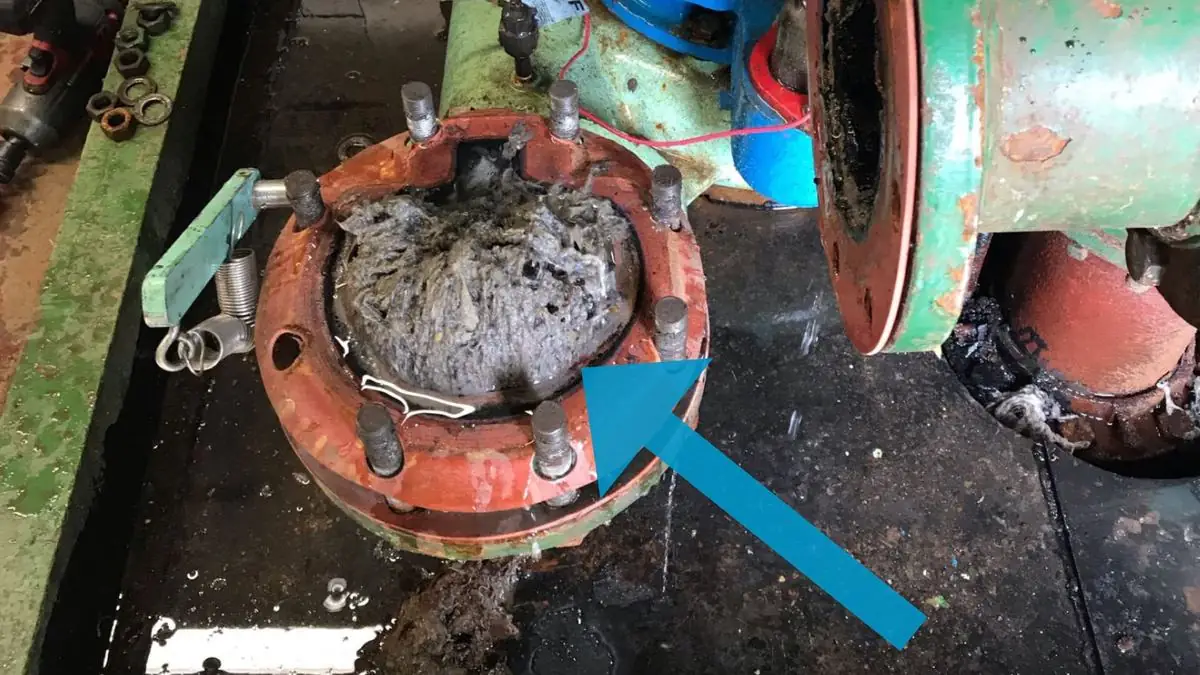
Before you wash up after Thanksgiving dinner, water utilities in Oklahoma City and Pittsburgh have a warning: keep grease out of the sink. Turkey drippings, gravy, oil and butter can harden inside pipes and back up sewers. Both utilities say to let liquid grease cool, pour it into a sealable container, and throw it in the trash. Oklahoma City suggests freezing it first, while Pittsburgh says to keep the jar in the fridge until it's full. A garbage disposal won't help, because it won't break the grease down enough to prevent clogs. Over time, buildup can form dense masses called fatbergs, and sewage can overflow into yards, streets and streams. Wipes are a problem too. Even ones labeled flushable don't break down well, so only toilet paper should be flushed. In Oklahoma City, oil from turkey frying can go to the Household Hazardous Waste Collection Facility.
Key points
- Oklahoma City says to freeze liquid FOG in a lidded container before putting it in the trash.
- Turkey fryer oil can go to Oklahoma City's Household Hazardous Waste Collection Facility, closed November 26 to 29.
- Flushable wipes do not break down well and can clog sewer mains, Oklahoma City says.
- Pittsburgh Water crews will answer sewer emergencies on November 26 and 27.
Thanksgiving grease poured down the kitchen sink can harden inside pipes and back up sewers, two US water utilities warn. The Oklahoma City Utilities Department and Pittsburgh Water want turkey drippings, gravy, oil and butter kept out of drains this week.
Their advice is similar: put it in a container and throw it in the trash. Neither utility counts on the garbage disposal to handle it.
What counts as FOG
Utilities call it FOG, short for fats, oils and grease. Oklahoma City lists butter, shortening, margarine, meat trimmings and poultry skin. Cheese, milk, cream, sour cream, cooking oils, salad dressing, gravy and mayonnaise are on it too.
Pittsburgh Water's list also includes peanut butter and other high-fat spreads, sauces, lard and coffee grounds. Oklahoma City also wants pie crusts, celery and onion, carrot and potato peels kept out of the sink.
April Kyle is the wastewater quality treatment supervisor for Oklahoma City. "Holiday recipes often call for more butter, oils, gravies, fats and foods considered FOG," she said in the city's November 18 announcement.
How a clog builds up
When FOG goes down a drain, it hardens inside household pipes and public sewers and restricts the flow of wastewater. Over time it can build into dense, solid masses known as fatbergs, Pittsburgh Water explains.
"Fats, oils and grease build up over time, slowly accumulating inside pipes until it is too late," Kyle said. With many holiday dishes going down kitchen drains at once, she added, sewer service lines can back up quickly.
The damage does not stop at the house. If buildup gets bad enough, Pittsburgh Water says, sewage can overflow into yards, streets, parks and storm drains. That exposes people to health hazards and contaminates streams and rivers.
Clearing those clogs is also dangerous for utility workers and a public expense, the Pittsburgh utility adds. Oklahoma City says hardened FOG creates costly repairs for homeowners and for the city.
What to do instead
Oklahoma City asks residents to pour liquid FOG into a container with a lid. That includes turkey drippings, gravy, cooking oil and melted butter. The city's tip is to freeze it until solid and then put it in the trash.
Pittsburgh Water's version has three steps: cool it, can it and trash it. Let the grease cool to a safe temperature and pour it into a sealable jar or can. Keep the container in the refrigerator until it is full, then throw it away.
Both utilities say to wipe grease off pans and dishes with a paper towel and put the towel in the trash. Oklahoma City says to do it before washing. Food scraps go in the trash or the compost, and Oklahoma City names vegetable peelings and poultry skin.
The garbage disposal is not a shortcut, since the average kitchen unit "won't break it down enough to prevent clogs," Kyle said. Pittsburgh Water also tells customers never to put FOG down sinks with a disposal.
Oil from a turkey fryer
Frying a turkey outdoors leaves a lot of oil. In Oklahoma City, large amounts of grease can go to a city drop-off site. That includes oil from turkey frying, which is accepted at the Household Hazardous Waste Collection Facility, 1621 South Portland Avenue.
The facility is normally open Tuesday through Friday from 9:30 a.m. to 6 p.m. On Saturdays it opens from 8:30 to 11:30 a.m. It will be closed from November 26 to 29.
Guests also mean more wipes
More visitors can also mean more wipes in the bathroom. Kyle called hygiene and sanitary wipes one of the biggest problems for municipal sewer systems.
Even wipes marketed as flushable "don't break down well," she said, and can clog customer service lines and the city's sewer mains and filters. Pittsburgh Water says wipes are made stronger than toilet paper, and that wipes combined with grease form fatbergs. Both say toilet paper is the only product that should be flushed.
Oklahoma City's wastewater team treats more than 60 million gallons of wastewater a day for over a million people, according to the city. What goes down a household drain ends up at one of its four treatment plants. The treated water is then discharged into local waterways.
In Pittsburgh, dispatchers and operations crews will respond to water and sewer emergencies on Thursday, November 26, and Friday, November 27. Its Defend Your Drains page lists what should never be flushed.
The Oklahoma City Utilities Department published Don't let FOG clogs create a costly holiday plumbing mess on November 18, 2026. Pittsburgh Water's tips are in its newsletter Water Wise: Protect Your Drains This Holiday Season.
Photo: Pittsburgh Water
Glossary for this story
- Composting
- Turning organic scraps, such as food and yard waste, into natural fertilizer.
Adrián Villellas
Writer at ECOnewsAdrián Villellas is a computer engineer and entrepreneur in the fields of digital marketing and advertising technology. He has led projects in data analysis, sustainable advertising, and solutions for new audiences. He also contributes to scientific initiatives related to astronomy and space observation. He writes for science, technology, and environmental media outlets, where he makes complex topics and innovative advances accessible to a broad audience.
More from Adrián VillellasComments · 0
Rules ›No comments yet. Be the first to share your view.