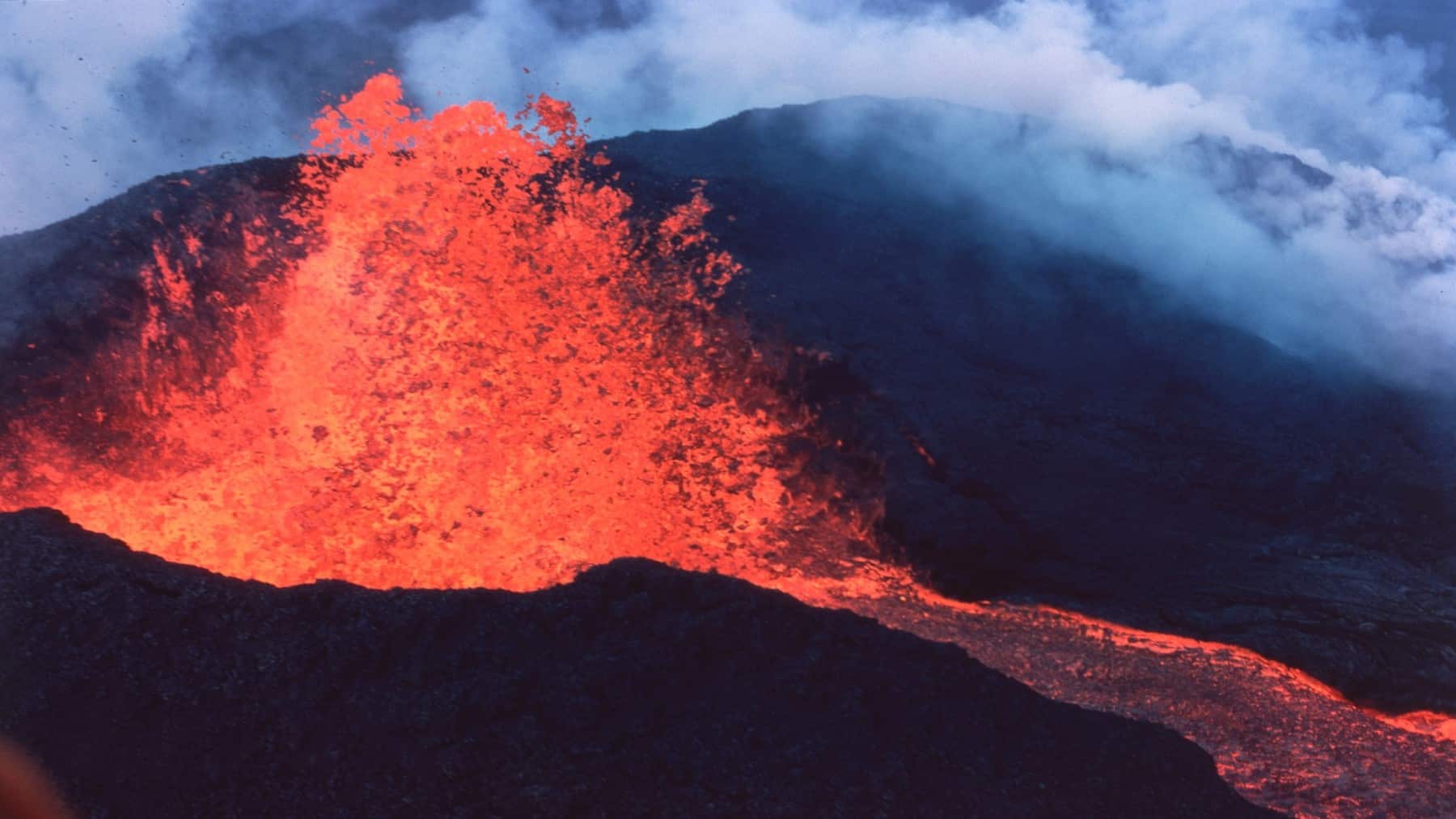
Mauna Loa is the largest active volcano in the world, which exceeds every peak in the Hawaiian topography as a constant gauge of untamed natural strength. This supervolcano reaches a height of 4,170 meters above sea level, potentially destroying both human residents and their surrounding environment. Scientists currently examine volcanic eruption forecasting at Mauna Loa, which provides communities with vital months-long preparation time. A detailed analysis of Mauna Loa follows, alongside its possible eruption outcomes.
Mount Everest becomes smaller when compared to Mauna Loa
Mauna Loa is a massive formation that continues beneath ocean waters. Its underwater length reaches 5,000 meters below sea level when its mountaintop rises 4,170 meters above sea level. From the ocean floor elevation to the summit point, Mauna Loa rises to 17,170 meters, therefore surpassing the height of Mount Everest in a complete elevation measurement.
The enormous size of Mauna Loa demonstrates the significant geological powers that control its structure. Eight thousand meters of subsurface ocean floor exist beneath the immense weight of Mauna Loa, which formed an inverted conical structure beneath the seafloor. The depth beneath the ocean enhances the total height of Mauna Loa through its unique formation. The extent of this supervolcano demonstrates the possibility of substantial geological events to occur in the future.
Scientists have disclosed a novel method to warn about impending volcanic eruptions
Volcanological research developments now enable scientists to better estimate Mauna Loa volcanic eruptions. Studies of erupted lava crystals in 2022 exposed a previously unknown volcanic magma chamber within Mauna Loa. Researchers discovered this breakthrough, which enables extended forecasting of volcanic eruptions from minutes into months, thus providing better opportunities for disaster preparedness.
US Geological Survey’s Hawaiian Volcano Observatory member Kendra Lynn emphasizes the significance of this discovery. The newly discovered information might prove essential for reducing the effects of eruption events in the future. Scientists produce advanced modelling versions that both improve forecasting precision and reaction plans.
The earth’s surface acquired unique features following previous volcanic eruptions throughout Hawaii.
The eruption records from historical events serve as essential information that improves modern response strategies. Interpreting how lava flows through terrain gives scientists tools to create better predictive models for upcoming volcanic behaviours. Every volcanic eruption produces scientific data that improves emergency planning and response techniques. Forecasting and controlling future risks depends heavily on the observation of previous events.
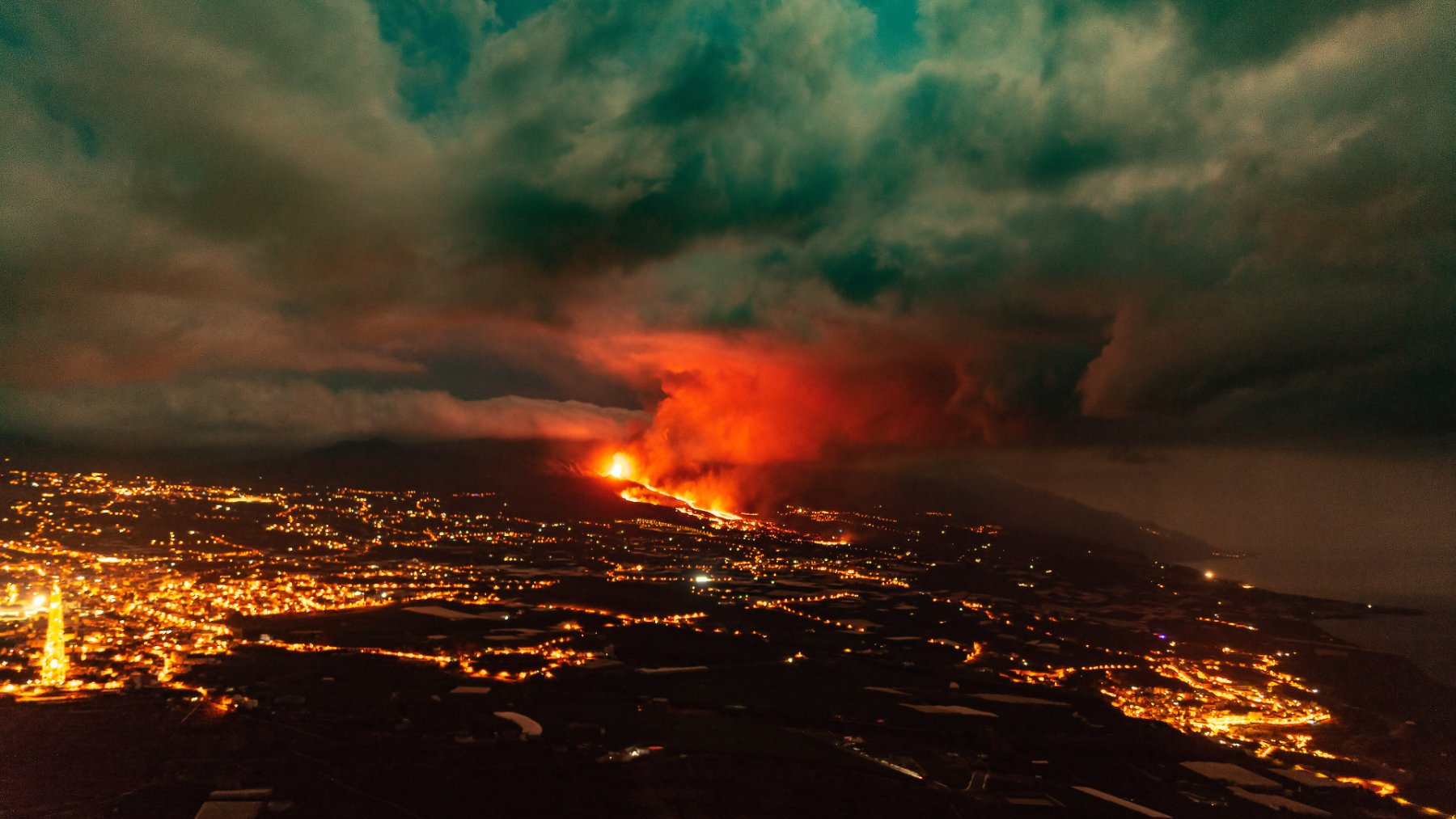
The extensive volcanic activities of Mauna Loa leading to a major eruption would generate extensive impacts that would affect regional areas as well as worldwide systems. Lava flows together with volcanic ash and dangerous gases from the volcano, which present the primary dangers that severely damage local infrastructure while putting resident health at risk. Protective economic zones run the risk of experiencing major financial troubles due to their effects on the tourism sector, agricultural activities, and basic living needs.
An eminent volcanic event creates global temperature modifications according to the following process.
The worldwide outcomes would lead to modifications in climate patterns. When big volcanic eruptions take place, the atmosphere receives large amounts of ash together with sulfur dioxide, causing brief worldwide cooling effects through sunlight blocking. Volcanic winter occurs during these events, altering climate patterns worldwide and disrupting agriculture throughout the planet. The extensive consequences of Mauna Loa events require international attention because of their impact on worldwide regions.
Due to the threat of a major volcanic eruption, any preparation work will prove essential. Various authorities, both within Hawaii and across other regions, work to create thorough response blueprints. The response plans cover two main areas: warning systems and evacuation roads, with educational initiatives to increase community knowledge about dangers and crisis actions.
Authorities take steps to issue warnings that save lives, which is what they currently perform.
The success in predicting volcanic eruptions several months in advance constitutes a vital breakthrough when preparing for such events. Communities can implement vital protective measures in advance when given extra preparation time. Proactive measures that need to be taken immediately are essential to controlling future eruption impacts. The best safeguard against Mother Nature’s unpredictable conditions exists when people are prepared.
Natural hazards teach valuable lessons about the powerful unpredictability and destructive elements found in nature through Mauna Loa. The ability to forecast volcanic eruptions with improved emergency planning schemes is an effective strategy to protect against their destructive potential. Our ability to prepare better for inevitable events improves when we understand Mauna Loa’s massive dimension alongside eruption prediction opportunities and recorded and impending effects. The ongoing scientific investigation of this supervolcano brings us closer to protecting population safety in its danger zone.