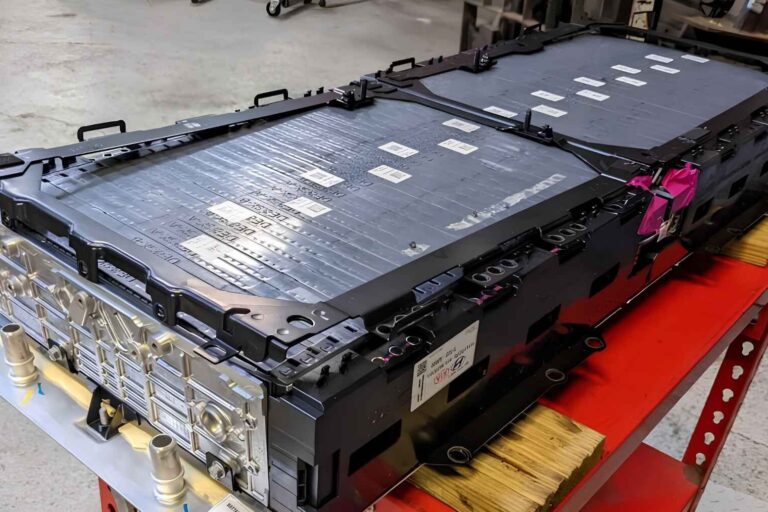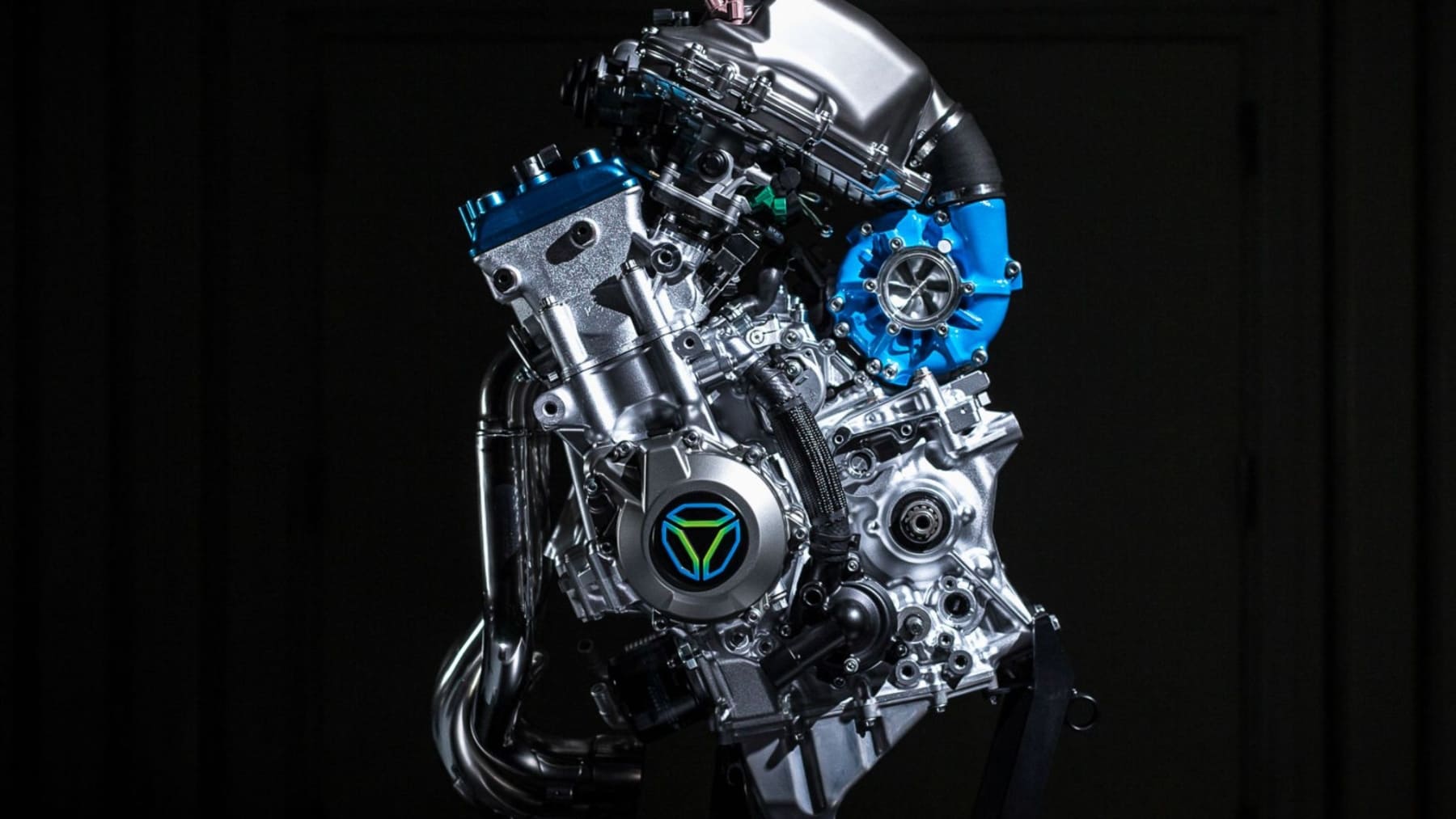
The environmentally sustainable, yet functional and cost-effective engine has been the Holy Grail of manufacturers for decades. The most popular was the one that uses electricity as fuel, but now we bring you the engine of the future that will run on this fuel.
Starting with engines running on 25 % hydrogen concentration
Norway, through the researcher, developer and manufacturer of engines for land and marine vehicles Bergen Engines, has revealed that its supply of natural gas-powered machines is already capable of operating on a mixture that includes 25% hydrogen. This is at full load.
This is a very important step towards building machines that are more energy efficient and cleaner. It should be noted that this new range is based on the commercialisation of a 15 % hydrogen blend, which made its appearance during 2022.
Now Norway goes for machinery that will use 100 % pure hydrogen as fuel
Bergen Engines claims to be the first manufacturer with a fully functional and tested machine operating on a 40 % hydrogen blend. Field tests were completed in 2023 and were carried out in Cáseda, a town in Spain.
Viscofan assisted in these tests. This is well on the way to building the ideal engine: one that uses 100 % hydrogen fuel. Studies carried out by the company show that hydrogen has some advantages when combined with natural gas.
And it is used as a fuel in machines classified as “medium speed”. Among them is that it produces very low greenhouse gas emissions, as well as very high performance and efficiency. It is a substantial improvement in a smooth energy transition process.
The construction of the machine running on a 100 % hydrogen fuel mix is expected to be completed in the last months of this year. This will be followed by tests on functionality, performance, durability, cost-effectiveness and other aspects.
In contrast to other countries, Norway is opting for a hydrogen internal combustion engine by injecting the gas directly into the cylinder. This saves the energy lost and reduces performance, compared to injection into a combustion antechamber as is traditional.
The lost power is added to the useful power generated by the machine. This performance increases with increasing power, speed and load requirements until it reaches its maximum values. It also does not require downstream catalytic converters to eliminate emissions.
One of the main challenges in manufacturing this engine relates to its size and weight, as hydrogen, being a high-pressure gas, requires a more robust structure and more tightly sealed joints to prevent accidental leaks.
What other environmentally friendly alternative fuels could be used?
In addition to developing machines that run on 100 % hydrogen by volume, Norway is also considering the use of other environmentally friendly fuels. These include ammonia and methane, thus expanding its offer of environmentally friendly solutions.
Established an industrial alliance with FME Mar Trans. The purpose of the partnership is to work together in the purely maritime sector to reduce CO2 emissions and energy consumption, as well as to promote the use of environmentally friendly alternative fuels such as hydrogen.
In conclusion, Norway with the company Bergen Engines surprises the world with the development of the engine of the future that does not use electricity as fuel, but 100% pure hydrogen. In fact, it is a pioneer in achieving this goal and will probably be available by the middle of next year.