Scientists discovered a natural nuclear reactor inside an African territory two billion years ago. This natural occurrence, which scientists call the Oklo reactor, made geological and atomic aspects of Earth’s history accessible. Researchers studied the importance and scientific value of the Oklo nuclear facility, which was discovered during investigations.
Scientists gained shocking proof of natural nuclear fission when they made this discovery.
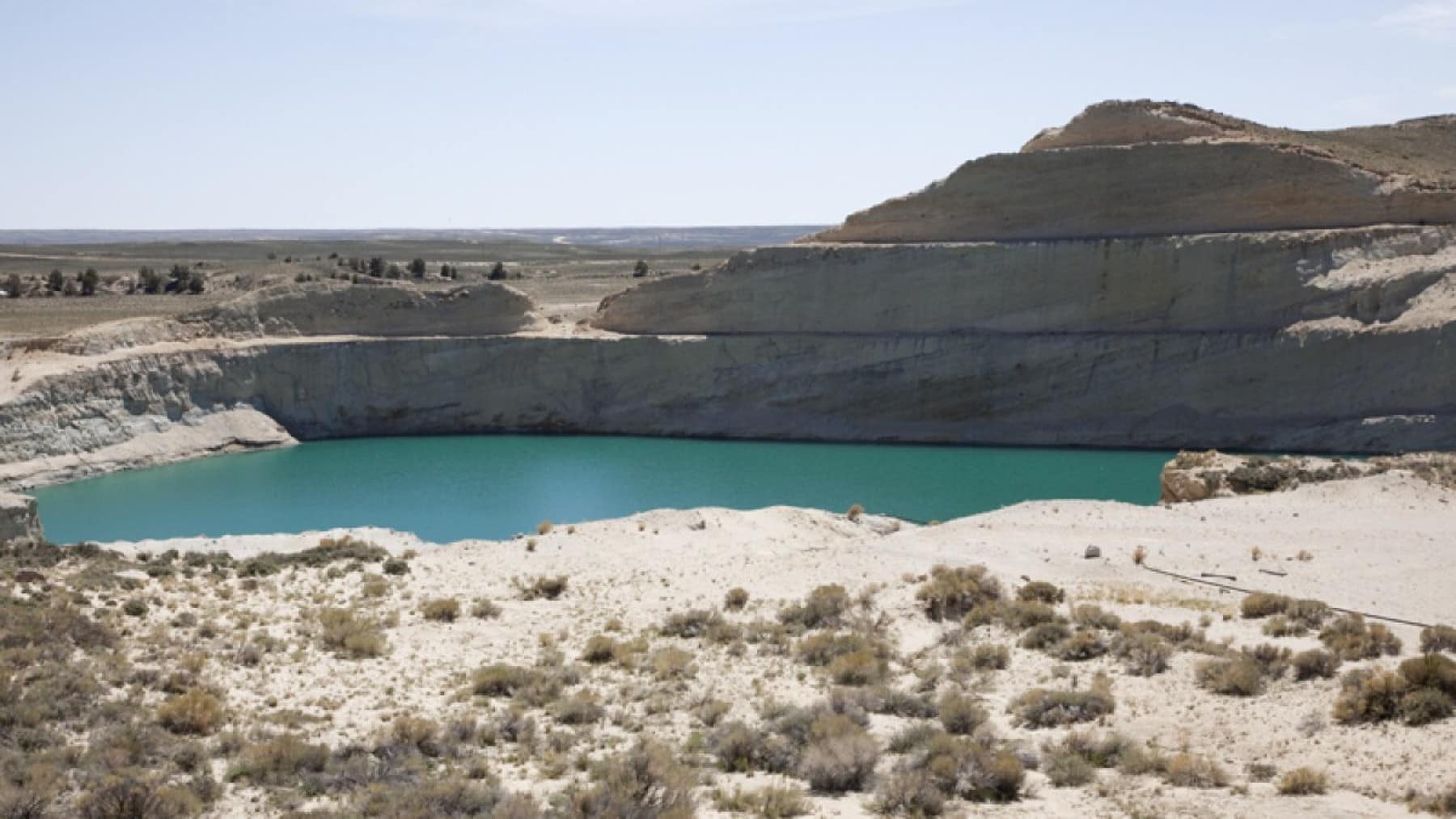
Researchers found the Oklo natural nuclear reactor inside the Oklo region of Gabon, which lies in West Africa, in 1972. During uranium ore analysis in France, scientists observed a strange reduction in the nuclear reactor essential uranium-235. Scientists discovered this anomaly because it demonstrated that natural nuclear fission occurred in that region about two billion years ago.
Scientists considered this finding momentous because Earth contained only one naturally occurring nuclear reactor, which scientists discovered. Natural fission requires specific environmental factors, including rich uranium deposits and groundwater, in combination with the correct geological makeup, to support the nuclear chain reaction.
How a nuclear reaction sustained itself for thousands of years
The Oklo natural reactor functioned like present-day reactors, which operated autonomously because no humans participated. Nuclear chain reactions could operate within the region because its uranium-mining location contained sufficient uranium-235. The groundwater functioned as a neutron moderator, reducing neutron velocity to activate and maintain fission events. The natural water level changes in the groundwater controlled the reactor operation through its cycles between on and off states for hundreds of thousands of years.
The heat from fission reactions allowed water in the ground to boil and postpone the reactions momentarily. The region’s cooling alongside groundwater return caused the reaction to begin again. The reactor functioned securely under this natural cycling mechanism, which avoided dangerous hydration or heat conditions.
What this ancient nuclear reactor teaches us about atomic safety
The Oklo reactor is vital in various ways. It is a natural setting to study nuclear fission, giving scientists essential knowledge about nuclear reaction patterns over billions of years. Researching Oklo provides scientists with valuable knowledge about nuclear waste stability through measured containment of reactor products since the beginning of the geologic period.
The Oklo reactor provides additional value because it is a geological site for studying the interactions between nuclear reactions and geological processes. The discoveries at Oklo provide essential knowledge regarding modern nuclear power reactor design and safety standards and geological research about natural nuclear material occurrence.
Research conducted by scientists points to Oklo as a source of insights for future developments in nuclear energy technologies.
Research of the Oklo reactor apparatus provided many essential scientific insights. The reactor’s chemical breakdown products provided scientific information about spontaneous atomic reactions and natural fossil evolution across periods. Research from the Oklo site generates beneficial knowledge to enhance the performance and security of contemporary nuclear reactors and to improve waste management techniques.
Continued research about the Oklo reactor aims to unveil its formation requirements and operational possibilities. Scientists focus on identifying all geological and chemical elements that made the reactor stable for an extended period. The scientific findings have potential applications that extend toward discovering similar planetary nuclear reactors while promoting advancing nuclear technologies.
The Earth’s mystery of nuclear origin will prove instrumental in designing its future development.
The two-billion-year-old natural nuclear reactor located at Oklo demonstrates how the Earth has evolved into its present days as a dynamic and intricate system. Science has studied this million-year-old natural system to understand the processes of nuclear fission, which benefits advancements in modern technological development. Ongoing research on the Oklo reactor system will enhance our understanding of Earth’s geological development and may help shape how society constructs its future nuclear energy programs.
For thousands of years, the Oklo reactor has demonstrated its natural ability to develop and support intricate methods. The scientific study of the Oklo reactor adds both nuclear scientific understanding and demonstrates the complex relationships between geological and chemical processes. Scientists will study the Oklo reactor for future generations because of its enduring inspirational and informative value to their research.