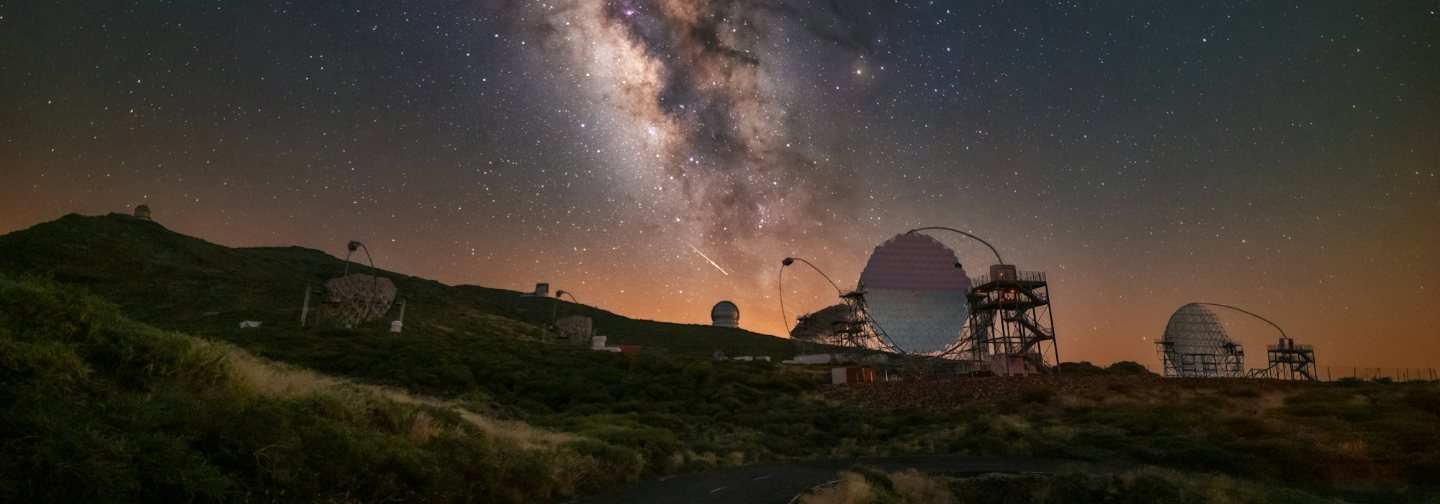
Observatory under the Milky Way at night

Science

Geology, paleontology, physics, space and the natural world

In Science, ECOnews reports on new discoveries in geology, paleontology, physics, space, health and the natural world. We explain the latest studies from universities and labs worldwide in plain language.
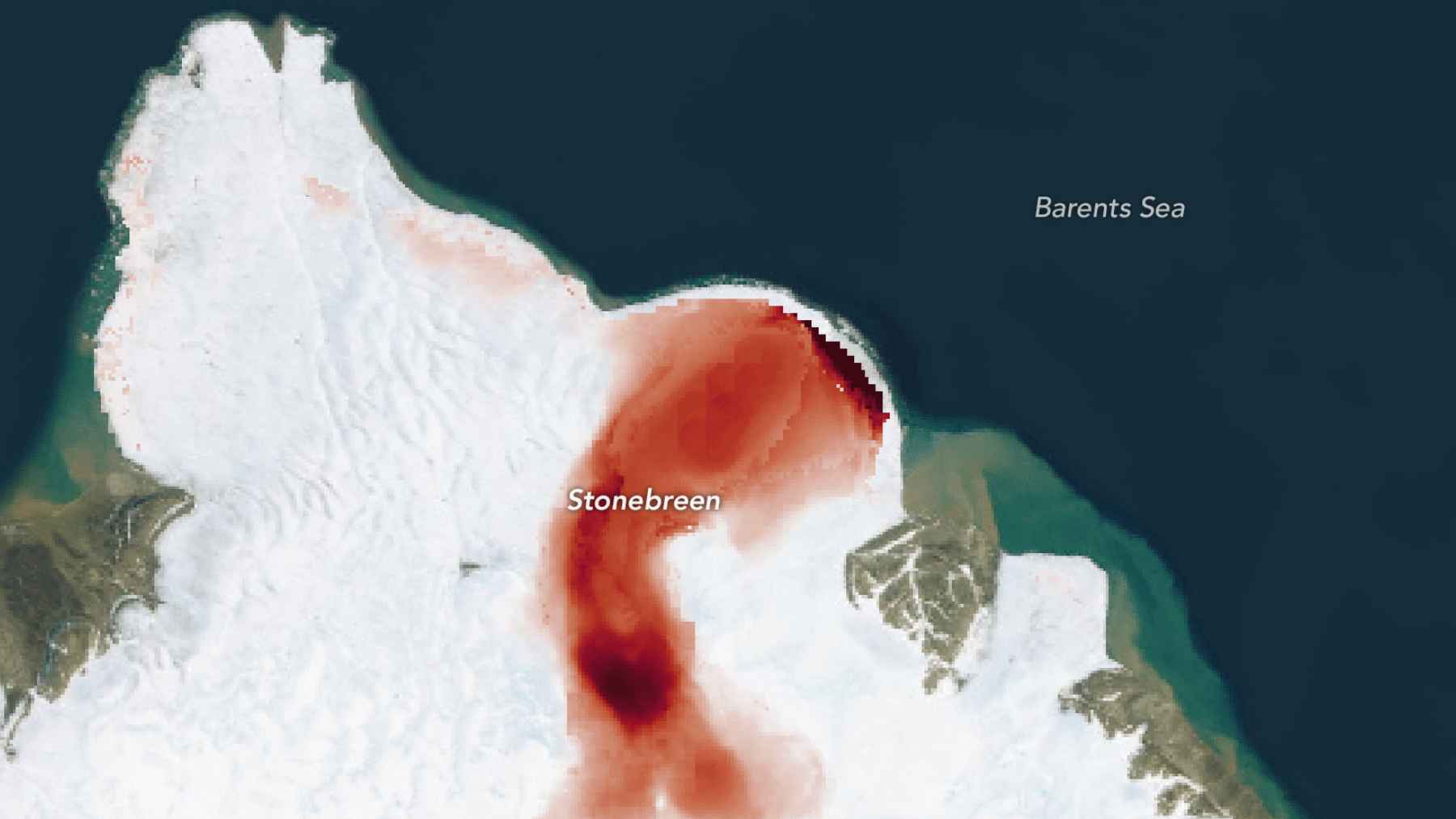
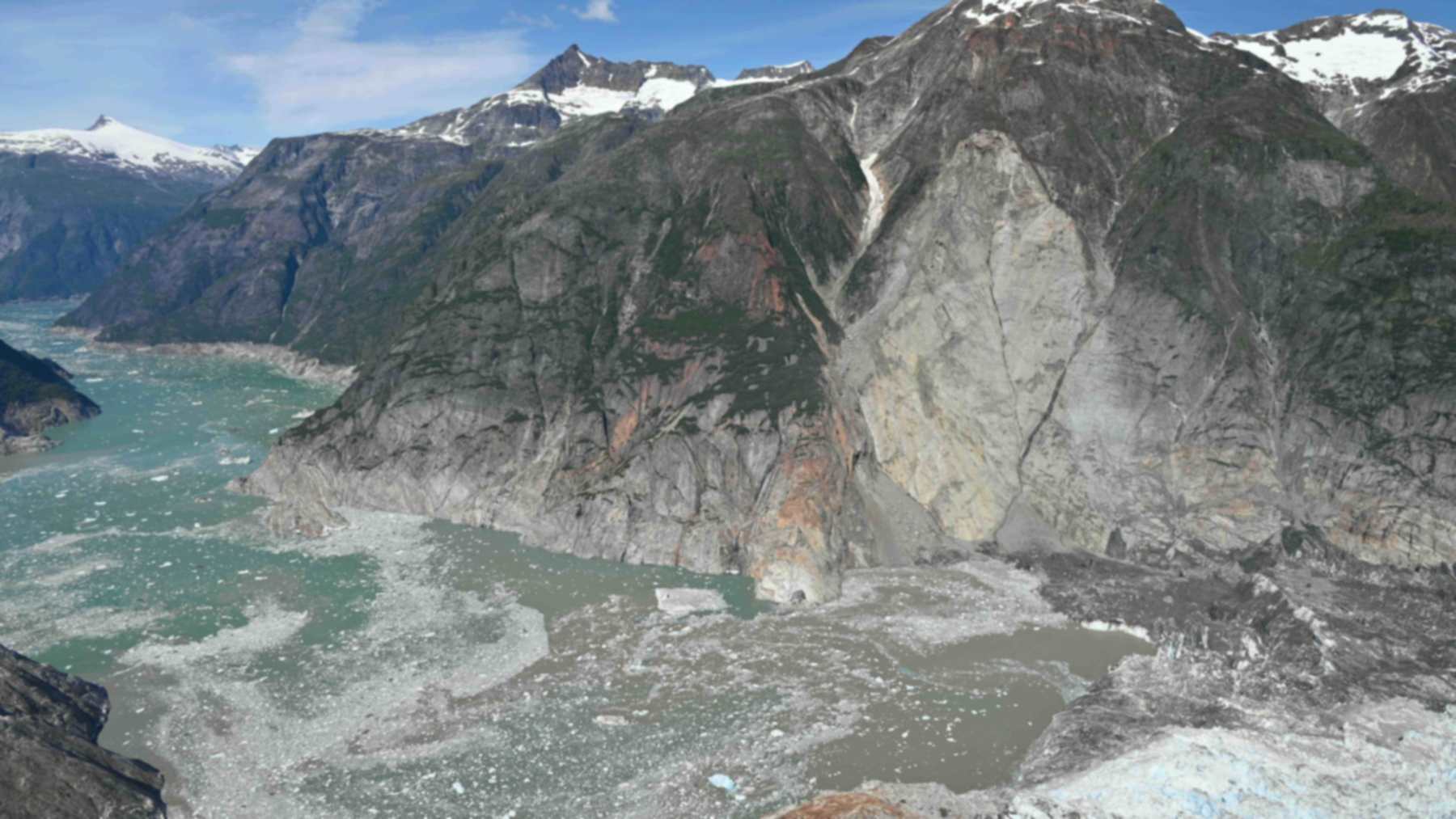
NASA map showing seasonal surface velocity changes on Stonebreen glacier in Svalbard, with red areas marking faster summer flow

NASA shows the Stonebreen glacier in Svalbard “pulsing” in red as its flow speeds up each summer

—
March 21, 2026 at 5:56 AM
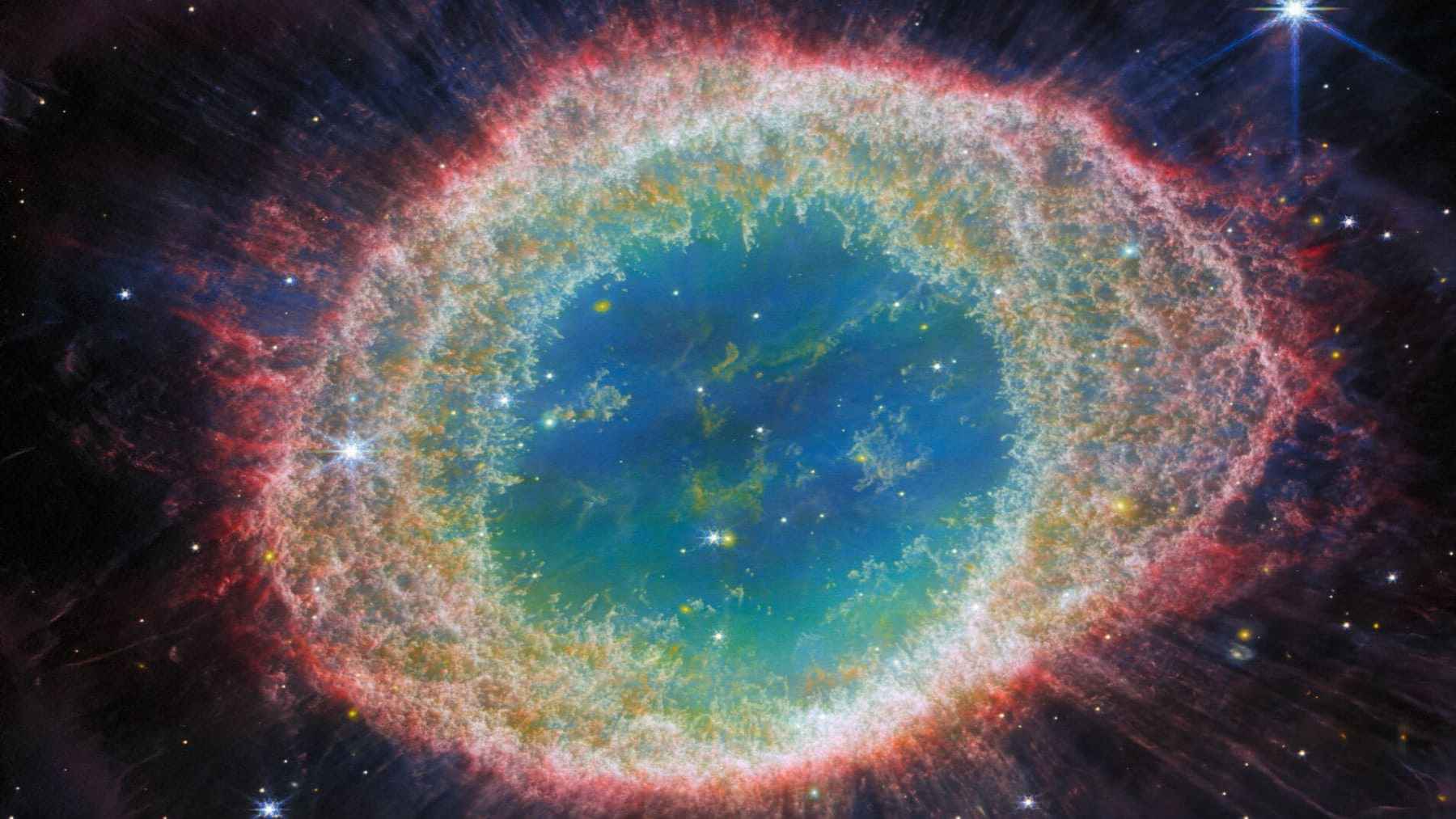
Helix Nebula infrared image by James Webb showing glowing gas rings from a dying Sun-like star

The James Webb Space Telescope points to the “Eye of God,” and what it sees looks like a scene from the future: this is how the Sun could end up in 5 billion years, according to models

—
March 19, 2026 at 3:00 PM
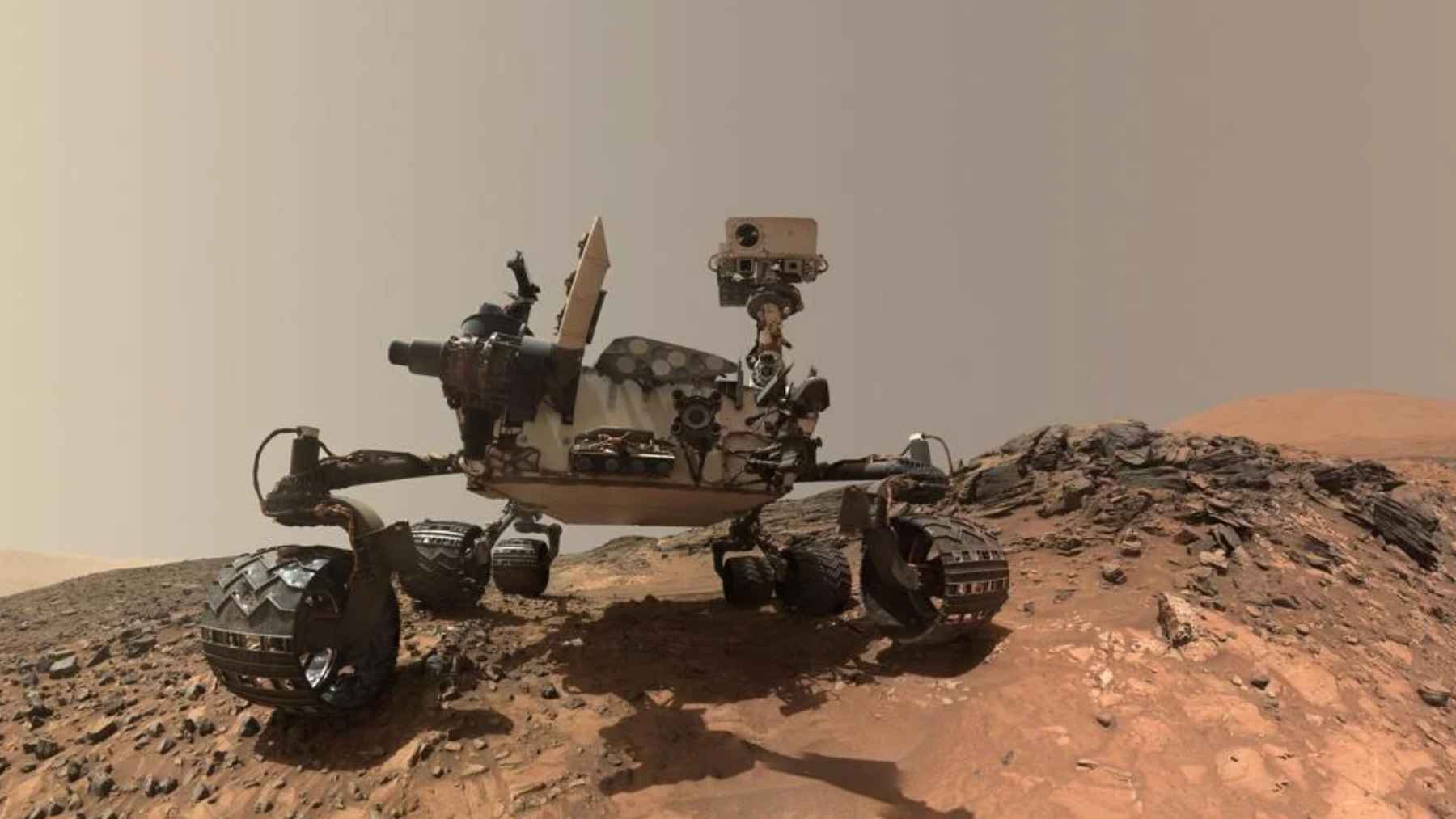
NASA’s Curiosity rover on the surface of Mars, where scientists detected organic molecules in an ancient lakebed sample

A rock drilled by Curiosity in Gale Crater in 2013 is back in the news because it might hold a key clue to ancient life on Mars—and no one expected that from an “old” hole

—
March 19, 2026 at 11:20 AM
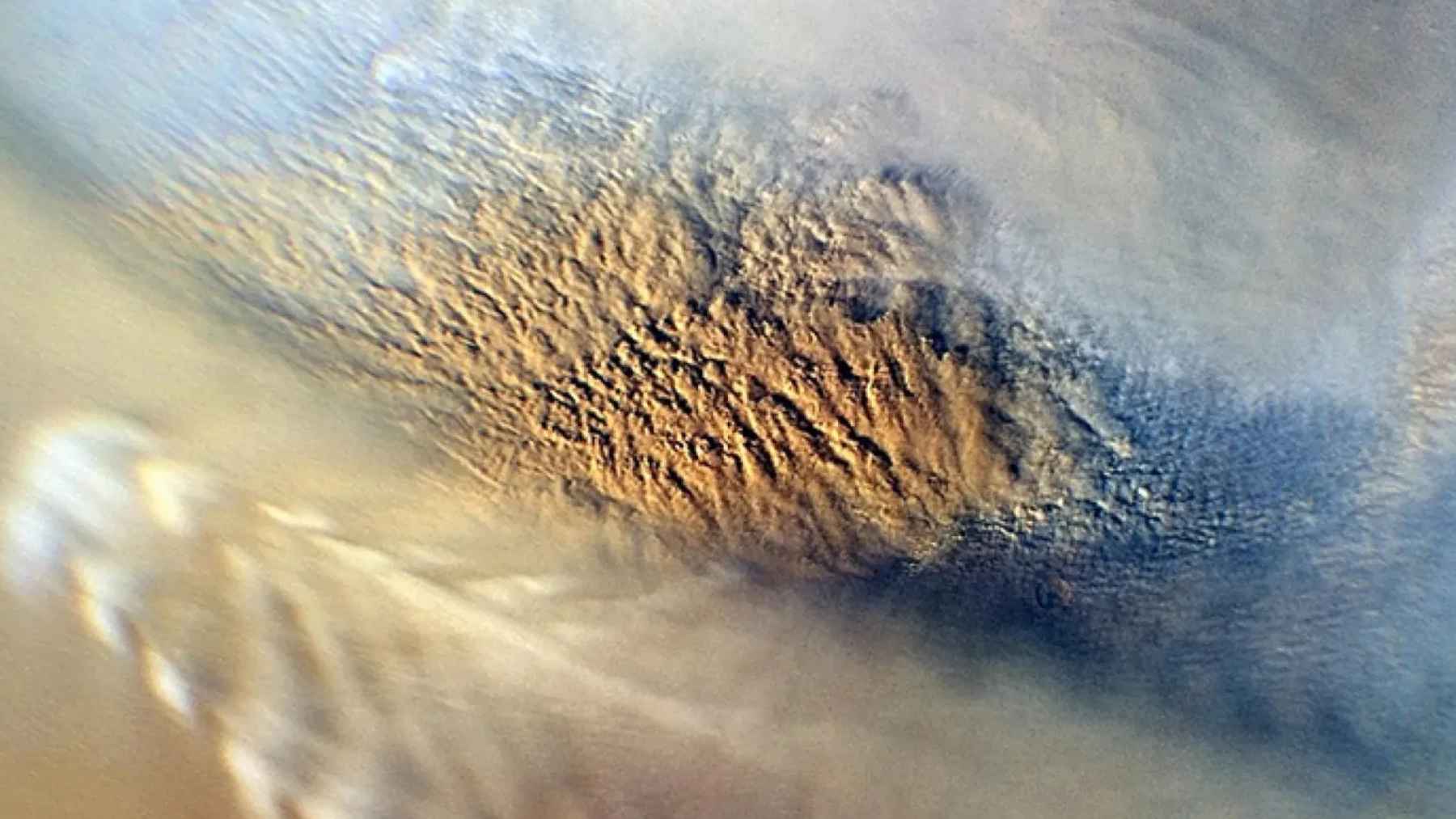
Close-up of Martian surface with dust storm patterns driving electrostatic chemical reactions

Mars is not just dust and cold: a study claims that its atmosphere is becoming a “poison factory” with active chemistry that never stops

—
March 19, 2026 at 10:15 AM
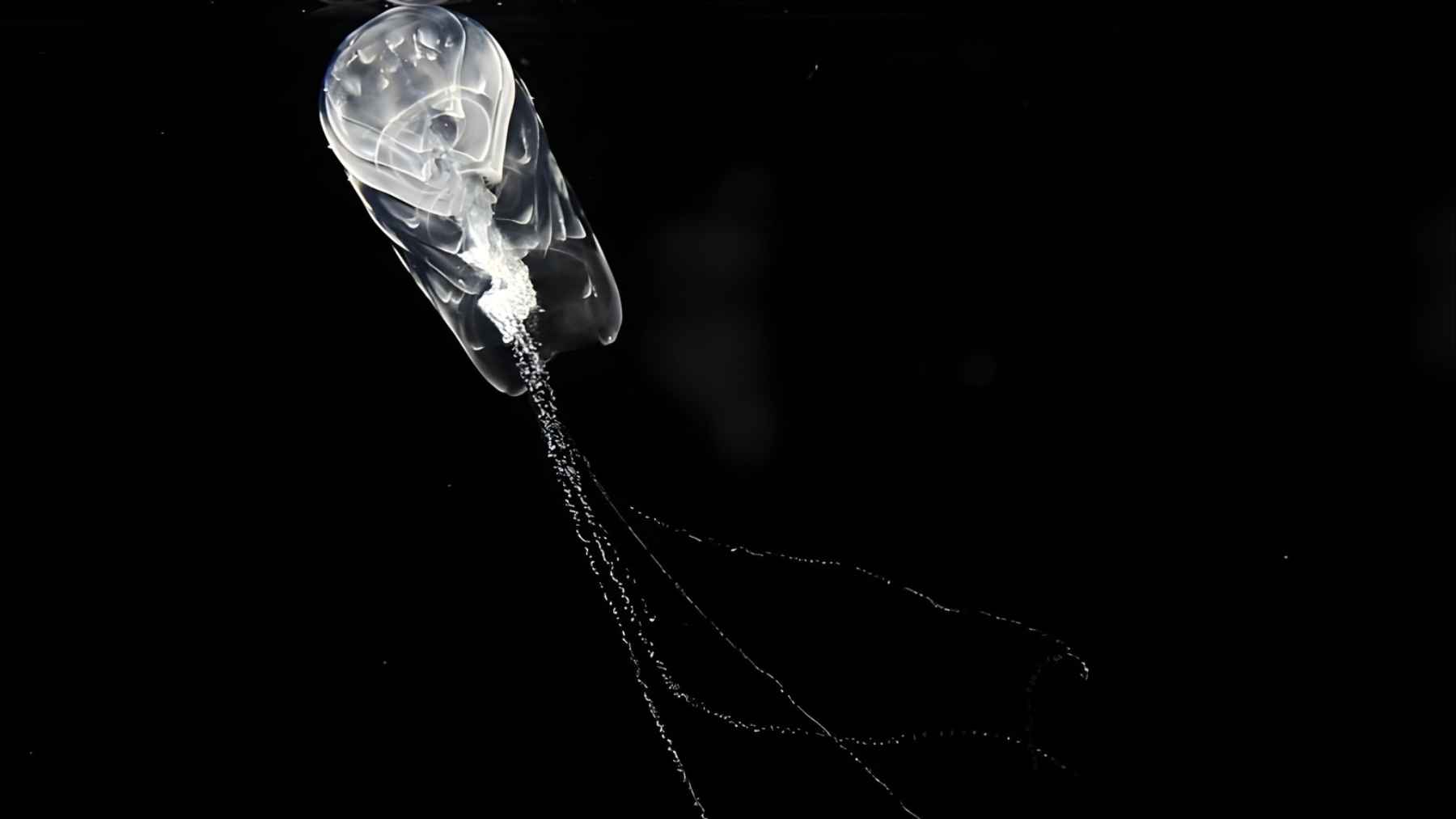
Transparent deep-sea siphonophore drifting in dark water, showing the gelatinous colonial animal filmed at extreme depth

At a depth of 6,000 meters in Australia, a 15-meter-long organism has been discovered, and scientists admit that they have rarely seen anything like it

—
March 19, 2026 at 6:30 AM
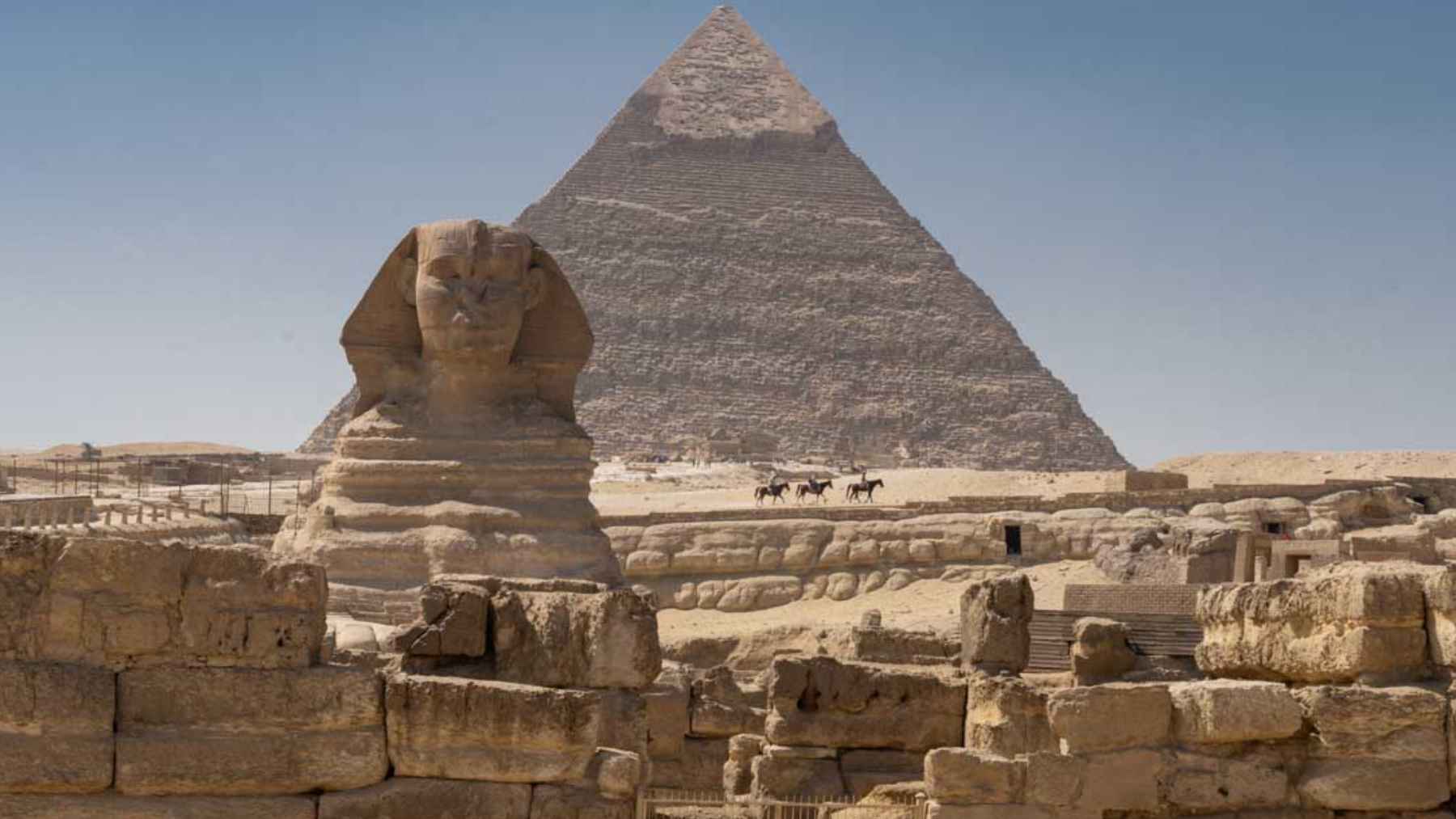
Great Sphinx and Pyramid of Khafre at Giza, Egypt, amid debate over possible underground structures beneath the pyramid complex

A radar claim about hidden chambers beneath the Giza pyramids: why many experts are not convinced

—
March 18, 2026 at 3:35 PM
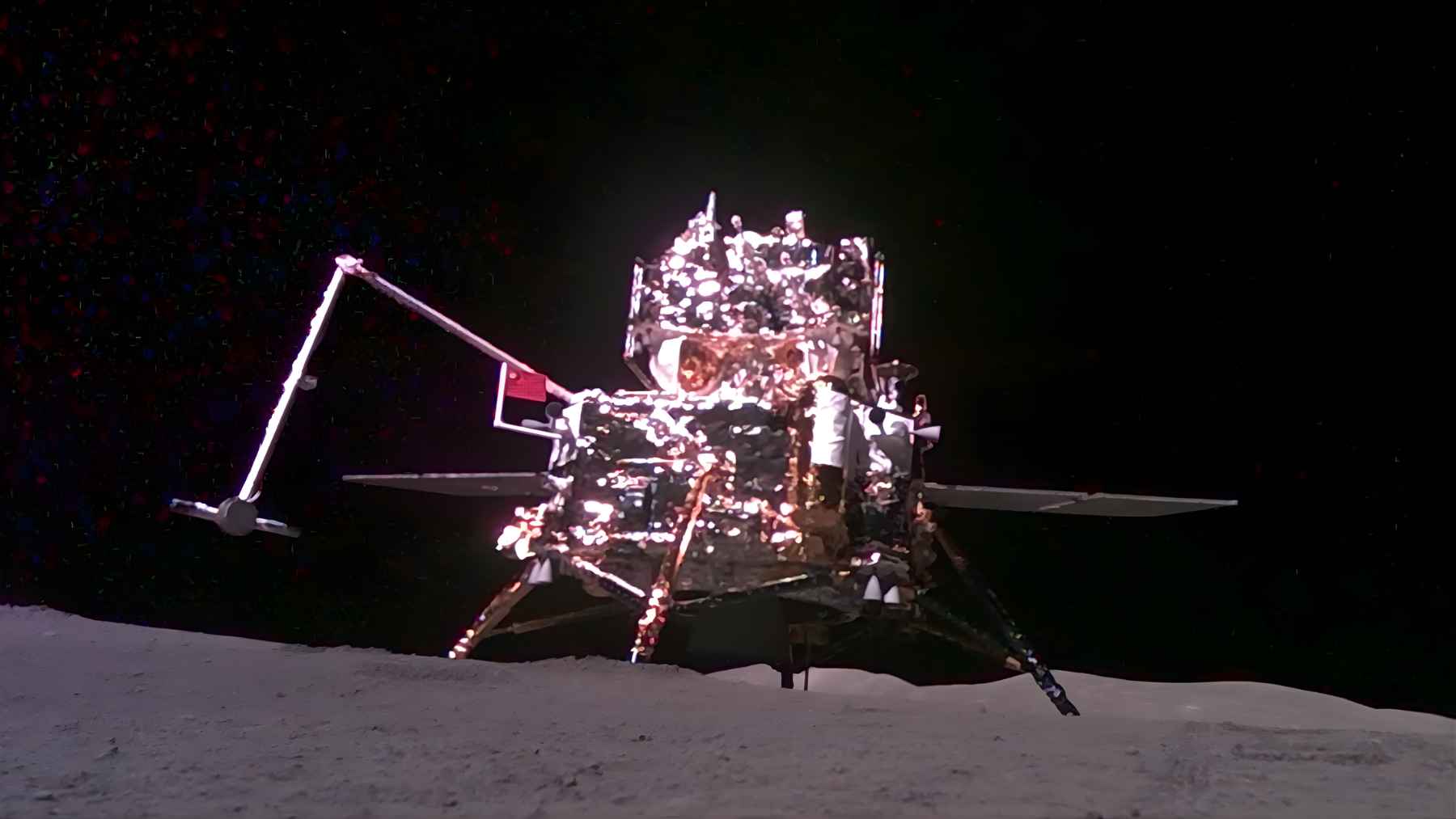
Chinese lunar lander on the Moon’s surface, linked to the Chang’e mission that returned far-side samples revealing natural nanotubes

An “impossible” material appears on the Moon: Chinese scientists identify single-layer atomic nanotubes and confirm for the first time that they can form naturally

—
March 18, 2026 at 3:00 PM
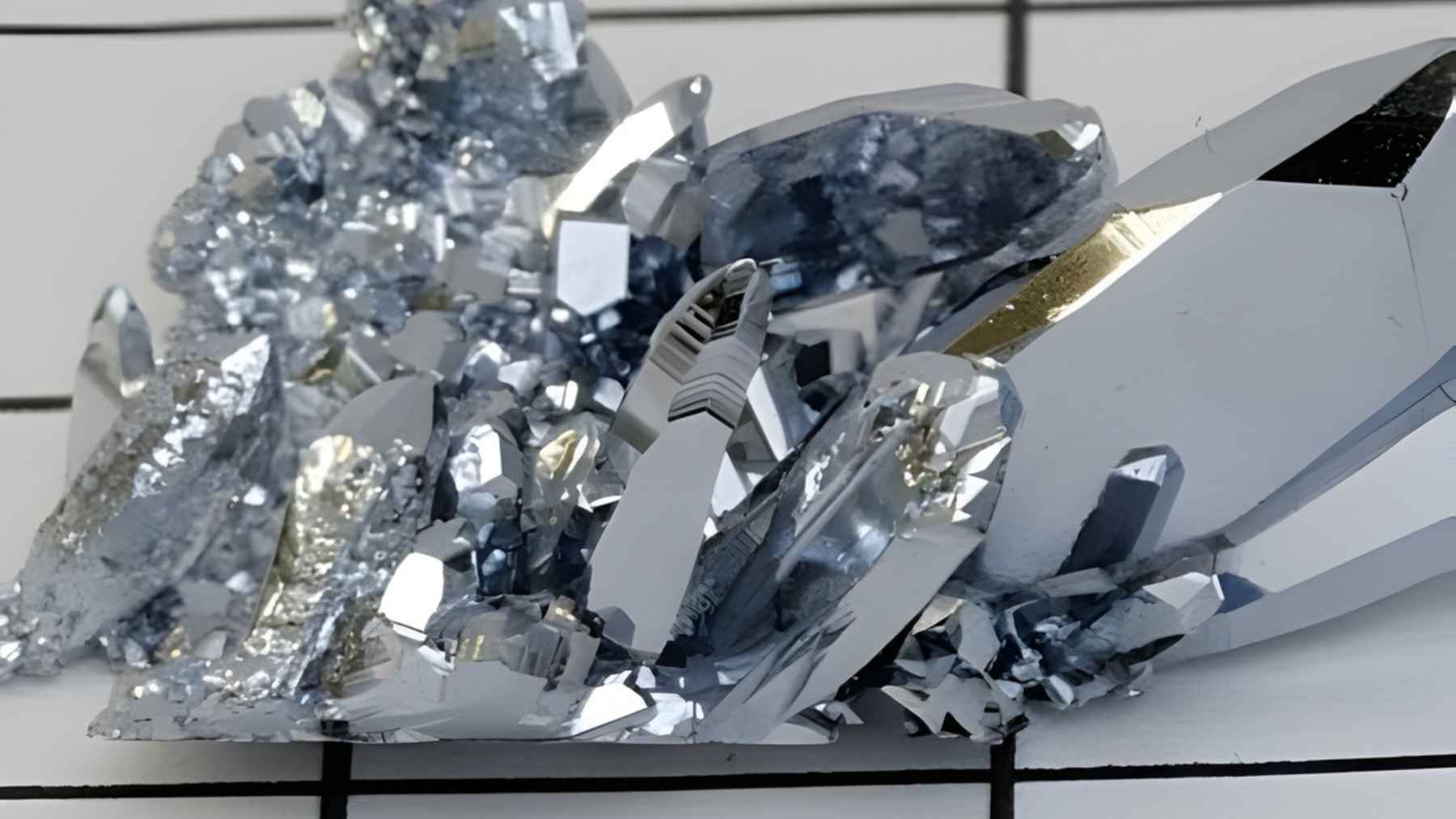
Close-up of metallic californium crystals, the synthetic radioactive material considered one of the most expensive substances on Earth

Californium-252, the most expensive material on Earth at about $27 million per gram

—
March 18, 2026 at 12:30 PM
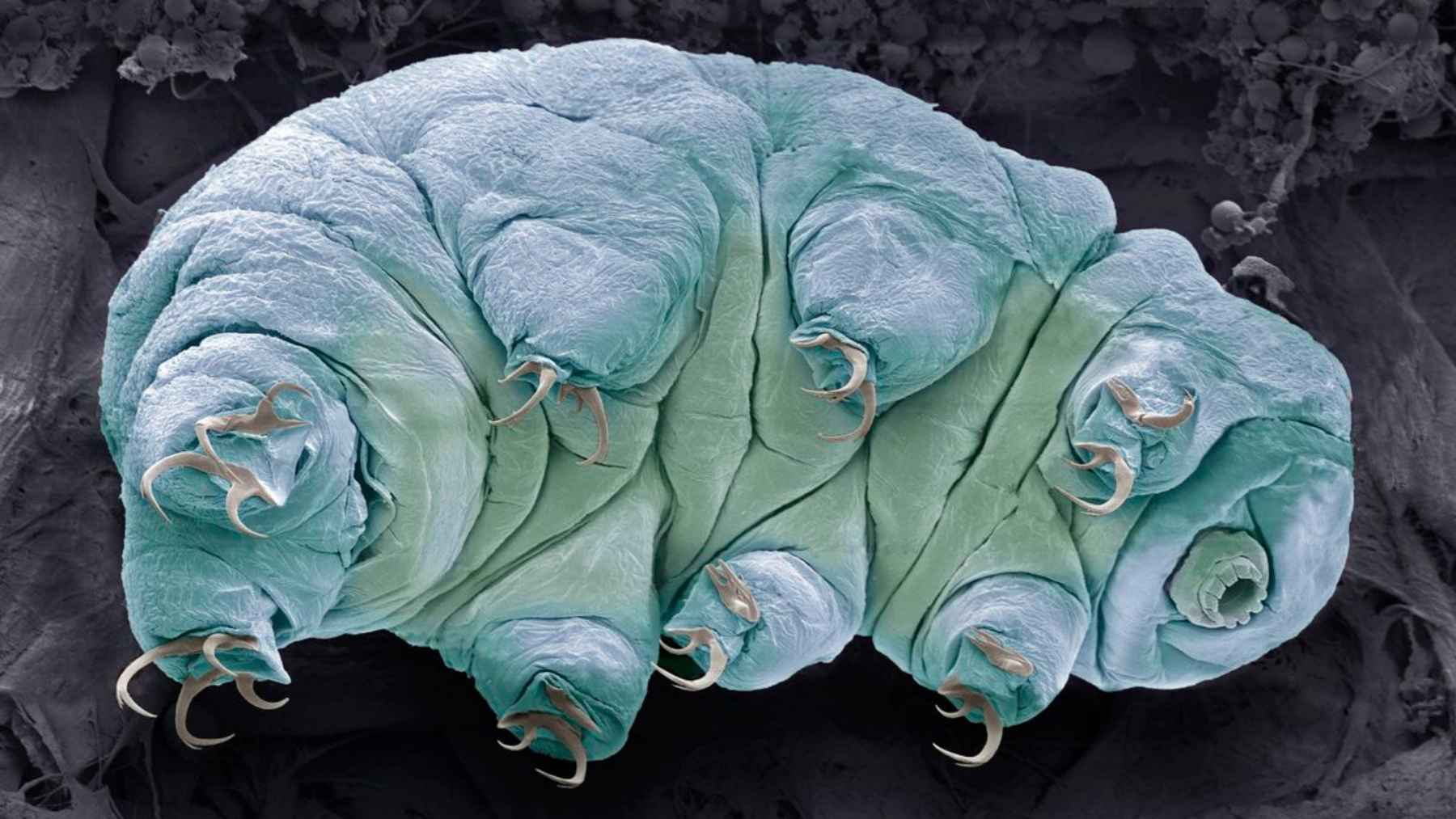
Colorized microscope image of a tardigrade, the tiny animal whose Dsup protein may protect DNA but also harm cells.

They wanted to equip astronauts with the “armor” of a tardigrade, but DNA gave them a resounding NO: the Dsup protein protects, yes, but in return it can kill cells

—
March 17, 2026 at 3:00 PM
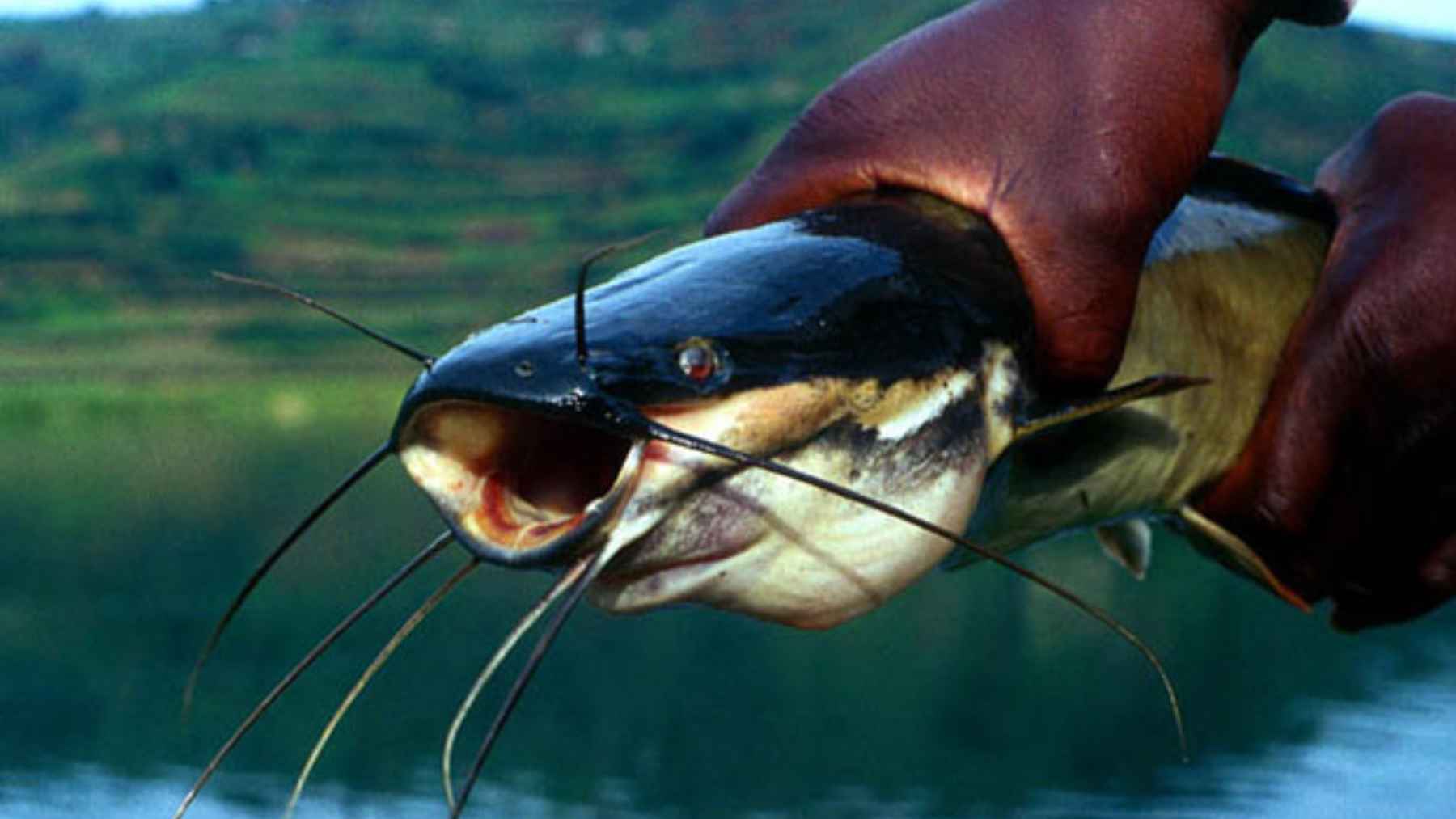
African sharptooth catfish leaving a pond at night and moving across wet ground, recorded by a wildlife camera trap.

A camera trap records a “group” of fish leaving the water at night to walk on land for almost 20 minutes

—
March 16, 2026 at 6:30 AM
Laboratory experiment with bacteriophages used in a NASA study on the International Space Station to observe how viruses evolve in microgravity.

NASA “cultivates” viruses in space and, upon bringing them back to Earth, discovers that they have become more effective

—
March 15, 2026 at 6:30 PM
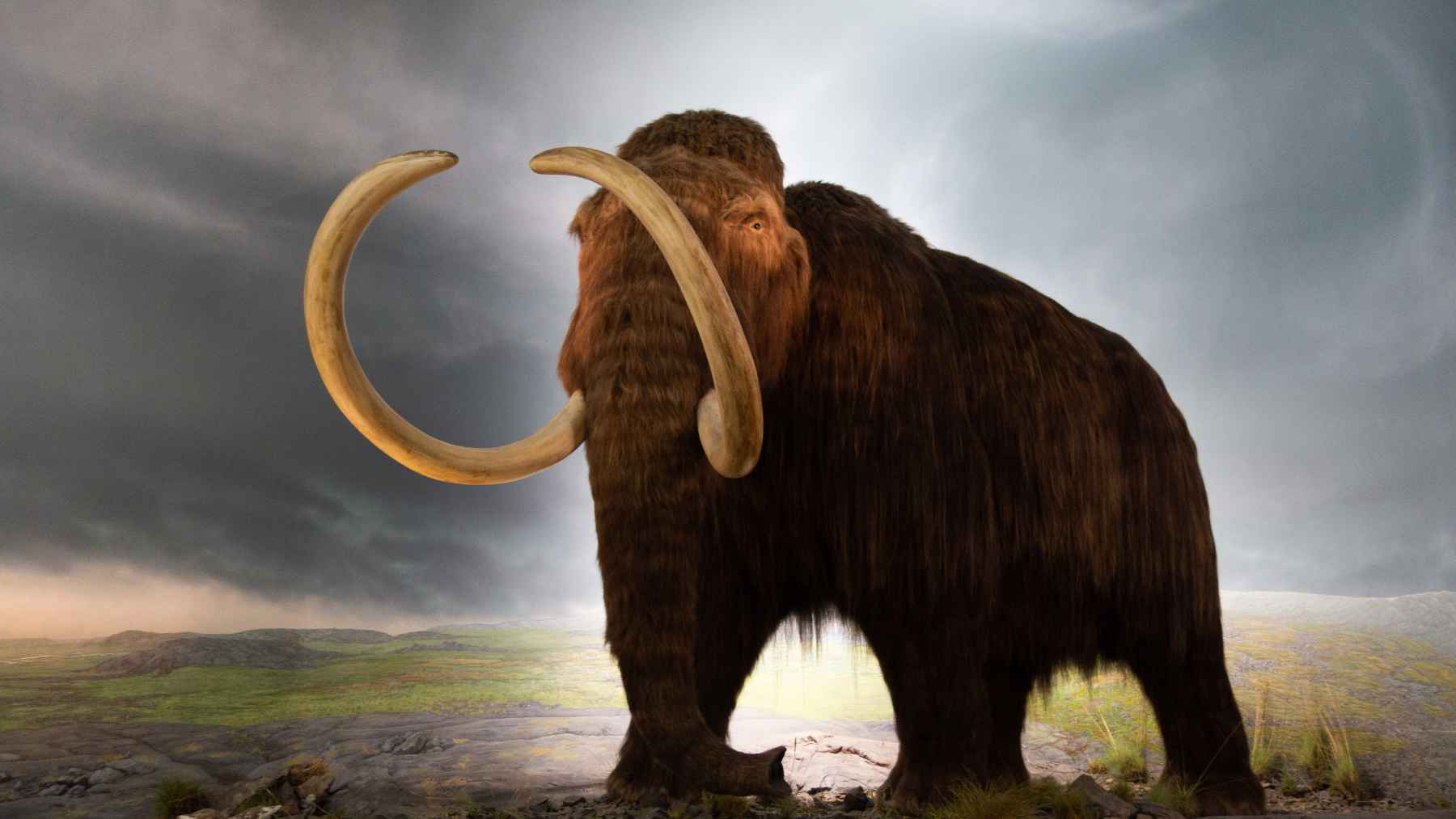
Fossil vertebrae originally labeled as mammoth remains later identified as whale bones in a museum collection in Alaska.

For 70 years, they were believed to be mammoths… but no, they were whales. Two “megafauna” vertebrae in Alaska have been relabeled, and history is changing in 2026

—
March 15, 2026 at 3:00 PM
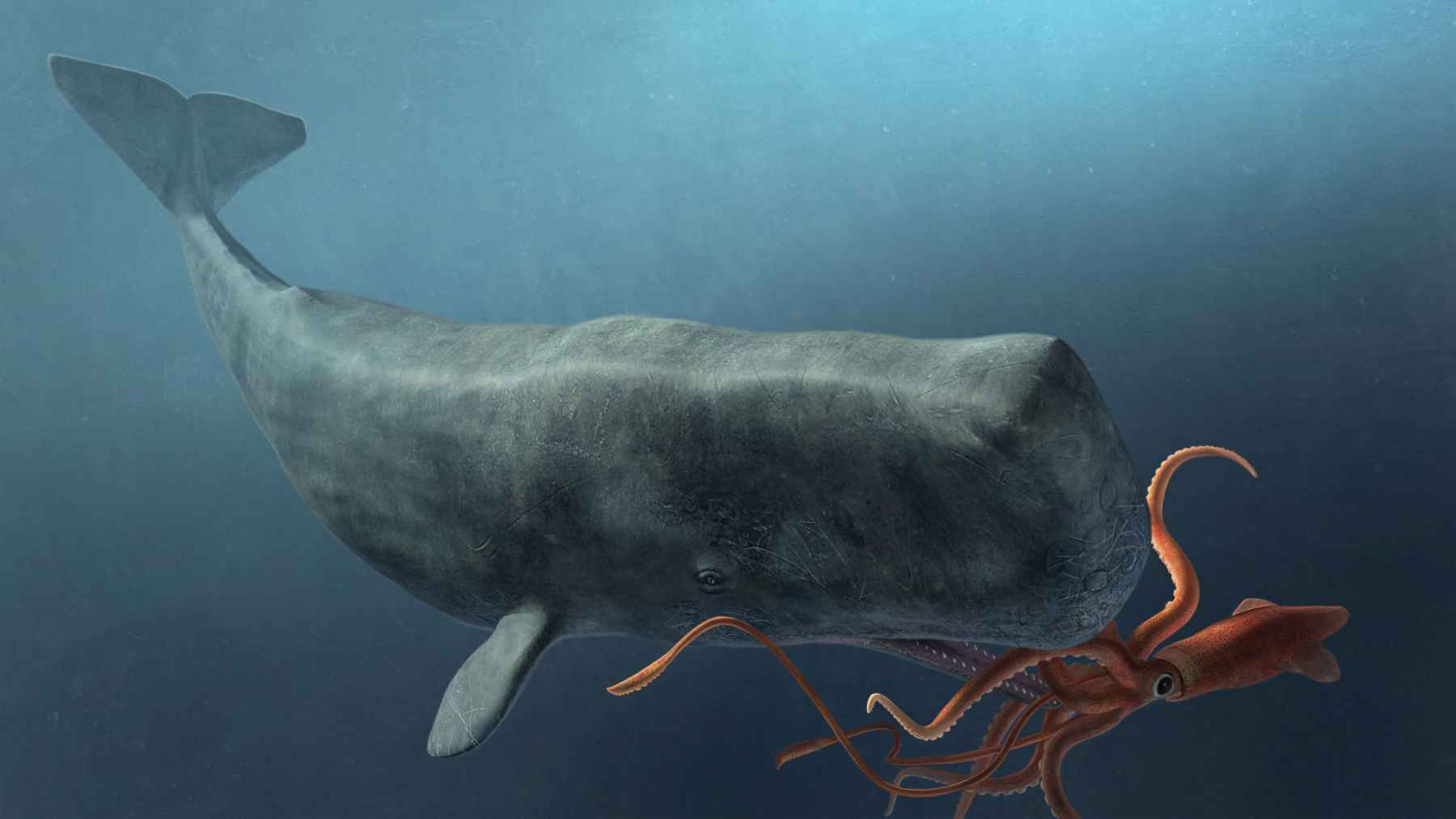
Illustration of a sperm whale confronting a giant squid underwater, showing the deep-sea predator-prey struggle studied by scientists.

The deep ocean once again looks like something out of a movie, with sperm whales and giant squids locked in an evolutionary “war” that has lasted millions of years, and the scars give it away

—
March 14, 2026 at 5:00 PM
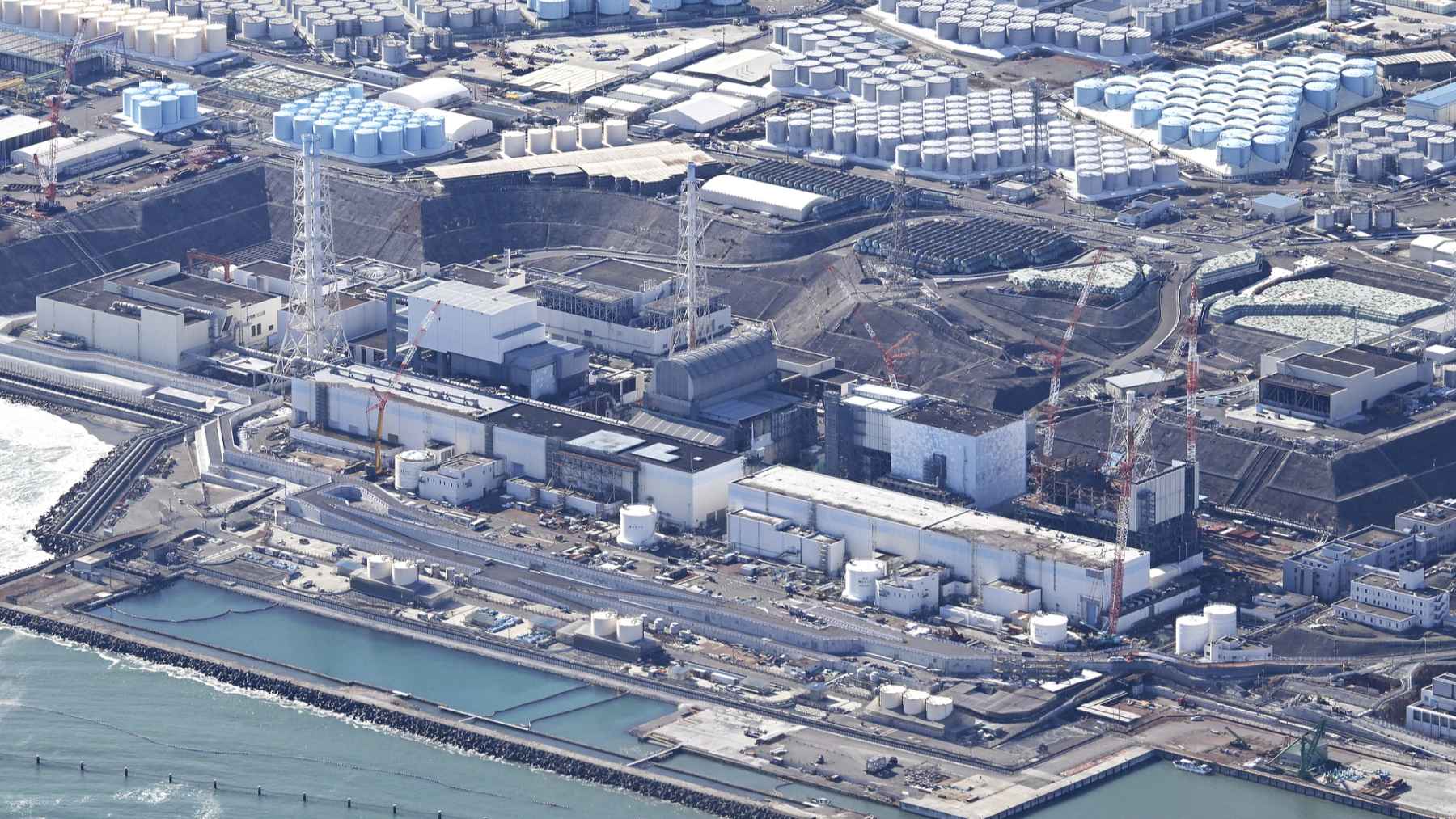
Dark image with an industrial facility visible at the top, illustrating the Fukushima nuclear site tied to research on microbial life in radioactive water.

Fifteen years after the disaster, the Fukushima reactors hide a secret: scientists detect life where radiation should have prevented everything

—
March 13, 2026 at 6:30 PM
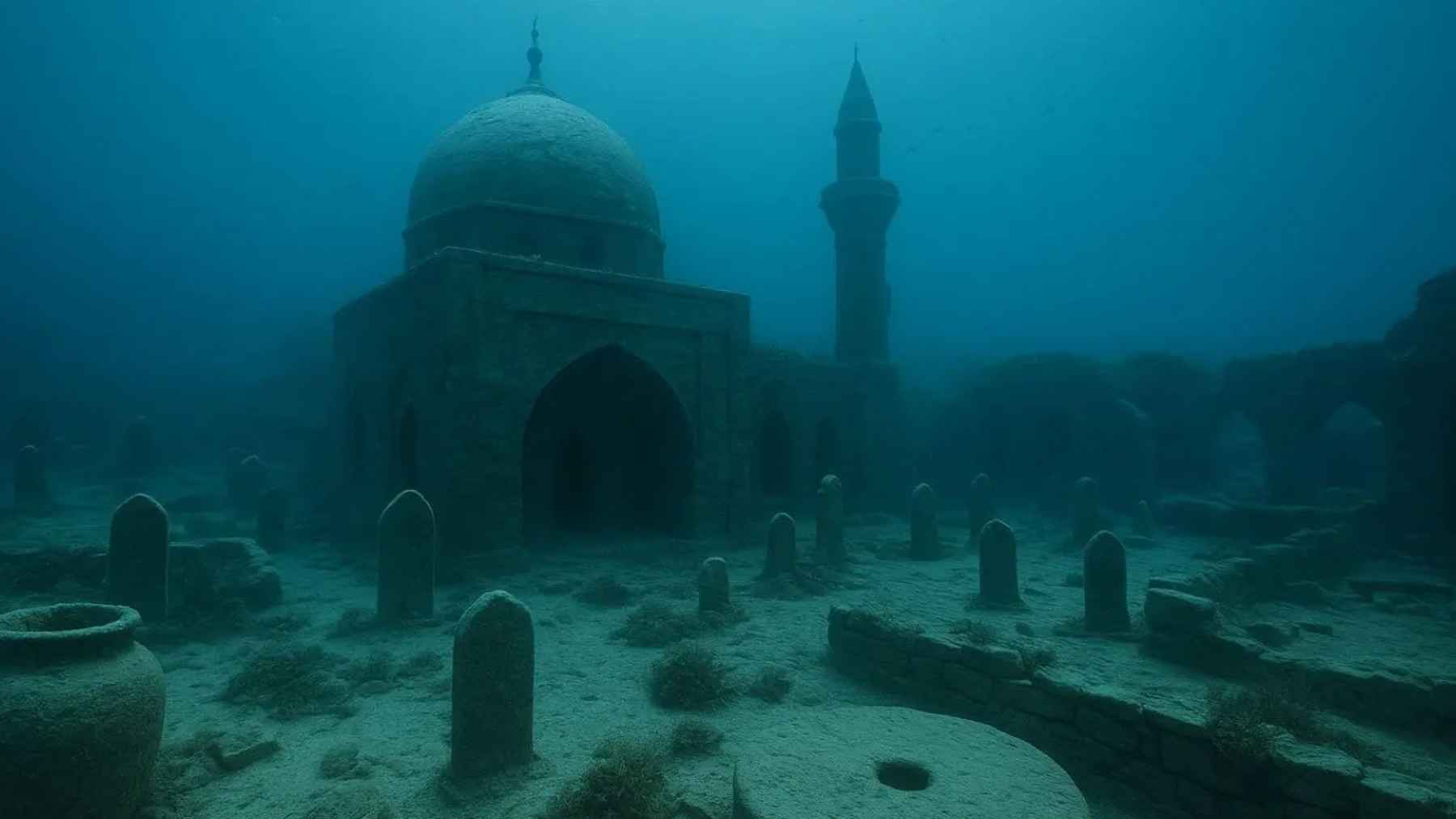
Submerged ruins of a medieval settlement on the floor of Lake Issyk-Kul in Kyrgyzstan, with stone structures and graves underwater

The archaeological discovery of the century: an Atlantis-like city discovered at the bottom of a lake

—
March 13, 2026 at 8:48 AM
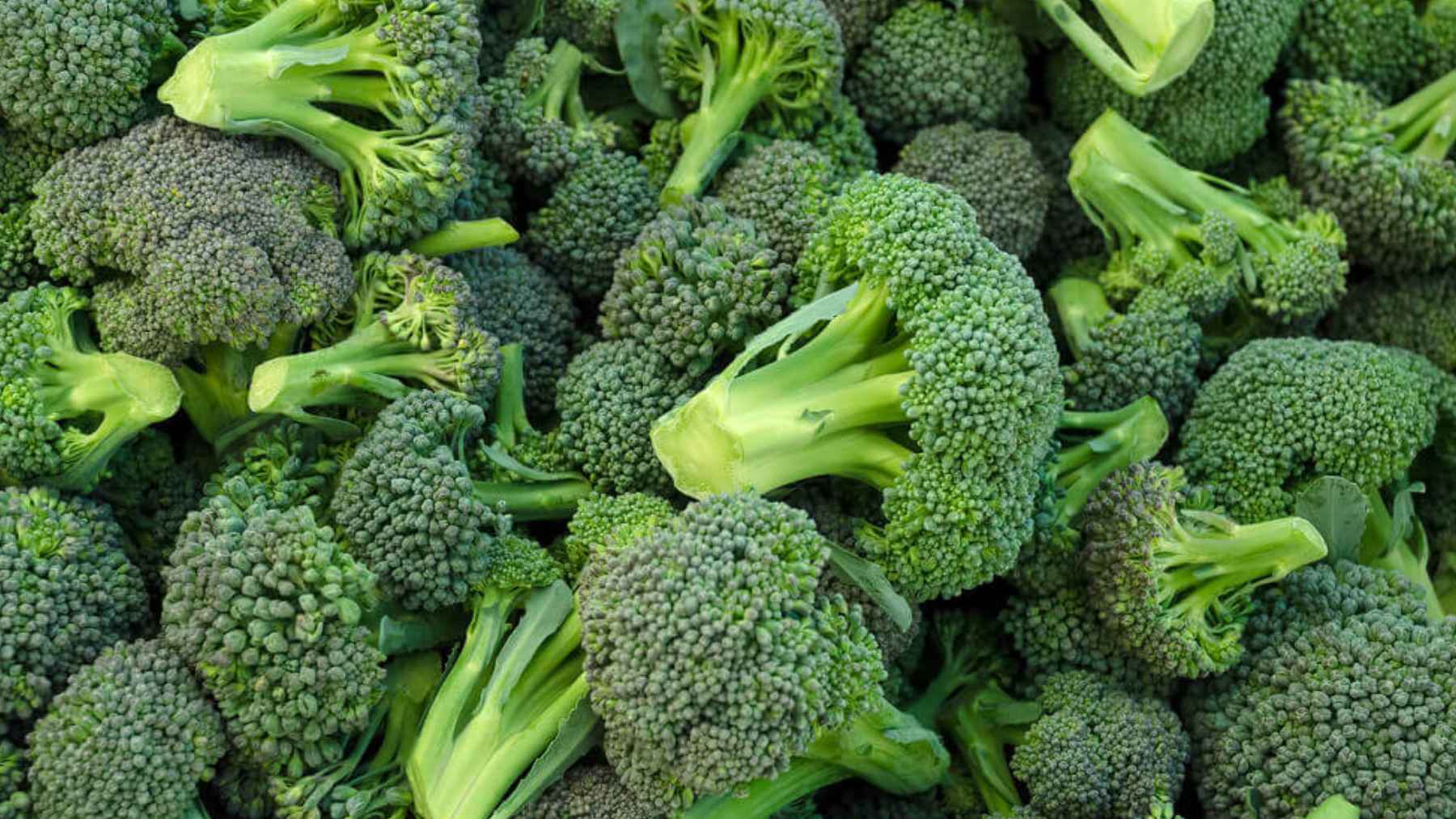
Fresh broccoli florets shown as part of a plant-based supplement study linked to slower signs of low-risk prostate cancer

A four-month trial involving 208 men revealed that a daily capsule containing broccoli, turmeric, blueberries, and live bacteria could slow down worrying signs in the prostate

—
March 12, 2026 at 5:38 PM
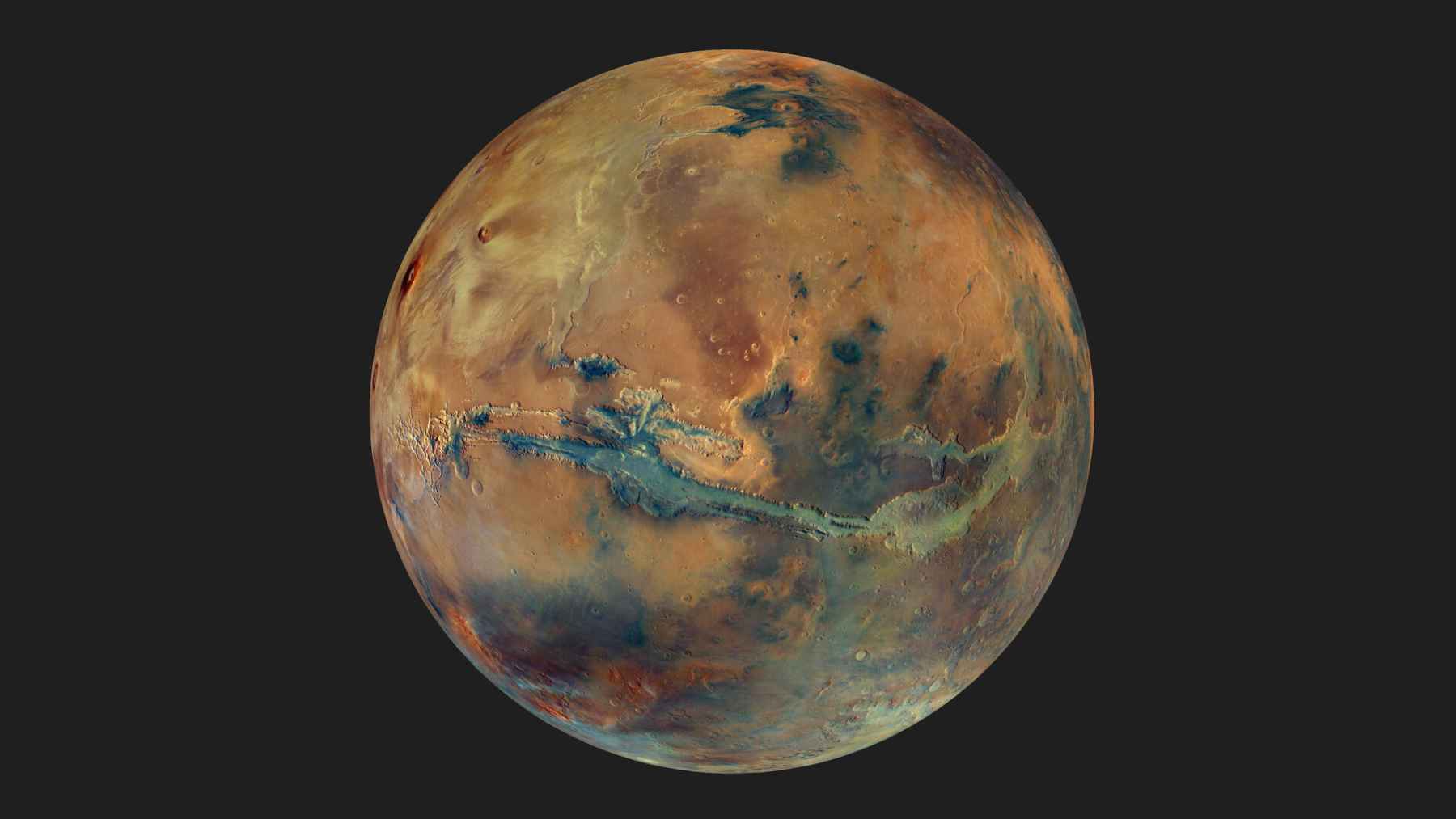
Global view of Mars showing major surface features, illustrating research on how the planet’s gravity may influence Earth’s ice age timing.

The twist is brutal: Mars only has 1/10 of Earth’s mass… but its gravity would determine when ice ages arrive here

—
March 12, 2026 at 3:00 PM
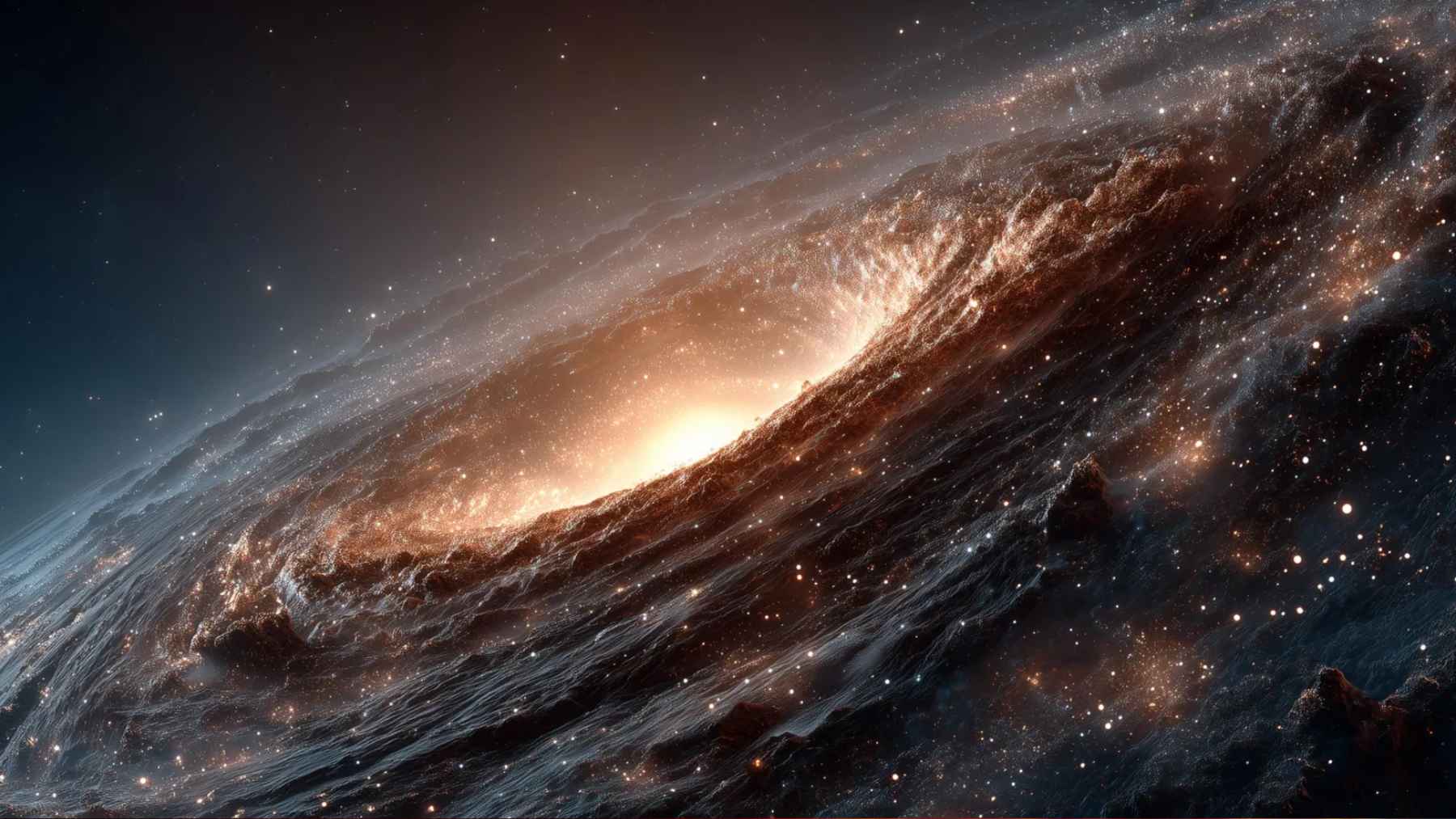
Artist’s illustration of the Milky Way’s bright galactic center, where scientists propose ultra-dense dark matter instead of a black hole

Scientists propose that the center of the Milky Way does not contain a black hole, but rather ultra-dense dark matter

—
March 12, 2026 at 10:02 AM
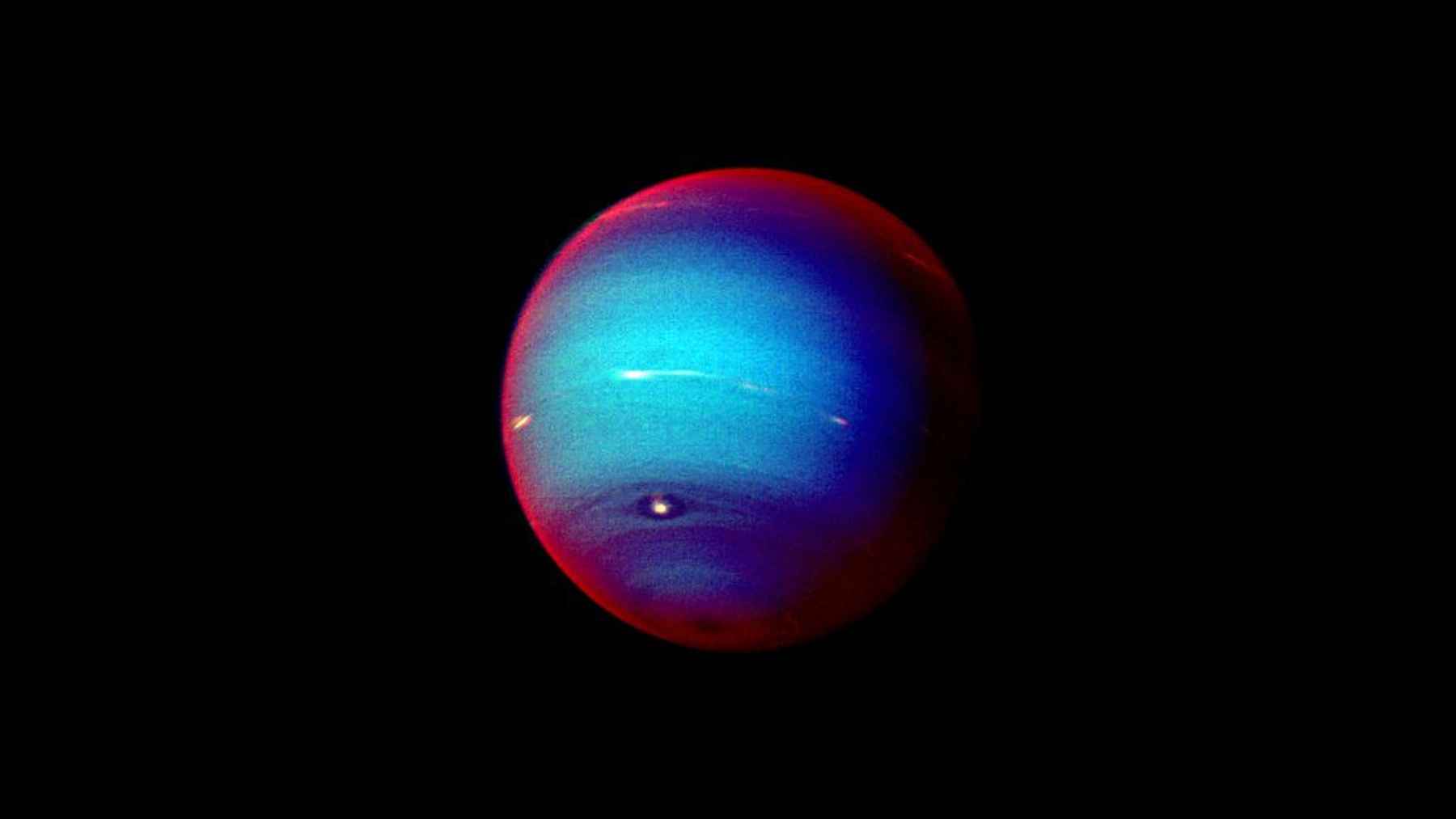
False-color image of Neptune against black space, illustrating new research on the planet’s unusual magnetic field

In 1989, Voyager 2 observed “something that didn’t add up” on Neptune, and it took us decades to understand it. Now, a study published in Nature suggests that dark ice could be the cause of the planet’s strange magnetism

—
March 12, 2026 at 6:30 AM
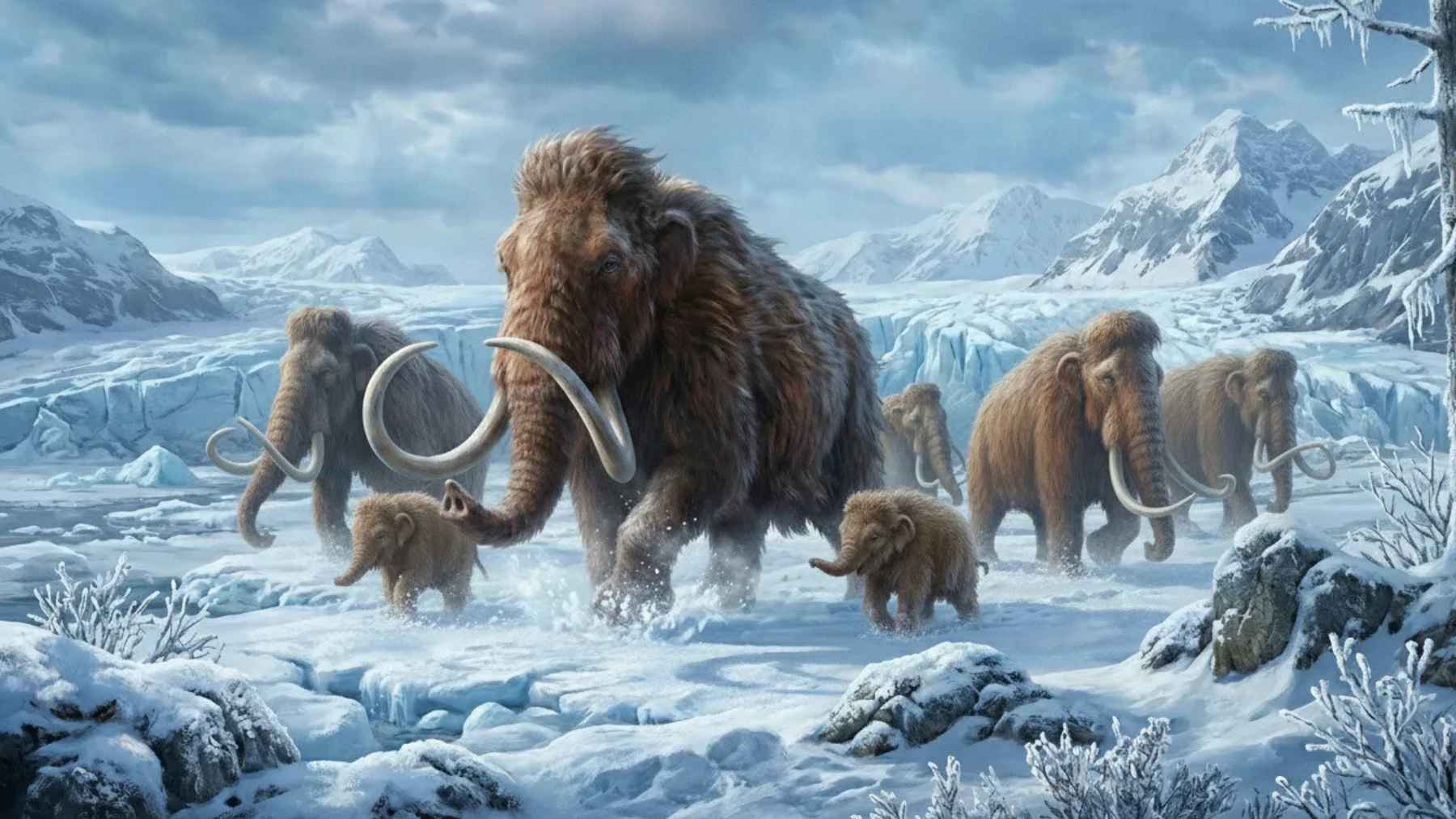
Illustration of a herd of woolly mammoths crossing a frozen prehistoric landscape with glaciers and snow-covered mountains

The giants of the past did not run as we thought, and science has just taken an unexpected turn in the classic image of mammoths and dinosaurs

—
March 11, 2026 at 6:00 AM
Previous Next

ECOnews alerts

Get the most relevant environment stories as soon as we publish them

ECOnews is the English-language edition of ECOticias.com, focused on environmental and sustainability news for a global audience: mobility, energy, economy, technology, science, environment and trending stories.

© 2026 ECOnews · ECOticias.com, the green newspaper since 2004 ↑ Top