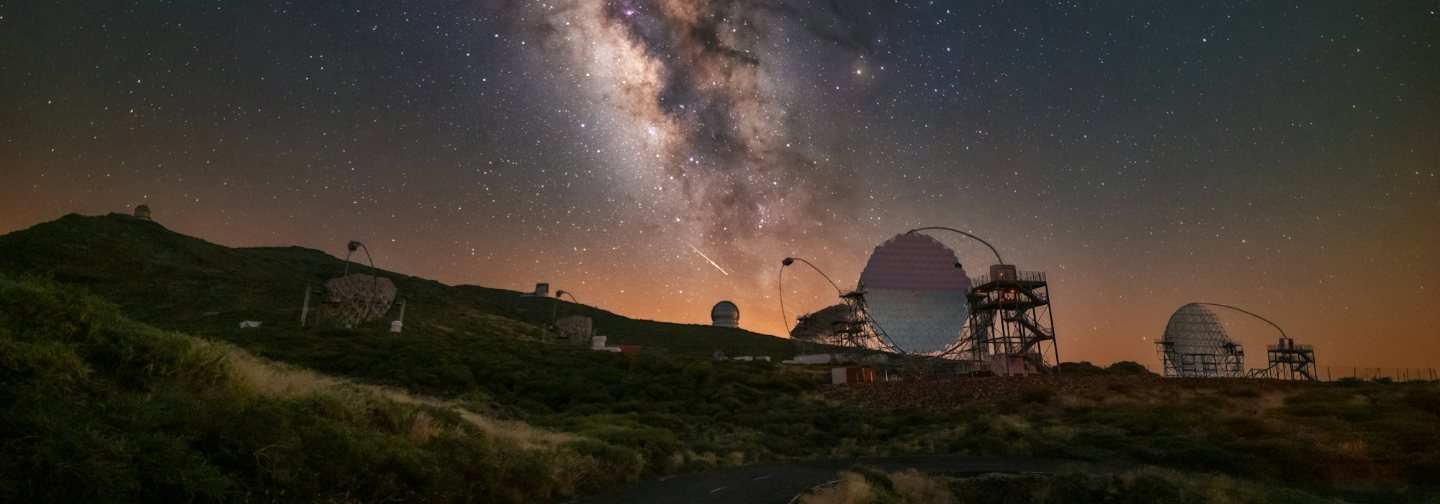
Observatory under the Milky Way at night

Science

Geology, paleontology, physics, space and the natural world

In Science, ECOnews reports on new discoveries in geology, paleontology, physics, space, health and the natural world. We explain the latest studies from universities and labs worldwide in plain language.
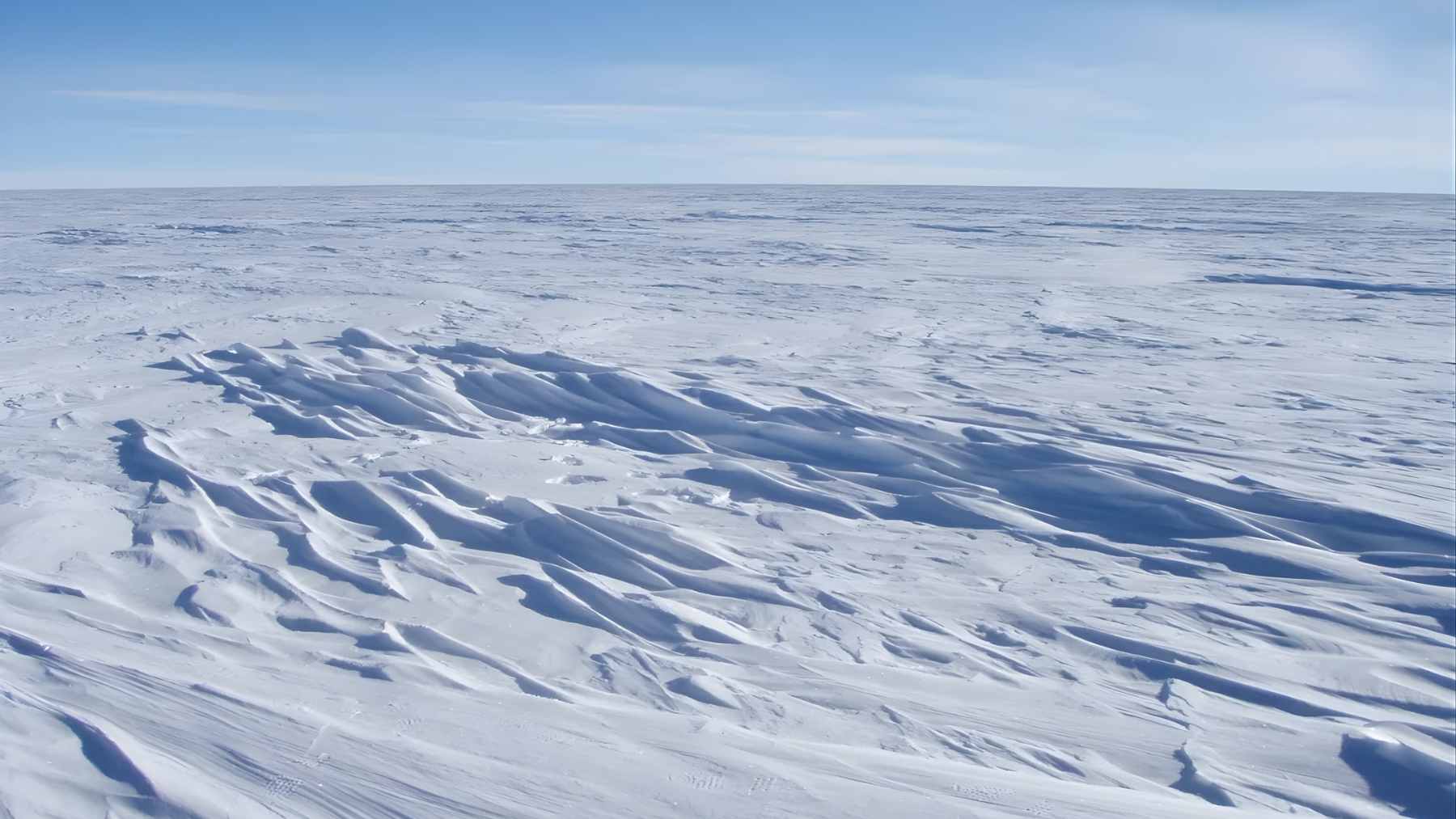
Snow-covered Antarctic ice sheet under a clear blue sky, as scientists report the ozone hole closed unusually early in 2025.

The ozone hole over Antarctica closed unusually early in 2025, and scientists believe there is a reason that almost no one is looking at

—
January 24, 2026 at 6:30 AM
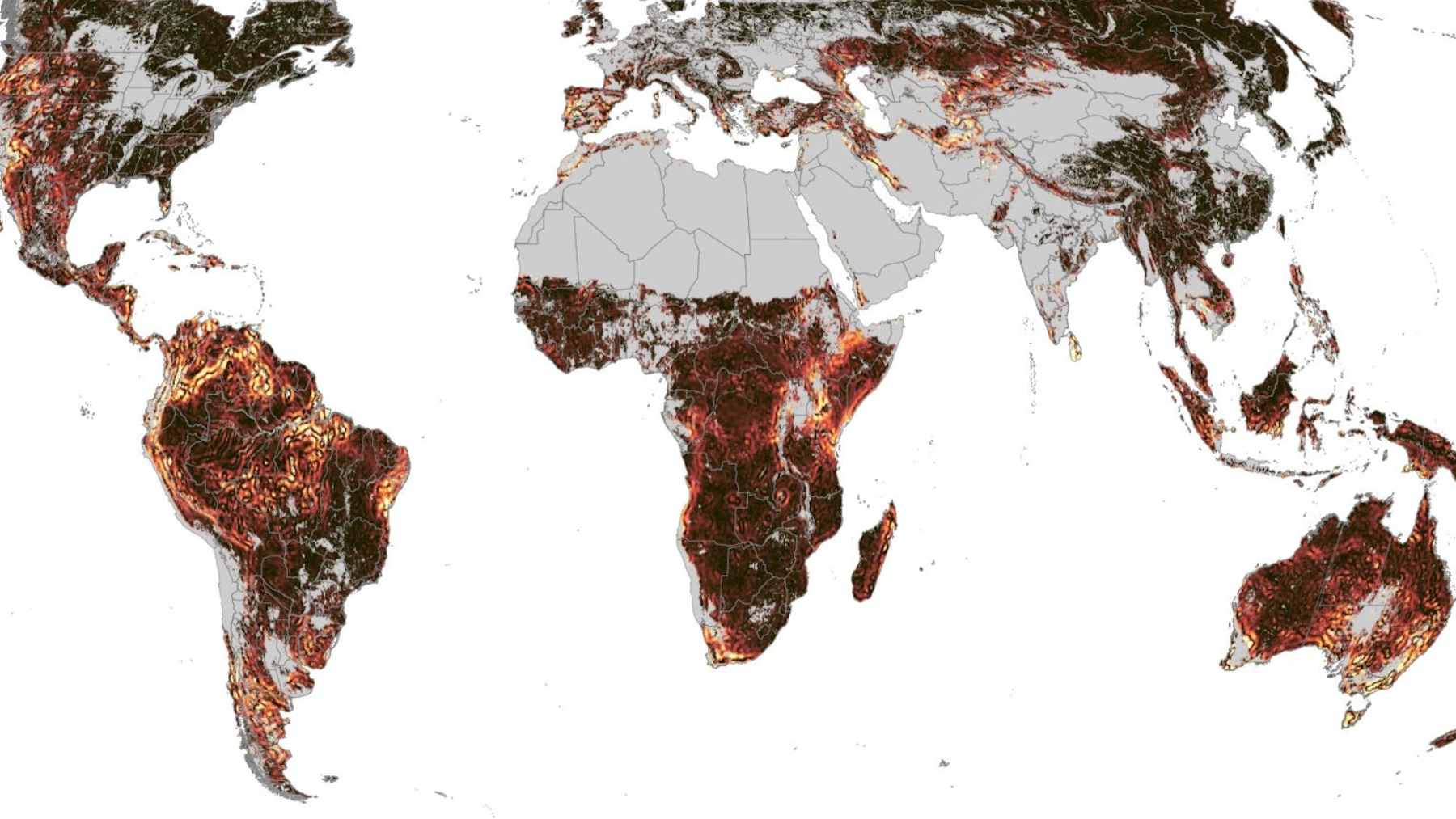
Satellite world map showing seasonal misalignment and plant growth cycles across different regions of Earth.

Satellites have just discovered that Earth does not have four equal seasons, and the new world map leaves areas “out of alignment” within a few kilometers

—
January 23, 2026 at 11:56 AM
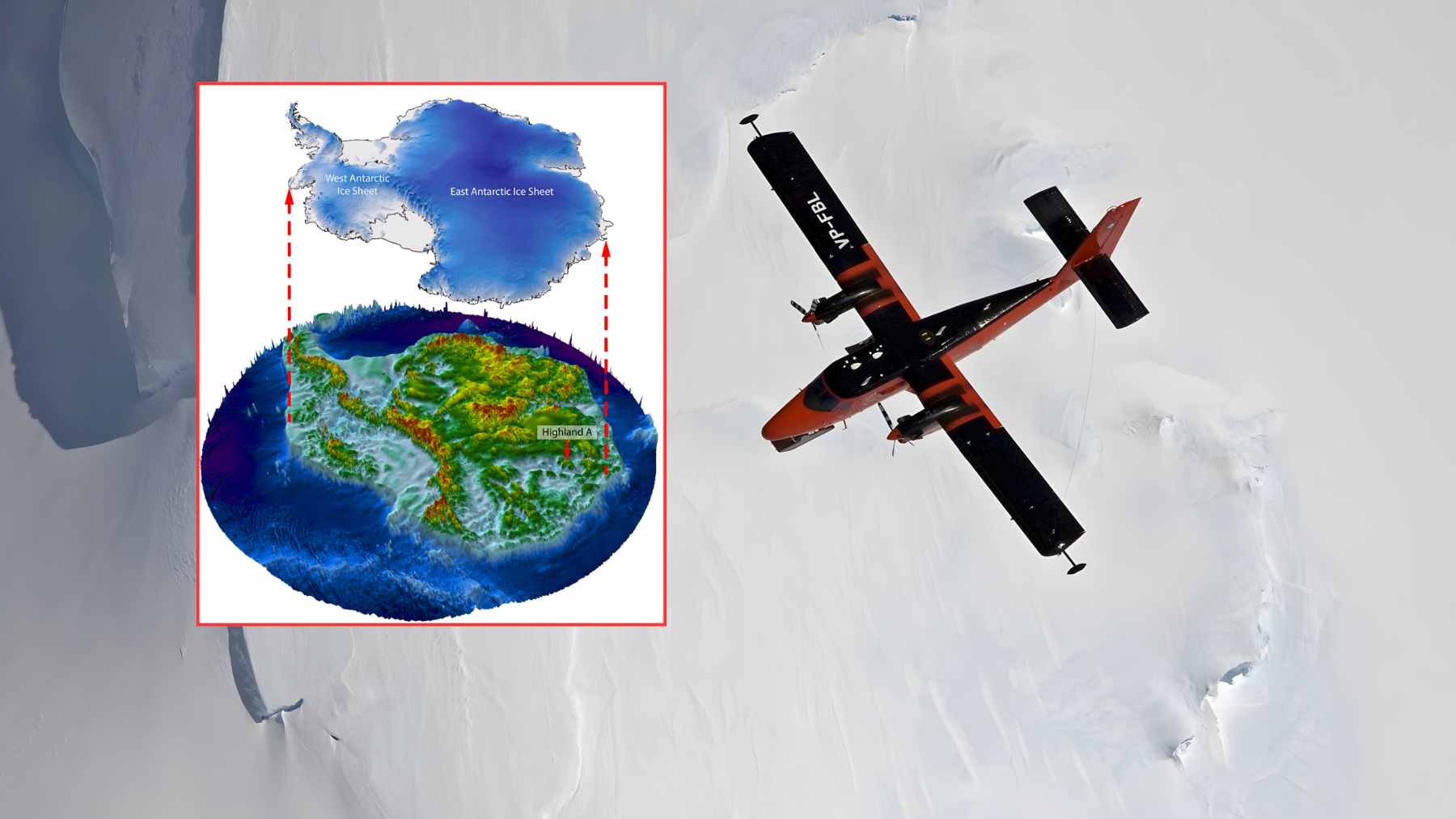
Research aircraft surveys Antarctica as an inset map shows an ancient landscape of valleys and ridges beneath the East Antarctic Ice Sheet.

Beneath 2 kilometers of Antarctic ice lies a landscape untouched for 34 million years, leaving glaciologists speechless

—
January 23, 2026 at 8:45 AM
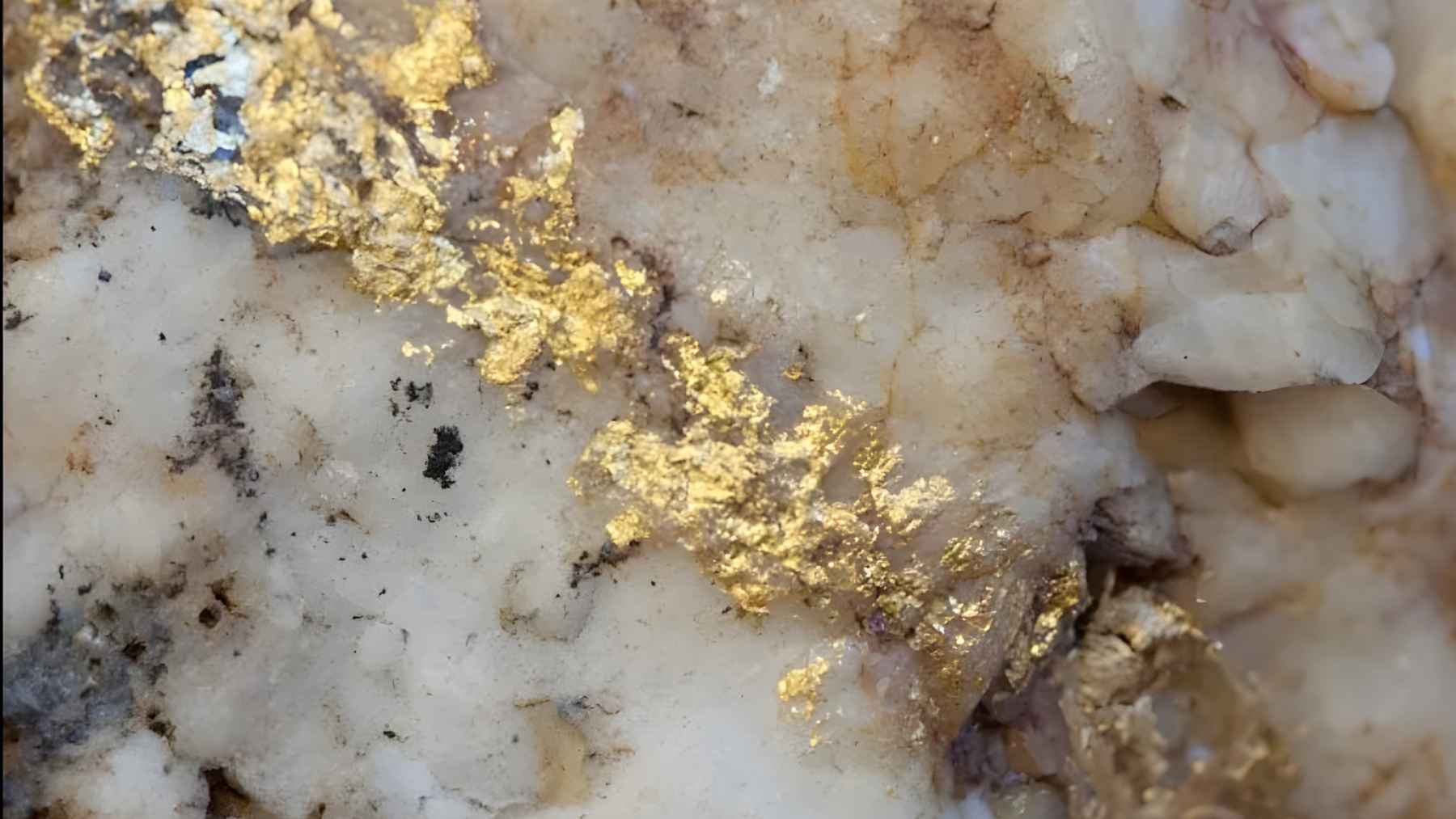
Close-up of native gold flakes embedded in white quartz rock, showing how gold can concentrate into ore veins.

The gold in your ring may have started moving 80 km underground, and a new study reveals the chemical “trick” that releases it

—
January 22, 2026 at 3:00 PM
Steaming cup of black coffee in a glass mug on a saucer, illustrating heat loss and the arrow of time.

There is no such thing as a “quantum un-do button” in nature, and that limitation could explain why your coffee cools down but never reheats on its own

—
January 22, 2026 at 10:15 AM
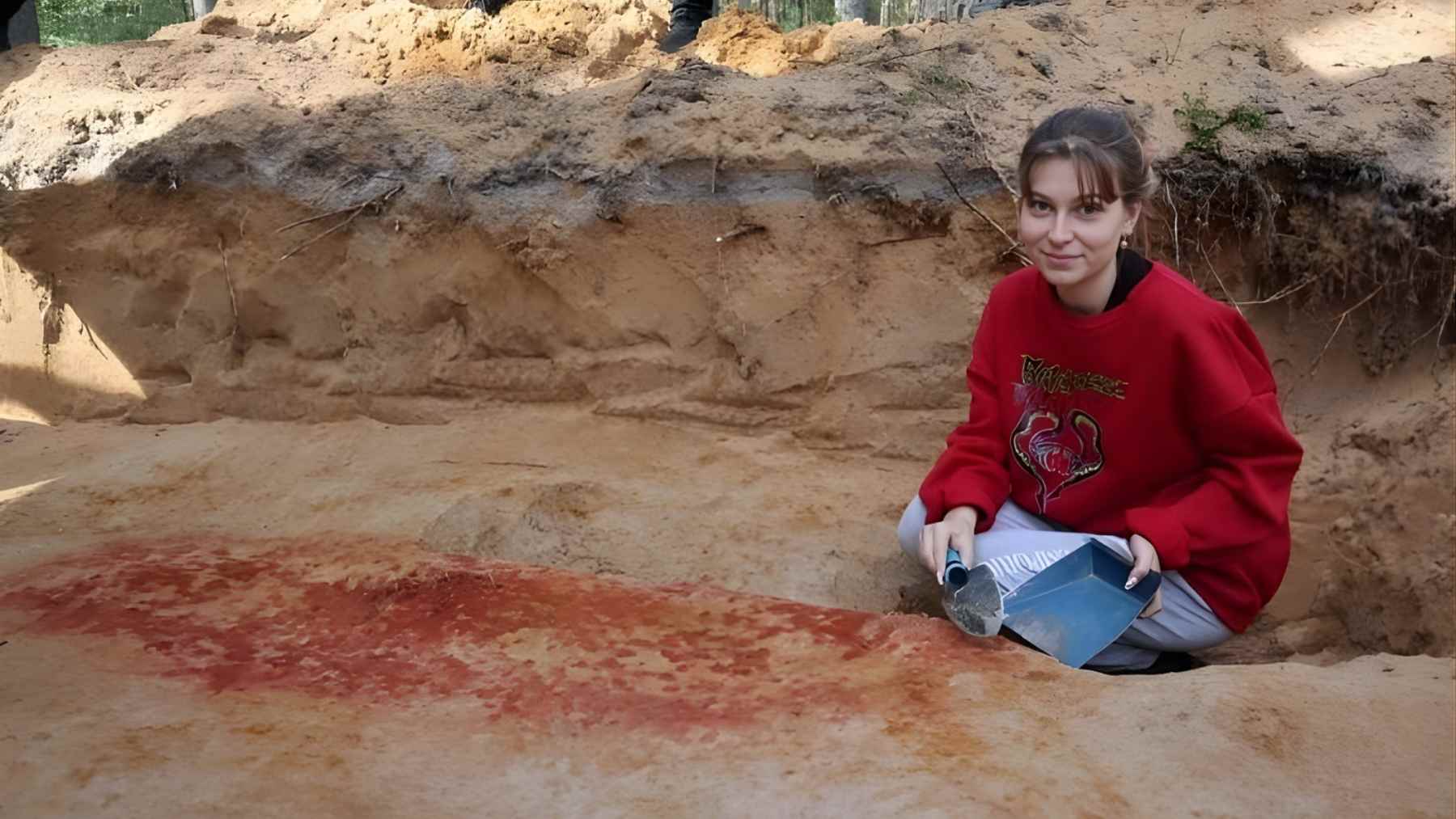
Student archaeologist documents a red-ochre burial pit linked to a 5,400-year-old amber grave near Lake Onega, Russia.

A student picks up a fragment of fossilized resin, and suddenly invisible trade routes that crossed half of Europe 5,400 years ago appear

—
January 21, 2026 at 11:34 AM
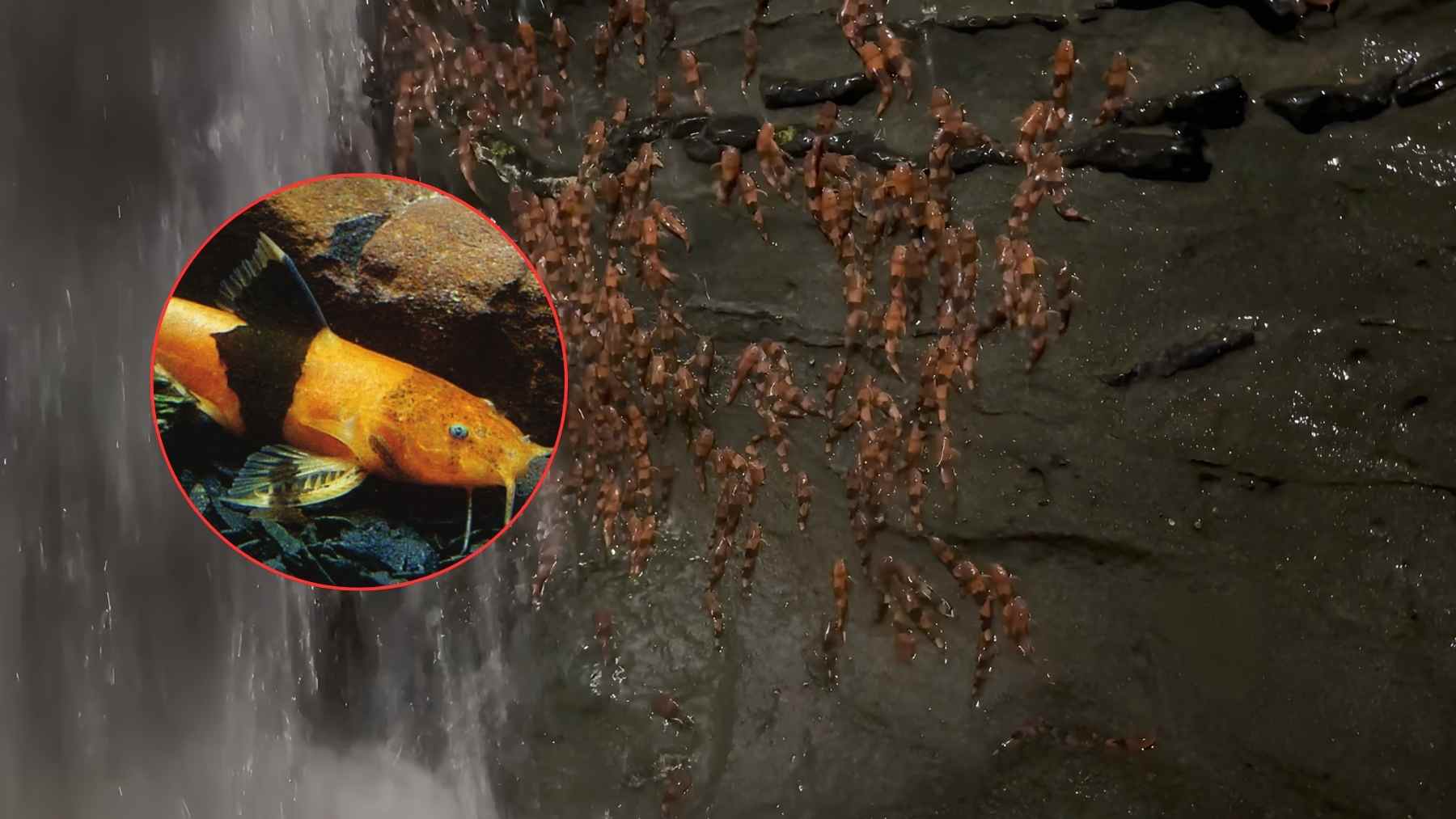
Thousands of small orange-and-black bumblebee catfish cluster and inch up wet rock beside a waterfall in Brazil.

It was first spotted by environmental police, and a week later science arrived. The video of orange-and-black fish climbing wet rock is already being called a historic discovery

—
January 21, 2026 at 6:30 AM
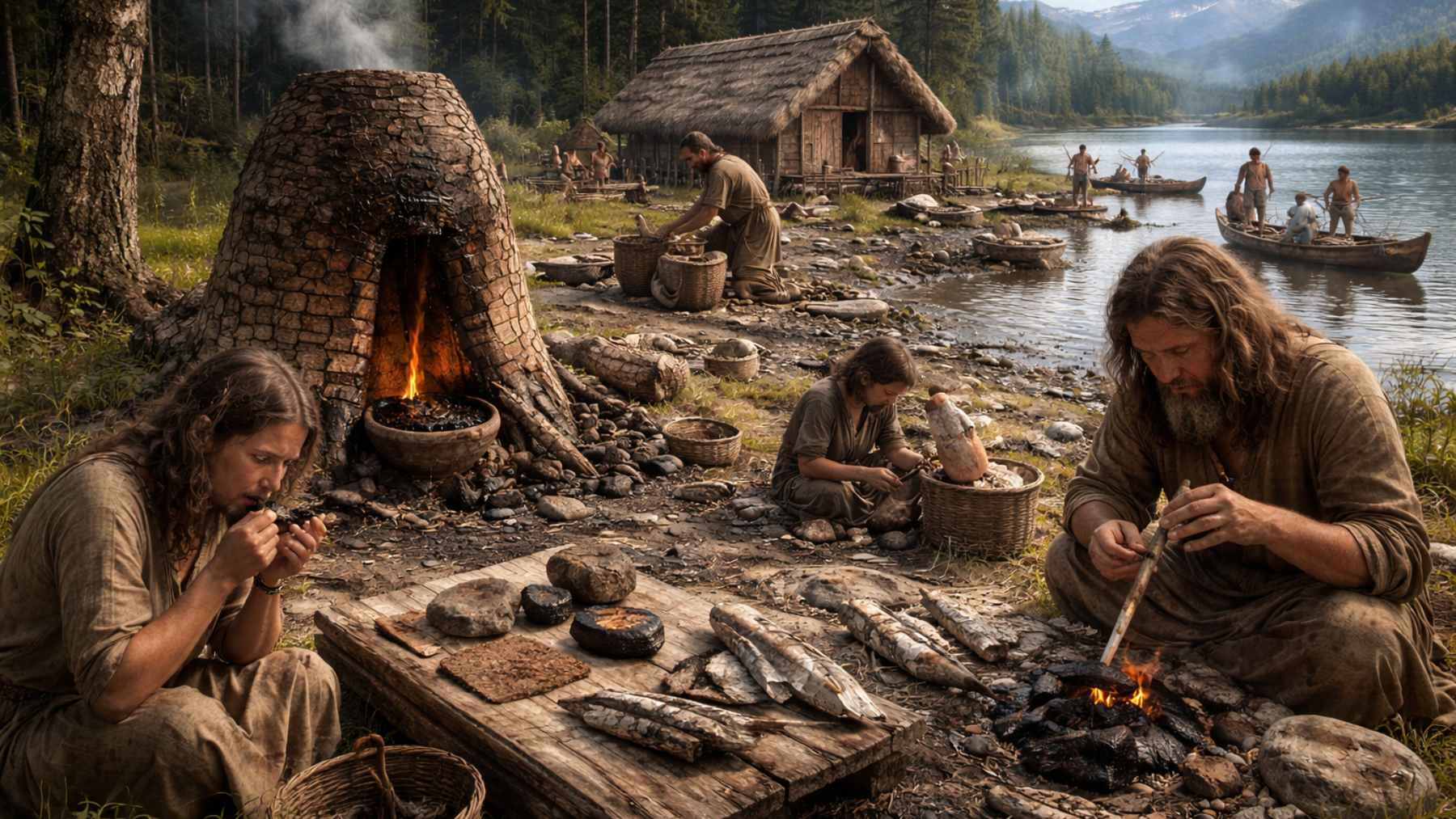
Neolithic lakeside villagers work near a fire and hut while preparing tools and materials, illustrating birch bark tar use in daily life.

The black “chewing gum” that appeared in Neolithic villages concealed something unexpected, and scientists have finally managed to decipher it

—
January 20, 2026 at 6:00 PM
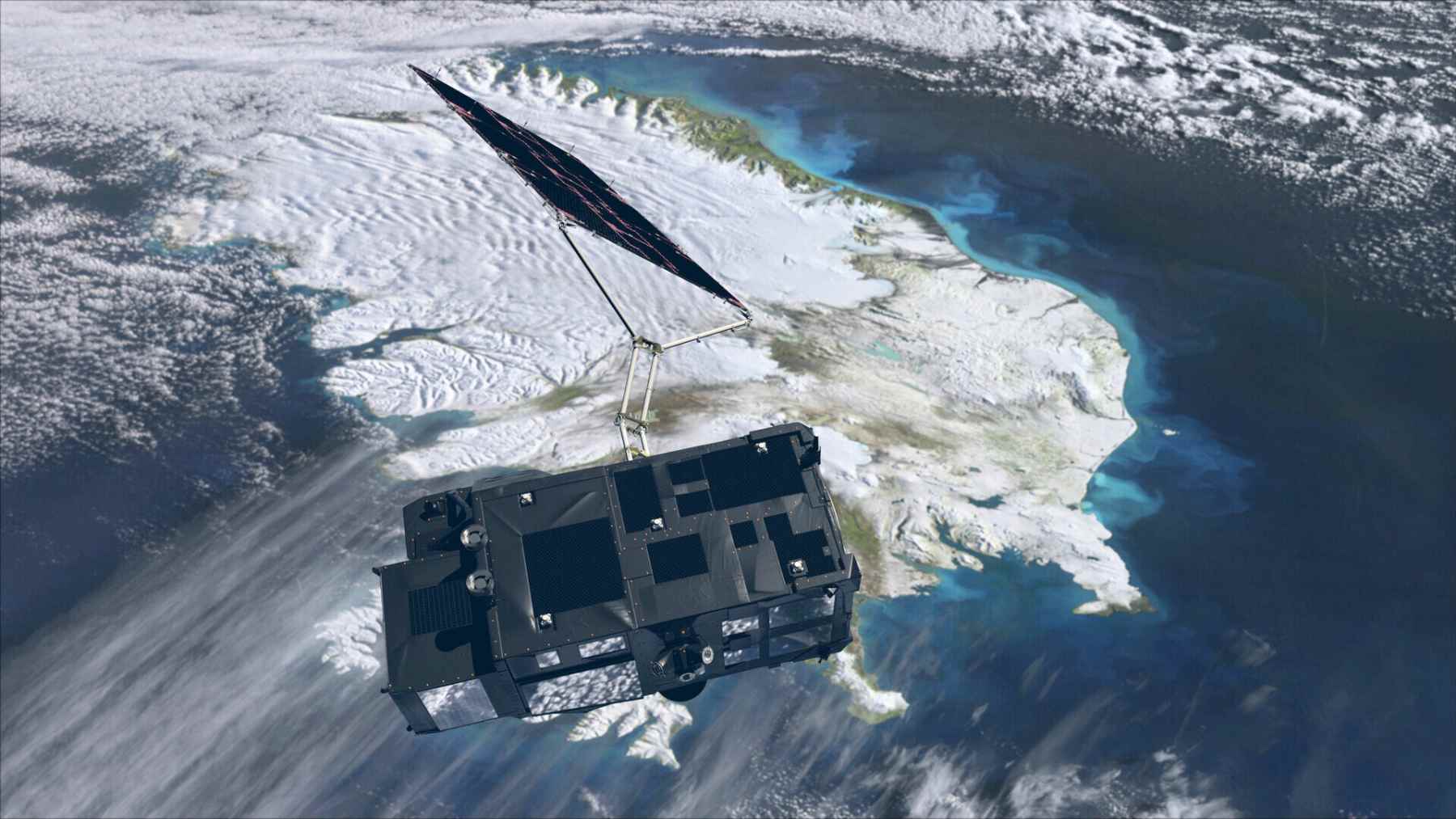
Satellite orbits above Arctic sea ice, illustrating Earth observation used to track magnetic north drift

They detected that the magnetic North Pole has crossed an invisible “border” in the Arctic, and the question is no longer whether it is moving, but what will happen when the “north” ceases to seem like a stable concept

—
January 20, 2026 at 3:00 PM
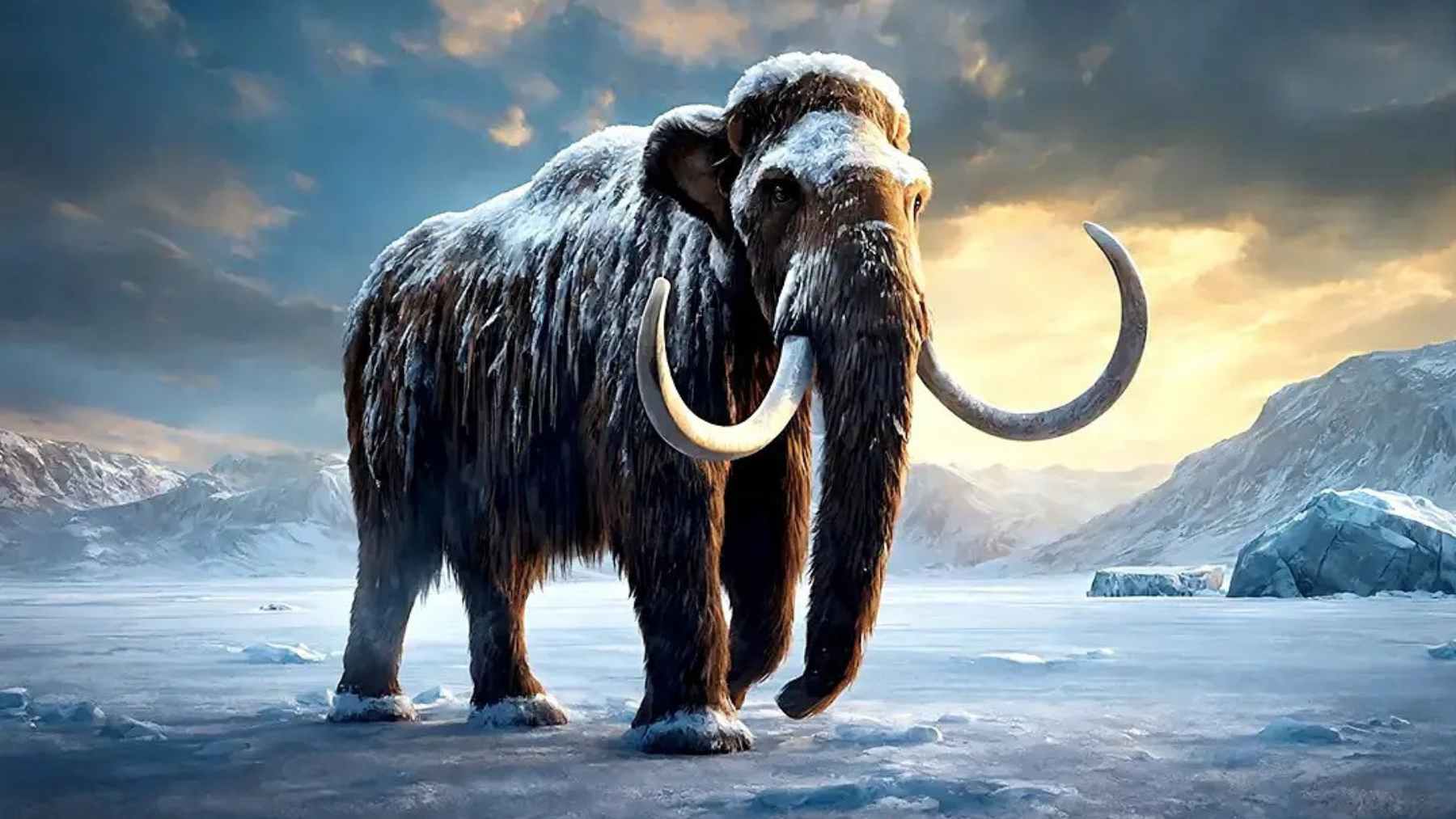
Illustration of a woolly mammoth standing on Arctic ice, symbolizing a study that reclassified “young mammoth” bones as whales.

The story seemed perfect: for 70 years, these vertebrae were touted as the “youngest mammoth” in Alaska, and the twist comes when science decides to review them from scratch

—
January 20, 2026 at 6:30 AM
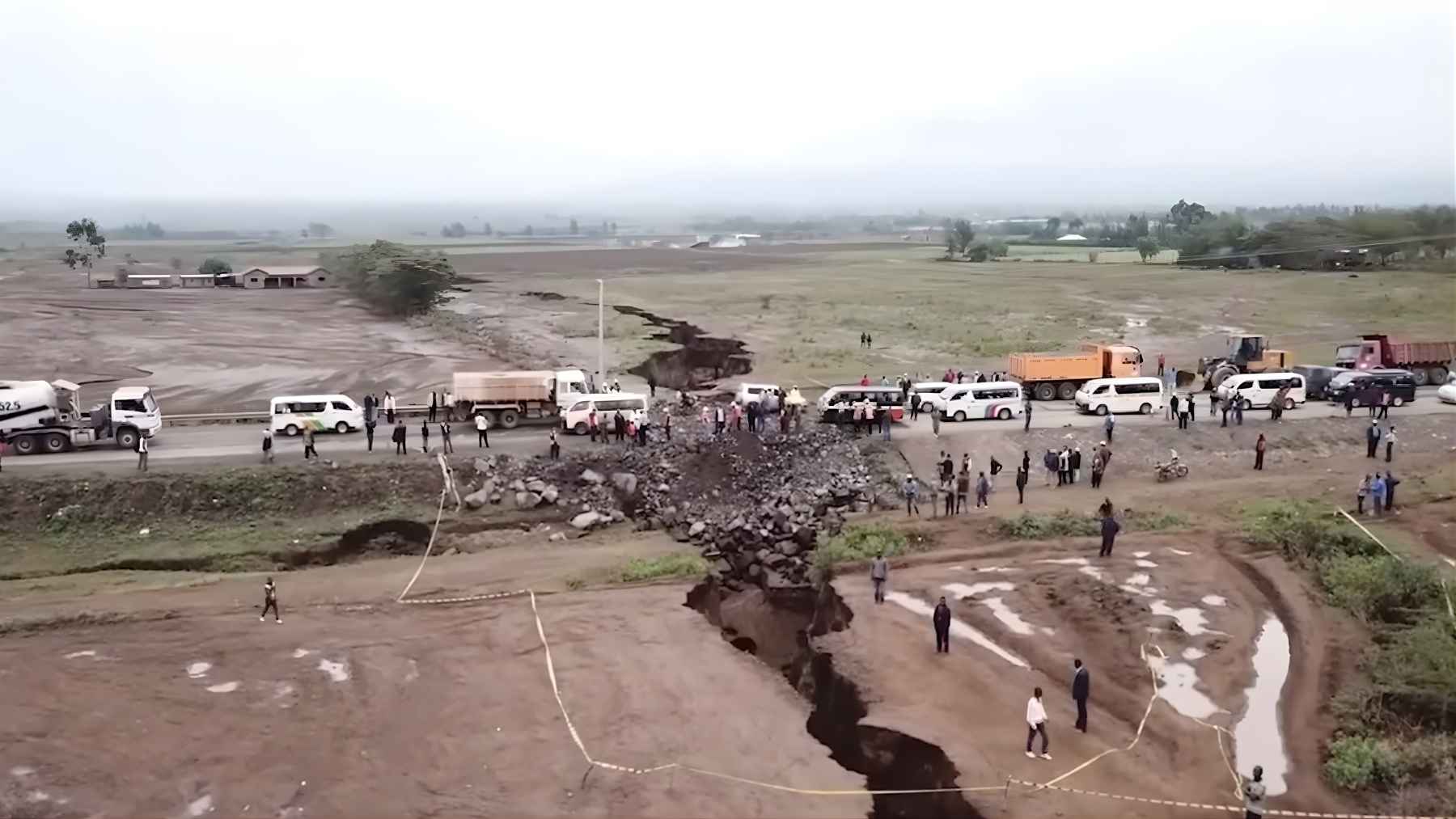
“People and vehicles gather beside a deep ground fissure that ripped across a road in Kenya, part of the East African Rift zone.”

Africa is splitting in two in slow motion, and geologists have found the crack where a new ocean is being born

—
January 19, 2026 at 7:16 AM
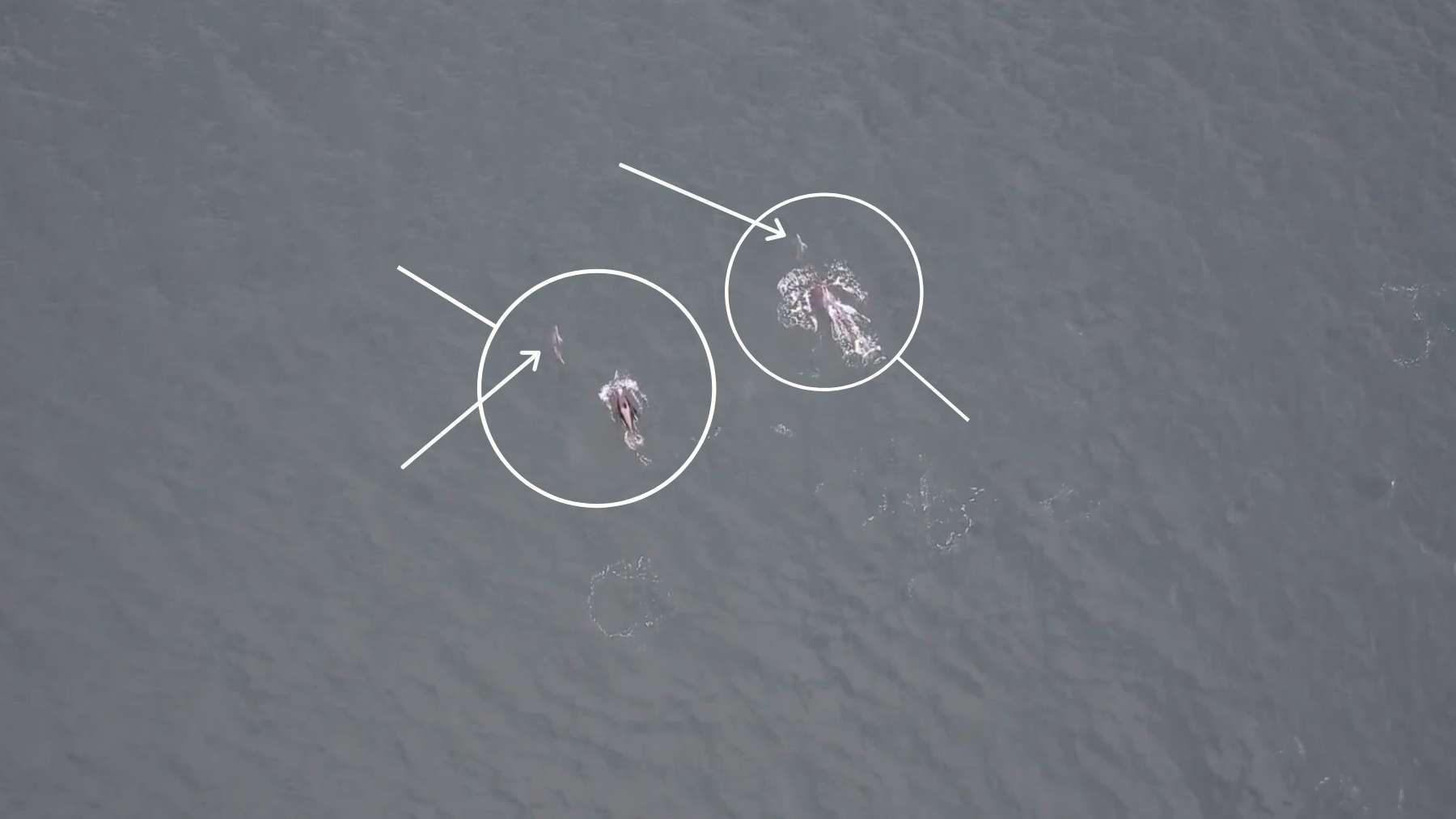
For the first time on video: orcas and dolphins “team up” to hunt chinook salmon off the coast of Vancouver Island

For the first time on video: orcas and dolphins “team up” to hunt chinook salmon off the coast of Vancouver Island

—
January 18, 2026 at 3:09 PM
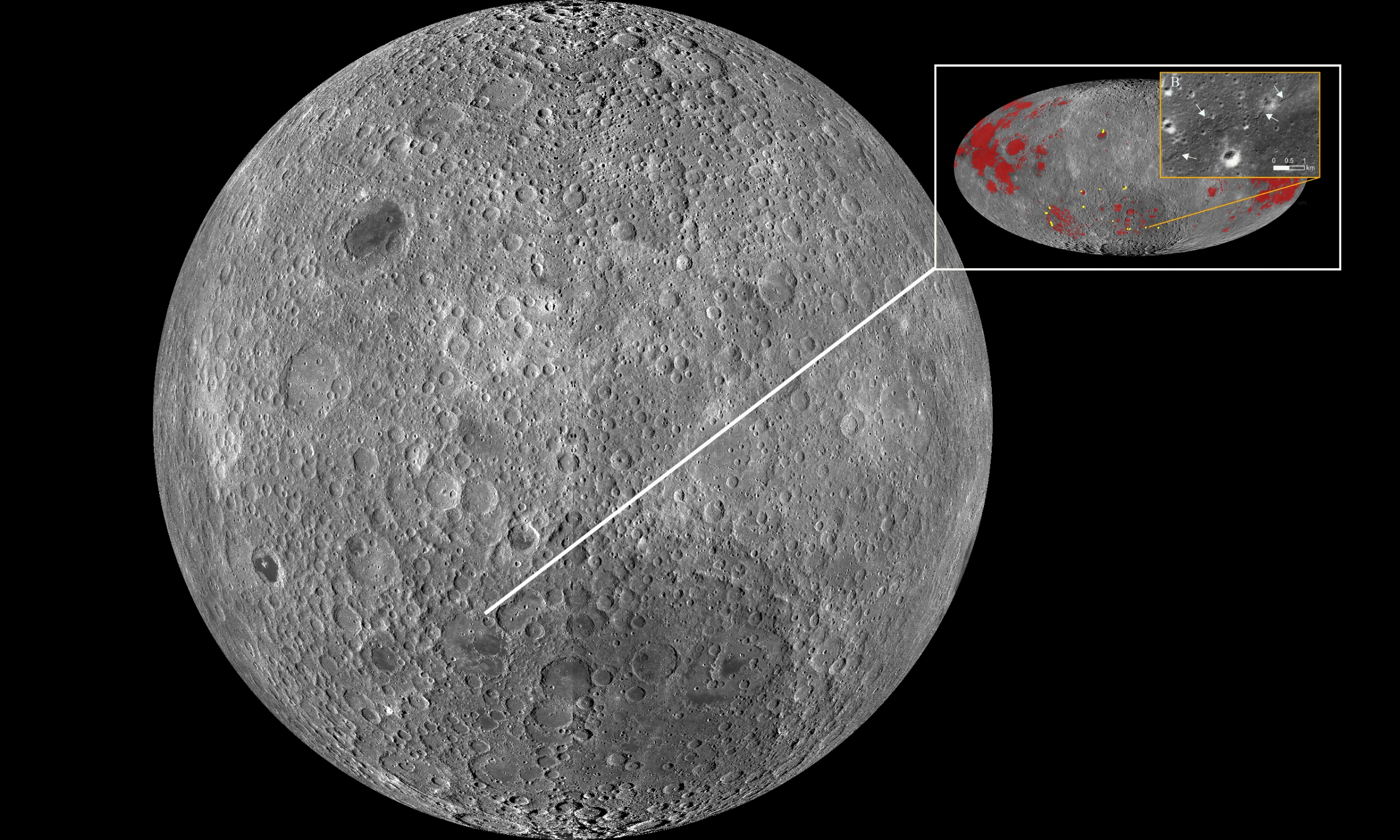
Map of the Moon’s far side showing red fault lines, revealing young geological scars that suggest active tectonics

The Moon is not “dead,” and a new map of the far side reveals young scars that could still be shifting today

—
January 18, 2026 at 12:11 PM
Artist illustration of a spacecraft near Titan, Saturn’s largest moon, with sunlight flaring behind the hazy world in the background.

For years, there was talk of a global sea beneath the ice, but the new model paints a stranger picture: a spongy moon with layers of slush and pockets of water hidden deep below

—
January 17, 2026 at 6:30 PM
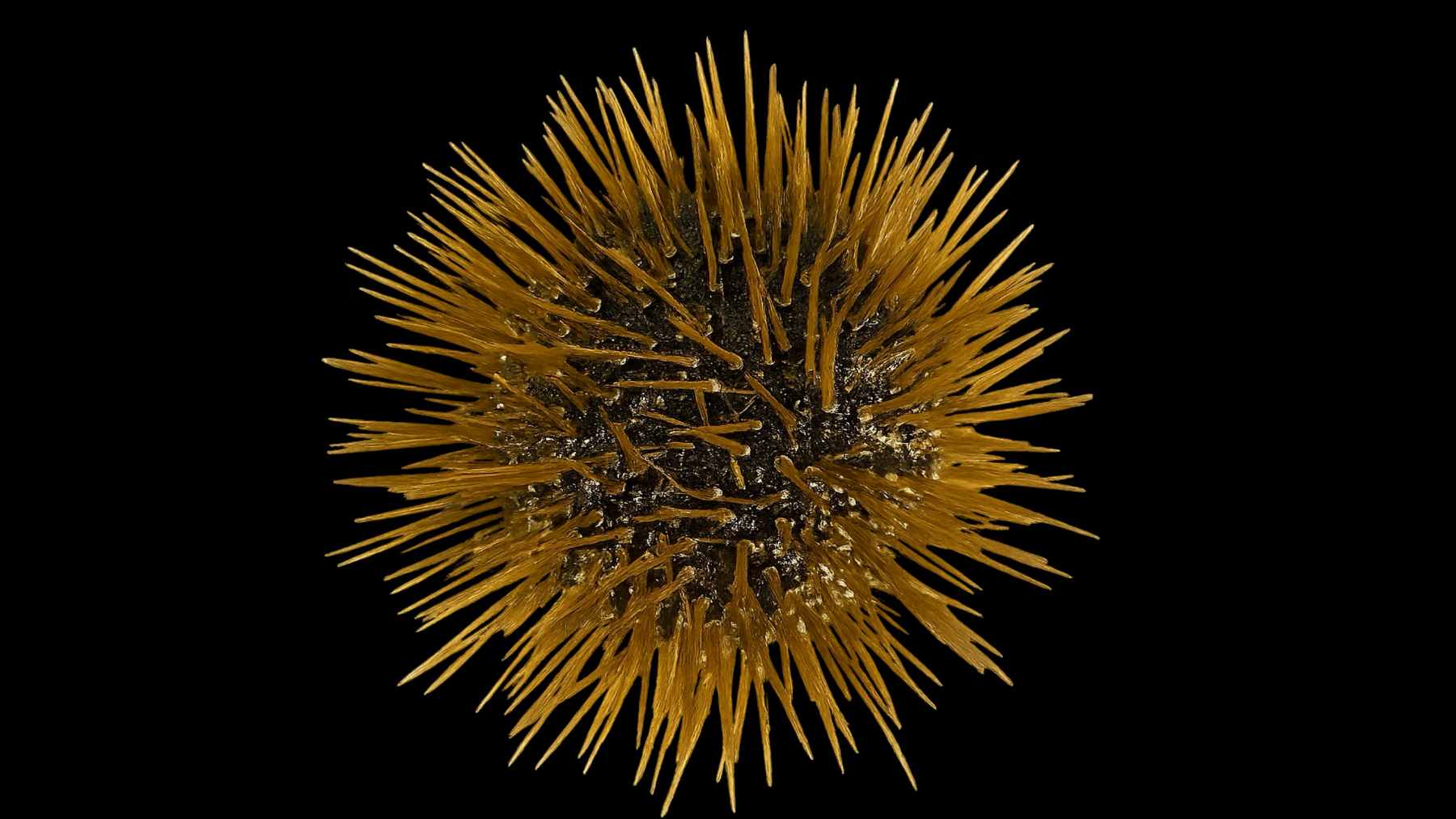
Close-up macro image of a purple sea urchin with long golden-brown spines radiating from its round body against a black background.

A strange animal with no head or face turns out to be “almost all head” at the genetic level, and the idea sounds absurd until you see how it is organized inside

—
January 17, 2026 at 8:45 AM
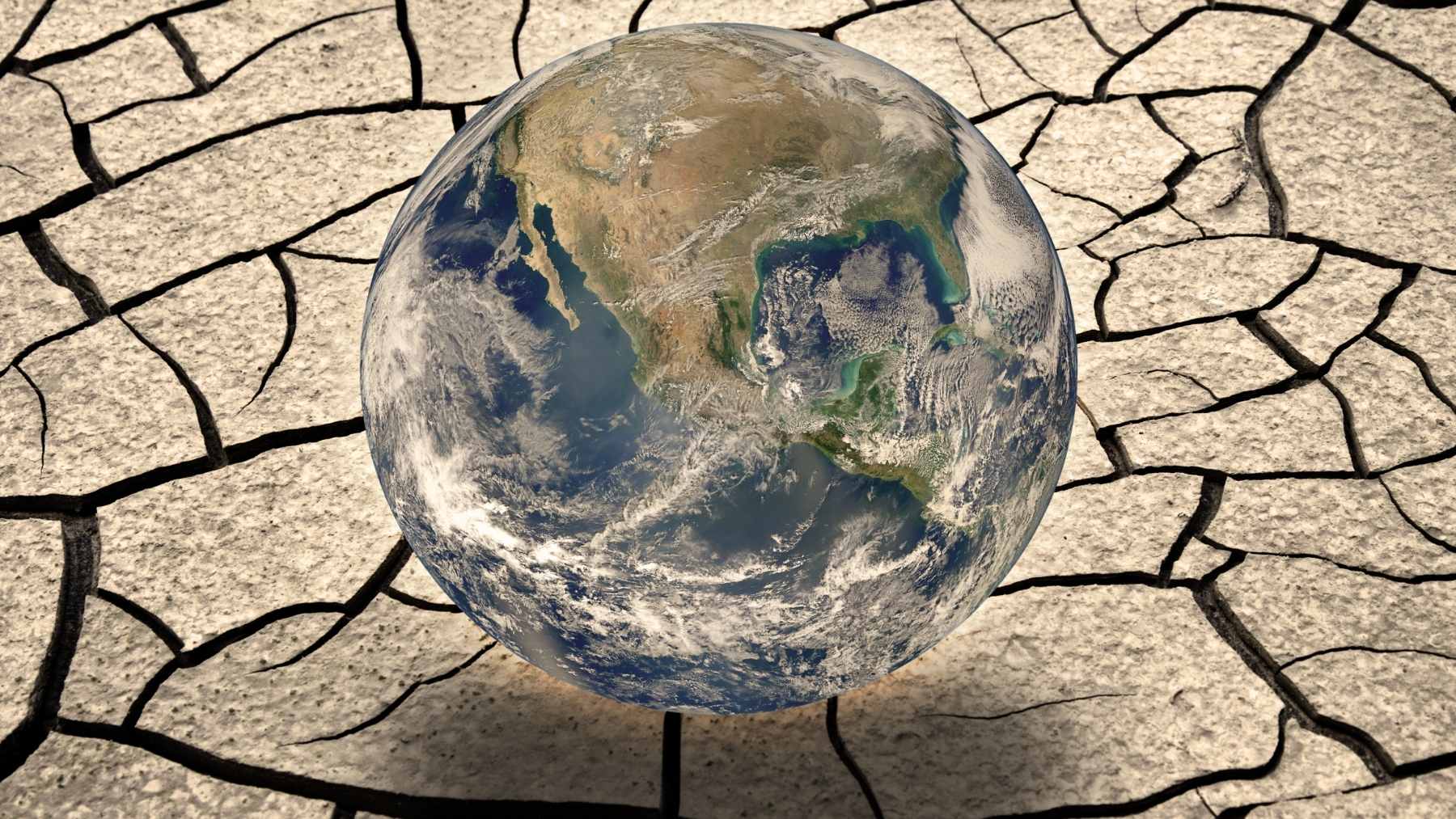
Earth over cracked dry ground symbolizing global water scarcity and “Day Zero” drought risk

Will we run out of drinking water? The planet keeps its water, but a 2025 study projects that, under high emissions, 74 percent of drought-prone regions would face unprecedented scarcity by 2100, and some US aquifers are already falling

—
January 16, 2026 at 6:44 PM
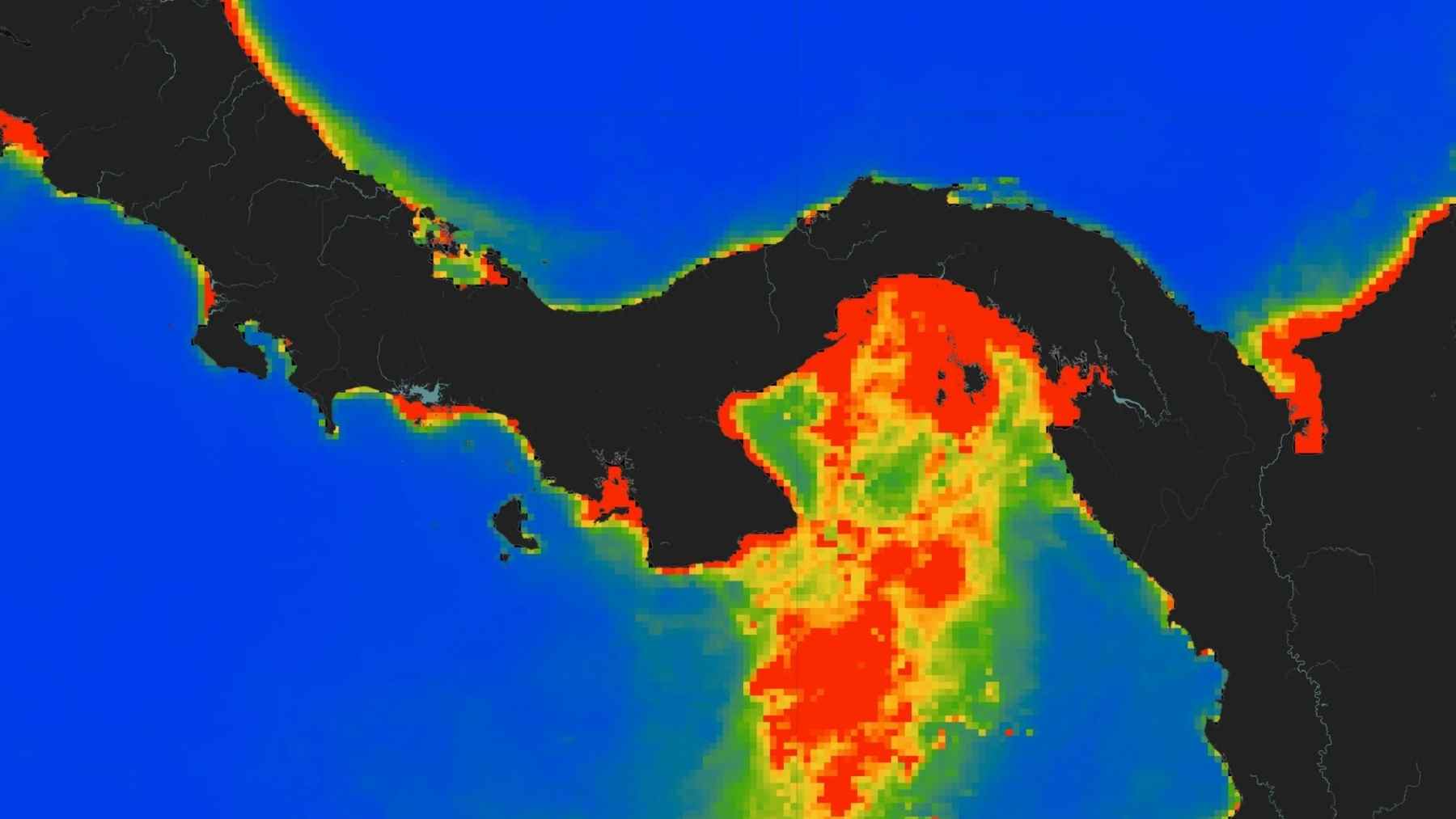
Satellite chlorophyll-a map of the Gulf of Panama showing plankton-rich waters linked to seasonal upwelling.

The Panama Sea stopped “breathing” in 2025, and what satellites and fishermen saw had never been recorded in four decades

—
January 16, 2026 at 1:54 PM
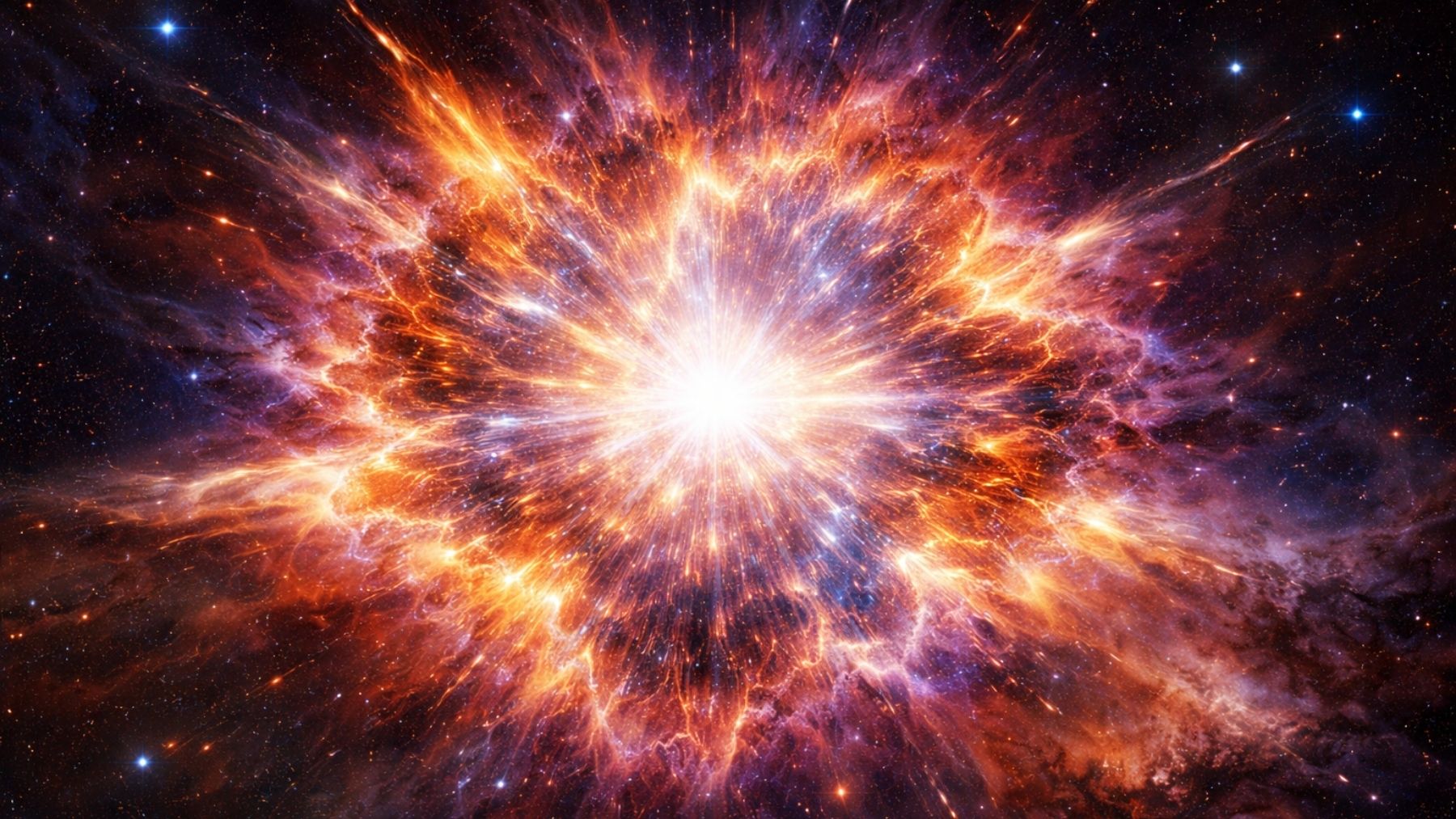
Illustration of a powerful gamma-ray burst explosion, with a bright central flash and expanding energy waves in deep space.

They captured a gamma-ray burst lasting just 10 seconds, and the question is no longer what it was, but how it could have traveled almost 13 billion years to arrive right now

—
January 16, 2026 at 10:15 AM
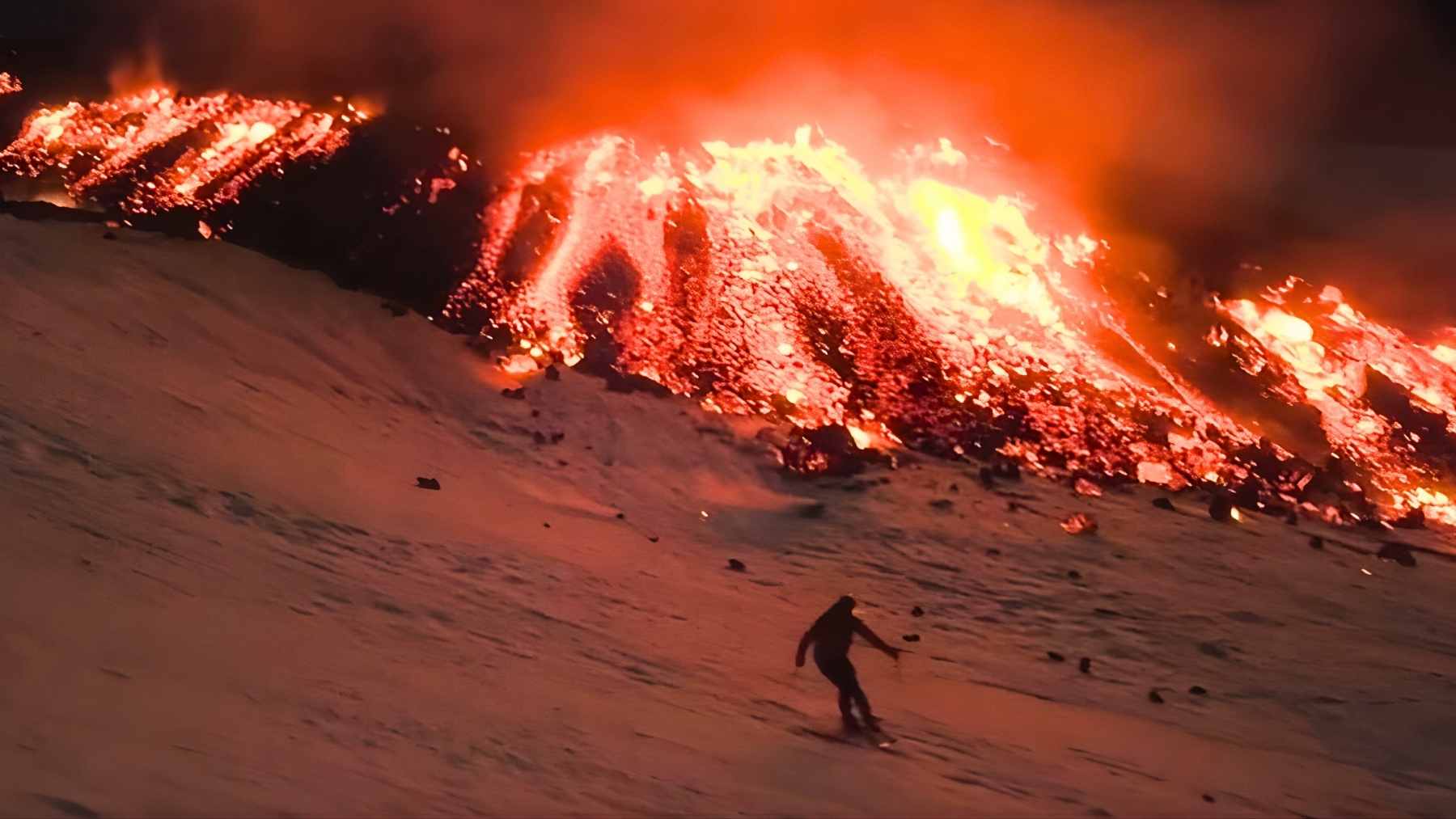
A skier descends a snowy slope on Mount Etna as a lava glow and thick ash plume rise behind the ridge in eastern Sicily.

A skier was carving turns in the freshly fallen snow when, behind the ridge line, a volcano began spewing ash and smoke as if winter had run out of sky in Sicily

—
January 16, 2026 at 8:45 AM
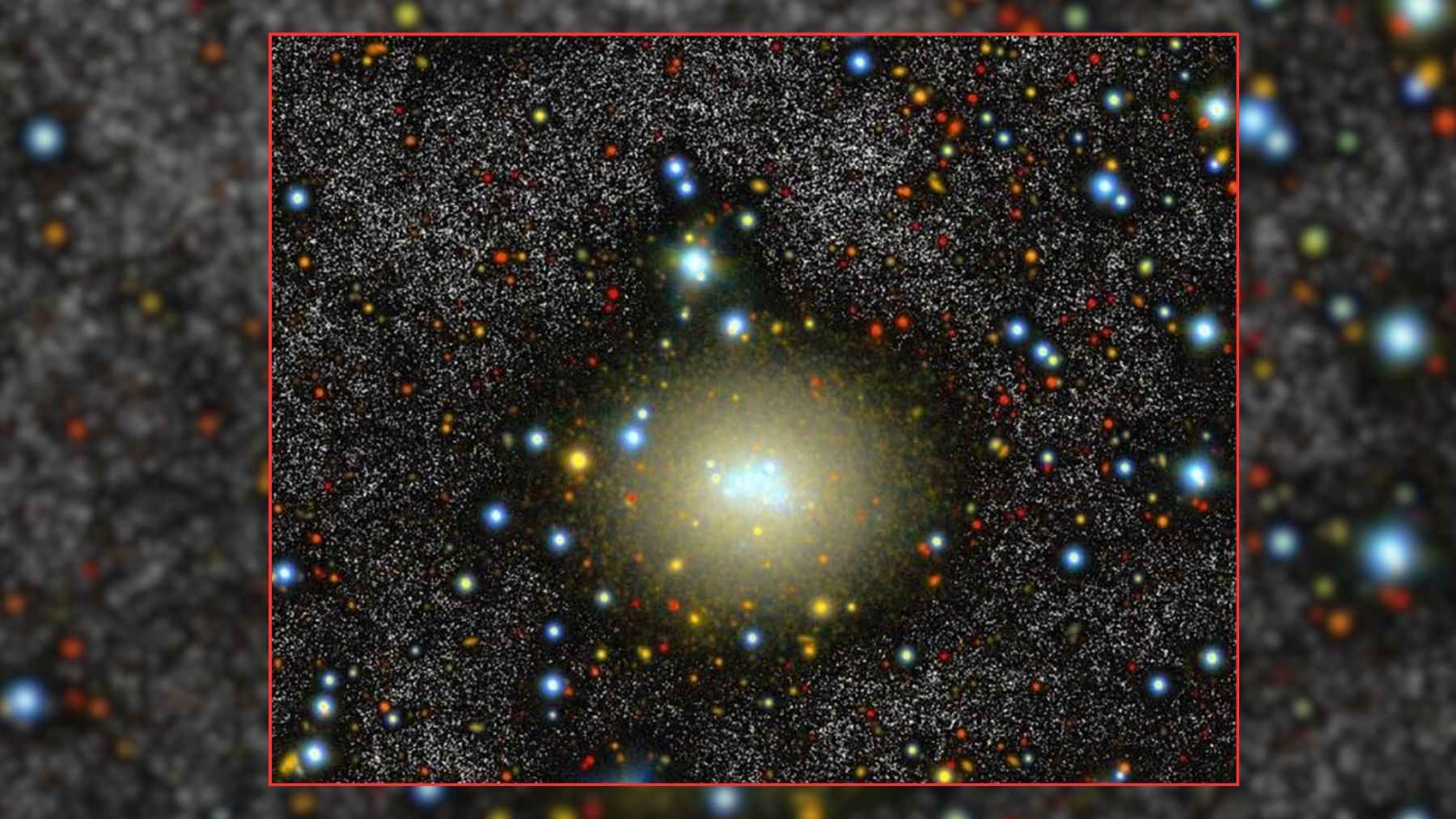
NGC 6789, a compact dwarf galaxy with a bright bluish core, surrounded by a dense star field in a deep-sky image.

A new telescope points to the Local Void and discovers something puzzling: the loneliest galaxy continues to ignite stars with a blue core that should not exist

—
January 16, 2026 at 6:30 AM
Previous Next

ECOnews newsletter

The best environment stories, straight to your inbox

ECOnews is the English-language edition of ECOticias.com, focused on environmental and sustainability news for a global audience: mobility, energy, economy, technology, science, environment and trending stories.

© 2026 ECOnews · ECOticias.com, the green newspaper since 2004 ↑ Top