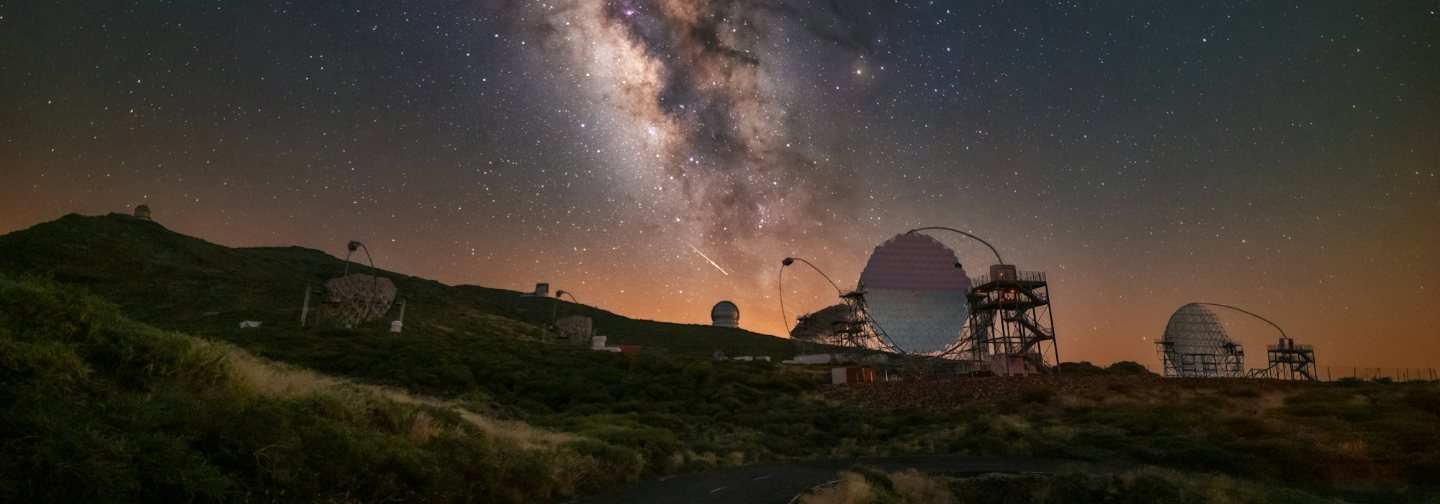
Observatory under the Milky Way at night

Science

Geology, paleontology, physics, space and the natural world

In Science, ECOnews reports on new discoveries in geology, paleontology, physics, space, health and the natural world. We explain the latest studies from universities and labs worldwide in plain language.
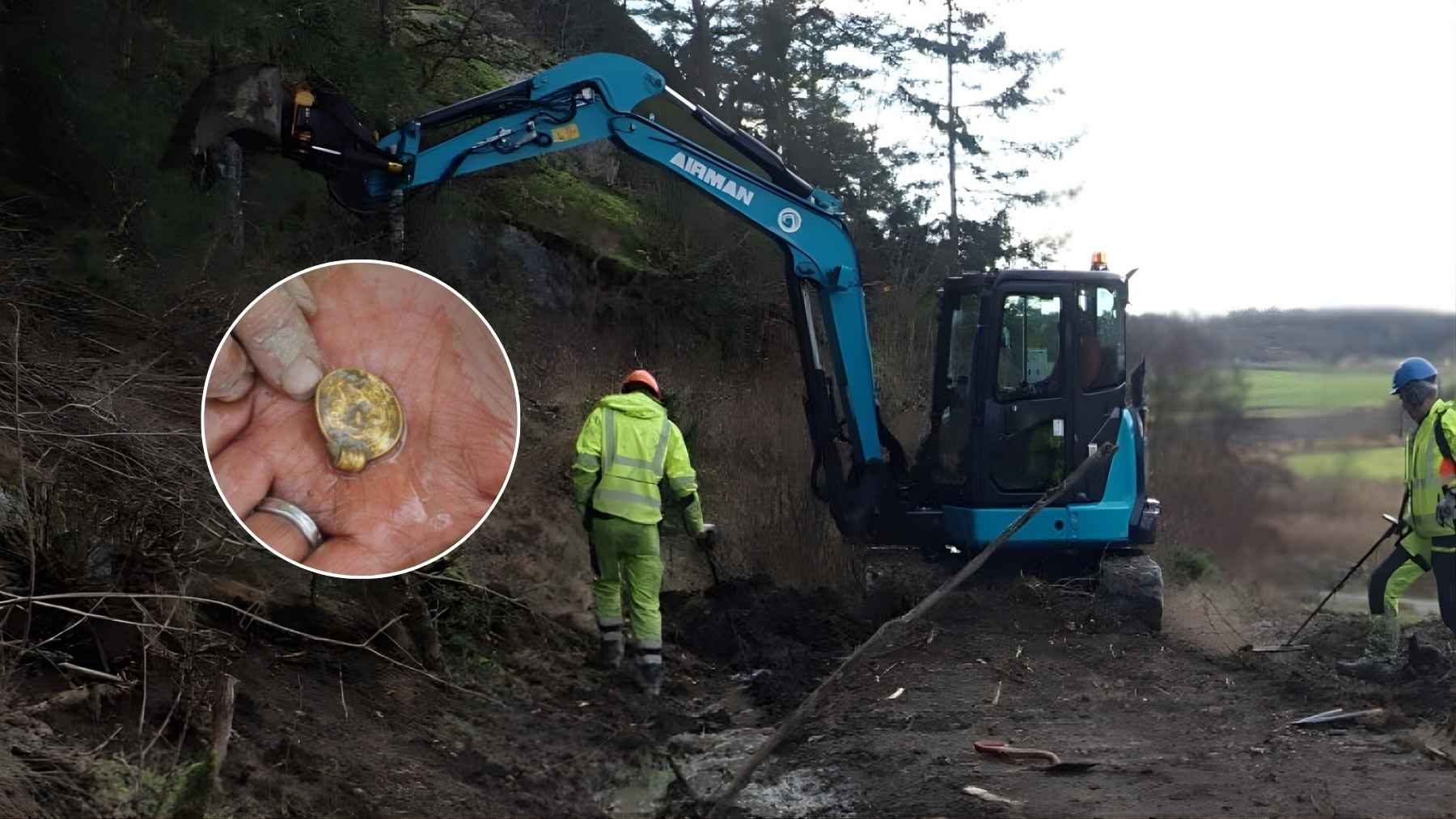
Road workers and an excavator on a hillside, with an inset showing a small gold bracteate medallion found in Norway.

A metal detectorist heard a beep in a plowed field and walked up a hillside in ancient Norway and found seven gold medallions buried and abandoned in the 6th century

—
February 4, 2026 at 10:15 AM
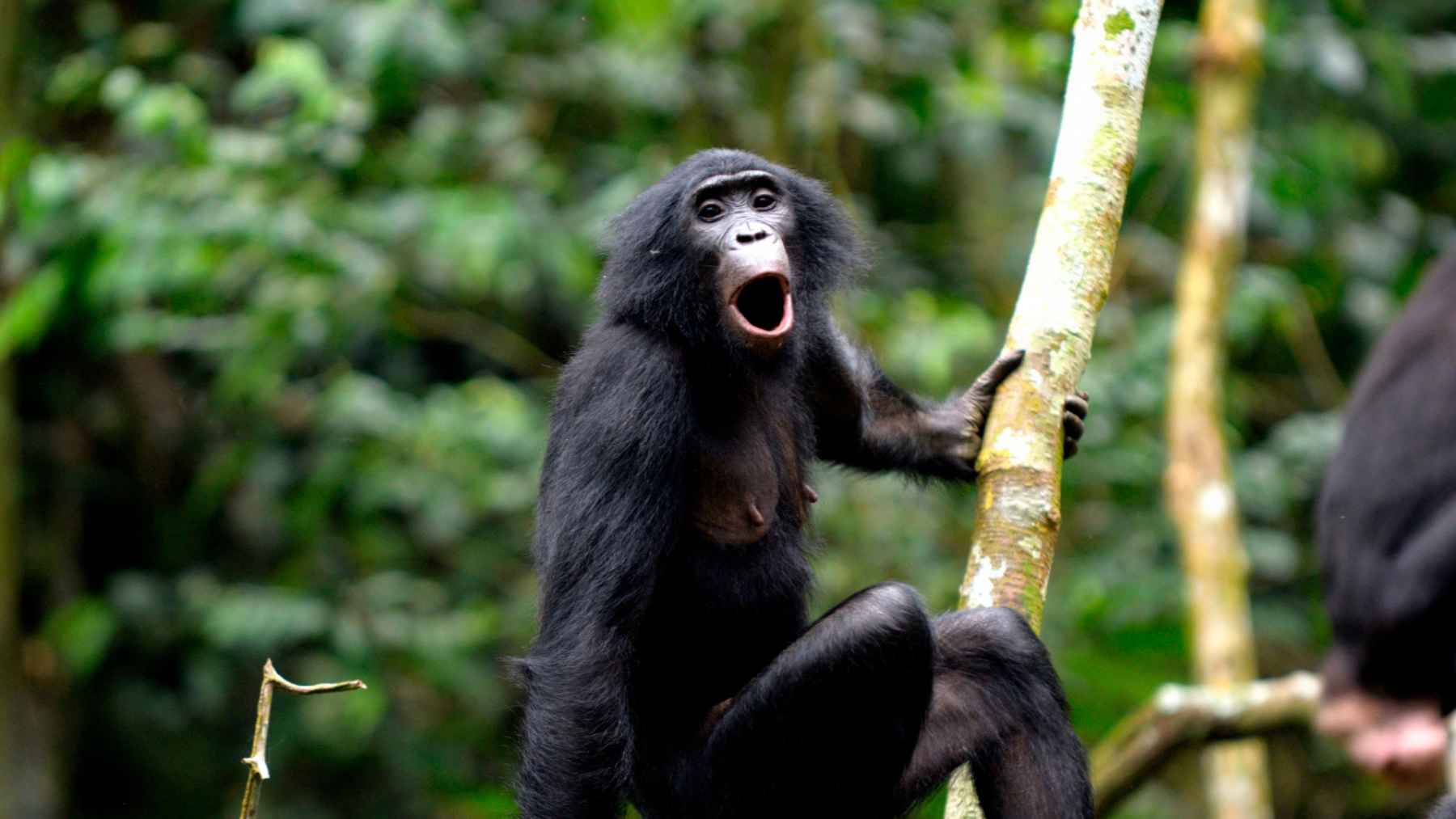
A bonobo vocalizes while gripping a tree branch in a rainforest, capturing the kinds of calls researchers analyzed for meaning.

Language is not only human: Bonobos surprise us by combining sounds into meaningful phrases

—
February 3, 2026 at 12:30 PM
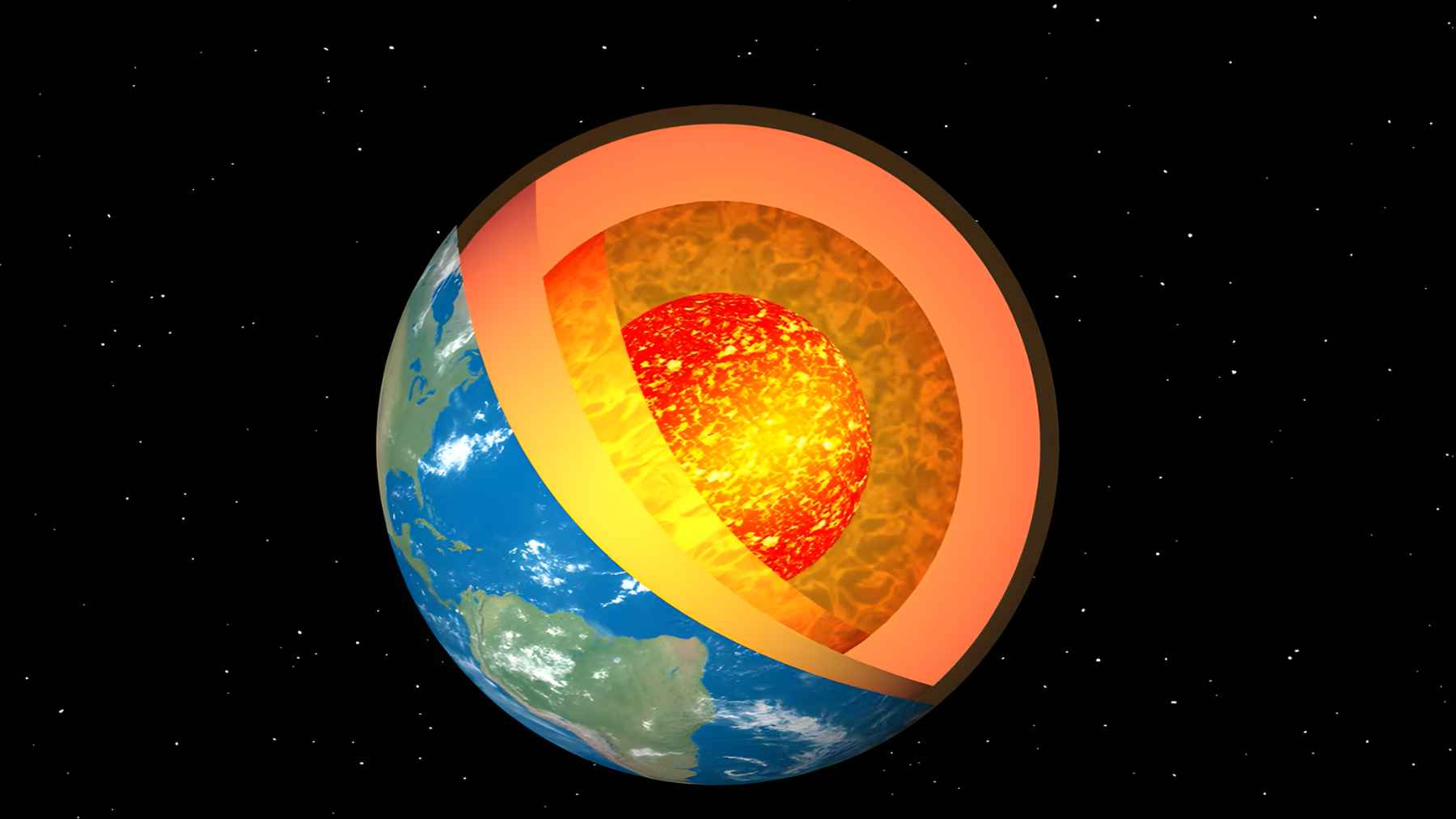
“Illustration of Earth cutaway showing the mantle, outer core, and a glowing inner core against a starry space background.”

Earth has an “inner core” that deforms in real time, and seismic waves have given it away

—
February 3, 2026 at 6:30 AM
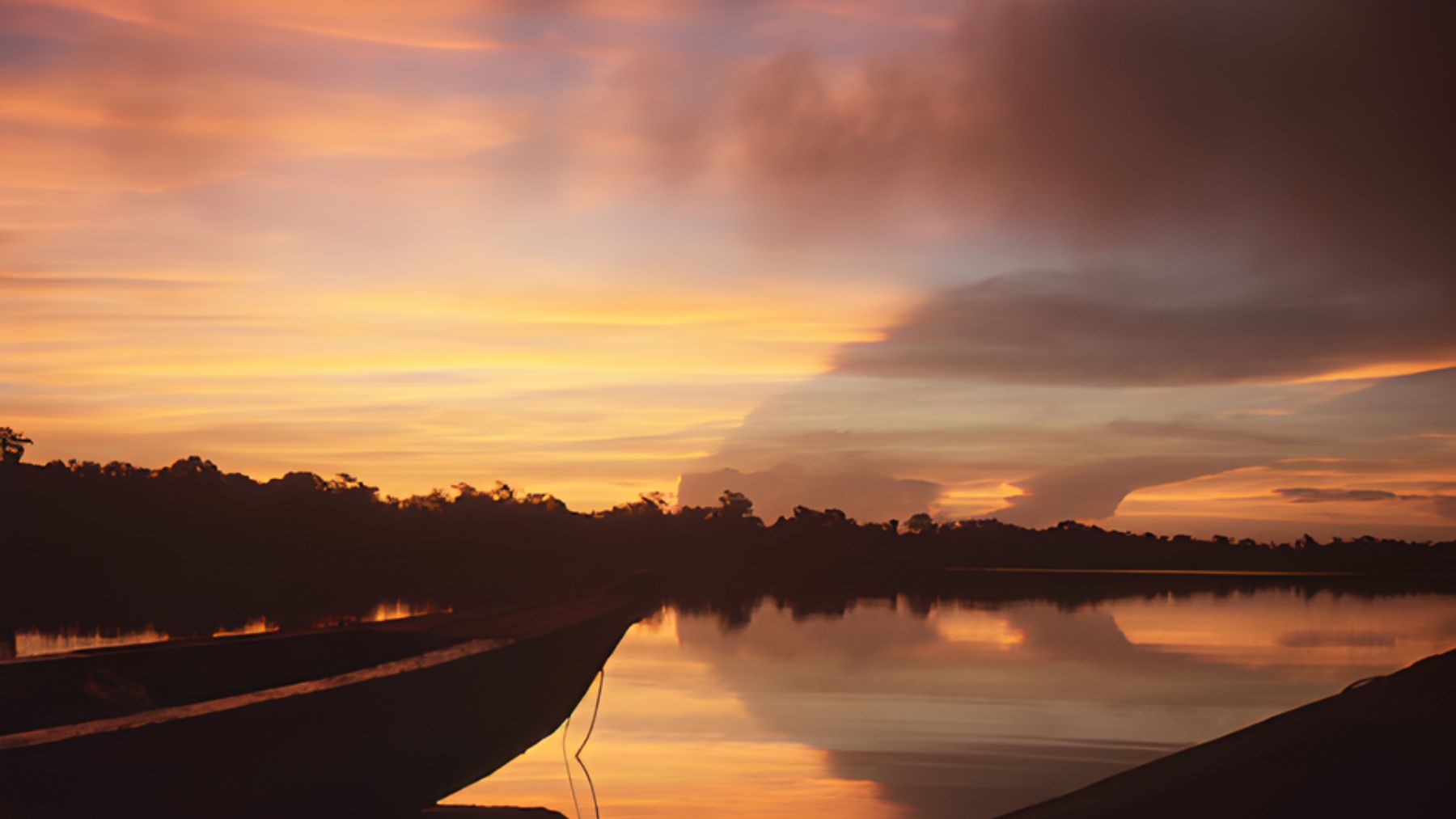
Sunset over Laguna Itzan in northern Guatemala, where lake sediments preserve a long climate record linked to Maya history.

A lake in Guatemala preserved 3,300 years of “evidence,” and now its sediments show that drought alone does not explain the Maya collapse

—
February 2, 2026 at 6:30 AM
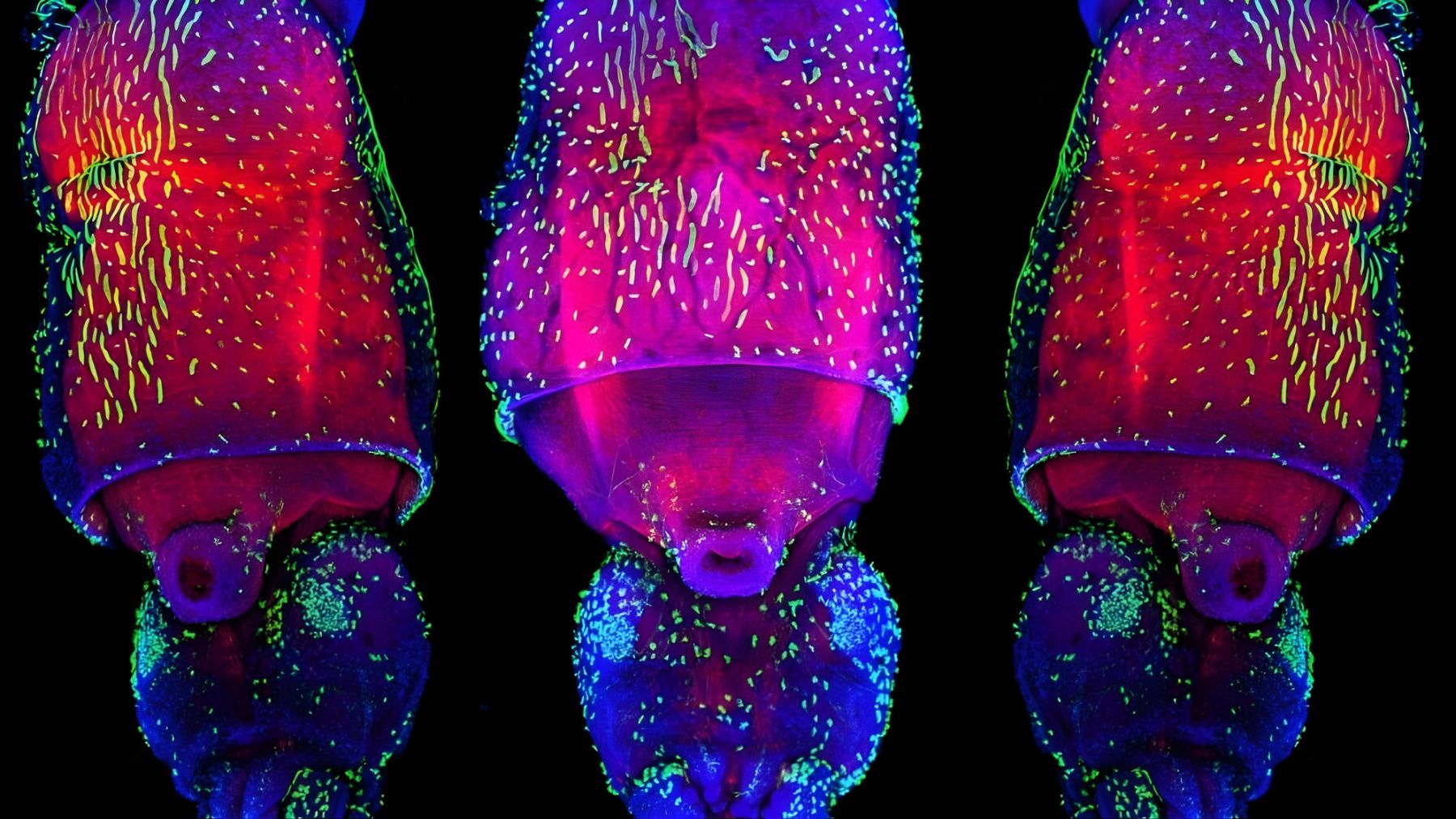
Fluorescent microscope image of longfin inshore squid embryos, used to track how nerve cells form during nervous system development.

Scientists are observing in real time how a cephalopod nervous system is built, and the pattern looks far too similar to that of vertebrates to ignore

—
February 1, 2026 at 3:00 PM
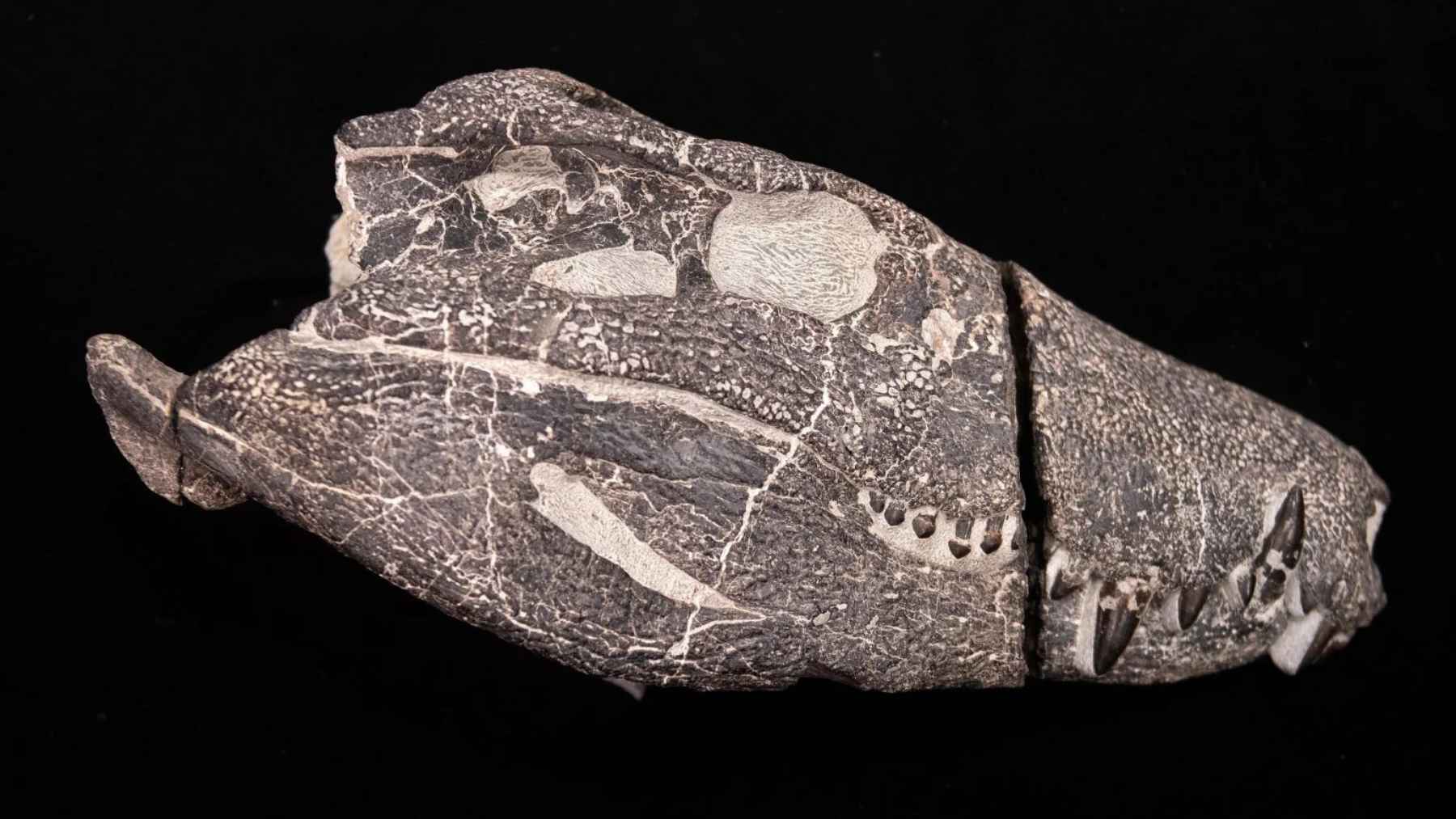
Kostensuchus atrox fossil skull from Patagonia, a 70-million-year-old crocodile relative with serrated predator teeth

A team was excavating in Patagonia when they saw dark fragments inside a closed rock, and now they are talking about a predator that no one had put on the map

—
January 31, 2026 at 5:00 PM
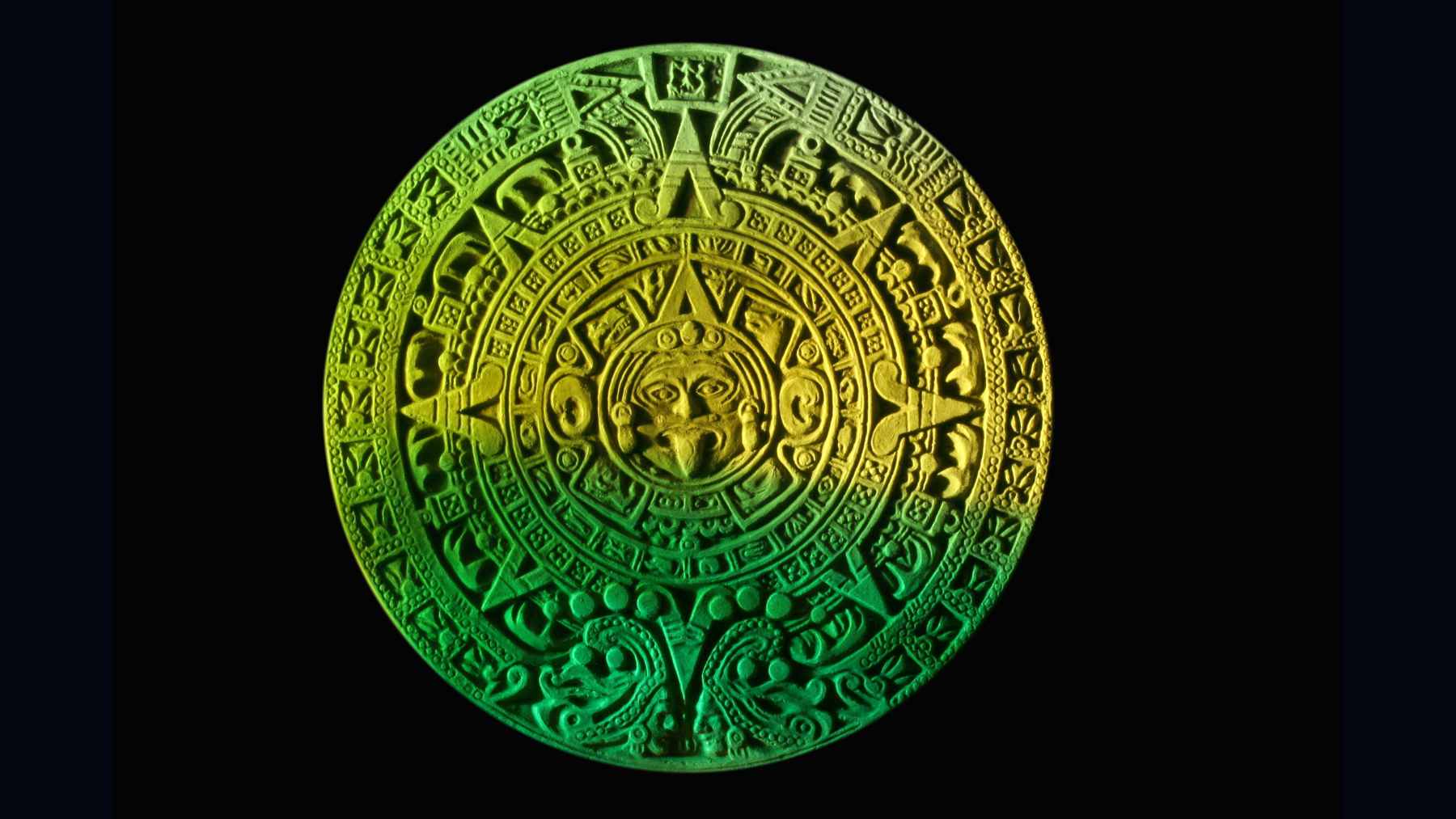
Green-lit Maya calendar stone wheel, used as a visual reference for a new explanation of the 819-day cycle and long-term sky timing.

Researchers explain the Maya 819-day calendar: it lines up with the visible planets over a 45-year cycle

—
January 30, 2026 at 5:00 PM
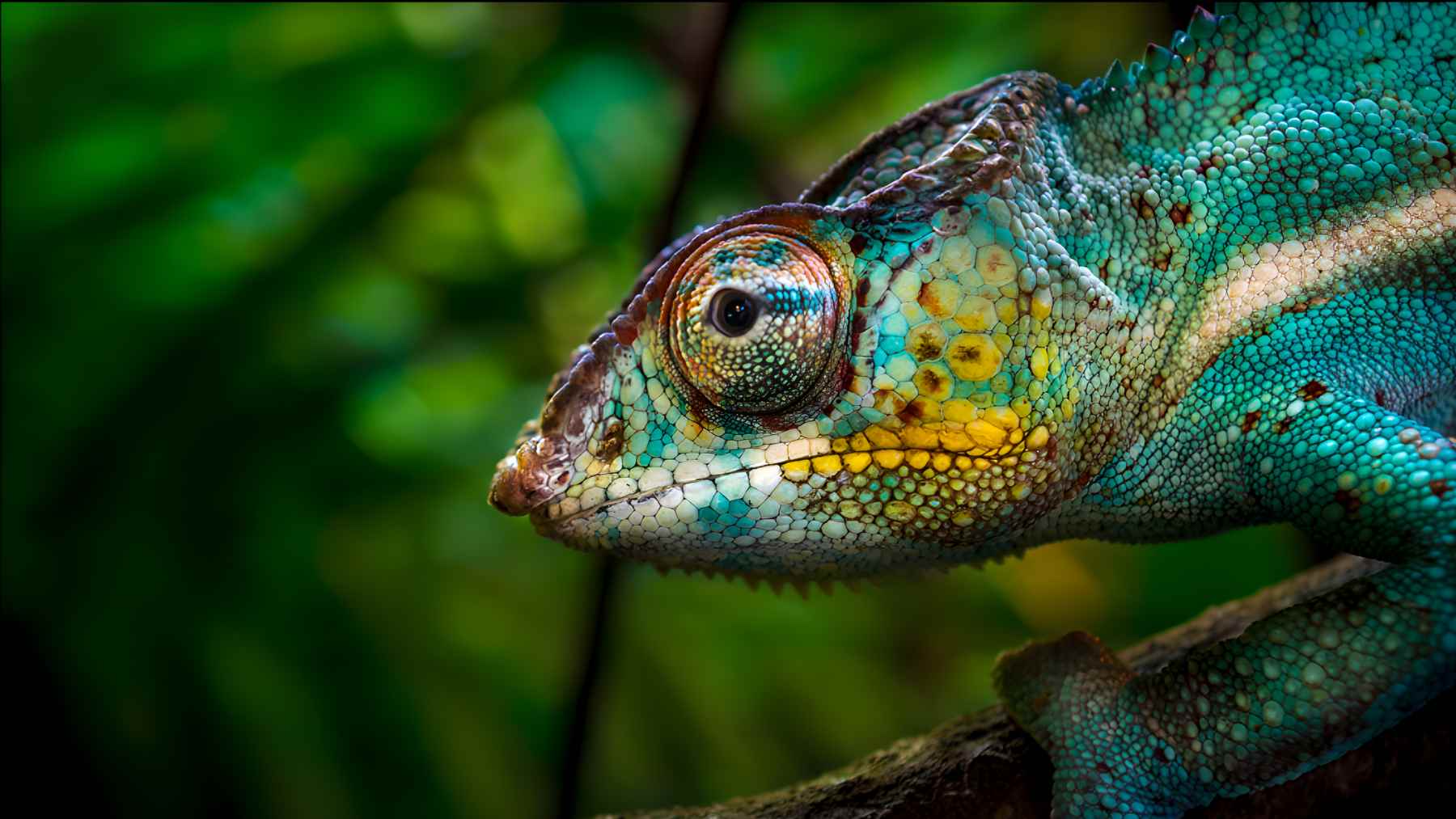
Close-up of a chameleon showing its turret-like eye, a trait explained by newly identified coiled optic nerves inside the skull.

For 2,000 years, no one could fully explain why chameleons’ eyes seem to live separately, and the answer was coiled inside the skull in the form of an old telephone cable

—
January 30, 2026 at 3:00 PM
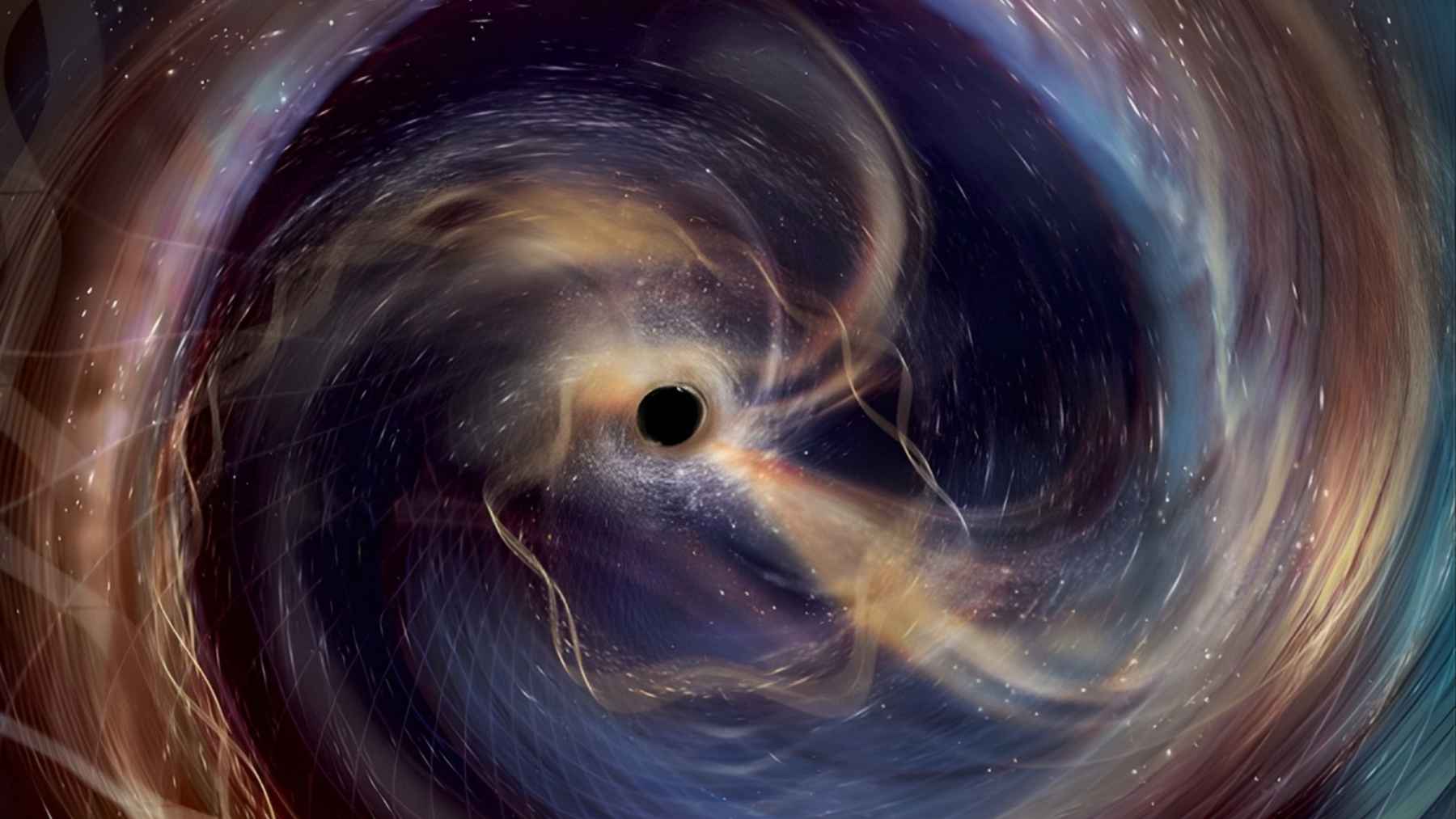
Artist illustration of a black hole merger emitting gravitational waves, shown as swirling light around a dark central horizon.

The loudest gravitational wave ever heard comes from 2025 and tests Hawking’s rule with almost absurd precision

—
January 30, 2026 at 8:45 AM
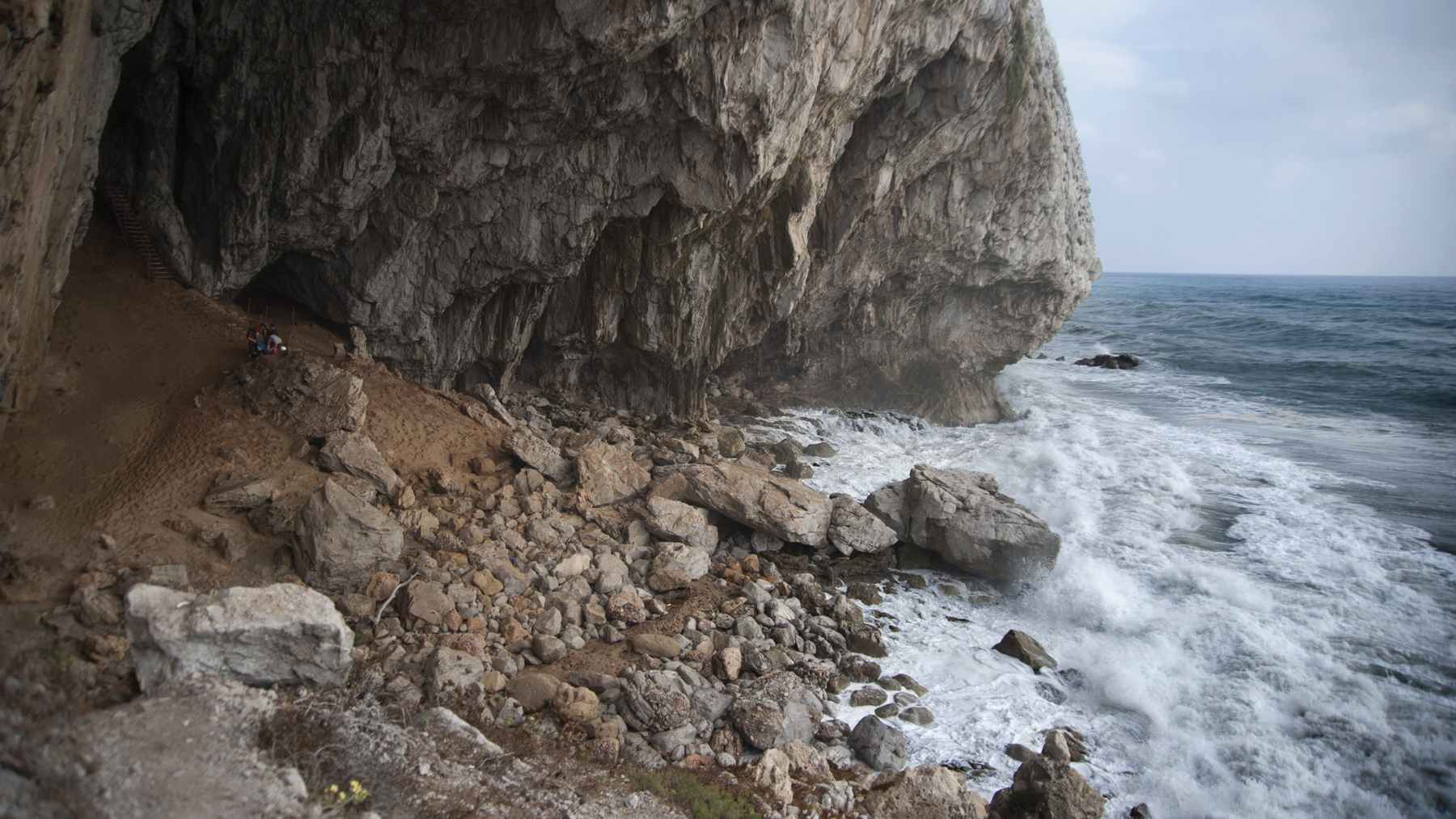
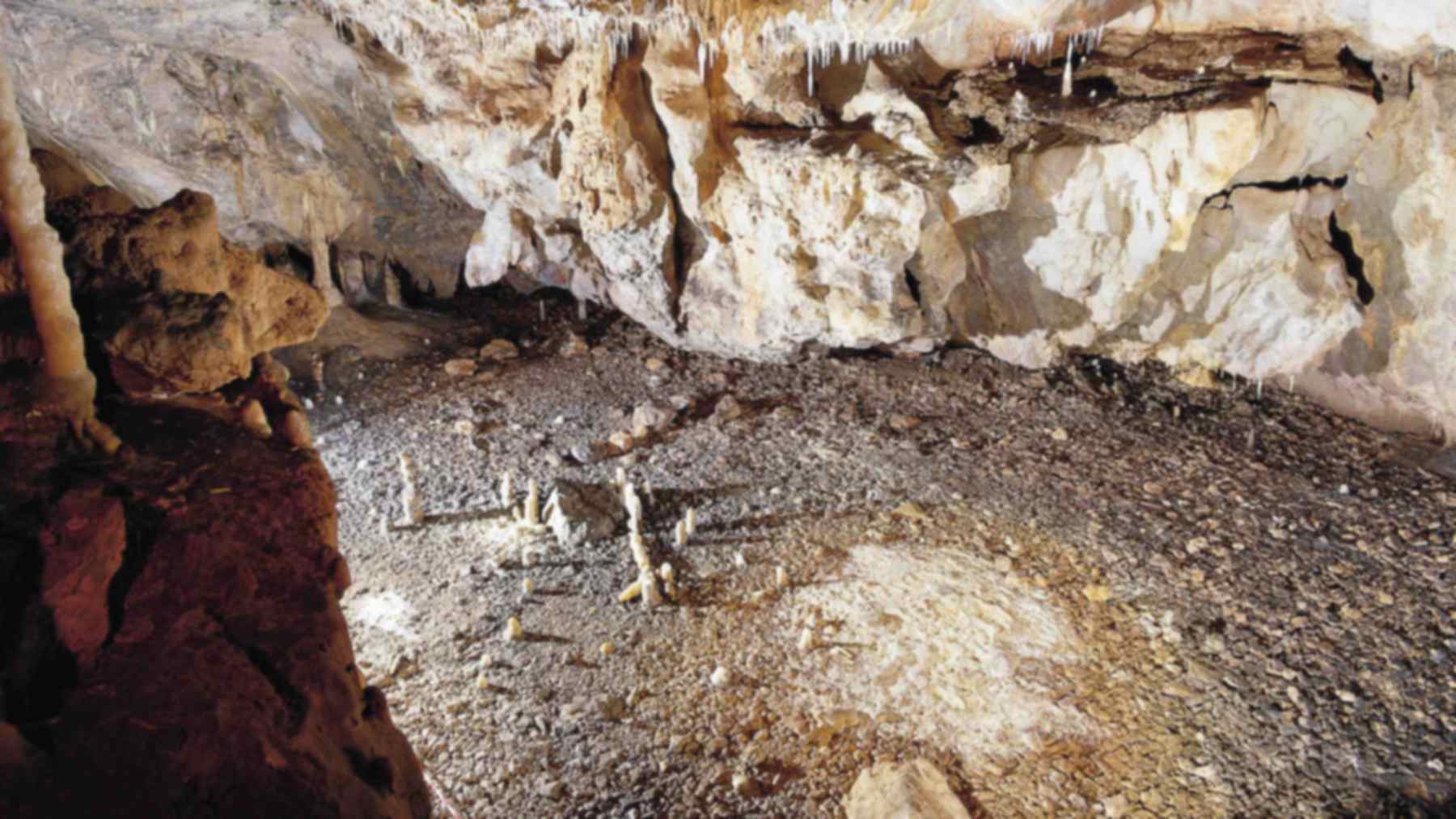
Vanguard Cave on Gibraltar’s Mediterranean cliffs, where archaeologists found a chamber sealed for 40,000 years with Neanderthal clues.

Archaeologists open a chamber sealed for 40,000 years, and what they find beneath the sand in Gibraltar changes what we thought we knew about Neanderthals: coastal hunters, glue makers, and Paleolithic artists

—
January 29, 2026 at 10:15 AM
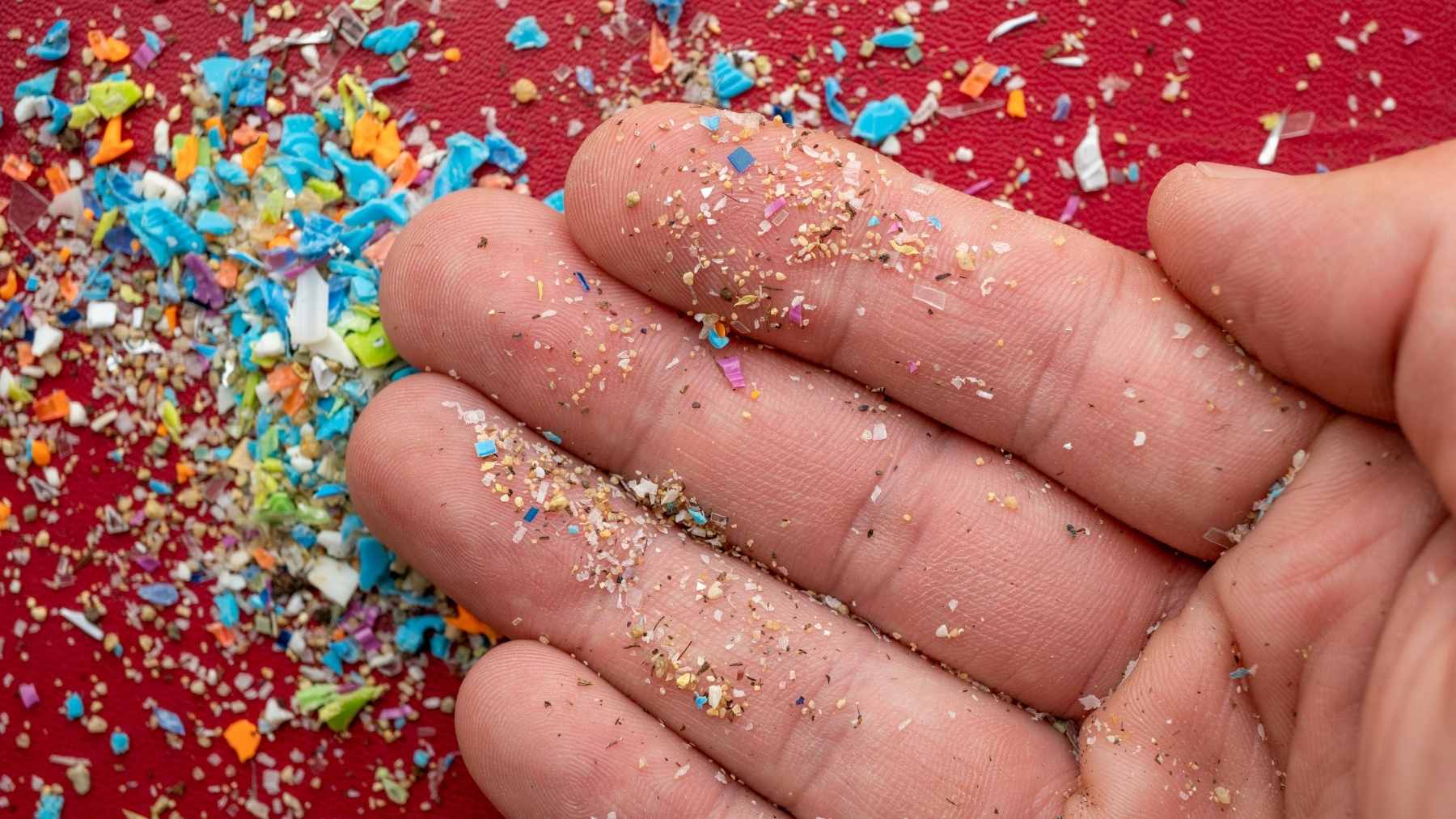
Tiny multicolored plastic fragments and particles on a human hand, illustrating microplastics detected in human brain tissue.

Scientists find microplastics inside the human brain for the first time… and they’re not alone: there are more than in the liver and kidneys combined

—
January 29, 2026 at 9:12 AM
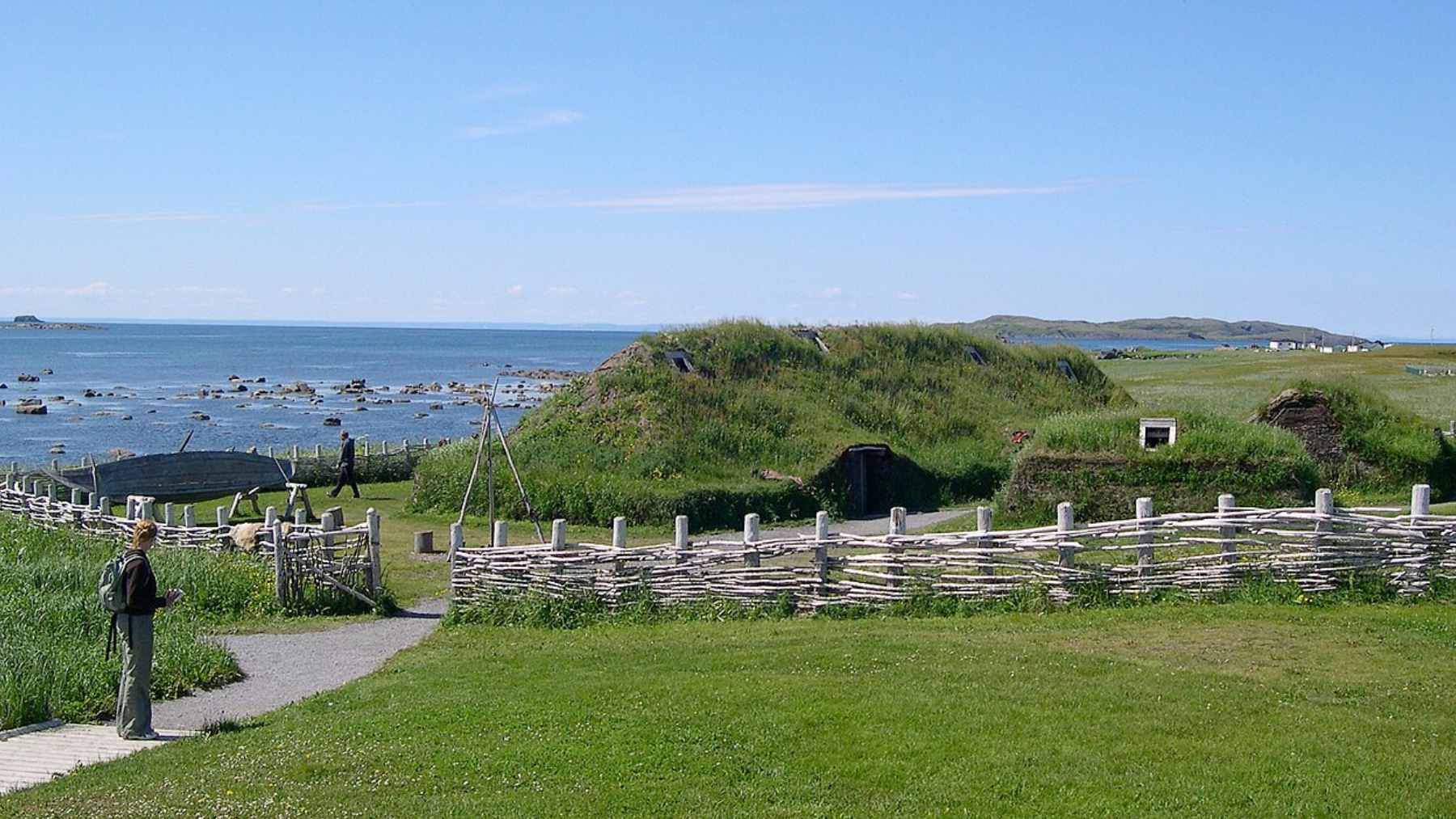
A reconstructed Viking turf house at the L’Anse aux Meadows archaeological site in Newfoundland, Canada.

It wasn’t Columbus, nor was it a myth: a solar storm in the year 993 left its mark on trees… and a thousand years later helped discover the exact year the Vikings arrived in America

—
January 28, 2026 at 10:15 AM
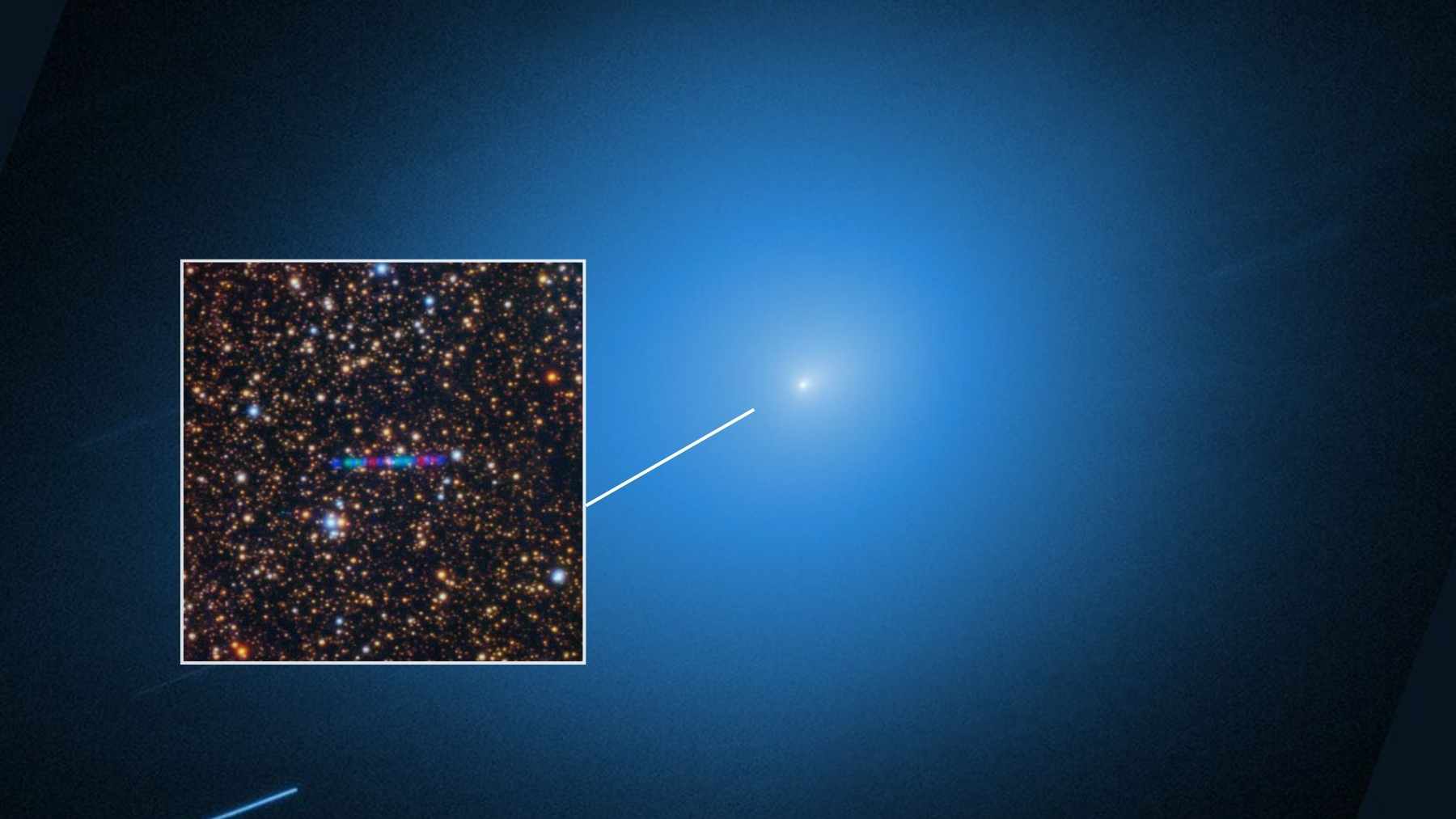
Inset image points to faint interstellar object 3I/ATLAS against a star field, shown with a blue glow and an arrow marking its position.

The countdown has begun: in a few days, the truth about 3I/ATLAS will be revealed

—
January 27, 2026 at 3:00 PM
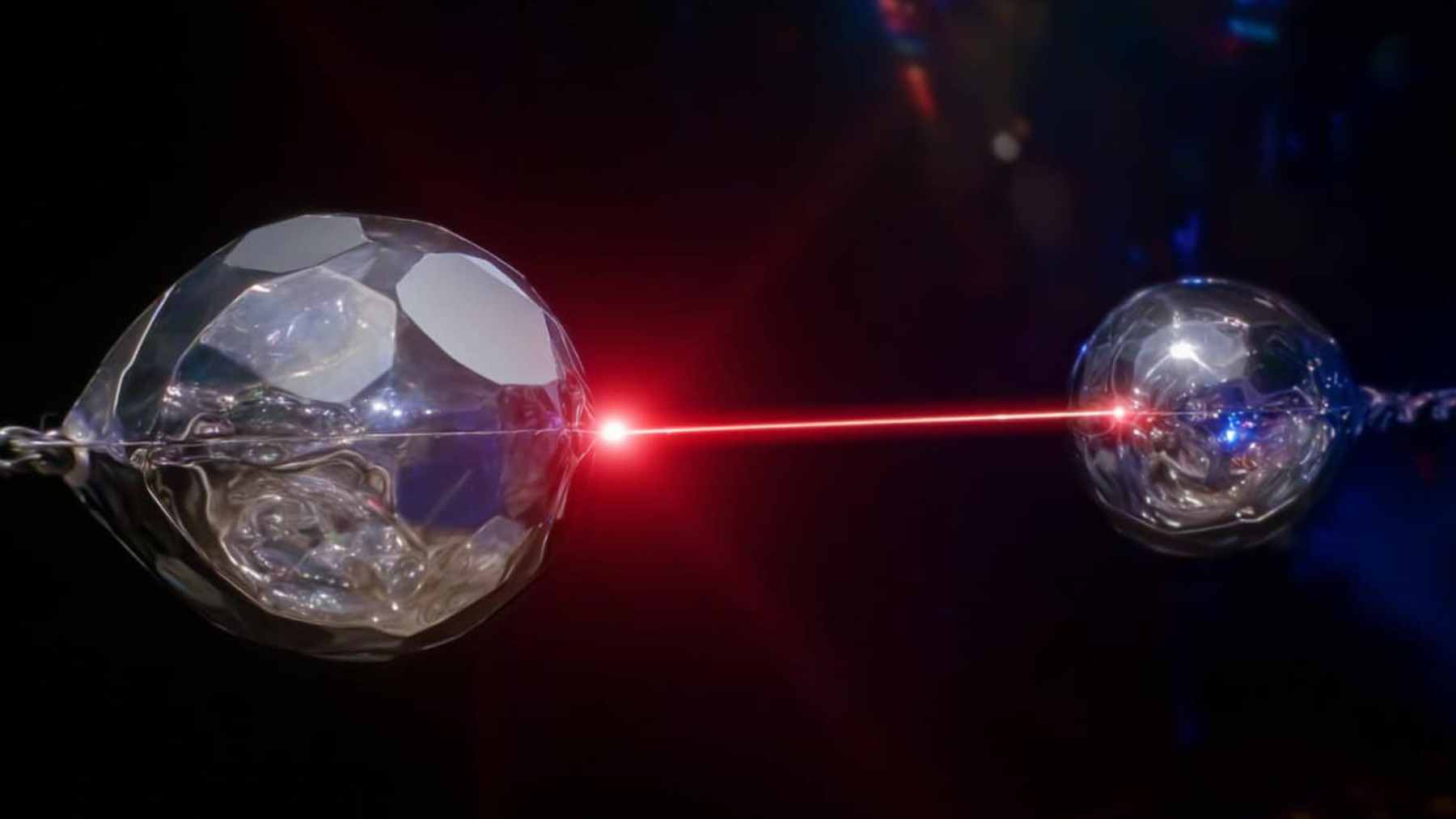
Physicists in Stuttgart examine optical equipment used to teleport quantum information between photons in a laboratory experiment.

In a laboratory, they manage to teleport quantum information between photons born in different crystals, and the technical detail that makes this possible sounds like the internet of the future

—
January 27, 2026 at 12:30 PM
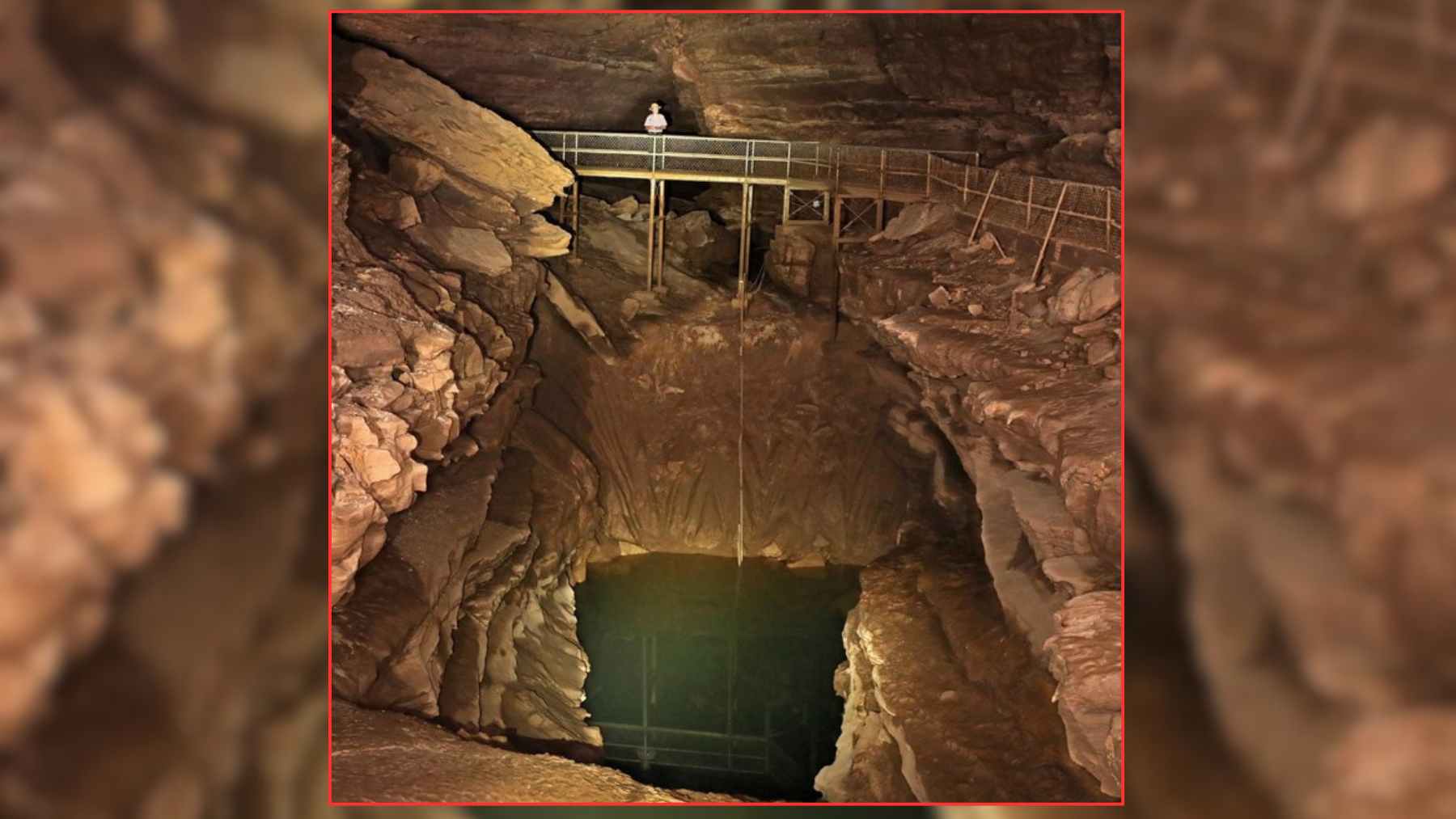
Mammoth Cave National Park interior showing a deep vertical shaft and catwalk, where a ranger helped spot ancient shark fossils in the ceiling rock

You enter Mammoth Cave looking for darkness… and encounter sharks: a park ranger discovers fossils of 10–12-foot predators that swam here 325 million years ago on the ceiling of this cave

—
January 27, 2026 at 6:30 AM
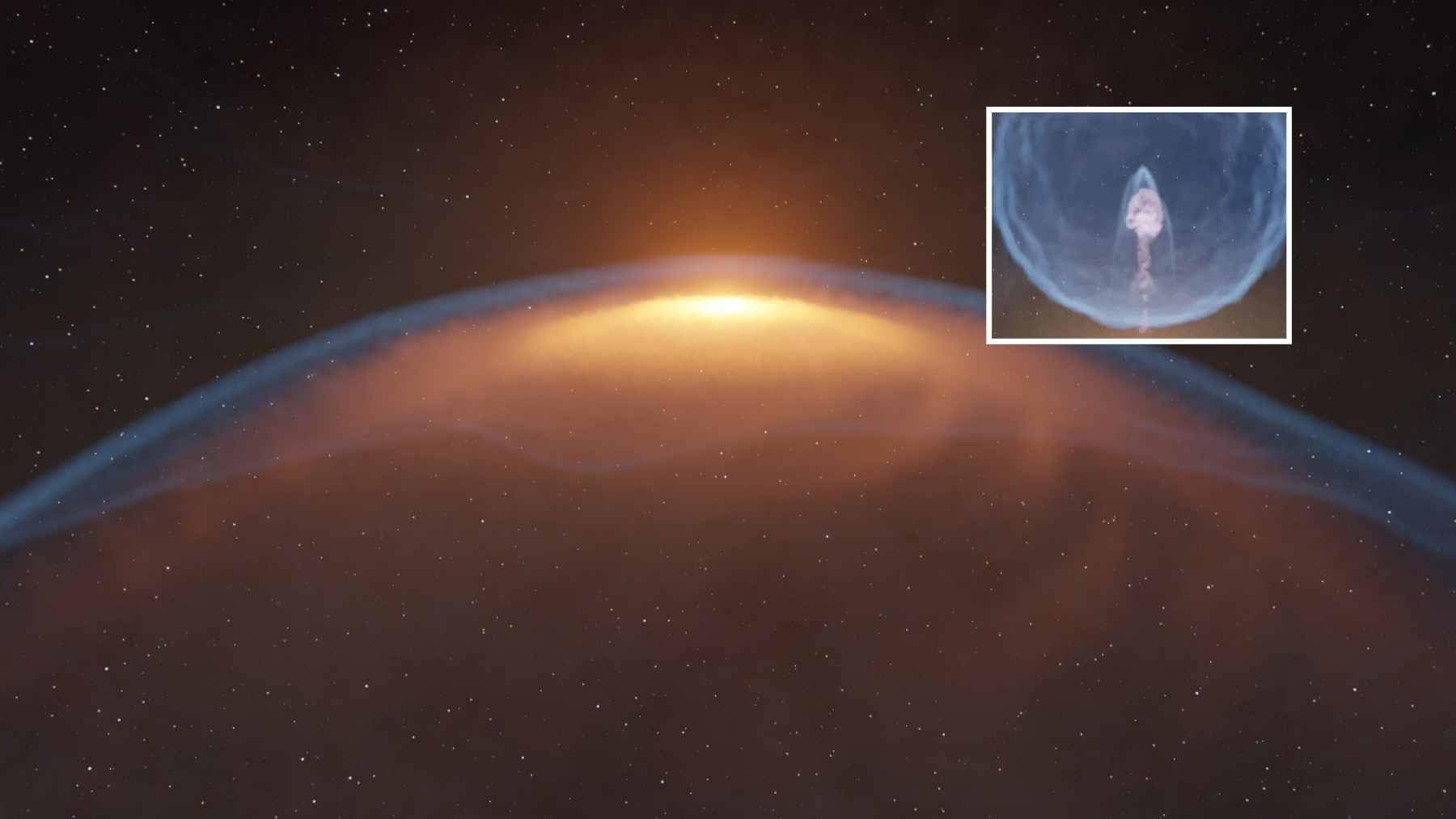
Artist’s impression of a baby star’s jet creating a bubble that distorts its own protoplanetary disk, based on ALMA data of WSB 52.

Images capture how a baby star shoots a jet at full speed 440 light-years away and the “rebound” ends up hitting its own disk where planets are born

—
January 26, 2026 at 1:30 PM
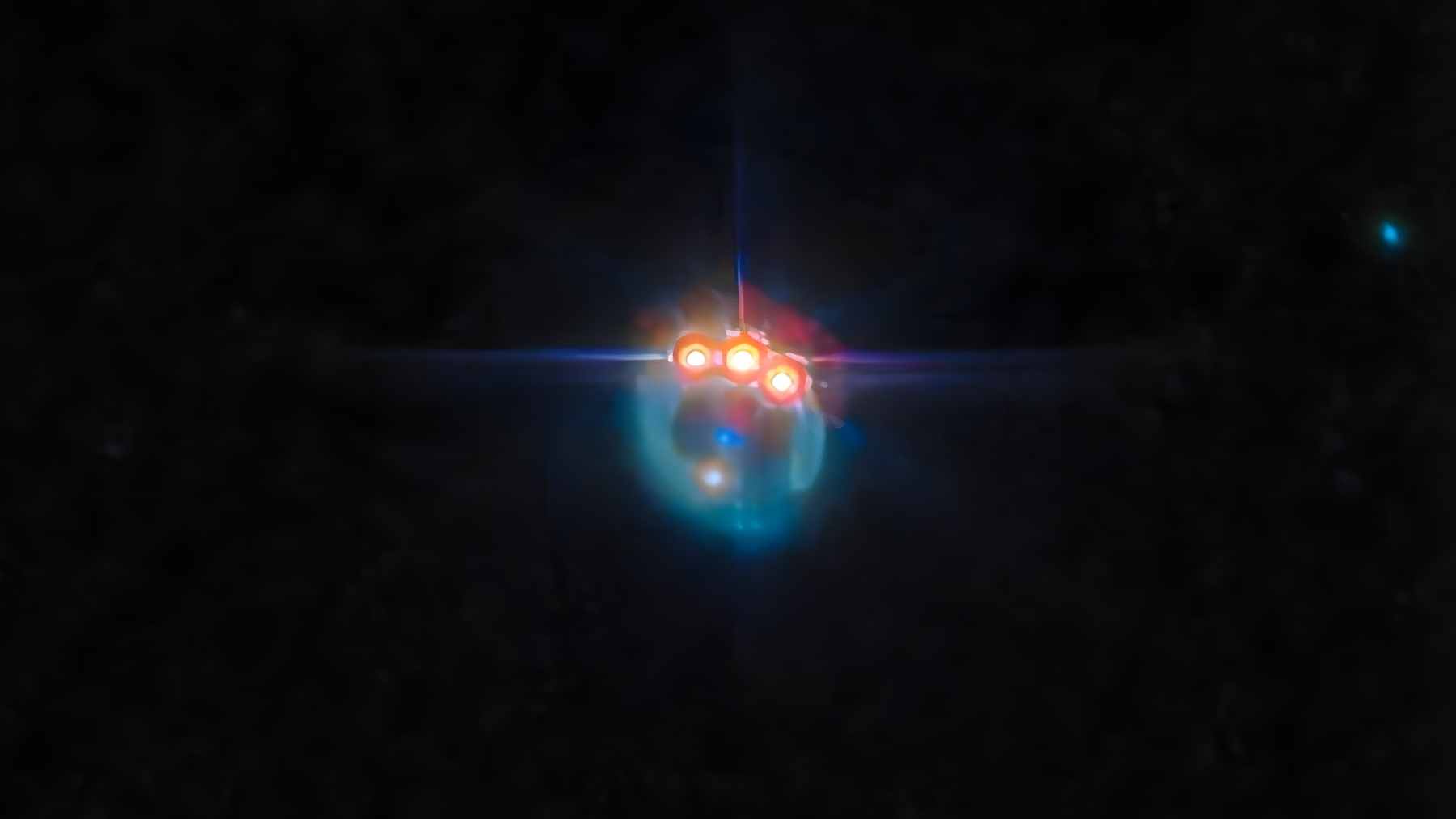
Four gravitationally lensed images of quasar RX J1131 reveal the glowing corona surrounding a supermassive black hole.

Four images of the same quasar reveal the “aura” of a black hole 6 billion light-years away, and its size surprises even astronomers

—
January 26, 2026 at 6:30 AM
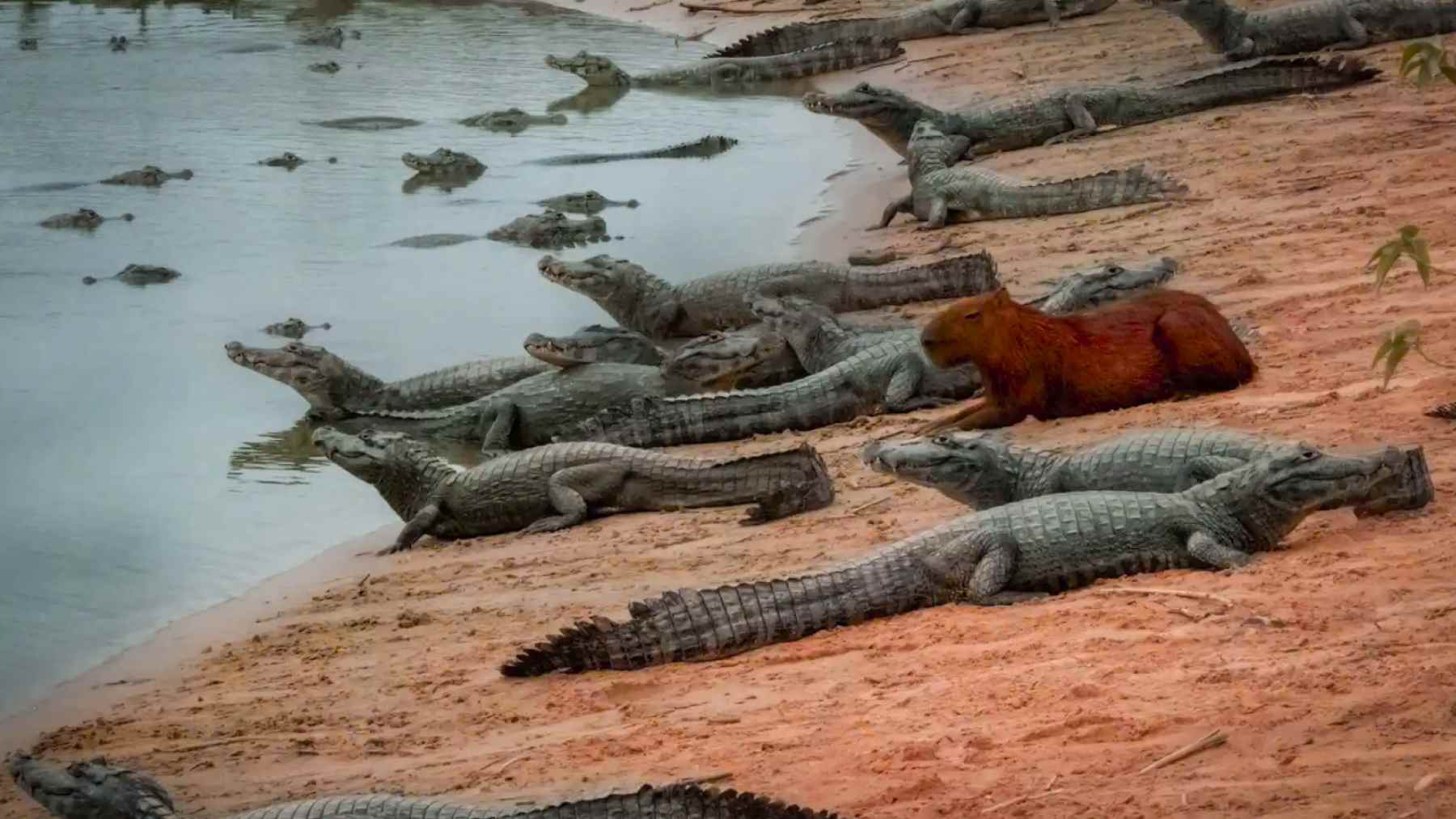
Capybara resting among yacare caimans on a Brazilian riverbank, showing an unusual calm between predator and prey.

The strangest “truce.” A capybara was filmed sleeping next to a massive caiman, and the explanation is not friendship. It is pure survival

—
January 25, 2026 at 3:38 PM
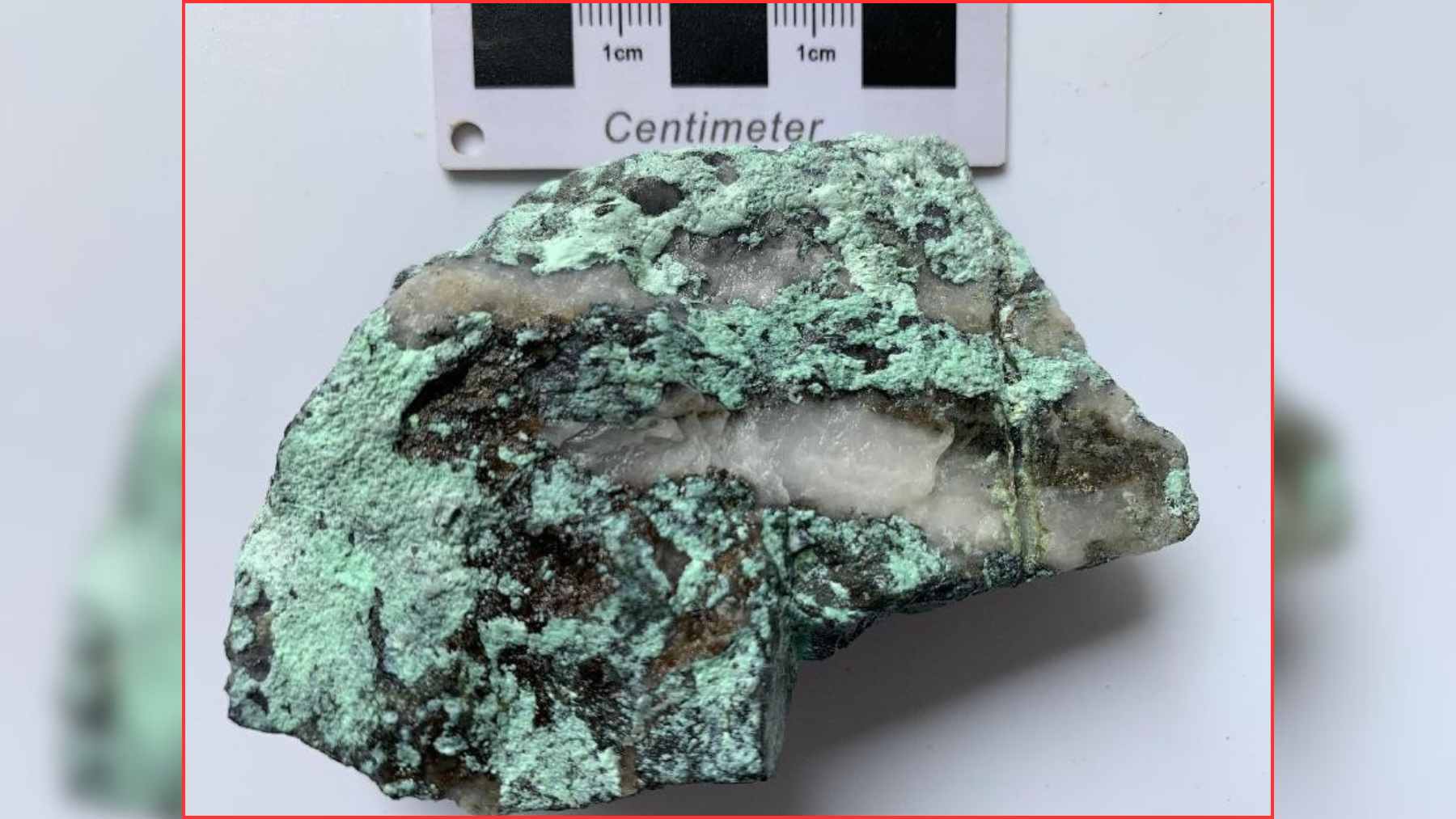
Jinxiuite discovery site rock sample from the Longhua nickel-cobalt deposit in Guangxi, China, shown with a centimeter scale.

Chinese geologists confirm Jinxiuite, a new mineral found in Guangxi’s Longhua nickel-cobalt deposit

—
January 25, 2026 at 10:45 AM
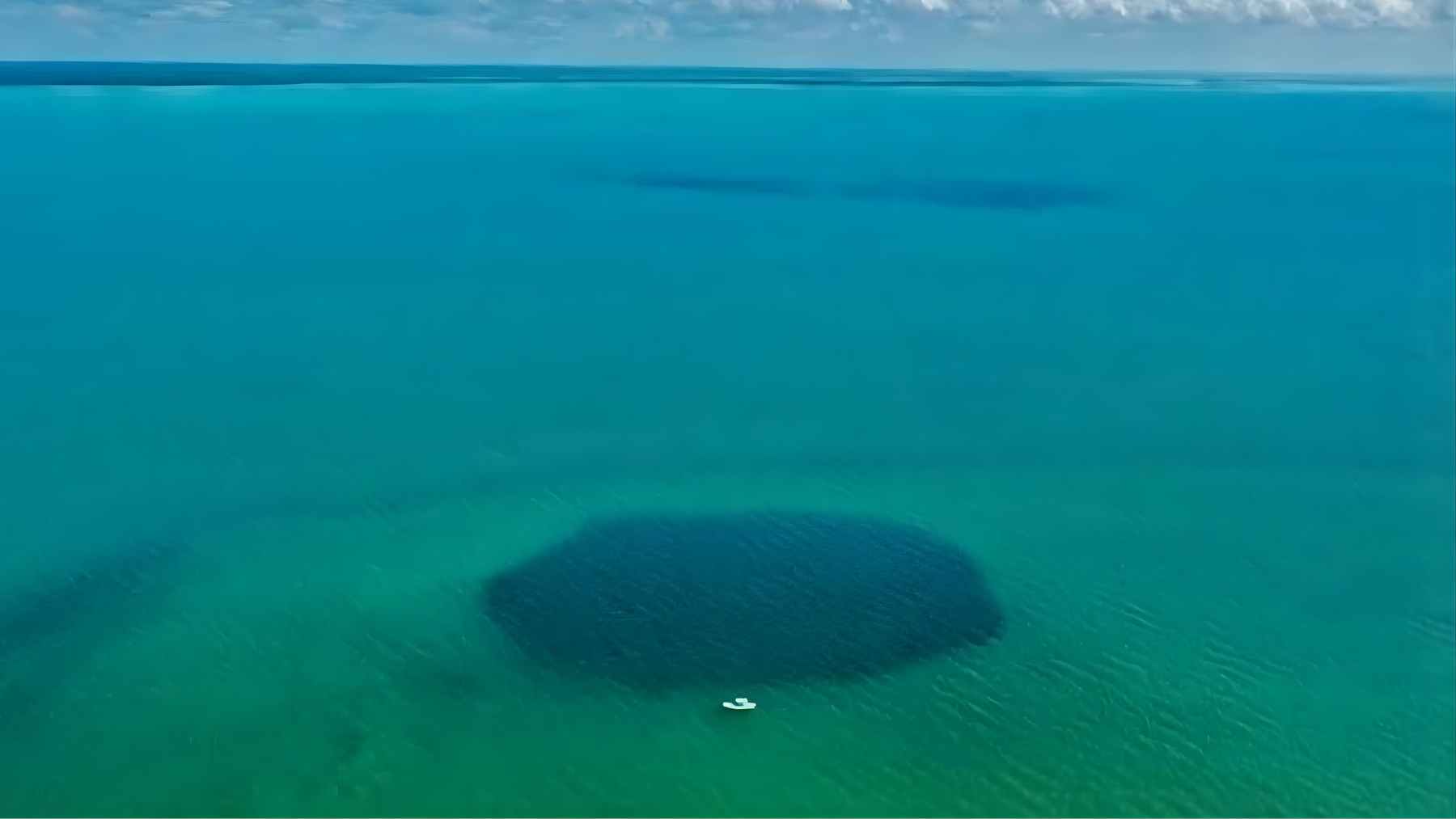
A dark circular patch marks the Taam Ja blue hole in Chetumal Bay, Mexico, seen from above with a small boat nearby.

Some fishermen mentioned a strangely calm patch of water, so scientists lowered their instruments and discovered a drop that seems to have no end

—
January 25, 2026 at 6:30 AM
Previous Next

ECOnews newsletter

The best environment stories, straight to your inbox

ECOnews is the English-language edition of ECOticias.com, focused on environmental and sustainability news for a global audience: mobility, energy, economy, technology, science, environment and trending stories.

© 2026 ECOnews · ECOticias.com, the green newspaper since 2004 ↑ Top