Science

Earth over cracked dry ground symbolizing global water scarcity and “Day Zero” drought risk

Goodbye to drinking water: “Day Zero” will arrive sooner than you thought, and science already knows when and where it will happen

January 16, 2026 at 6:44 PM
Satellite chlorophyll-a map of the Gulf of Panama showing plankton-rich waters linked to seasonal upwelling.

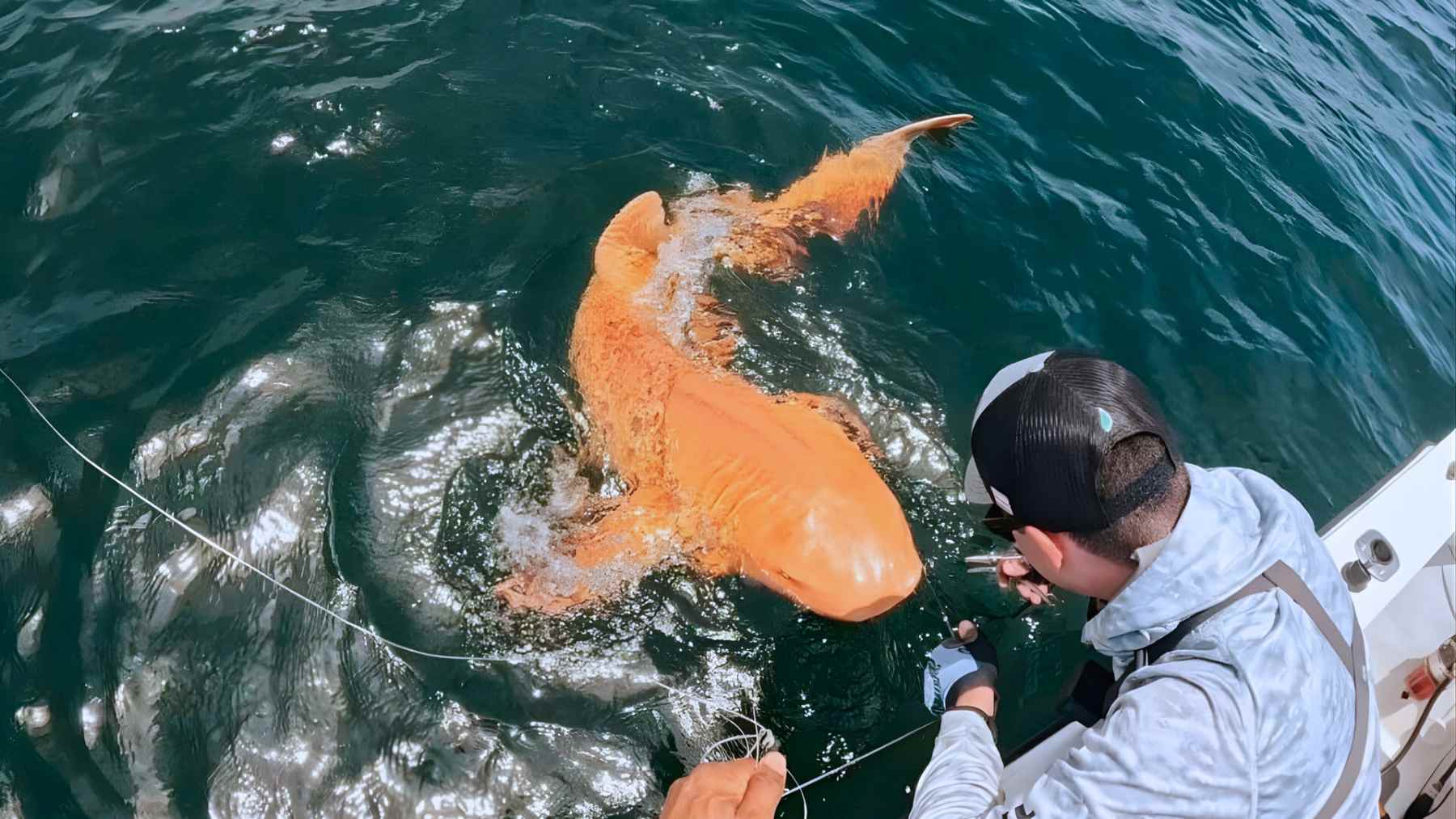
The Panama Sea stopped “breathing” in 2025, and what satellites and fishermen saw had never been recorded in four decades

January 16, 2026 at 1:54 PM
Illustration of a powerful gamma-ray burst explosion, with a bright central flash and expanding energy waves in deep space.

They captured a gamma-ray burst lasting just 10 seconds, and the question is no longer what it was, but how it could have traveled almost 13 billion years to arrive right now

January 16, 2026 at 10:15 AM
A skier descends a snowy slope on Mount Etna as a lava glow and thick ash plume rise behind the ridge in eastern Sicily.

A skier was carving turns in the freshly fallen snow when, behind the ridge line, a volcano began spewing ash and smoke as if winter had run out of sky in Sicily

January 16, 2026 at 8:45 AM
NGC 6789, a compact dwarf galaxy with a bright bluish core, surrounded by a dense star field in a deep-sky image.

A new telescope points to the Local Void and discovers something puzzling: the loneliest galaxy continues to ignite stars with a blue core that should not exist

January 16, 2026 at 6:30 AM
Satellite view of Spain’s Mar Menor coastal lagoon and the La Manga sandbar separating it from the Mediterranean Sea.

The Mar Menor hides an underground river that no one could see, and every year it leaves a toxic “signature” underwater where thousands of people swim

January 15, 2026 at 6:30 PM
Total solar eclipse seen from space as the Moon blocks the Sun above Earth, with a bright corona glowing around the dark disk.

The eclipse that many are already calling the eclipse of the century is coming, and what is disturbing is not only the darkness but also how slowly its shadow will advance

January 15, 2026 at 5:00 PM
Cutaway illustration of Earth showing the mantle and core, highlighting deep interior layers near the core-mantle boundary.

Two giant “spots” under Africa and the Pacific have been puzzling geologists for decades, and a new model suggests they could be the key to why life exists here

January 15, 2026 at 3:00 PM
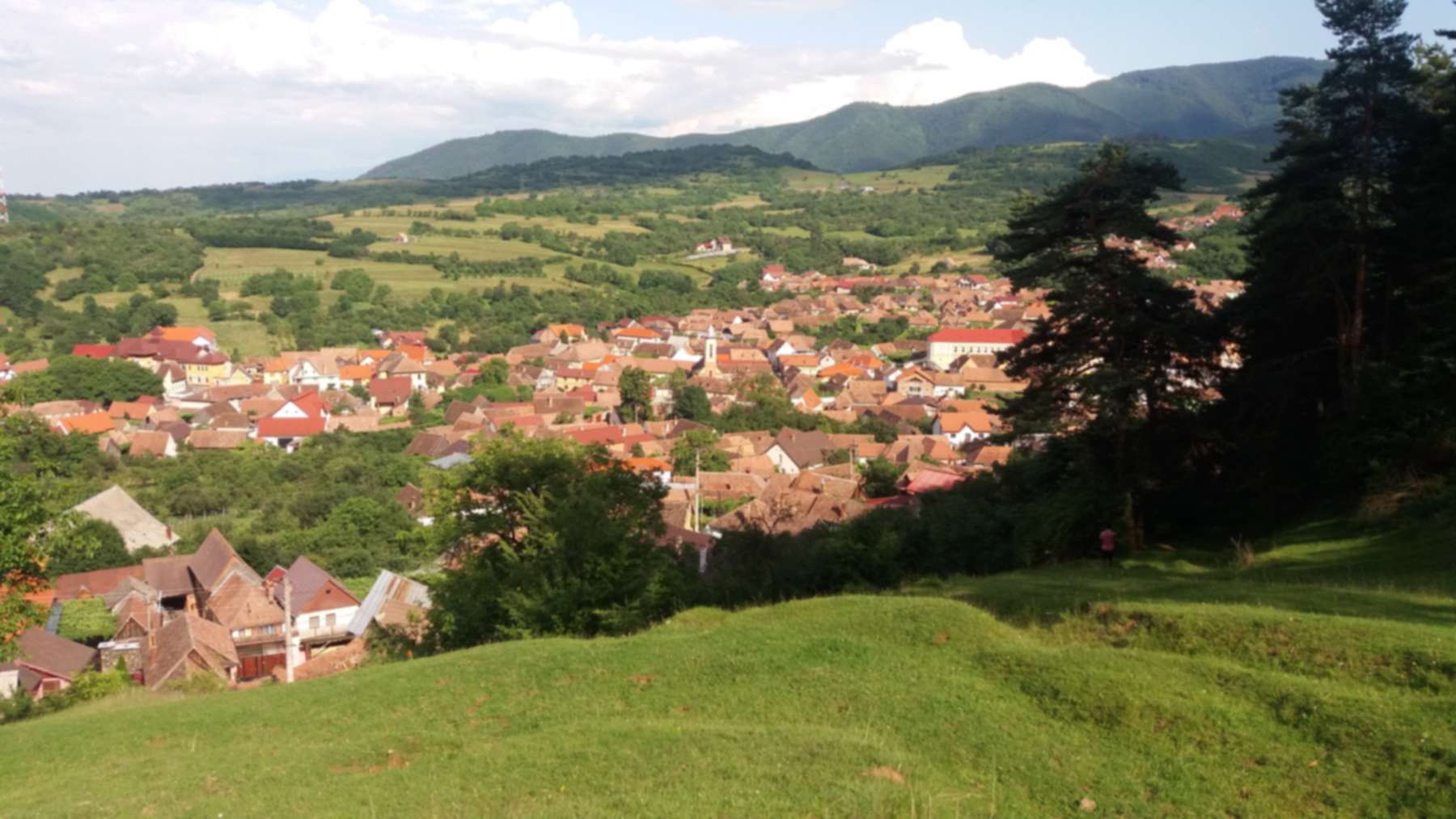
Mountain reservoir and hydroelectric dam in Romania’s Carpathians, with a curved concrete wall holding back a long lake between green ridges.

Hidden in the Carpathian Mountains at an altitude of 1,300 meters is a gigantic hydroelectric power plant that was once called the greatest in Europe, yet almost no one knows about it

January 15, 2026 at 10:15 AM
Illustration of a tokamak fusion reactor chamber with a bright ring of superheated plasma confined by magnetic fields.

South Korea has just maintained a stable plasma inferno for six minutes, and scientists say this is a game changer

January 15, 2026 at 6:30 AM
Artist illustration of the “Cosmic Grapes” galaxy, showing multiple bright star-forming clumps inside a young rotating galaxy in the early universe.

It looked like a quiet galaxy from afar, but upon closer inspection, a “cluster” of stars appeared that should not have existed so soon after the Big Bang

January 14, 2026 at 12:30 PM
ALMA and VLA composite image of protostar SVS 13’s jet in NGC 1333, highlighting multiple ring-shaped shells that trace past outbursts.

A cosmic jet looked like just a bright trail, but ALMA has discovered that it is actually a secret archive of a star’s violent childhood

January 14, 2026 at 10:15 AM
Artist illustration of Cambrian seafloor life, including trilobites and other marine animals, before an ancient ocean die-off.

530 million years ago, the oceans filled with an invisible, lethal gas, and nearly half of all marine life disappeared with no escape

January 14, 2026 at 6:30 AM
Composite image showing a rocket payload fairing in a cleanroom and ISRO’s SpaDeX Target and Chaser satellites prepared side by side.

Two satellites the size of a refrigerator sought each other out in orbit, docked with pinpoint accuracy, and placed India in a very exclusive space club

January 13, 2026 at 6:30 PM
Infinity Galaxy seen by JWST, with a marker pointing to the central region where astronomers detect a powerful source that may be a newborn black hole

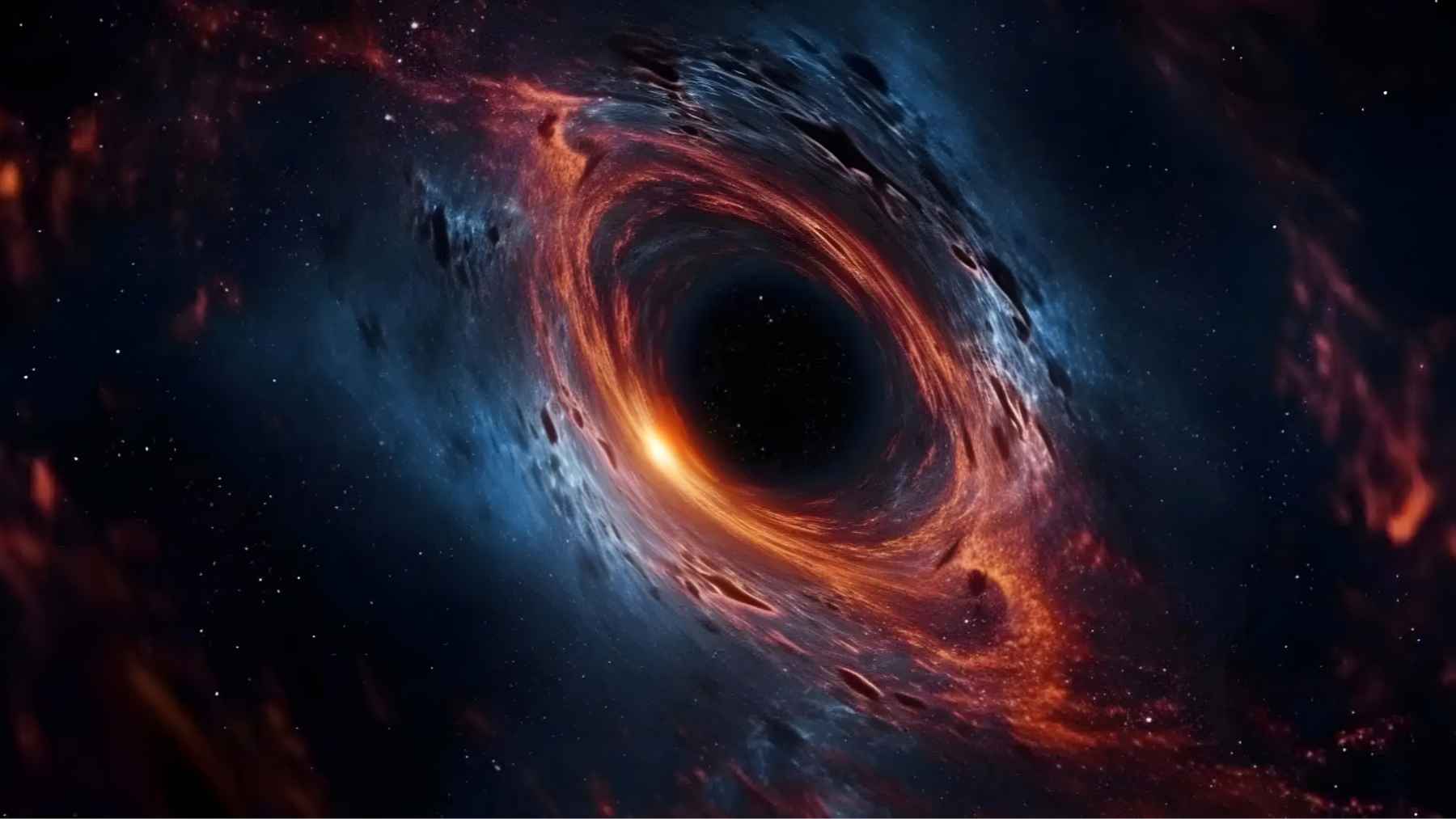
Webb looked at old files and found something so strange that it could be showing the birth of a giant black hole in real time

January 13, 2026 at 10:15 AM
People stand amid collapsed buildings in Haiti, with an InSAR satellite deformation map overlay showing post-quake ground movement and the epicenter

After the major earthquake in Haiti, something continued to move underground for weeks, and scientists have just discovered what it was

January 13, 2026 at 8:45 AM
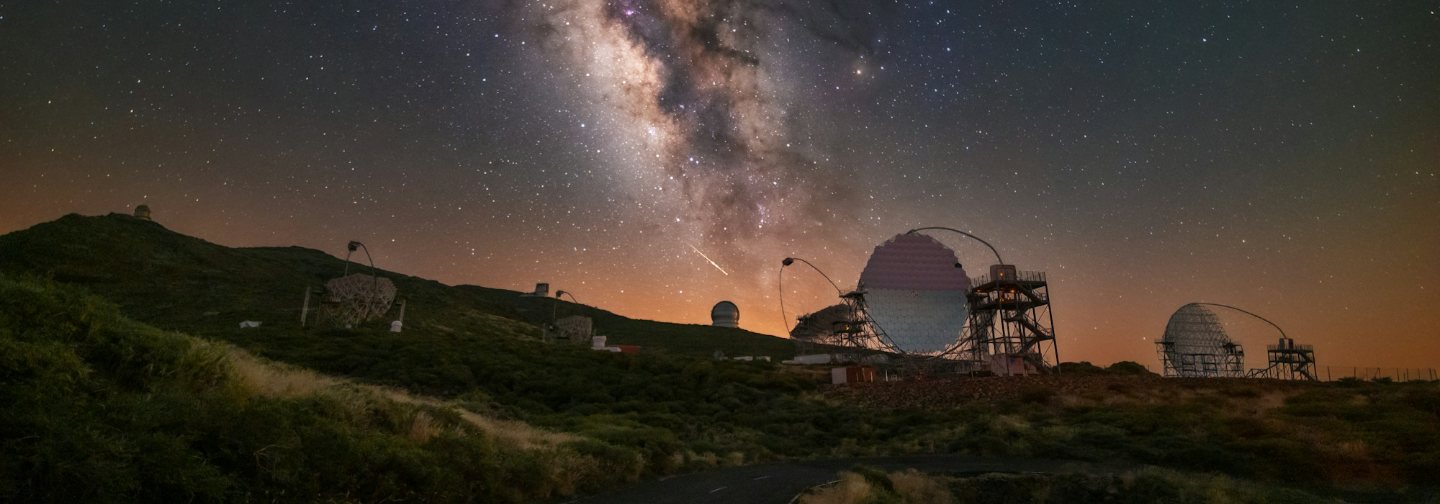
MeerKAT radio telescope dishes in South Africa under a star-filled sky, used to detect hydrogen in distant galaxies

They pointed a radio telescope for less than three hours and, without even looking for them, ended up finding 49 new galaxies hidden in the data

January 13, 2026 at 6:30 AM
Illustration of ESA ExoMars Rosalind Franklin rover drilling into Mars while a NASA rocket launches in the background.

The European mission aiming to find life on Mars now has a date and a key partner: NASA will provide a rocket and nuclear “heaters,” with launch planned for 2028 and landing in 2030

January 12, 2026 at 3:33 PM
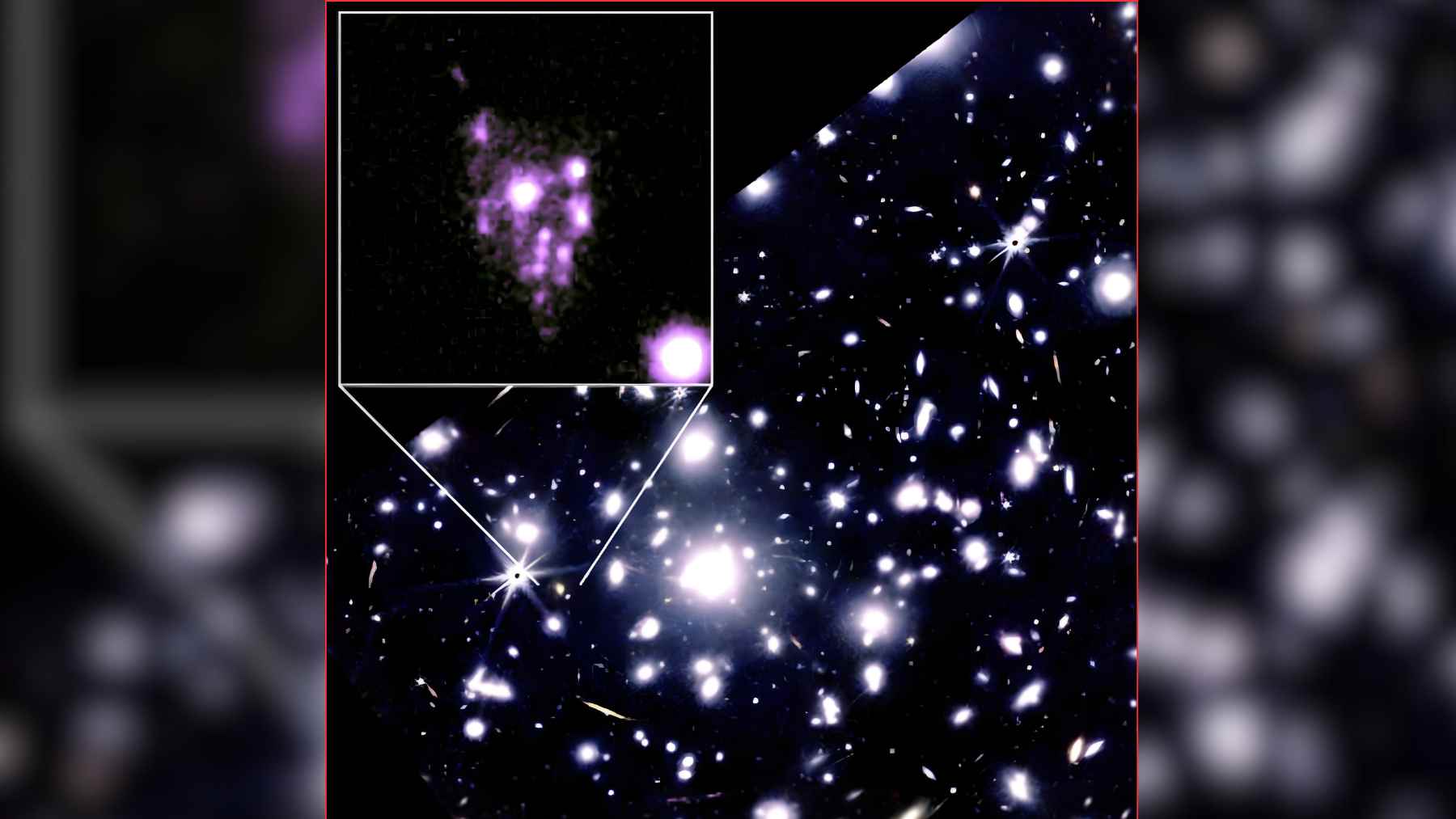
JWST view of the MACS0416 galaxy cluster field with the distant galaxy Y1 circled, plus a zoomed-in close-up

They looked at a galaxy almost at the edge of time and discovered a star factory so hot that it challenges what we believed about the early universe

January 12, 2026 at 2:17 PM
Artist’s impression of JAXA’s Akatsuki spacecraft orbiting Venus with the Sun in the background

Japan bids farewell to Akatsuki, the probe that spent eight years monitoring Venus and changed what we knew about its hellish atmosphere

January 12, 2026 at 12:30 PM
Previous Next