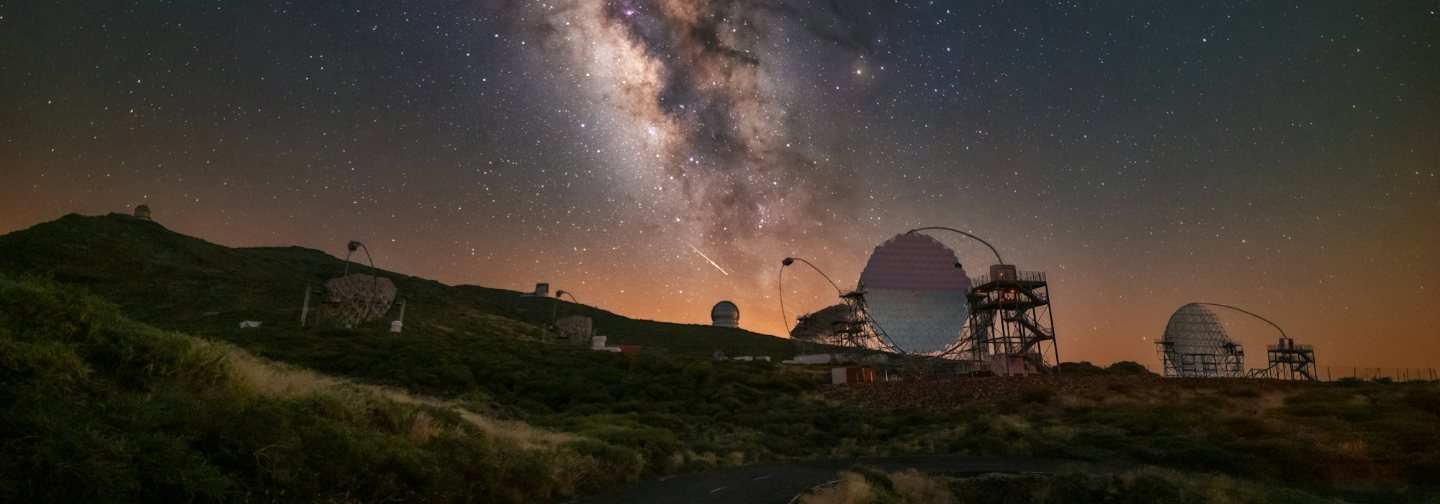
Observatory under the Milky Way at night

Science

Geology, paleontology, physics, space and the natural world

In Science, ECOnews reports on new discoveries in geology, paleontology, physics, space, health and the natural world. We explain the latest studies from universities and labs worldwide in plain language.
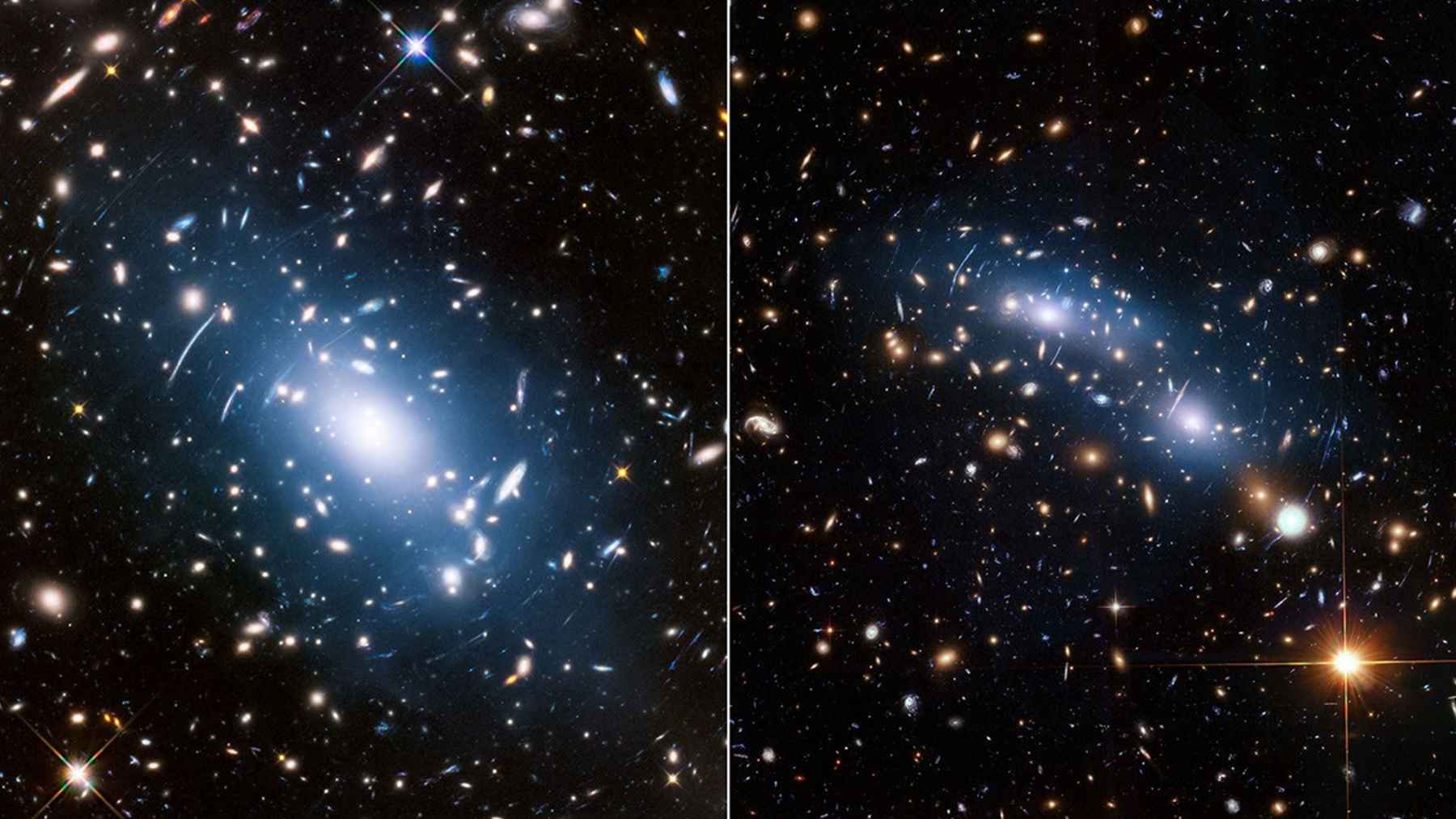
Compact early universe galaxy forming stars rapidly just 600 million years after the Big Bang

Just 600 million years after the Big Bang, a compact galaxy appears that produces stars as if there were no tomorrow

—
February 7, 2026 at 8:45 AM
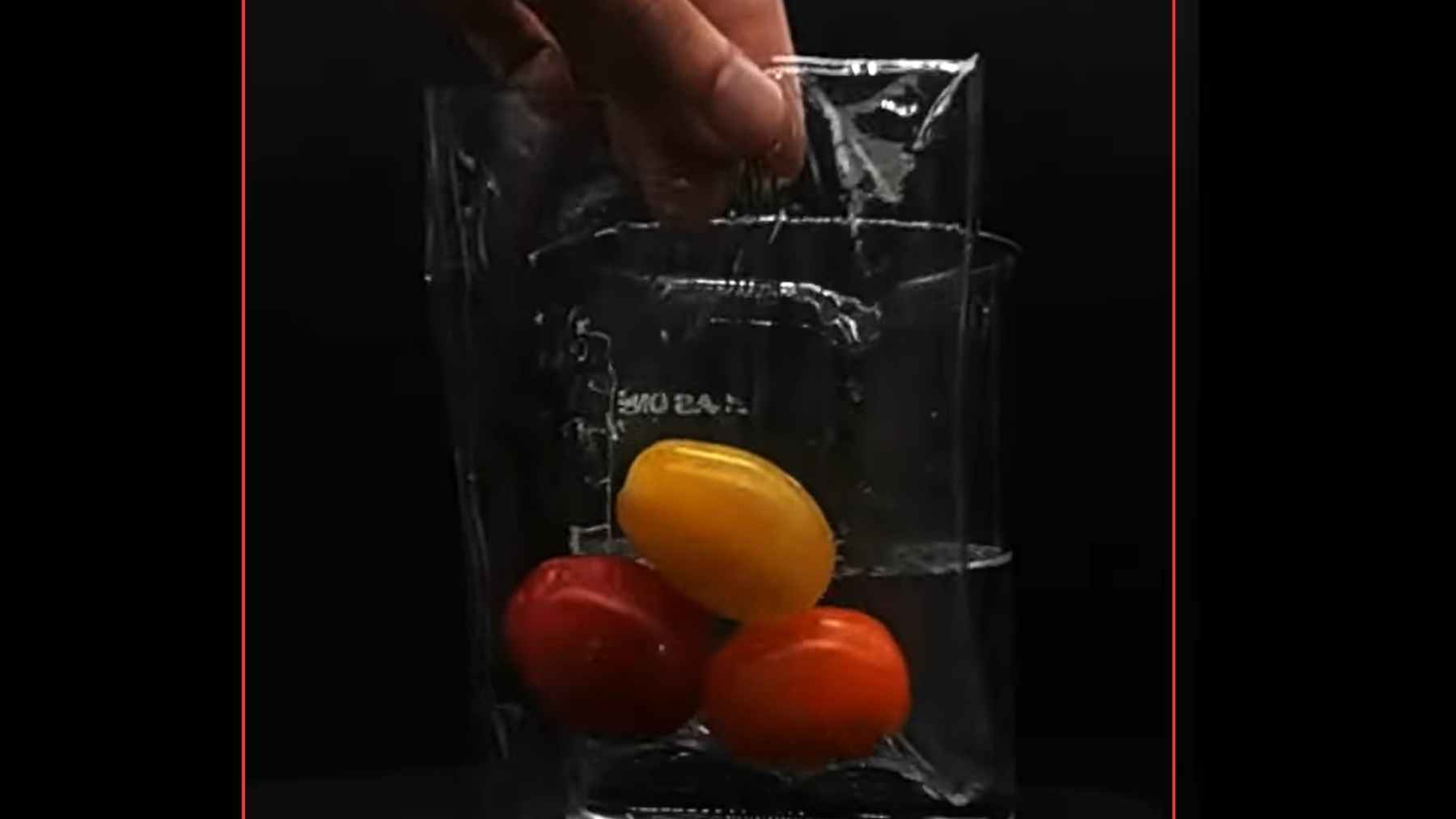
A hand lowers a clear biodegradable plastic bag with cherry tomatoes into a beaker of water

Japanese scientists create plastic that disappears in the sea in just one hour

—
February 7, 2026 at 6:51 AM
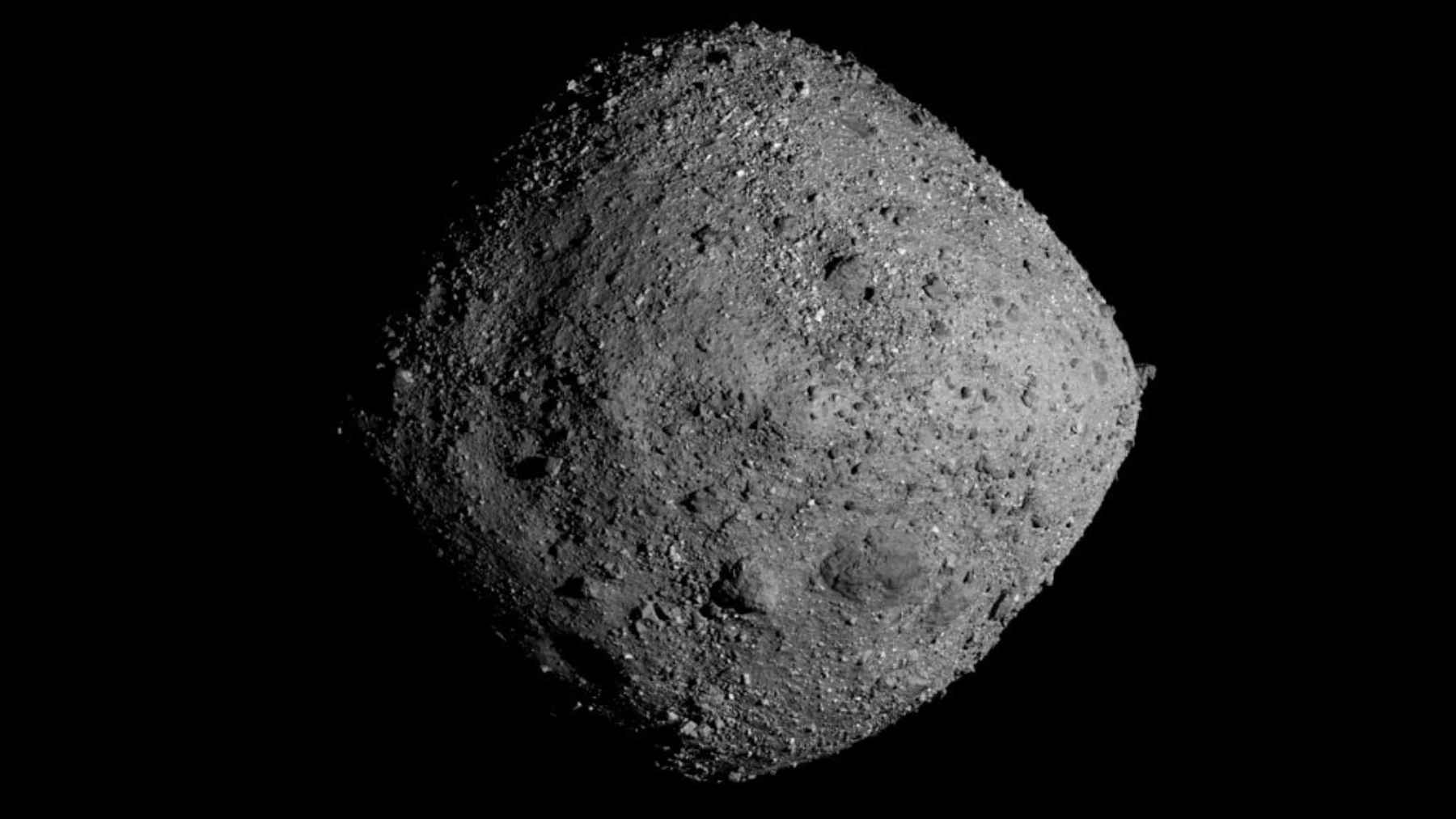
NASA image of asteroid Bennu, a rubble-pile near-Earth asteroid, shown as a rocky gray sphere against black space.

NASA’s asteroid watchlist has five dates between 2030 and 2880, and they are not a countdown to the end of the world

—
February 6, 2026 at 5:00 PM
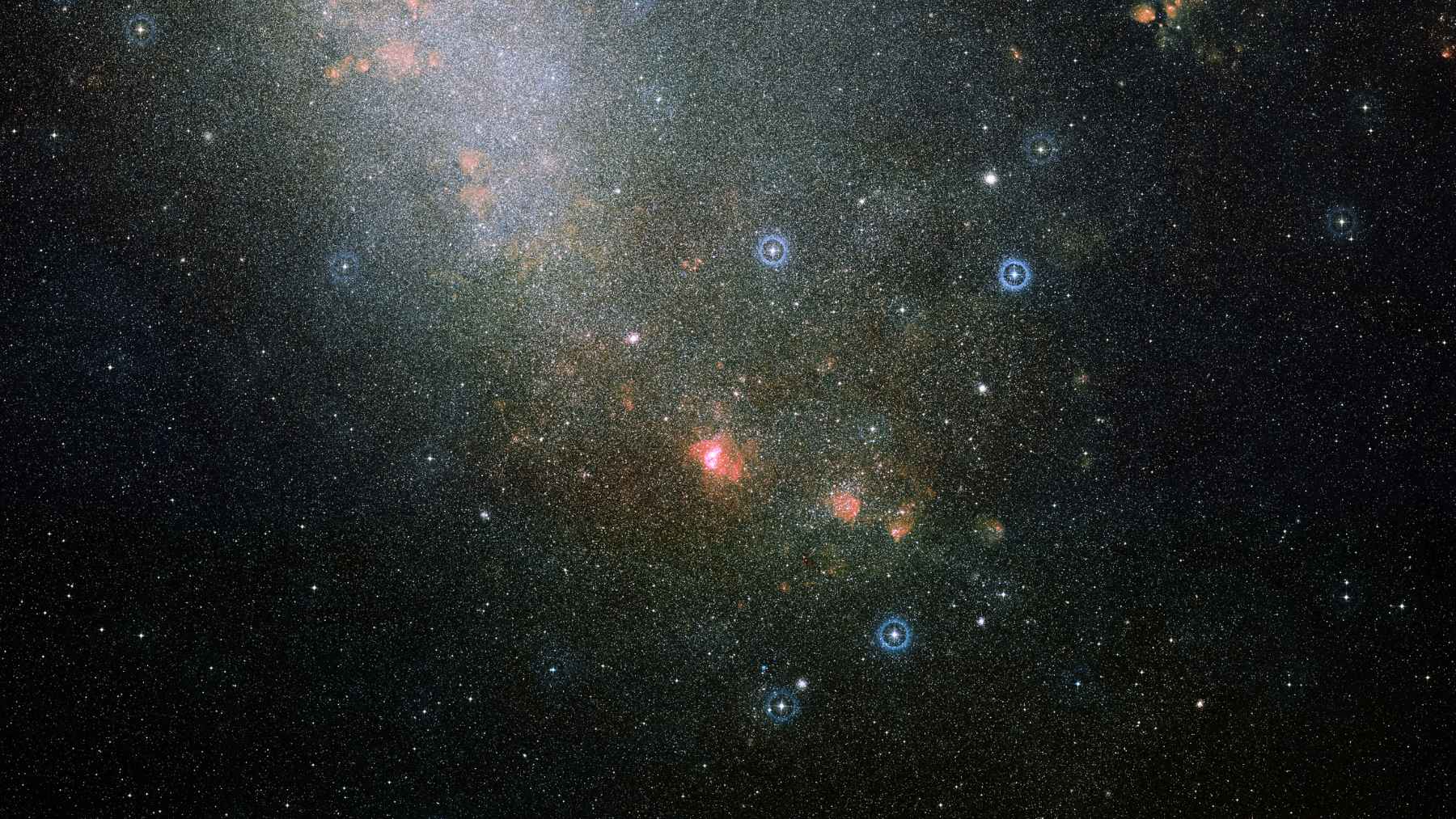
ALMA telescope image of fluffy molecular clouds in the Small Magellanic Cloud where new stars are forming

ALMA detects “cotton” clouds in the Small Magellanic Cloud and provides unexpected clues about how the first stars in the universe were born

—
February 6, 2026 at 12:30 PM
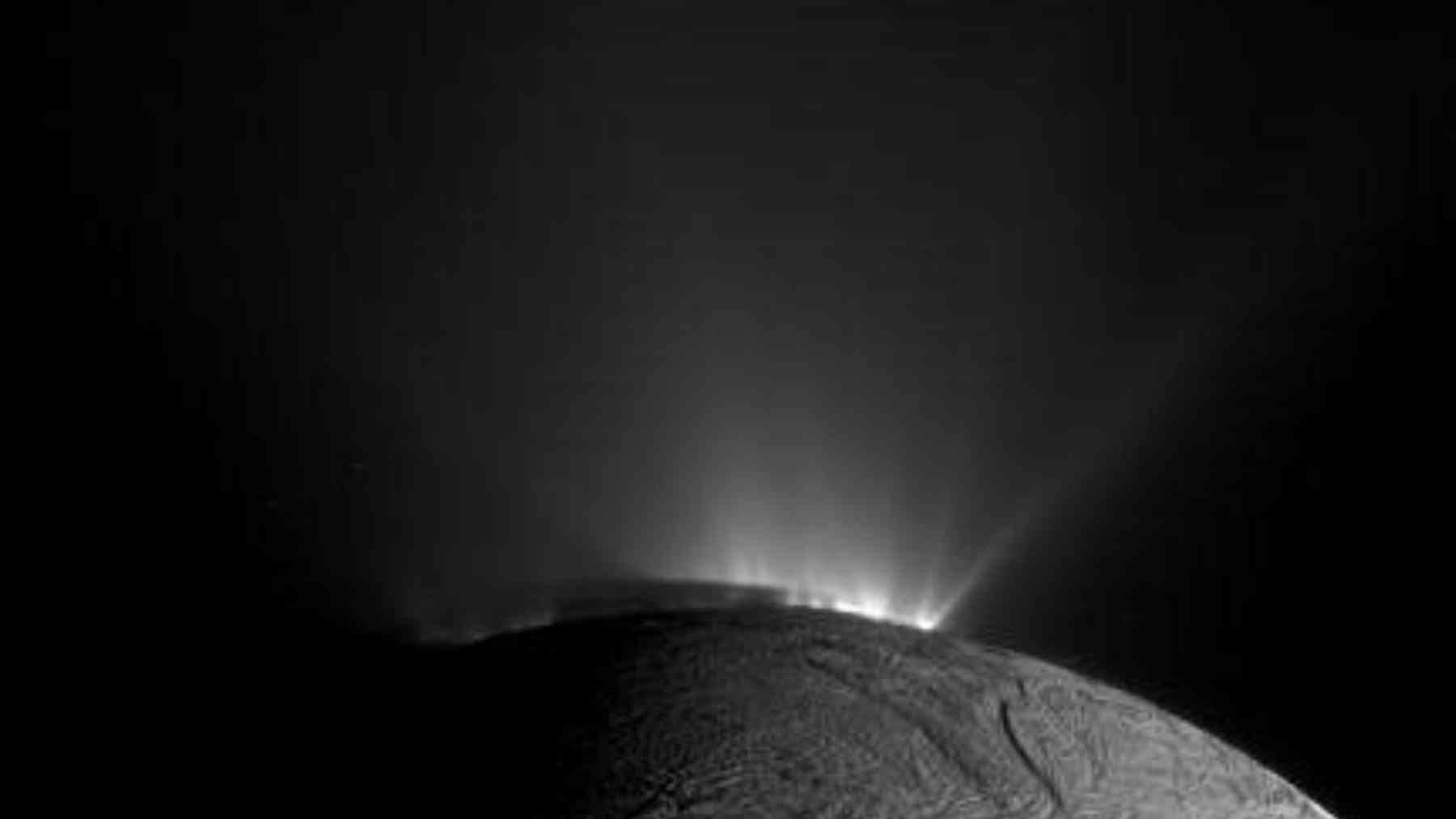
Backlit plumes erupt from Saturn’s icy moon Enceladus in a Cassini spacecraft image.

A new study of Cassini data confirms complex organic chemistry in the ocean of Saturn’s moon Enceladus

—
February 6, 2026 at 7:41 AM
Rocky Pacific Northwest coastline with waves and forested headlands near Vancouver Island, where scientists study tearing in the Cascadia subduction zone.

The Earth is tearing apart beneath the Pacific Northwest, and scientists have just caught it in the midst of a geological collapse

—
February 5, 2026 at 6:30 PM
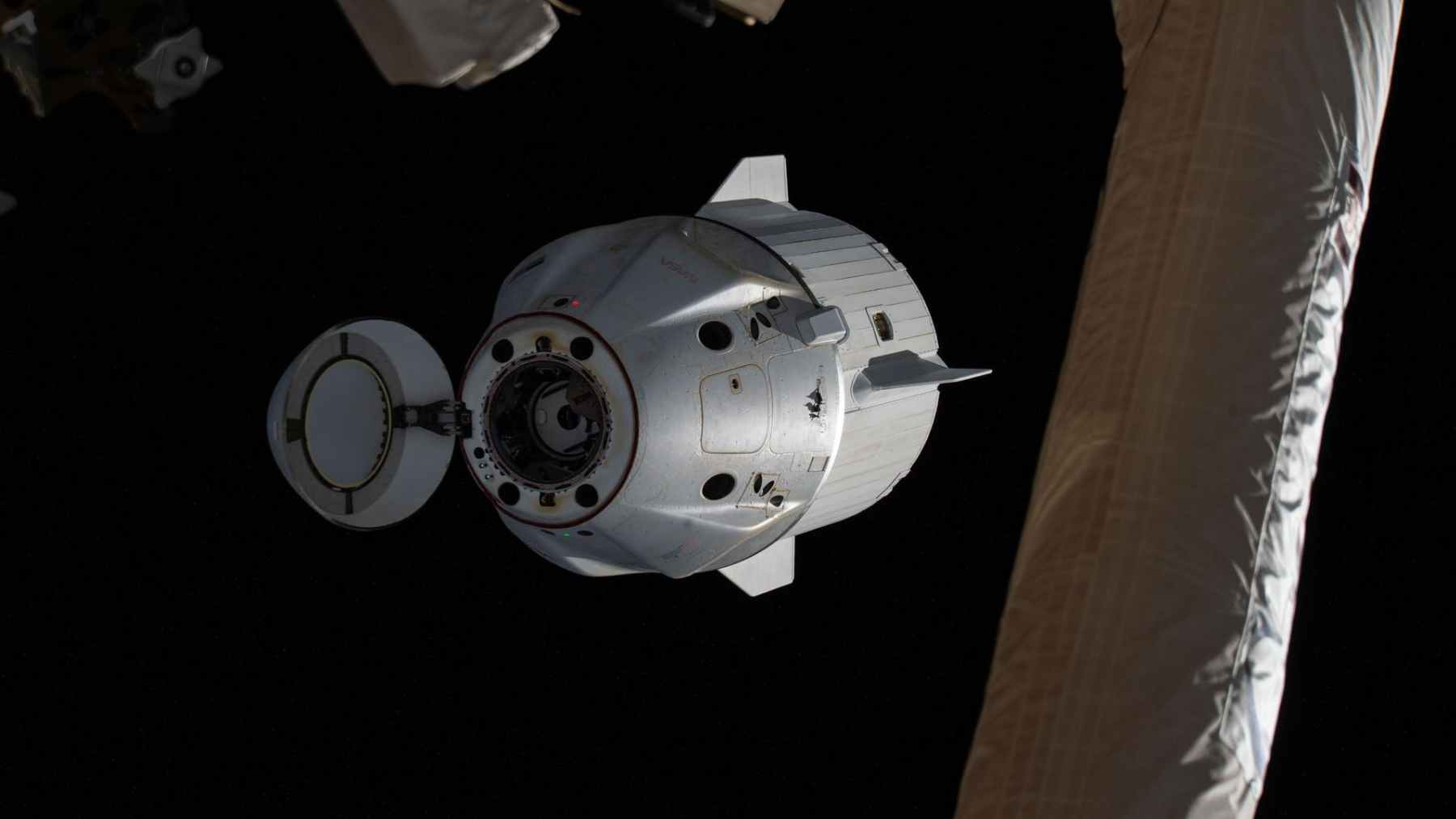
SpaceX Crew Dragon capsule approaches the International Space Station in orbit, with its hatch open during a docking sequence.

At 3:41 a.m. on January 15, 2026, the Dragon capsule splashed down in the Pacific Ocean, ending a mission that concluded ahead of schedule

—
February 5, 2026 at 10:15 AM
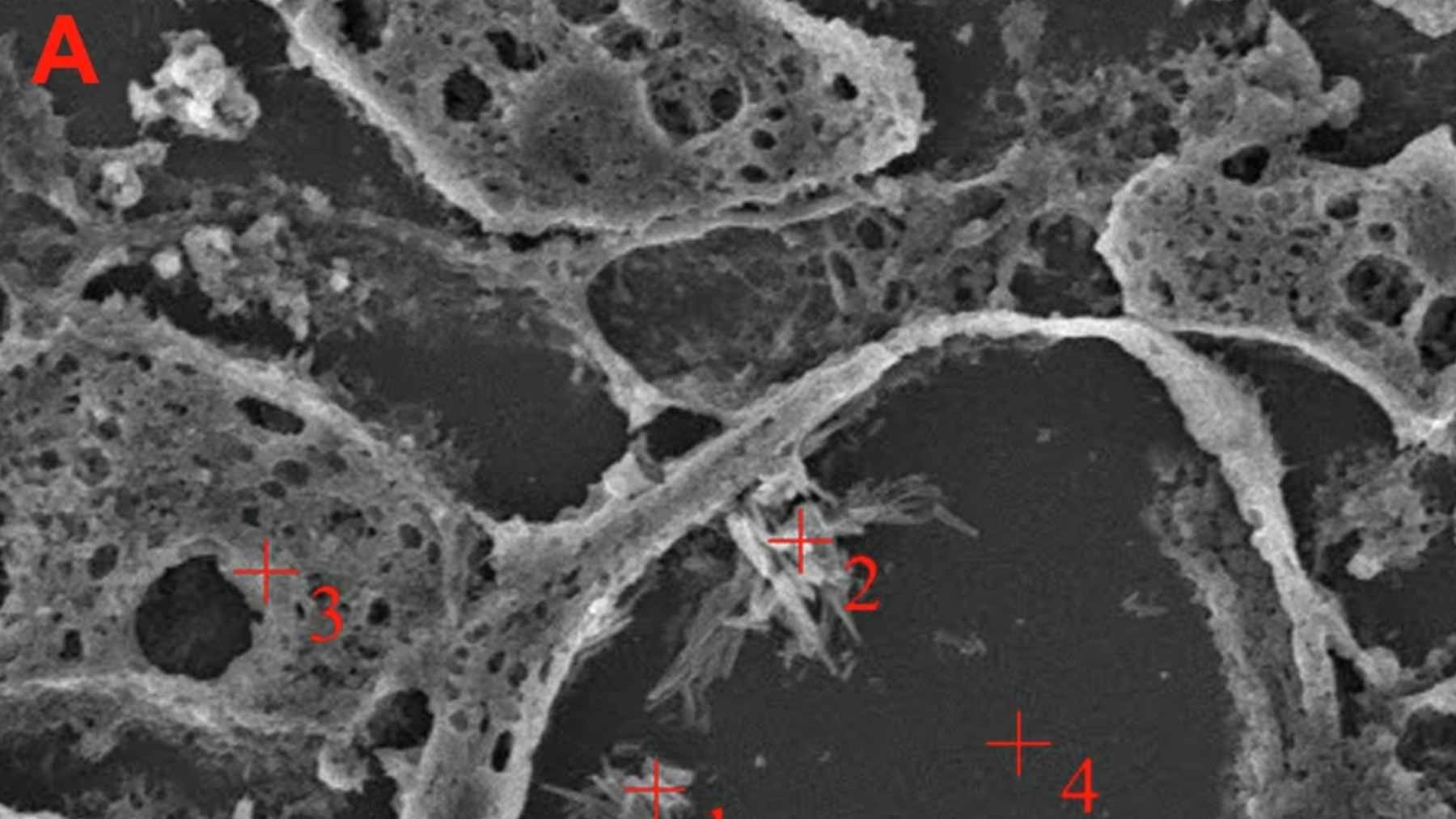
Electron microscope image showing polyethylene nanoplastic shards embedded in human brain tissue from a recent autopsy study.

Plastic fragments found embedded in human brains… and there are quite a few: scientists discover levels 30 times higher than those found in the liver

—
February 4, 2026 at 3:01 PM
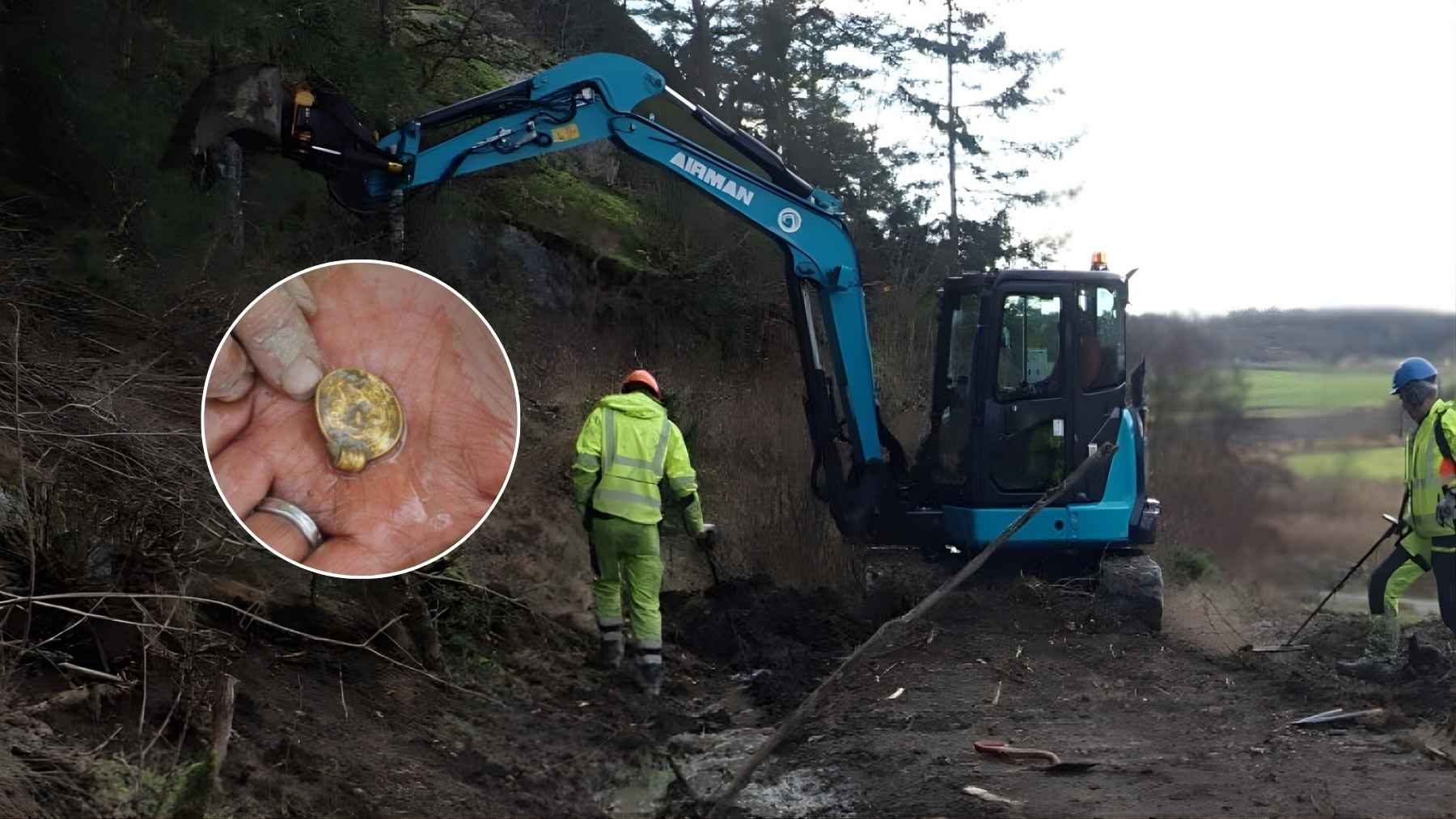
Road workers and an excavator on a hillside, with an inset showing a small gold bracteate medallion found in Norway.

A metal detectorist heard a beep in a plowed field and walked up a hillside in ancient Norway and found seven gold medallions buried and abandoned in the 6th century

—
February 4, 2026 at 10:15 AM
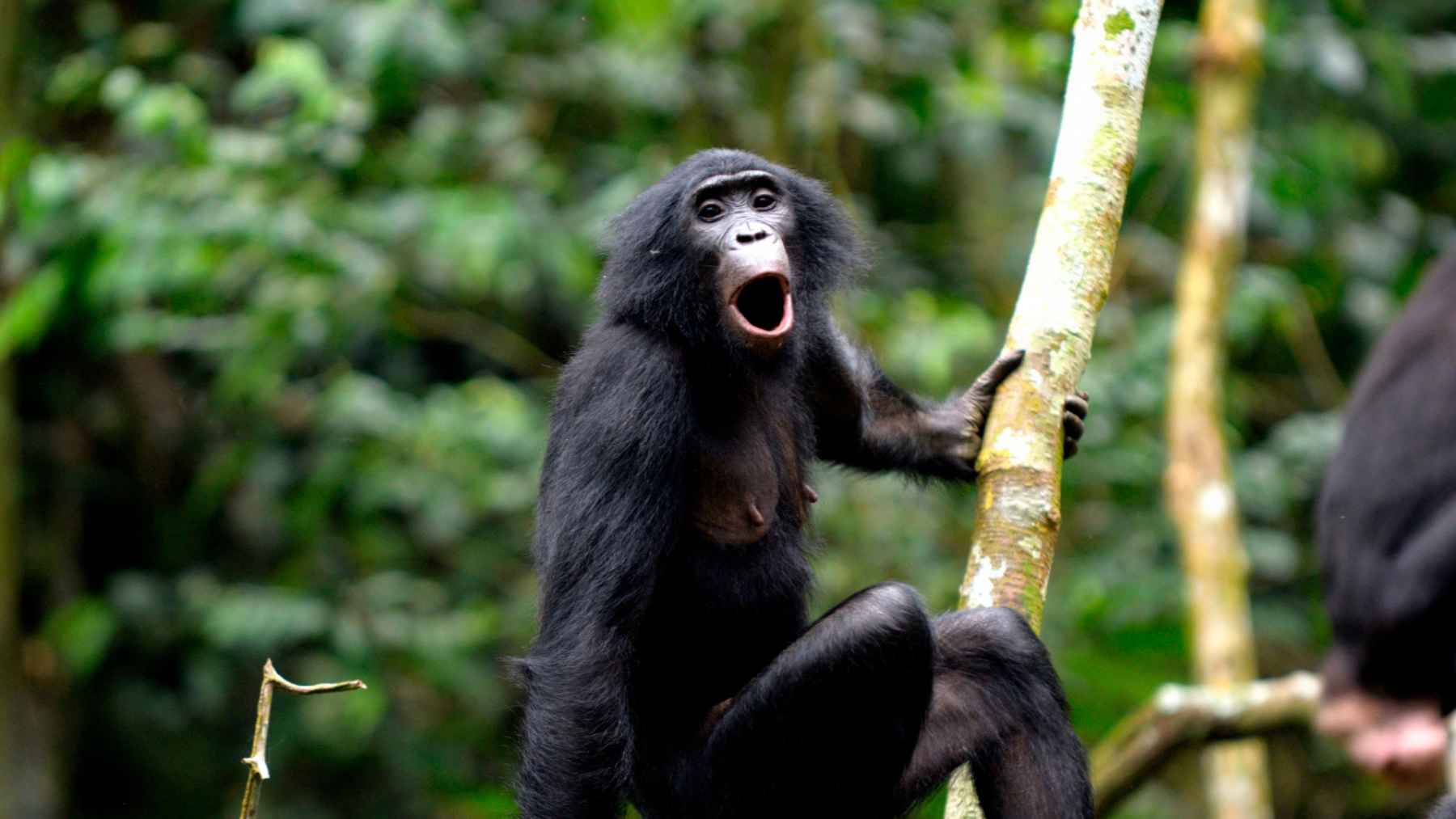
A bonobo vocalizes while gripping a tree branch in a rainforest, capturing the kinds of calls researchers analyzed for meaning.

Language is not only human: Bonobos surprise us by combining sounds into meaningful phrases

—
February 3, 2026 at 12:30 PM
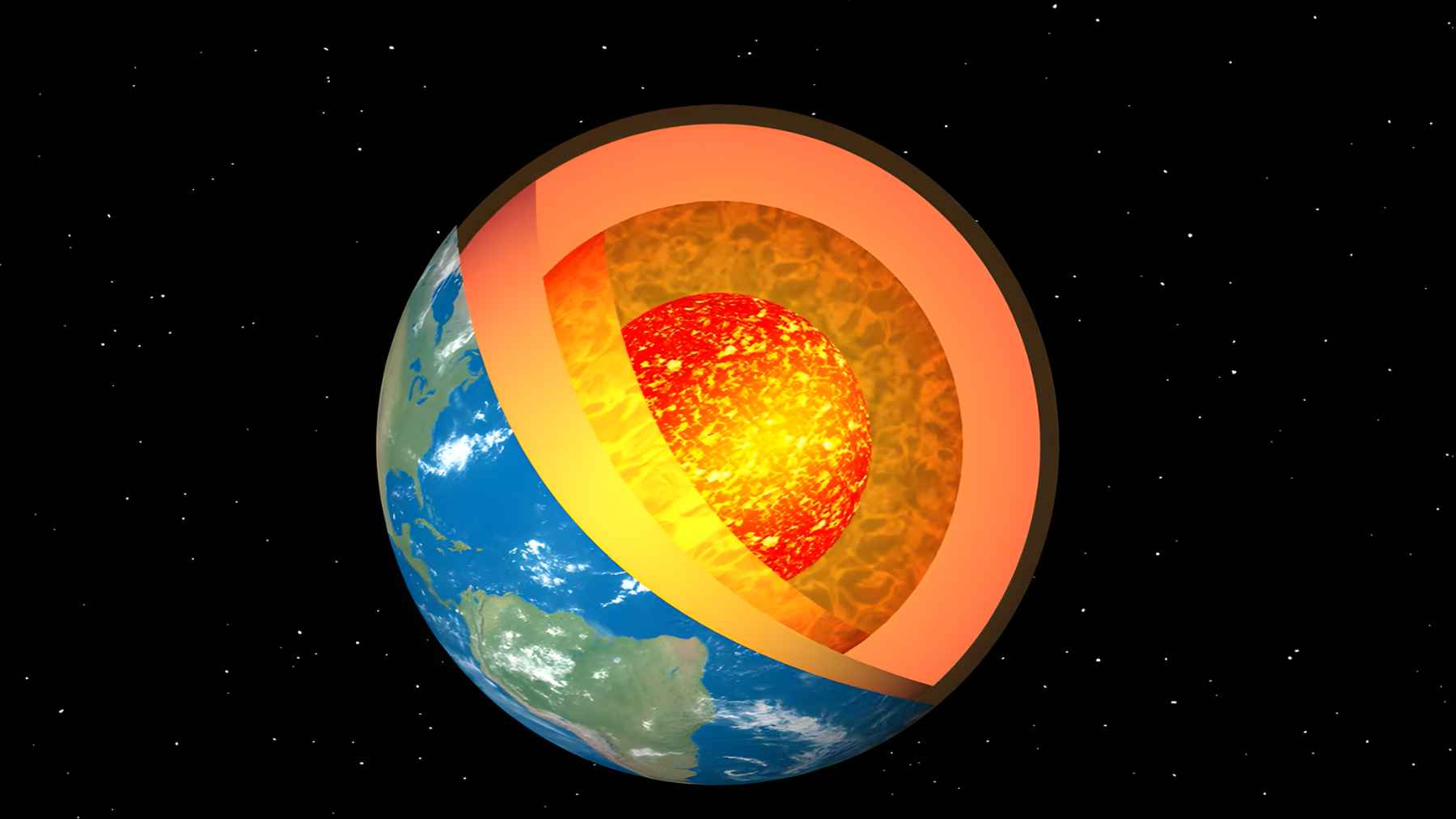
“Illustration of Earth cutaway showing the mantle, outer core, and a glowing inner core against a starry space background.”

Earth has an “inner core” that deforms in real time, and seismic waves have given it away

—
February 3, 2026 at 6:30 AM
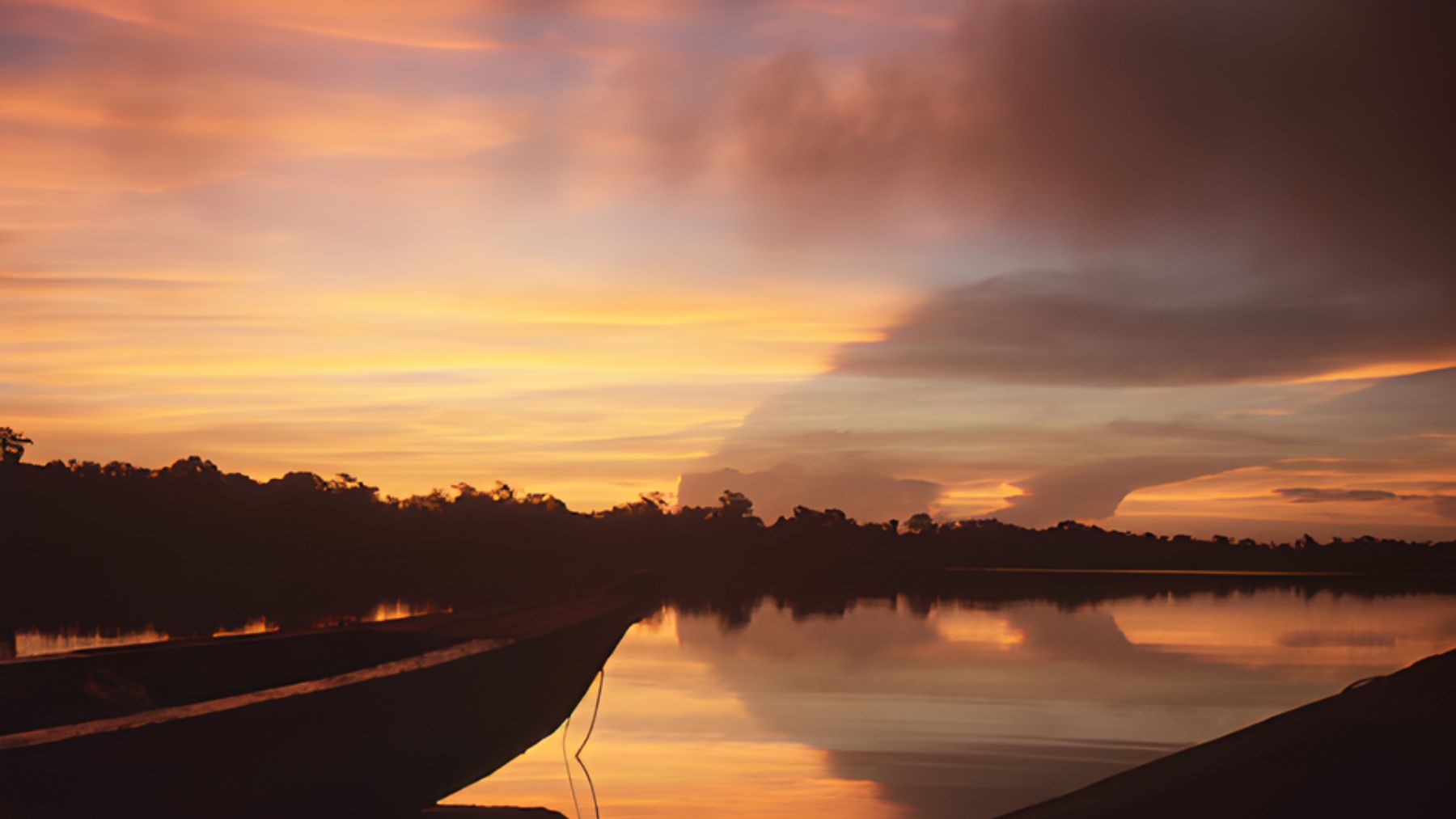
Sunset over Laguna Itzan in northern Guatemala, where lake sediments preserve a long climate record linked to Maya history.

A lake in Guatemala preserved 3,300 years of “evidence,” and now its sediments show that drought alone does not explain the Maya collapse

—
February 2, 2026 at 6:30 AM
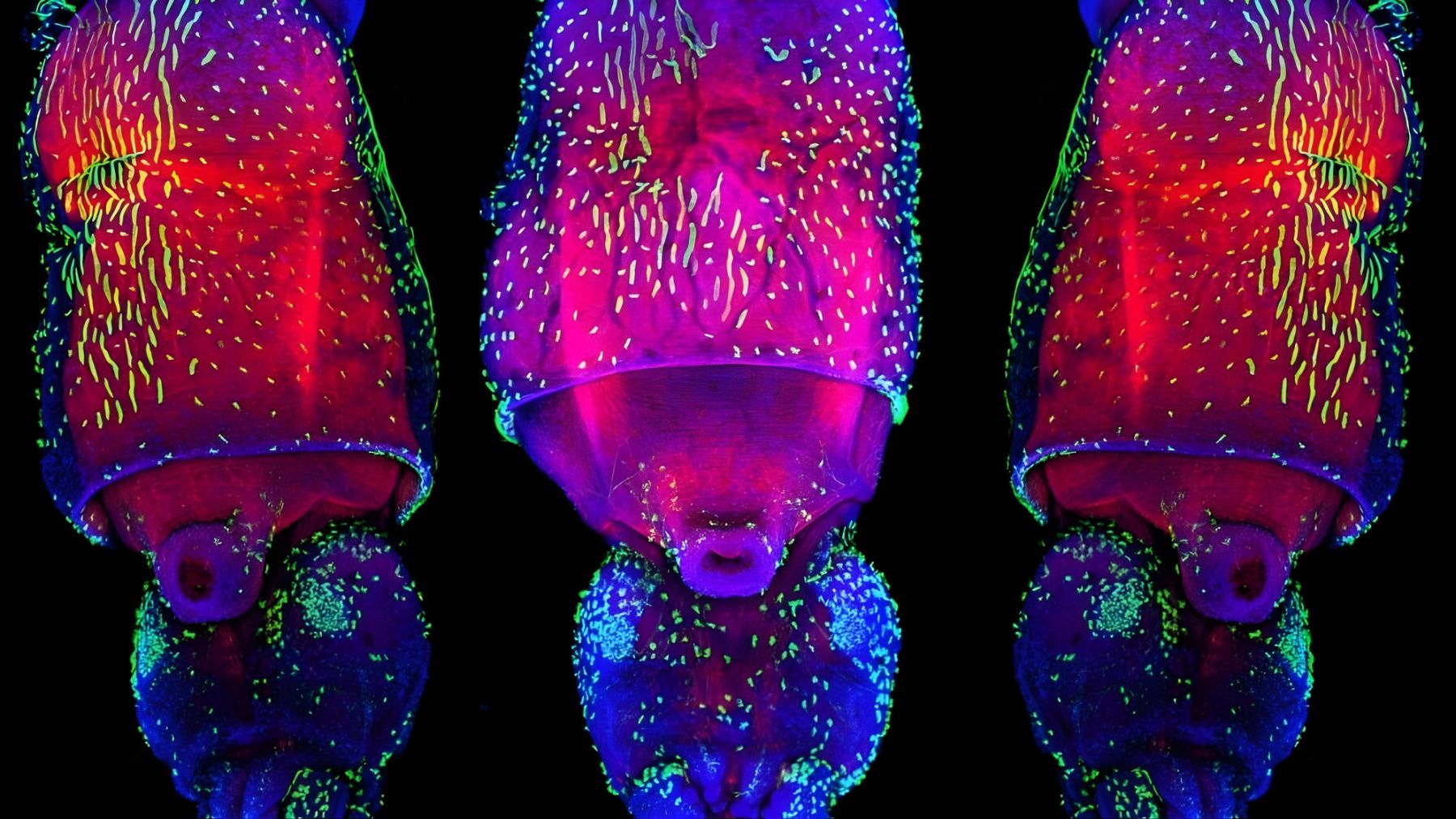
Fluorescent microscope image of longfin inshore squid embryos, used to track how nerve cells form during nervous system development.

Scientists are observing in real time how a cephalopod nervous system is built, and the pattern looks far too similar to that of vertebrates to ignore

—
February 1, 2026 at 3:00 PM
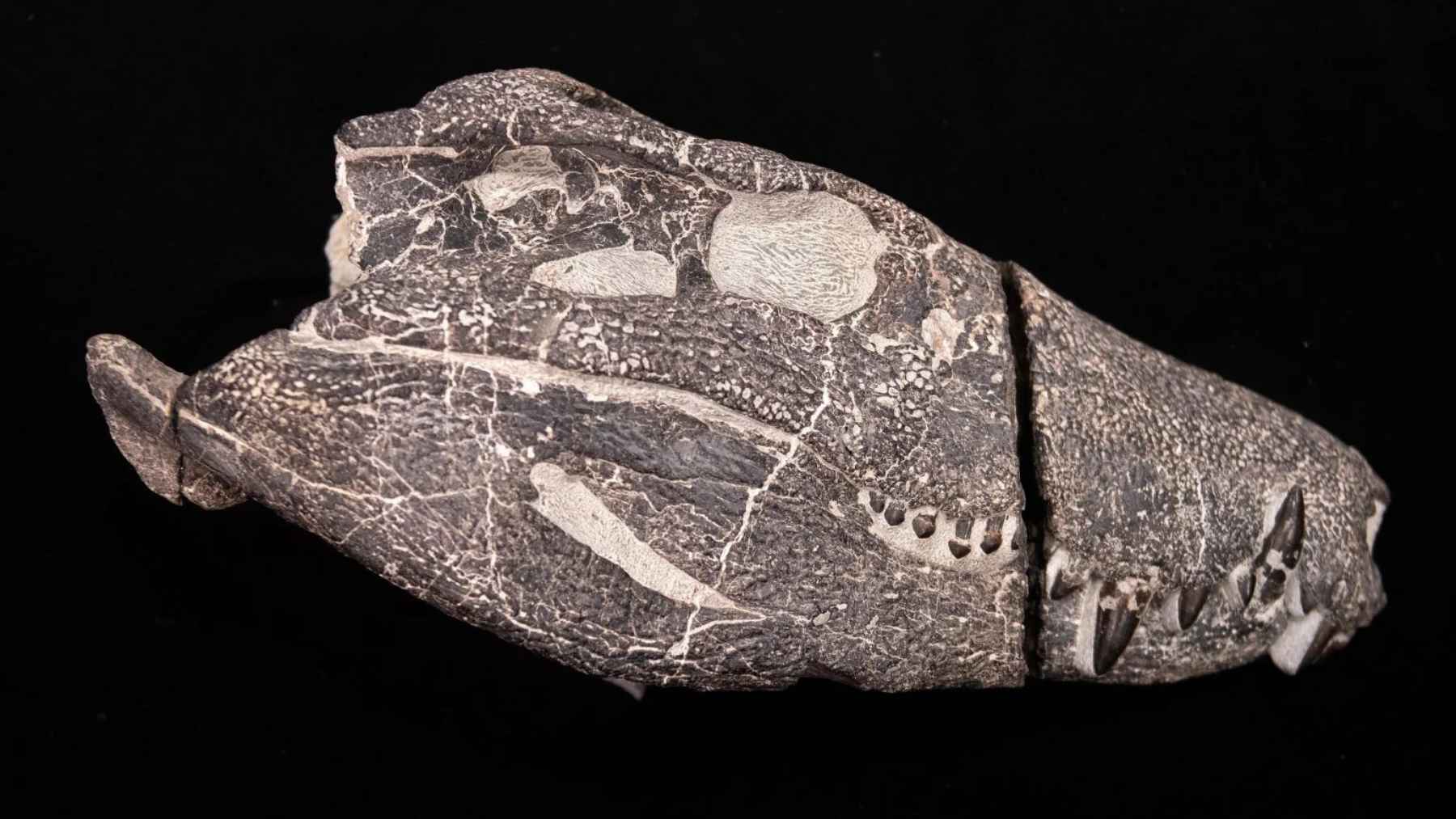
Kostensuchus atrox fossil skull from Patagonia, a 70-million-year-old crocodile relative with serrated predator teeth

A team was excavating in Patagonia when they saw dark fragments inside a closed rock, and now they are talking about a predator that no one had put on the map

—
January 31, 2026 at 5:00 PM
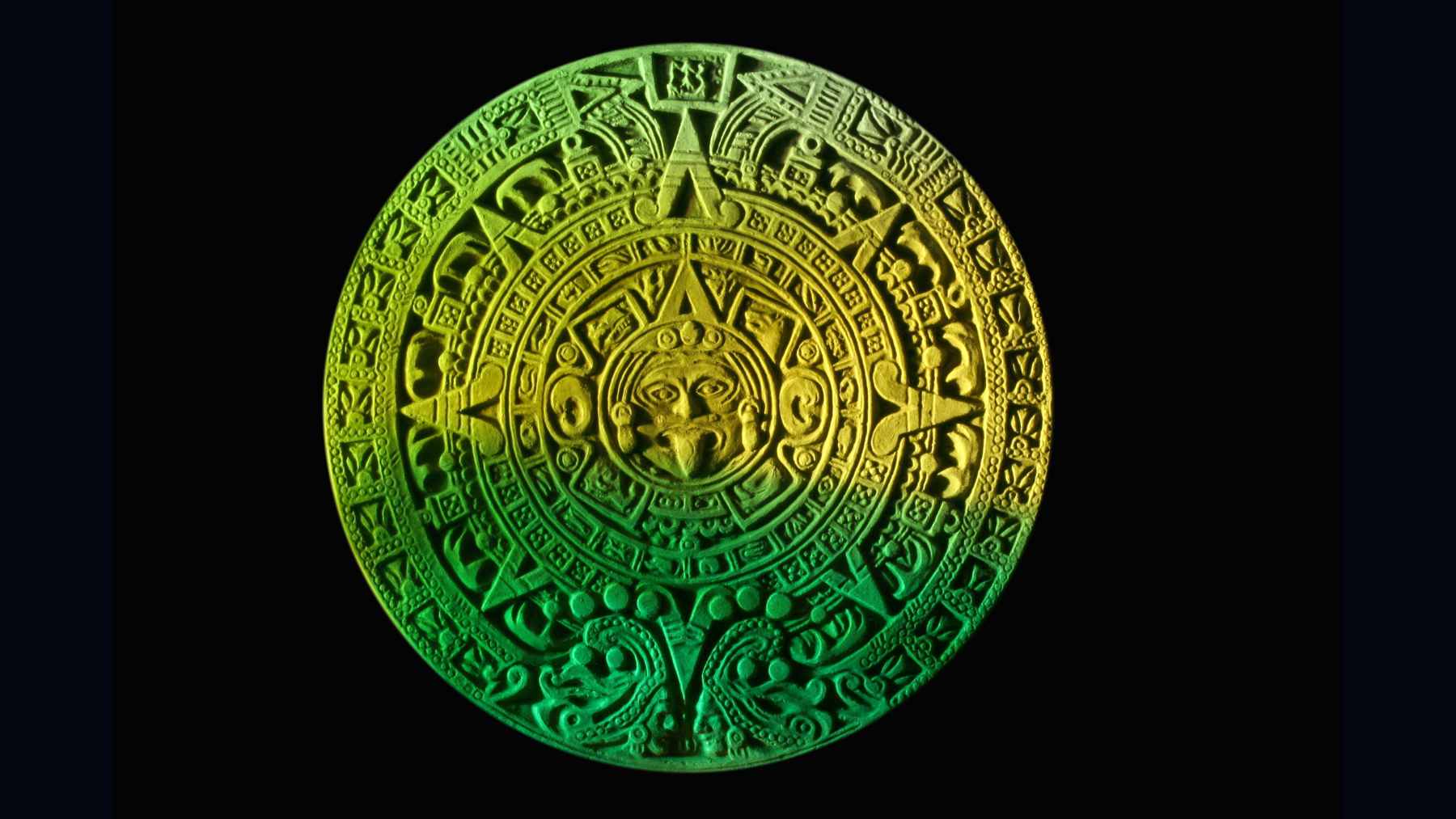
Green-lit Maya calendar stone wheel, used as a visual reference for a new explanation of the 819-day cycle and long-term sky timing.

Researchers explain the Maya 819-day calendar: it lines up with the visible planets over a 45-year cycle

—
January 30, 2026 at 5:00 PM
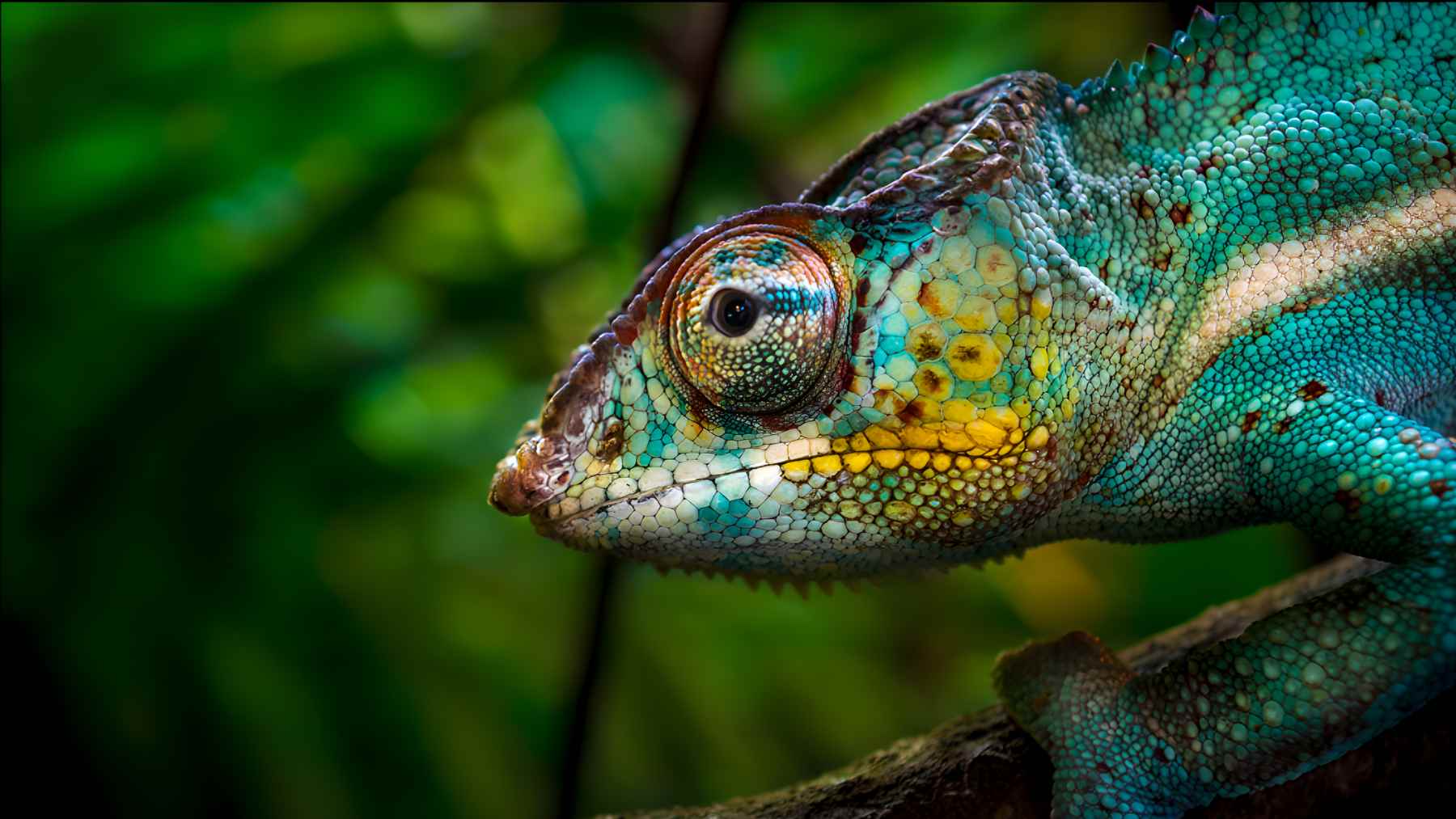
Close-up of a chameleon showing its turret-like eye, a trait explained by newly identified coiled optic nerves inside the skull.

For 2,000 years, no one could fully explain why chameleons’ eyes seem to live separately, and the answer was coiled inside the skull in the form of an old telephone cable

—
January 30, 2026 at 3:00 PM
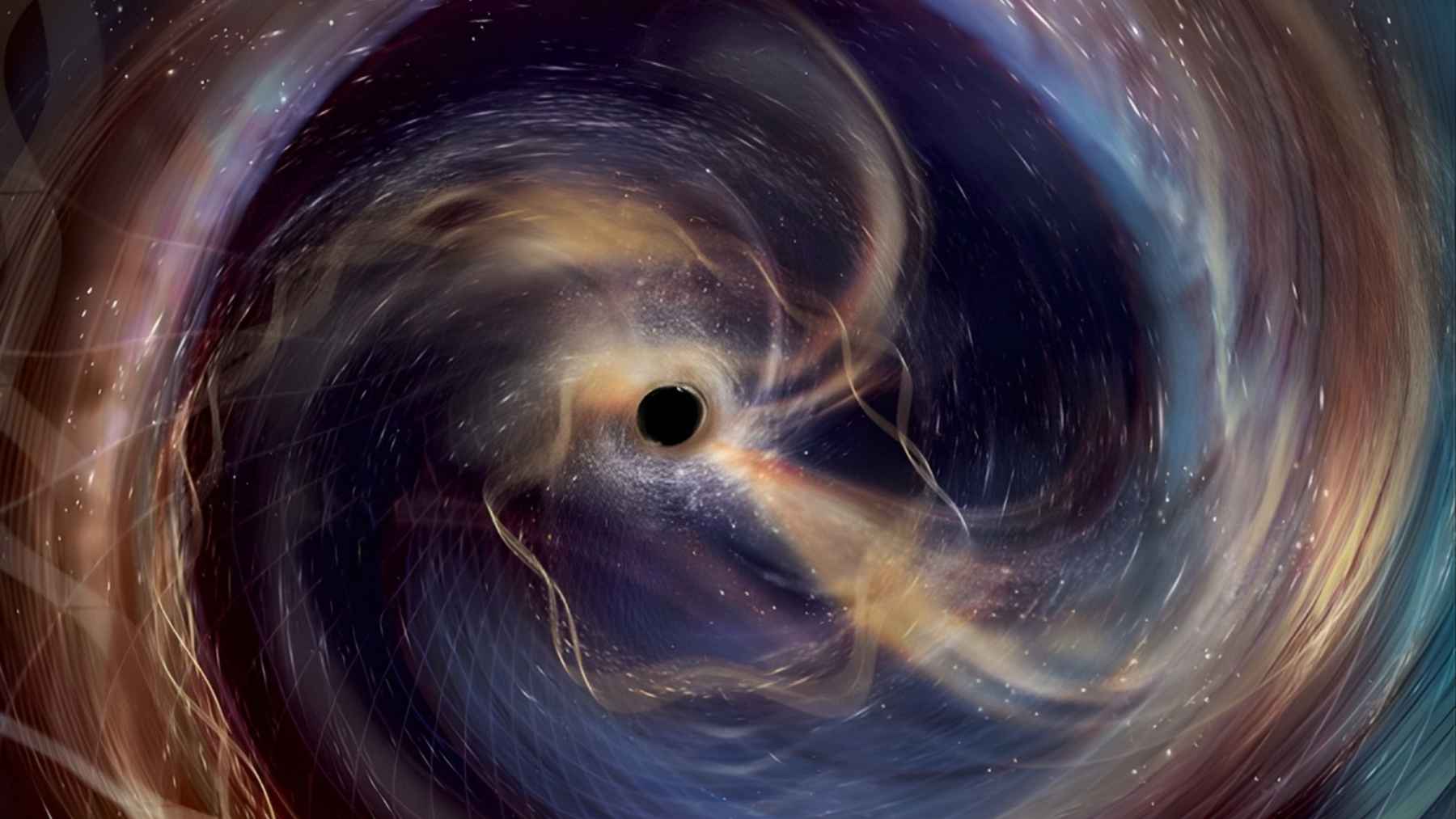
Artist illustration of a black hole merger emitting gravitational waves, shown as swirling light around a dark central horizon.

The loudest gravitational wave ever heard comes from 2025 and tests Hawking’s rule with almost absurd precision

—
January 30, 2026 at 8:45 AM
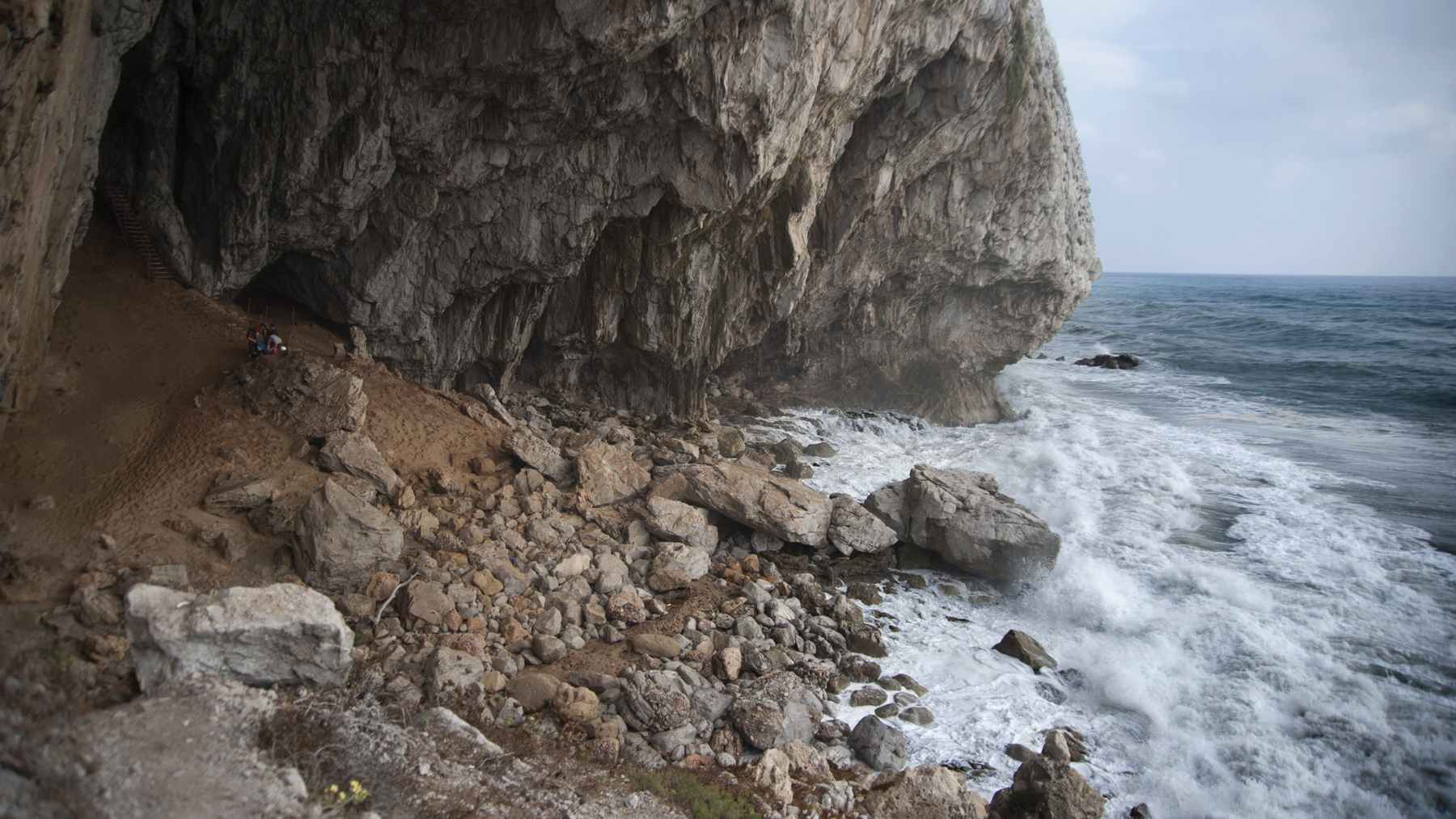
Vanguard Cave on Gibraltar’s Mediterranean cliffs, where archaeologists found a chamber sealed for 40,000 years with Neanderthal clues.

Archaeologists open a chamber sealed for 40,000 years, and what they find beneath the sand in Gibraltar changes what we thought we knew about Neanderthals: coastal hunters, glue makers, and Paleolithic artists

—
January 29, 2026 at 10:15 AM
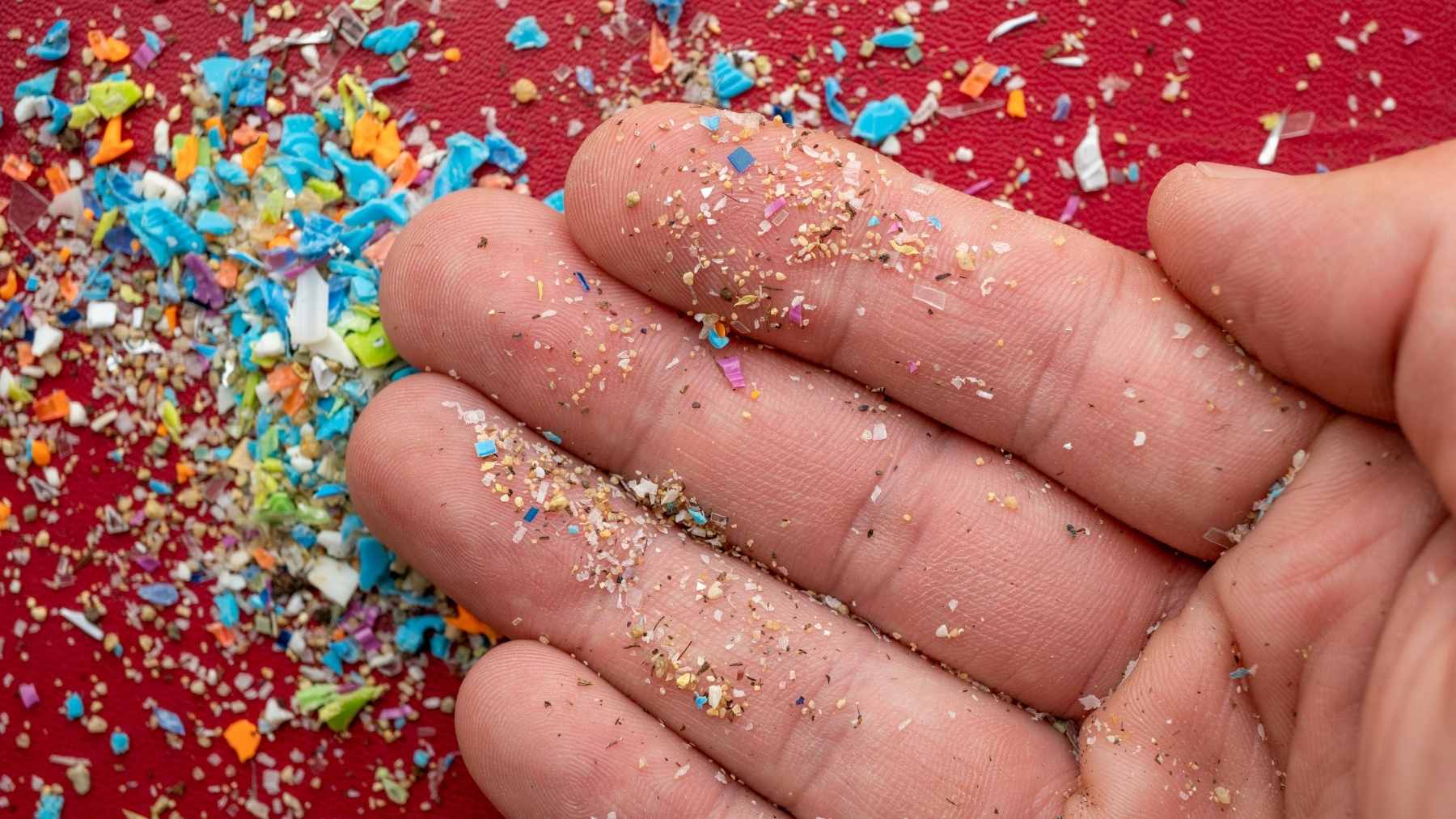
Tiny multicolored plastic fragments and particles on a human hand, illustrating microplastics detected in human brain tissue.

Scientists find microplastics inside the human brain for the first time… and they’re not alone: there are more than in the liver and kidneys combined

—
January 29, 2026 at 9:12 AM
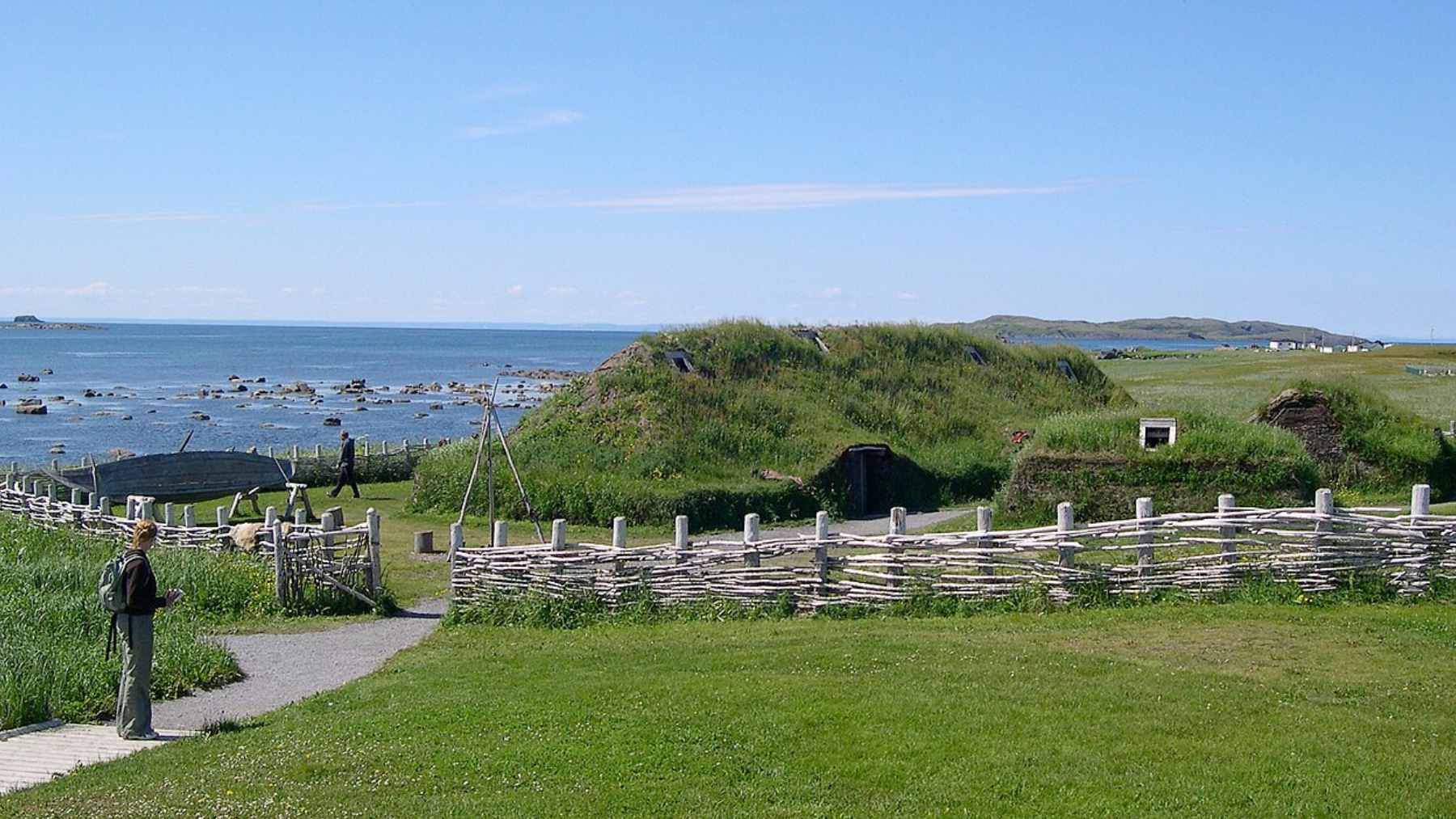
A reconstructed Viking turf house at the L’Anse aux Meadows archaeological site in Newfoundland, Canada.

It wasn’t Columbus, nor was it a myth: a solar storm in the year 993 left its mark on trees… and a thousand years later helped discover the exact year the Vikings arrived in America

—
January 28, 2026 at 10:15 AM
Previous Next

ECOnews alerts

Get the most relevant environment stories as soon as we publish them

ECOnews is the English-language edition of ECOticias.com, focused on environmental and sustainability news for a global audience: mobility, energy, economy, technology, science, environment and trending stories.

© 2026 ECOnews · ECOticias.com, the green newspaper since 2004 ↑ Top