Endangered species
28 stories · since 2025 · latest, November 20, 2026
It isn’t the Iberian lynx or the polar bear closest to extinction in Spain, but a fish you can still legally catch as summer dries its rivers to stagnant pools
When a river dries out, the damage does not always arrive with drama. First come broken stretches of water, a few shallow pools, and oppressive summer heat.
ECOnews Newsroom · July 13, 2026
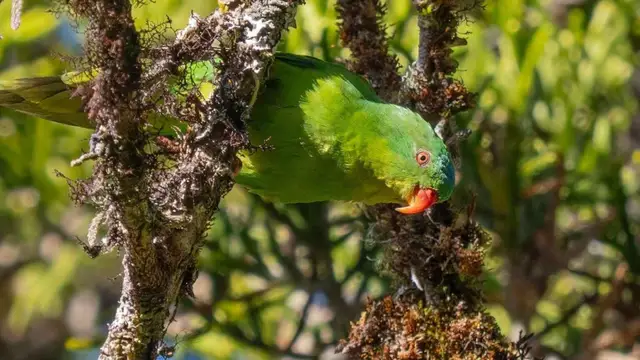
A “lost” parrot was rediscovered on a remote Indonesian peak, proving extinction rumors can be greatly exaggerated
A tiny green parrot that many bird experts knew mostly from old museum specimens has turned up again in one of Indonesia’s hardest-to-reach mountain forests.
ECOnews Newsroom · June 28, 2026
Rangers near Sydney found living trees thought extinct for 90 million years – basically botanical zombies
In 1994, a New South Wales (NSW) park ranger named David Noble lowered himself into a remote rainforest canyon in Wollemi National Park, about 93 miles…
ECOnews Newsroom · June 25, 2026
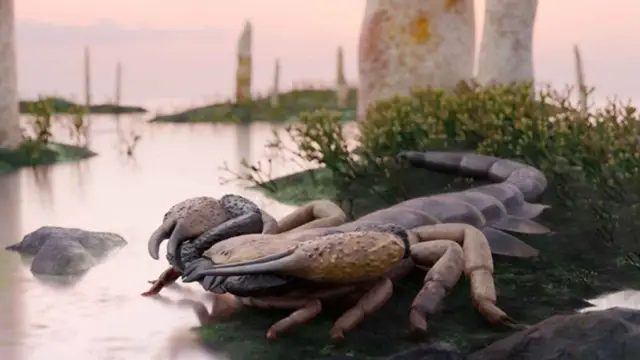
Scientists discover the largest extinct scorpion, measuring over about 3.3 ft. long, and the find resets what “giant” really means
A scorpion longer than a yardstick? That is the startling picture emerging from a new study of British fossils that had been sitting in museum collections…
ECOnews Newsroom · June 17, 2026
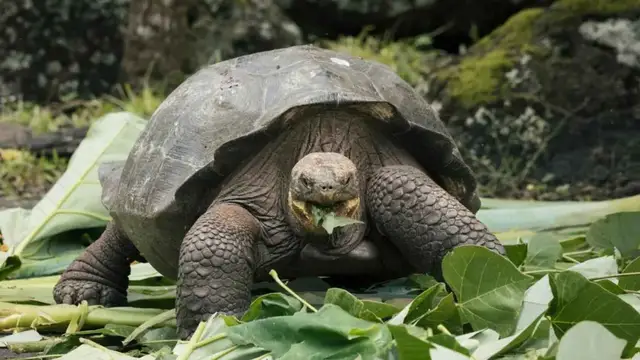
Extinct for more than 150 years, 158 giant tortoises are returning to Floreana, and their return could revitalize an ecosystem that has been quietly deteriorating for generations
Can a species disappear for almost two centuries and still come home? In late February 2026, 158 juvenile giant tortoises were released onto Floreana…
ECOnews Newsroom · April 15, 2026
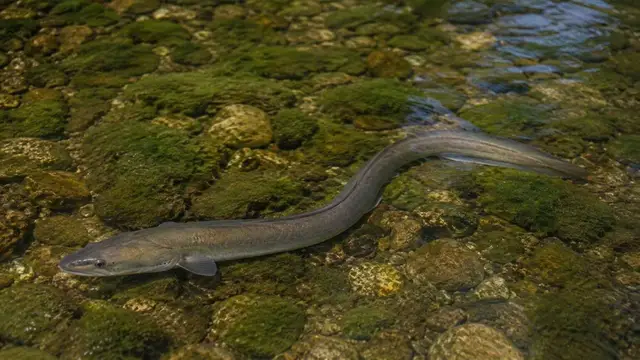
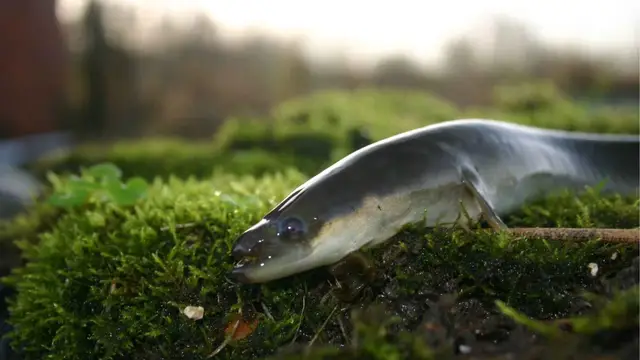
The eel, which can grow to over a meter in length and travel thousands of kilometers between rivers and the sea, is critically endangered according to the IUCN, and now the industry fears a total ban
The European eel is running out of time. Scientists describe its situation as critical, yet along Spain’s northern coast, professional fishers in Galicia…
ECOnews Newsroom · April 1, 2026
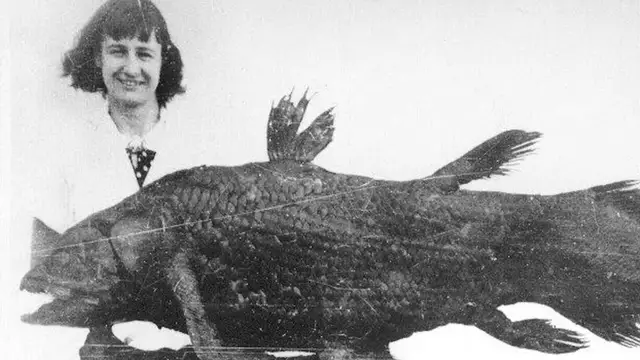
In 1938, Marjorie Courtenay-Latimer identified a living coelacanth, a fish thought extinct for 65 million years
What if a routine phone call from a fishing boat could rewrite the story of life on Earth? In 1938, Marjorie Courtenay-Latimer, a curator at the East…
ECOnews Newsroom · March 31, 2026
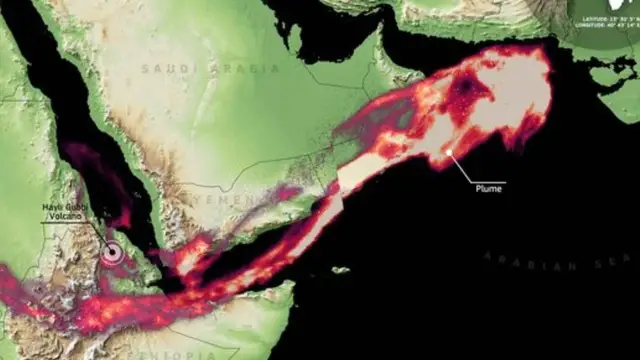
After 12,000 years of silence, a volcano in Ethiopia has erupted again, reminding us that an inactive volcano is never truly extinct
How do you describe a volcano that looked asleep for thousands of years? Carefully. Ethiopia’s Hayli Gubbi produced its first recorded explosive eruption…
ECOnews Newsroom · March 22, 2026
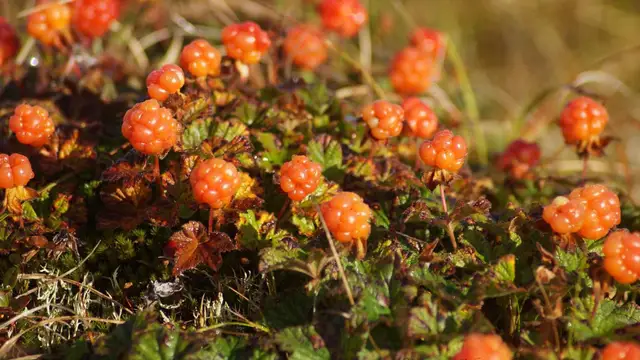
It wasn’t just a rare fruit: the humble molt that Nansen took to the North Pole in 1893 could be one of the most complex natural hybrids ever studied, with DNA from at least three extinct species and an evolutionary history written in eight chromosomes that still baffles geneticists
Cloudberries glow like tiny golden suns on Christmas desserts, topping rice puddings and cakes that come out only once a year. A new genetic study now…
Adrian Villellas · February 25, 2026
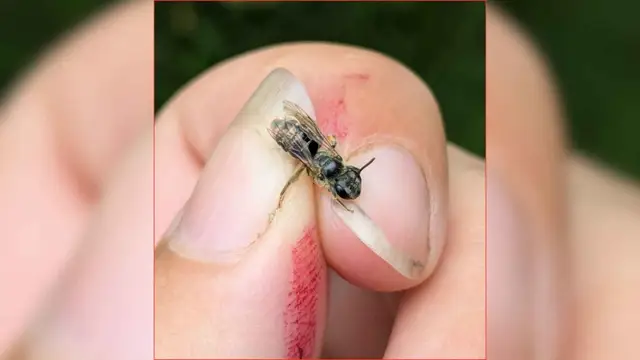
A biologist gets her fingers stained with berry juice… and accidentally discovers a species of bee that was believed to have been extinct in the region since 1904
Last summer, a scientist walking through a campus orchard in Syracuse noticed a small, plain looking bee visiting the creamy flowers of young chestnut…
ECOnews Newsroom · February 11, 2026
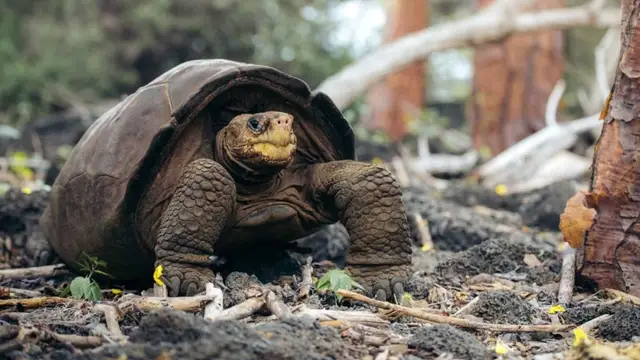
Fernanda, the Fernandina Island giant tortoise, confirms a Galápagos species thought extinct since 1906 survived
A giant tortoise that scientists once filed under “extinct for more than a century” has turned out to be very much alive, slowly roaming one of the…
ECOnews Newsroom · February 10, 2026
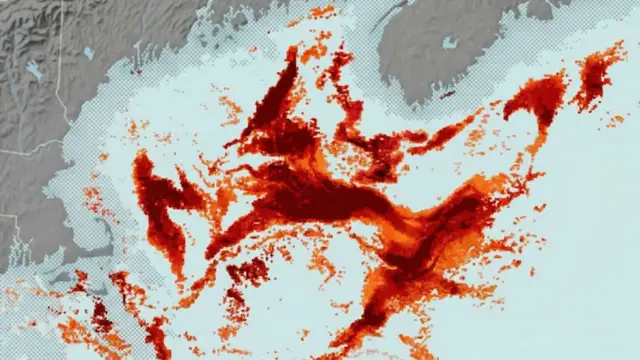
A NASA satellite has made visible something microscopic that keeps one of the most endangered whales on the planet alive
Far off the New England coast, one of Earth’s rarest whales is surviving on clouds of plankton that most of us never notice. Now scientists can see those…
Adrian Villellas · January 9, 2026
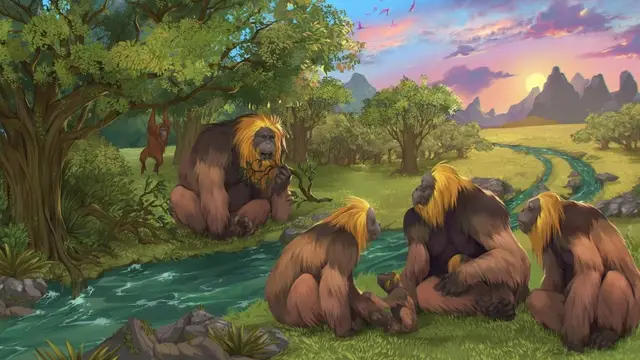
Gigantopithecus, the largest ape that ever lived, went extinct 215,000 to 295,000 years ago because it could not adapt to climate change
For decades, the extinction of Gigantopithecus blacki has been one of paleontology’s biggest unsolved stories. This enormous ape, often compared to a real…
Adrian Villellas · December 27, 2025