Toyota presents hydrogen combustion engines that emit only water vapor

· · 3 min read
The automotive industry has just been stopped in its tracks by an innovation coming as far away as Japan. Toyota has just presented to the world a new way to save the combustion engine with another combustion engine. However, this one has zero emissions and only produces water vapor, with a performance that neither Tesla nor EVs would ever achieve. We show you the first prototype that has been unveiled and the secrets that are still being unveiled (but that we have known before).
Toyota has presented a new generation of engines: Combustion could be saved this way
Many automobile industries are now focusing on research on the vehicles that run on the different kinds of fuel, and Toyota has been equally active in this area. The choice of hydrogen combustion engines is yet another step in this direction. These are the engines that replace traditional gasoline with hydrogen, addressing the drawbacks of cutting emissions and changing transport’s current tendency.
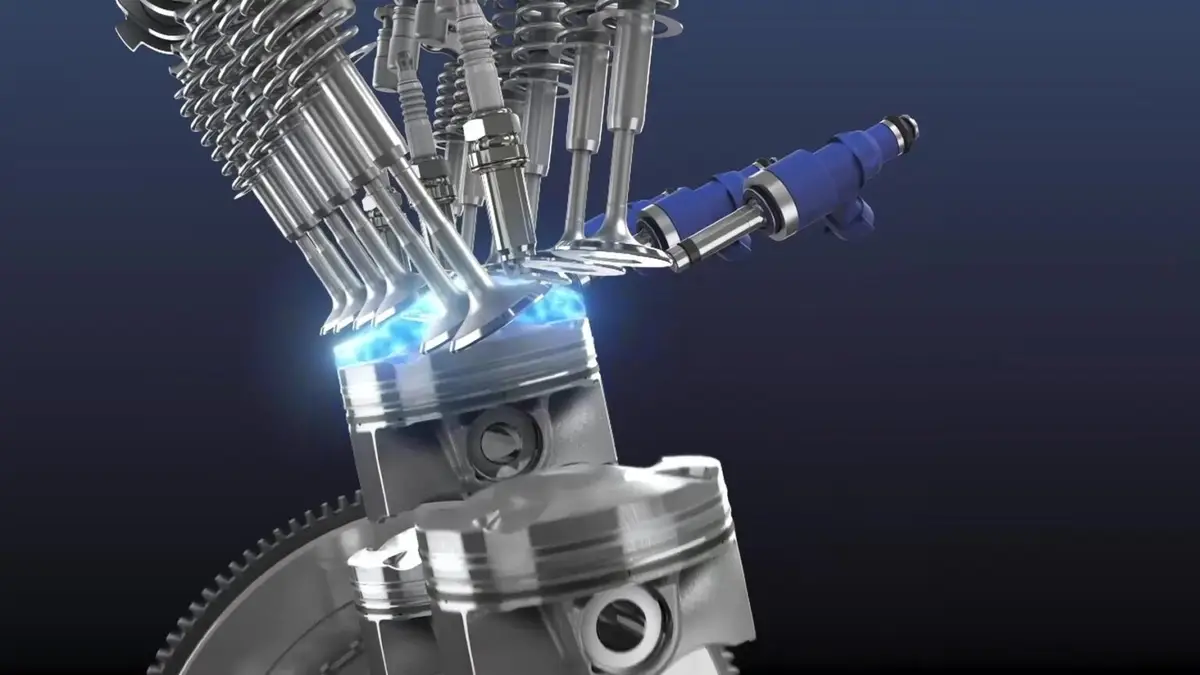
Hydrogen combustion engines that Toyota employs provide great performance while at the same time utilizing efficiency in engine features. As mentioned in the latest information in relation to every one of these engines, it is understood that the output can go up to 400 horsepower, which equals the capacities of many piston Atkinson cycle gasoline engines.
Also, the engines are designed to reach a thermal efficiency of up to 45%, which is equal to the best diesel engines. Therefore, hydrogen combustion engines are understandably a more compelling technological formula for Toyota in a vast number of vehicle applications, powered by the carmaker’s muscle and precision.
Japan is clear about the future of combustion: New engines to be presented to the world
Along with better fuel efficiency, another profound benefit of Toyota hydrogen combustion engines is environmental friendliness. Unlike the internal combustion engines that relapse greenhouse gases into the atmosphere, these hydrogen engines cause the release of clean water vapor into the air.
This corresponds with the company’s vision of cutting its car emissions and being part of the solution in the fight against global warming. Currently, Toyota has been working on the hydrogen combustion engines for several years with the vision of launching them on the market soon.

The firm uses its knowledge in fuel cell technology to develop these engines by overemphasizing on research and innovation. When it comes to the year of commercialization, the lack of information still remains a question, though Toyota plans to apply hydrogen combustion engines to a variety of car models, including passengers cars and trucks.
What can we expect from Toyota hydrogen engines? This could be the end of EVs and PHEVs
Thus, with the constant enhancement and development of hydrogen combustion engine technology in Toyota, there are positive implications for the automotive industry and environmentally. They could become a vehicle of change toward the directions of a sustainable transportation environment by providing an alternative to gasoline and diesel power.
Furthermore, there is a possibility of the rapid advancements in hydrogen combustion engines, which could in the end lead to the acceptance of hydrogen as a fuel source to power vehicles, thereby bringing an end to the use of fossil based energy sources. The future is yet to be designed, but Japan’s first drafts are promising.
This range of Toyota hydrogen engines is another step towards bringing back combustion, albeit in a completely different way. Even with the rise of EVs (to which Volkswagen wants to give a boost), much remains to be innovated. Other fuels, such as methanol or ammonia, are also promising, and we have told you about them, and even nitrogen or compressed air. Where can you find out about them? In our Mobility section, you will understand why the experts are in shock.
Glossary for this story
- Electric vehicle
- A vehicle powered by one or more electric motors running on rechargeable batteries that are charged by plugging in.
- Greenhouse gases
- Gases that trap part of the heat the Earth gives off, such as carbon dioxide, methane and nitrous oxide. More of them in the air warms the planet.
- Global warming
- The rise in the Earth’s average temperature since pre-industrial times, driven mainly by greenhouse gases from human activity.
ECOnews Newsroom
Writer at ECOnewsA team of journalists specializing in socio-environmental news, sustainability, climate change, the environment, responsible consumption, and innovation. At EcoNews, we provide clear, reliable, and relevant coverage of the environmental and social challenges shaping our era.
More from ECOnews NewsroomComments · 0
Rules ›No comments yet. Be the first to share your view.