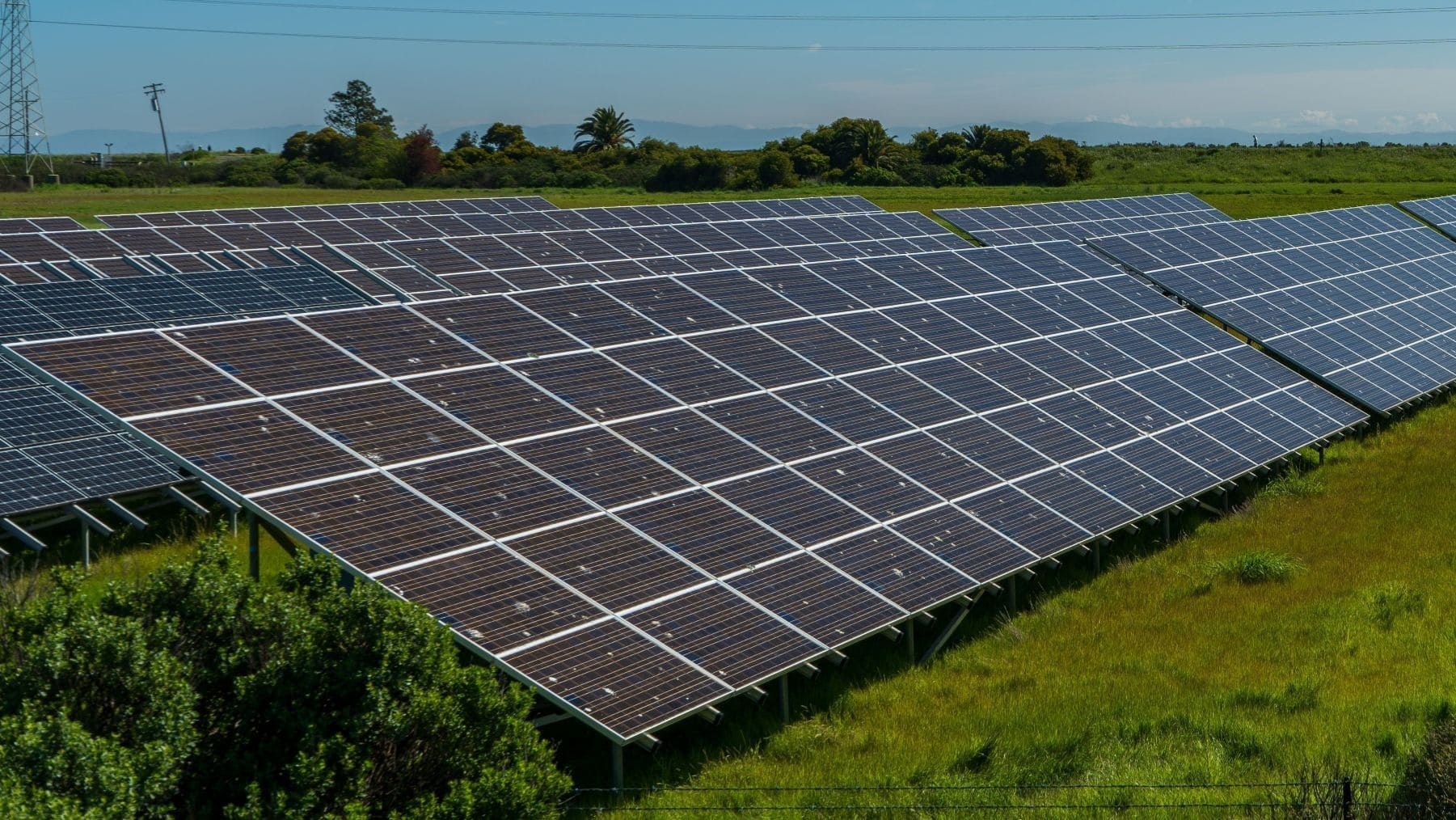


The state of Georgia is emerging as a leader among the 50 states in promoting and implementing the use of solar energy, in part because of both business and government leaders focusing on the practical aspects of working solar polar into the energy mix.
Overall, the state’s approach – seeing solar as part of the solution and not too complicated or expensive to implement – has thrust it into the spotlight among solar power advocates.
“Georgia is going to wind up being a state that everyone looks toward,” Ken Johnson, a vice president and spokesman for the Solar Energy Industries Association in Washington, D.C., told the Tampa Bay Times.
Cooperation Leads to Success
The underpinnings of the success of Georgia’s solar power initiatives lies in a spirit of cooperation between policy makers, solar business and the state’s existing utility companies.
There have been three big steps in developing solar energy in Georgia.
Tax credits. Starting in 2008, the state of Georgia offered tax credits to homeowners who installed solar panels. This credit just ended in 2014.
Selling solar energy. In 2012, Georgia Power – the state’s largest utility – started two programs to spur growth in the use of solar energy. The first, aimed primarily at homeowners and small businesses, allows existing Georgia Power customers to sell back energy produced through solar means. The second, larger-scale initiative, allows solar power producers to submit proposals to generate 500 megawatts of utility-scale solar power for sale to Georgia Power. This helps address the issue of solar power generators being unable to sell their energy directly to customers.
Cutting the cost of solar power. This year, the Georgia Legislature is considering a bill that will allow homeowners to finance the cost of installing solar panels, addressing a frequent criticism that solar energy is only affordable for the well-to-do.
The Solar Power Free Market Financing Act
The bill, passed by the Georgia House of Representatives in early February, makes access to solar power much easier for homeowners, businesses and non-profit institutions such as churches, schools and local governments.
The Solar Power Free Market Financing Act addresses the cost of installing energy-saving solar panels. The bill will allow homeowners to finance installation of solar panels through small solar installers. This makes installing solar panels a far more realistic option for most homeowners, who can pay for the panels over time rather than trying to pay the costs upfront, which can be as high as $15,000 or more.
The bill had the endorsement not only of solar power advocates but Georgia Power, as well as associations that represent the solar and electric power industries.
Georgia residents are, so far, not seeing rate spikes as the state moves strongly into solar power. Georgia is building solar farms at a cost of just 6 cents per kilowatt hour. Part of the reason for this are federal incentives that make constructing solar power farms on par with the cost of natural gas facilities and less than that of nuclear energy.
Military Looking to Georgia
The Peach State’s solar initiatives are not only attracting the attention of solar advocates and officials from other states, but also the United States military.
The military already has launched some solar power programs at bases in Georgia, according to the state’s utility regulator, Bubba McDonald. He told the Tampa Bay Times that military officials have indicated they are looking to Georgia as a model for how to approach the use of solar power.
Georgia Power is building three solar generation plans for the military, according to the utility’s website, for use to produce power at Fort Stewart, Fort Benning and Fort Gordon. The plants, which will be designed to produce 30 megawatts of solar power, will be the largest used by any U.S. military base.
The plants are expected to be completed in 2016, according to Georgia Power.
Kevin Walker wrote this article on behalf of iFame Media. iFame Media owns www.isustainableearth.com a site dedicated to the sustainable lifestyle while providing green tips for kids and parents helping make a difference every day!