
SoloPower has secured a $197-million loan guarantee offered by the United States Department of Energy around six months ago to finance the construction of three thin-film solar module manufacturing factories.
The California-based startup plans to use the loan to expand an existing factory in San Jose, California which already began in the second quarter of 2011, generating over 700 jobs. Part of the funds will also be spent on building two new facilities in Portland, Oregon which is scheduled to start construction next month.
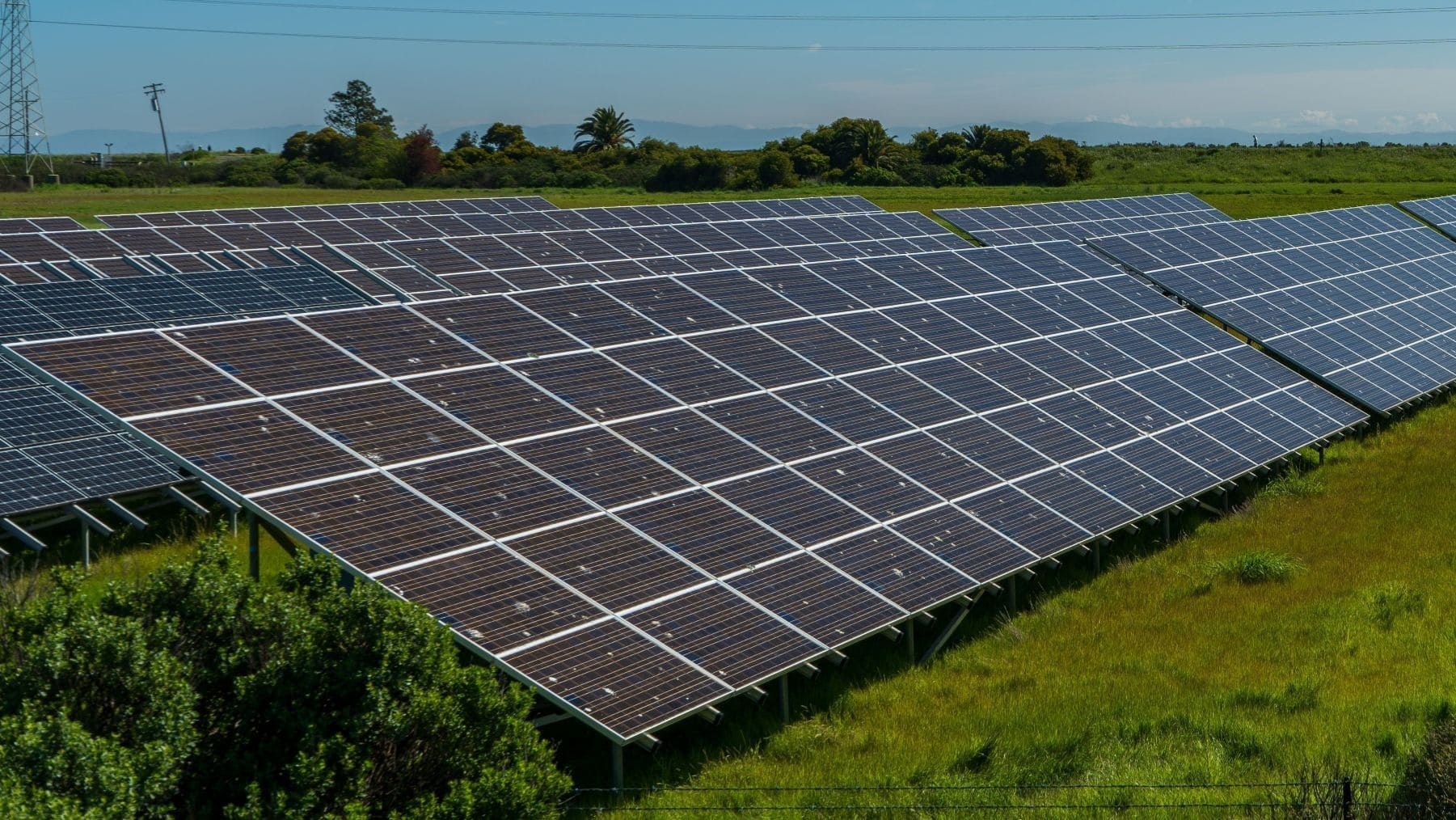
Together, the facilities are expected to produce over 400 megawatts of thin-film solar modules made of copper, indium, gallium, and selenide deposited on a flexible back material. The modules are assembled into solar panels up to 260 watts and are sold in small volumes in five countries, according to SoloPower.
C.I.G.S. has been the material of choice for most start-ups like California-based firms Miasole, Nanosolar, and Solyndra for their thin-film solar cell products. The U.S. National Renewable Energy Laboratory confirmed that thin-film solar cells made with this material can convert 15.7 percent of sunlight it absorbs to electricity.
However, scientists say C.I.G.S. is a tricky material to work with because manufacturers need to blend four materials, compared with cadmium and tellurium which are mining by-products. NREL tests in April 2010 revealed that flexible C.I.G.S. solar panels manufactured by SoloPower have conversion efficiencies of 11 percent.
In comparison, bigger companies like First Solar Inc. and recently General Electric prefer cadmium telluride, one of the first types of thin-film solar to hit the market. First Solar, the world’s largest manufacturer of thin-film solar power modules, has produced a test thin film solar cell in July which set a world record of converting 17.3 percent of sunlight it absorbs to electricity.
Cells made from silicon, the dominant solar cell material in the market, can convert sunlight to electricity with up to 20 percent efficiency on average.
Loan guarantee
The Energy department offered the loan guarantee to the company in February originally to fund the upgrade of its existing San Jose factory. The project is one of the last applications under Section 1705, one of the three programs of the department’s Loan Programs Office, which is set to close on September 30.
The loan guarantee program is part of the American Recovery and Reinvestment Act of 2009 stimulus package that aimed to boost job creation and clean power generation. Under the program, the government is committed to pay as much as 80 percent off the loans, provided it meets pending requirements, in the case of a default.
Projects with loan guarantees from Section 1705 are required to commence construction on or before September 30. This program had the most applications with 32, half of which are either solar manufacturing or solar generation projects.
Only 14 of them have finalized their guarantees.
So far, L.P.O. has issued loans, loan guarantees or offered conditional commitments for loan guarantees worth nearly $40 billion to support 41 clean energy projects in the country. This includes the Advanced Technology Vehicle Manufacturing loan program meant for clean transportation and the Section 1703 loan program which is only authorized to guarantee loans for projects that employ new technologies that have not reached commercial scale.