
General Electric is investing an undisclosed equity in a 10-megawatt solar project that will partly power a water desalination plant in Australia.
G.E. and Verve Energy, a state-owned utility based in Perth, will each own half of the Greenough River Solar Farm, subsidiary G.E. Energy Financial Services said in a statement. No exact figures were disclosed.
The project marks the G.E. unit’s first renewable energy investment in Australia. It now has invested $400 million in 42 solar projects worldwide.
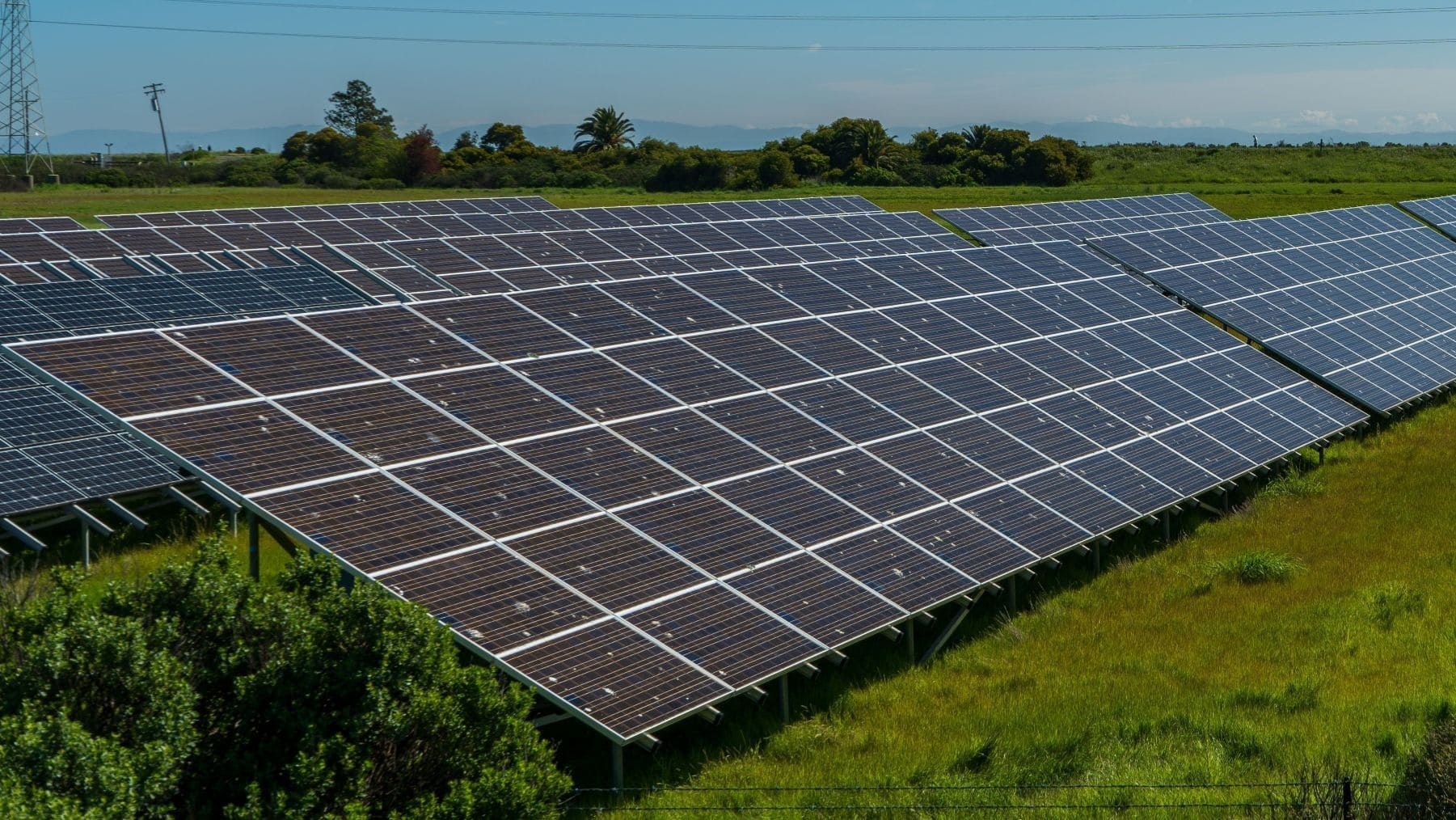
The project is said to be the first utility-scale solar photovoltaic plant in the country according to G.E.
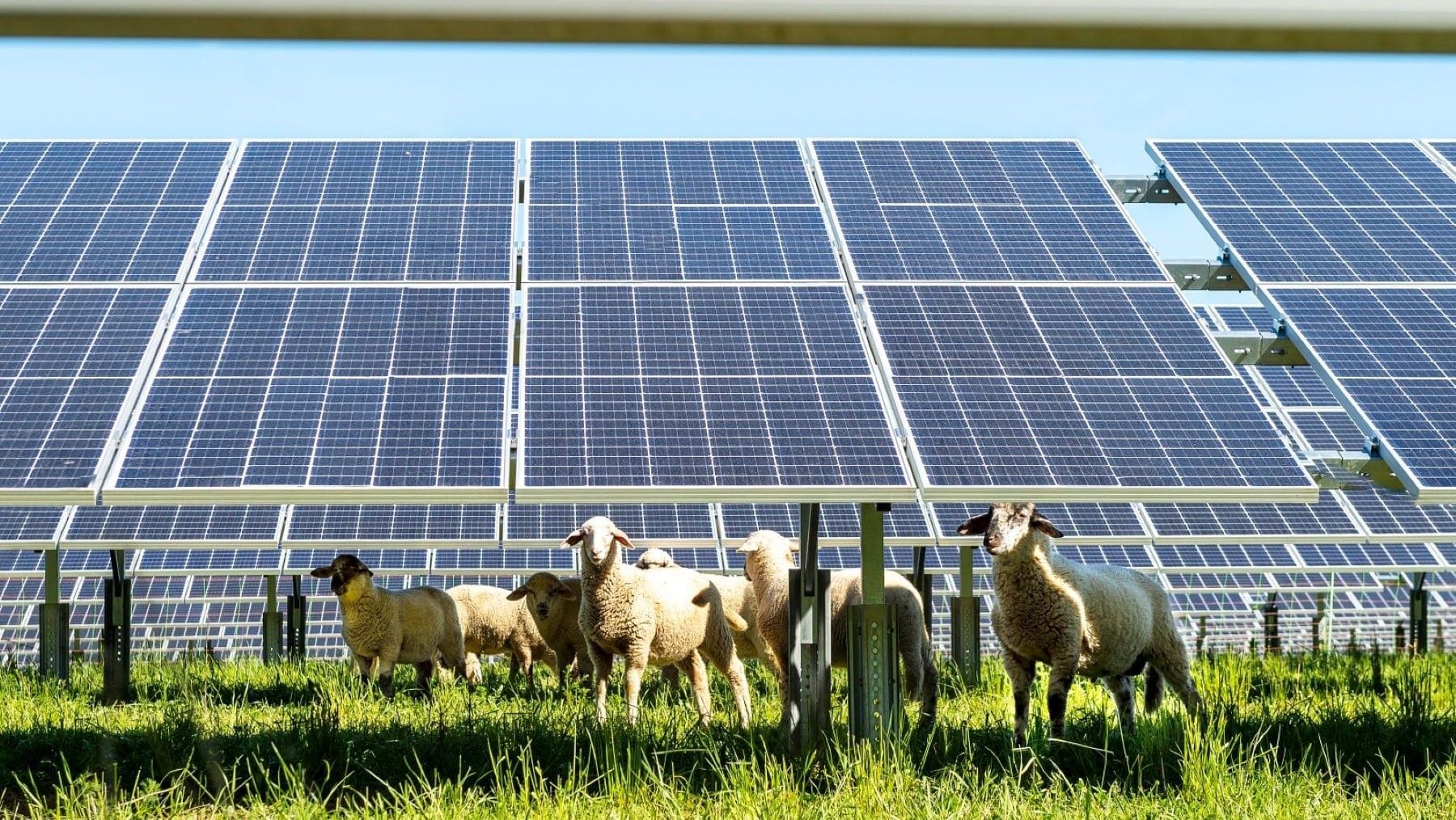
First Solar Inc. will build, operate and maintain the plant using more than 150,000 thin-film solar modules on 80 hectares of cleared land scheduled to be fully operational in the middle of next year.
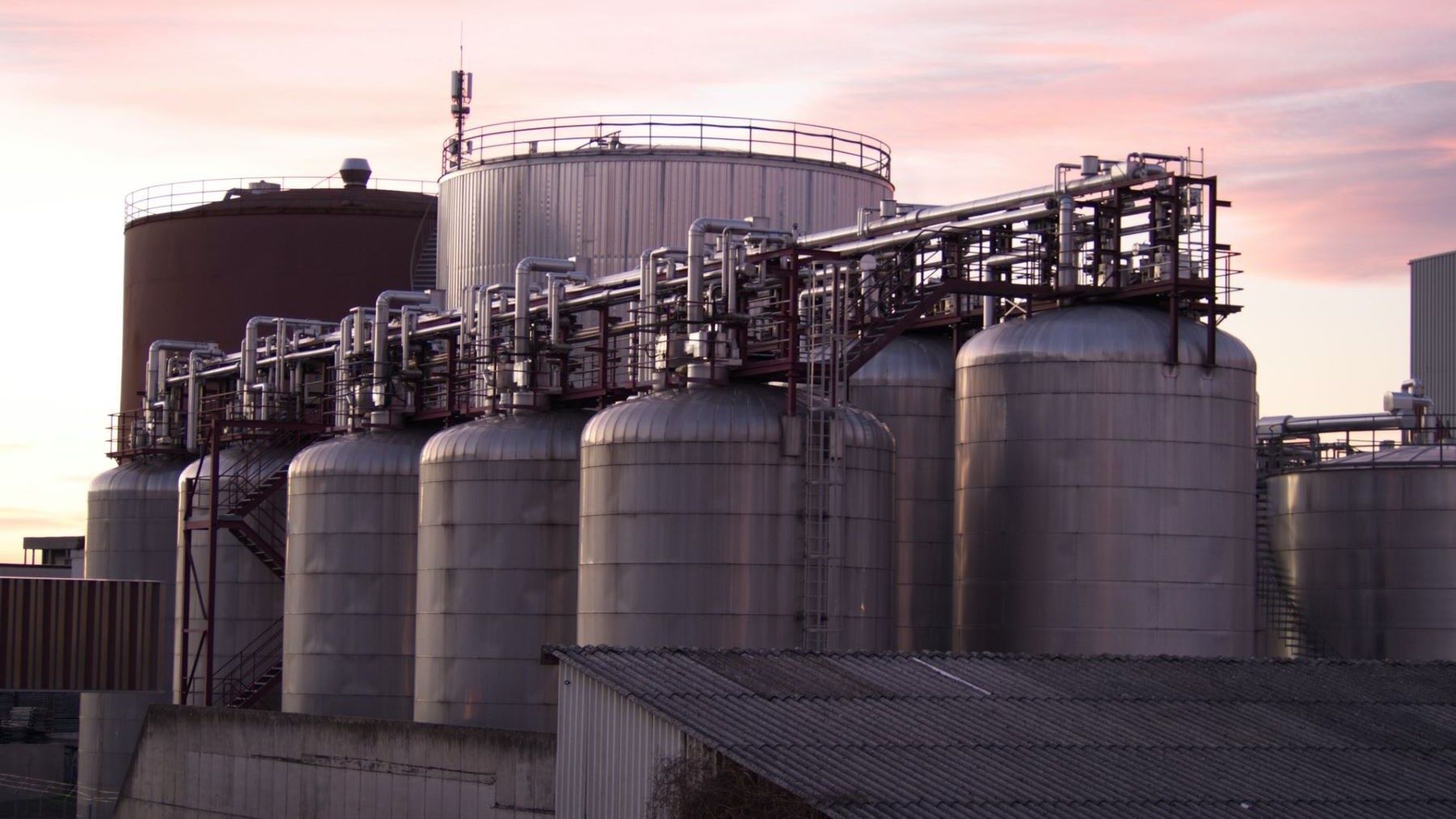
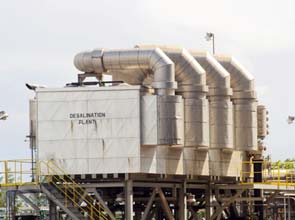
The Greenough project will sell all of its electricity to the Southern Seawater Desalination Plant being built by WA Water Corporation, which will produce about 50 gigaliters of potable water every year.
The Western Australian state government requires new desalination plants to use renewable energy. For this desalination plant, it will provide $20 million Australian dollars ($21.4 million).
The desalination plant will also take electricity supply from the 55-MW Mumbida wind farm, a joint venture between Verve and Macquarie Capital.
Food & Water Watch said water desalination is an expensive way of getting fresh water, costing at least three times more than standard methods.
While costs have gradually dropped through the years, it has not been enough to make ocean desalination competitive with traditional water sourcing.
In Southern California, desalinated water used to cost 30 times as much as delivered water in the 1990’s. But with prices of delivered water skyrocketing, desalination water now seem to cost only twice as much, said the California Coastal Commission.
The American Membrane Technology Association estimated that existing traditional supplies cost 90 cents to $2.50 per 1,000 gallons produced.
On the other hand, brackish desalination technologies range from $1.50 to $3 for the same amount of water, and seawater desalination $3 to as much as $8.
As of last year, over 13,000 desalination plants worldwide produce more than 12 billion gallons of water a day, according to the International Desalination Association, representing only about 0.2 percent of global water consumption.
However, with human population expected to grow by another 50 percent by 2050, the worldwide desalinated water supply must triple by 2020 to sustain the population boom’s needs, a report by Lux Research says the report claims that the global water desalination market is expected to expand at a compound annual growth rate of 9.5 percent over the next 10 years.