The pioneering assessment, which was carried out by 200 experts from 21 countries and 89 organizations, puts monetary value on the threats of nitrogen pollution to each person in Europe, the environment and the economy.
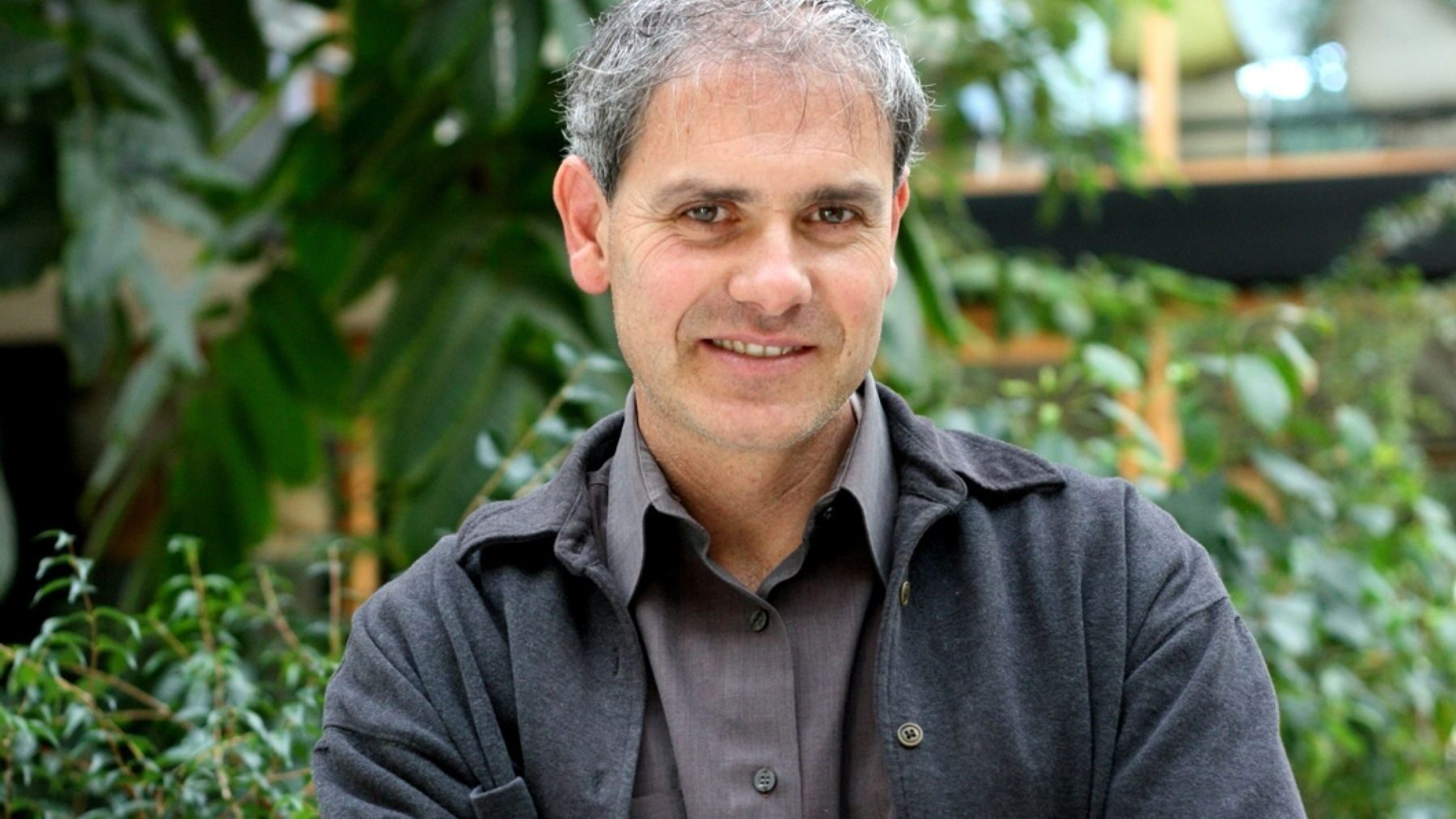
«The assessment emphasizes how nitrogen links the different environmental issues that we have come to know so well: climate, biodiversity, air, water and soil pollution,” said Professor Bob Watson, chief scientific advisor to the British Department for Environment, Food and Rural Affairs.
If this problem is left unresolved, at least 10 million Europeans are potentially exposed to drinking water with nitrate concentrations above recommended levels.
In addition, nitrogen pollution would reduce human life expectancy by several months and destroy particularly the North, Adriatic and Baltic seas as well as those along the coast of Brittany in France.
The damage on North Sea would affect Britain and countries in the Scandinavian region in Northern Europe. The same thing would happen to countries in the southeastern and northern Europe, where the Adriatic and Baltic seas are respectively located.
The European Commission forecasted that by 2050, the average nitrogen depositions to biodiversity hotspots alone would more than double. This would wipe out over two thirds of European plant diversity, as the assessment estimated.
Aside from this, each person in Europe is losing around 150 euros to 740 euros a year. In the agricultural sector, the economy is losing money – 70 billion euros to 320 billion euros, twice more than what it gains from using nitrogen fertilizers.
«Nearly half the world’s population depends on synthetic, nitrogen-based fertilizer for food but measures are needed to reduce the impacts of nitrogen pollution,” said lead researcher Dr. Mark Sutton from the British Centre for Ecology and Hydrology.
“Solutions include more efficient use of fertilizers and manures, and people choosing to eat less meat,” Mr. Sutton said.
“We have the know-how to reduce nitrogen pollution, but what we need now is to apply these solutions throughout Europe in an integrated way,” he added.