Imagine a time when you can produce 1,000 pounds of hydrogen at home. AFC Energy may very well be leaning toward the end of solar and wind power with their reveal of the Hy-5 system. The Hy-5 system is a rather portable ammonia cracker that can produce 500 kilograms (1,000 pounds) of pure hydrogen. At the moment, the hydrogen device is said to be ready for delivery in 2026, and perhaps in 2026, we will be able to bid farewell to solar and wind power alternatives.
The Hyamtec brand’s Hy-5 cracker is a game changer
The Hy-5 cracker (a device that uses heat and a catalyst to break down hydrogen-containing molecules) is a compact hydrogen generation module that utilizes ammonia to produce hydrogen that is more or less 99.9% pure. With the “Fuel as a Service” (FaaS) model, end-users will be able to gain hydrogen at £10 per kilogram, which is a considerably more reasonable price for hydrogen than what’s usually available on the market.
The 1,100 pounds of hydrogen produced daily can be utilized by an entire fleet of cars or by several fuel generators. Surely, the idea of being able to produce hydrogen at your fingertips is something worth diving deeper into and exploring at length.
Ammonia is quite the innovator in all regards
Previously, to produce hydrogen, electrolysis was deemed important. Electrolysis depended at length on both wind and solar farms to provide renewable energy. The problem with the acquisition of renewable energy from these farms came due to sticky grid connection requirements, more capital expenditure being incurred, and land acquisition delays.
When the Hy-5 was introduced, it eliminated the need for relying on renewable power sources. Instead of depending on grid connections, Hy-5 uses ammonia, which is a chemical that can be transported globally. In turn, this resulted in decentralized, high-output hydrogen production that did not have to take into consideration any additional costs.
Utilizing the HY-5 for many applications
The good news is that humans no longer need to resort to turning hydrogen black in their quest for hydrogen, since the capacity at which natural hydrogen is produced with Hy-5 is amazing. Due to Hy-5 being so mobile, it can be used for a variety of applications, including:
- Refueling stations for hydrogen-powered trucks.
- Higher temperature industrial processes.
- EV-charging utilizing hydrogen fuel cells.
- In the mining and construction sectors.
- For powering remote sites.
The above-listed options are just some ways that people can make use of this Hy-5 device, but what makes this hydrogen generator so attractive is the fact that it relies mostly on Ammonia. Being so easily accessible, it would not be burdensome to scale this hydrogen-generating option on a global scale. The Hy-5 contraption also eliminates the need for and the hurdles associated with transporting hydrogen safely and cost-efficiently.
Bidding farewell to solar and wind for hydrogen generation
For some reason, Ammonia and hydrogen always went hand in hand. In fact, the interest in hydrogen and ammonia cannot be denied. It was America that intended to produce 1 billion cubic feet of hydrogen and 1 million tons of ammonia back in 2024.
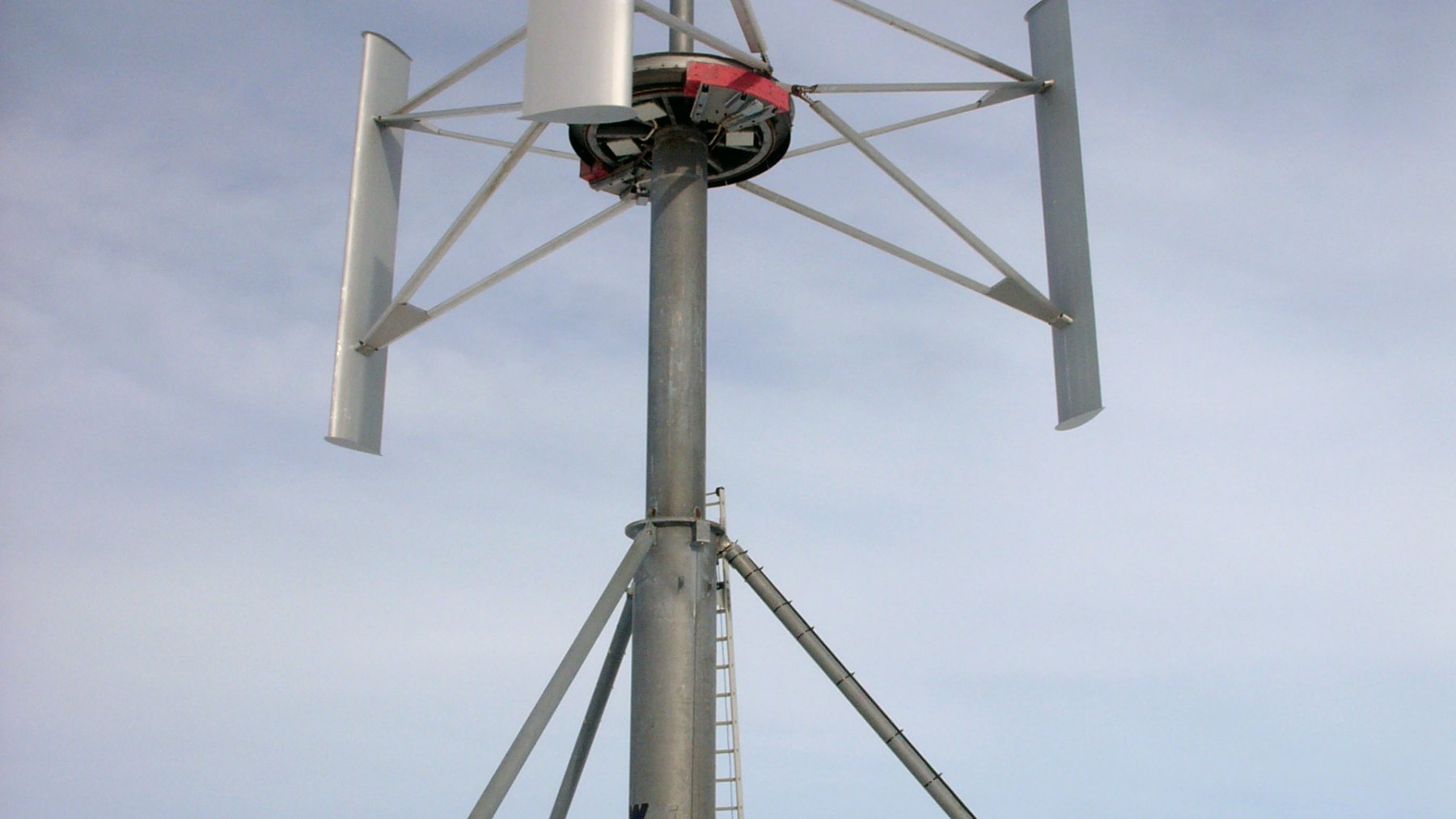
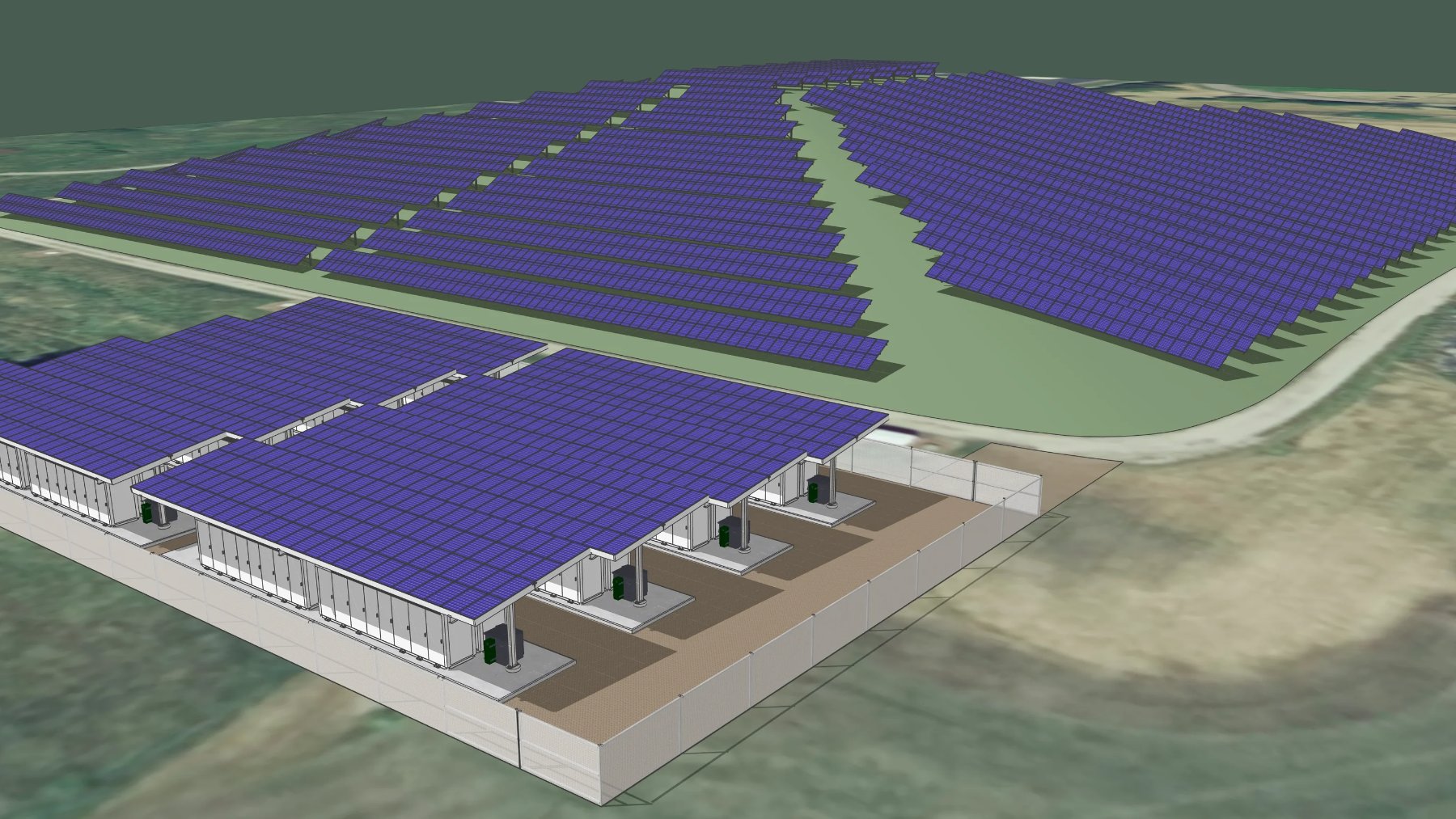
By making full use of ammonia, the Hy-5 hydrogen generator changes the energy production method and offers a glimpse of what it could be like to rely on sources other than the renewable energy from wind and solar power. The limitations of both wind and solar power do not need to be considered any longer. The space required by solar and wind power cannot be overemphasized, and due to the Hy-5 can be ruled out completely. Regulatory concerns that make relying on renewable energy sources to generate hydrogen a struggle are no longer concerns.
Hy-5 is here offering a cost-effective and rather proficient alternative to generating hydrogen easily and without any of the burdens posed by the generally used renewable energy infrastructure. Clean hydrogen access is becoming a reality, and that too a reality that can be rather widely used.