Picture this: you’re looking out over the horizon and, instead of rows of massive turbines slowly turning, there are sails sweeping across the sky — quiet, elegant, almost like futuristic kites pulling power straight from the wind hundreds of meters above. Sounds like something a sci-fi writer would dream up, right? Yet here we are, watching it take shape. In the last decade, the hunt for fresh sources of renewable energy has started reaching beyond the ground and the shallows offshore. And while we’ve heard about solar panels on rooftops and even on drones, there’s a new race happening in the open air.
When wind power takes flight: harvesting energy with a 750-meter kite
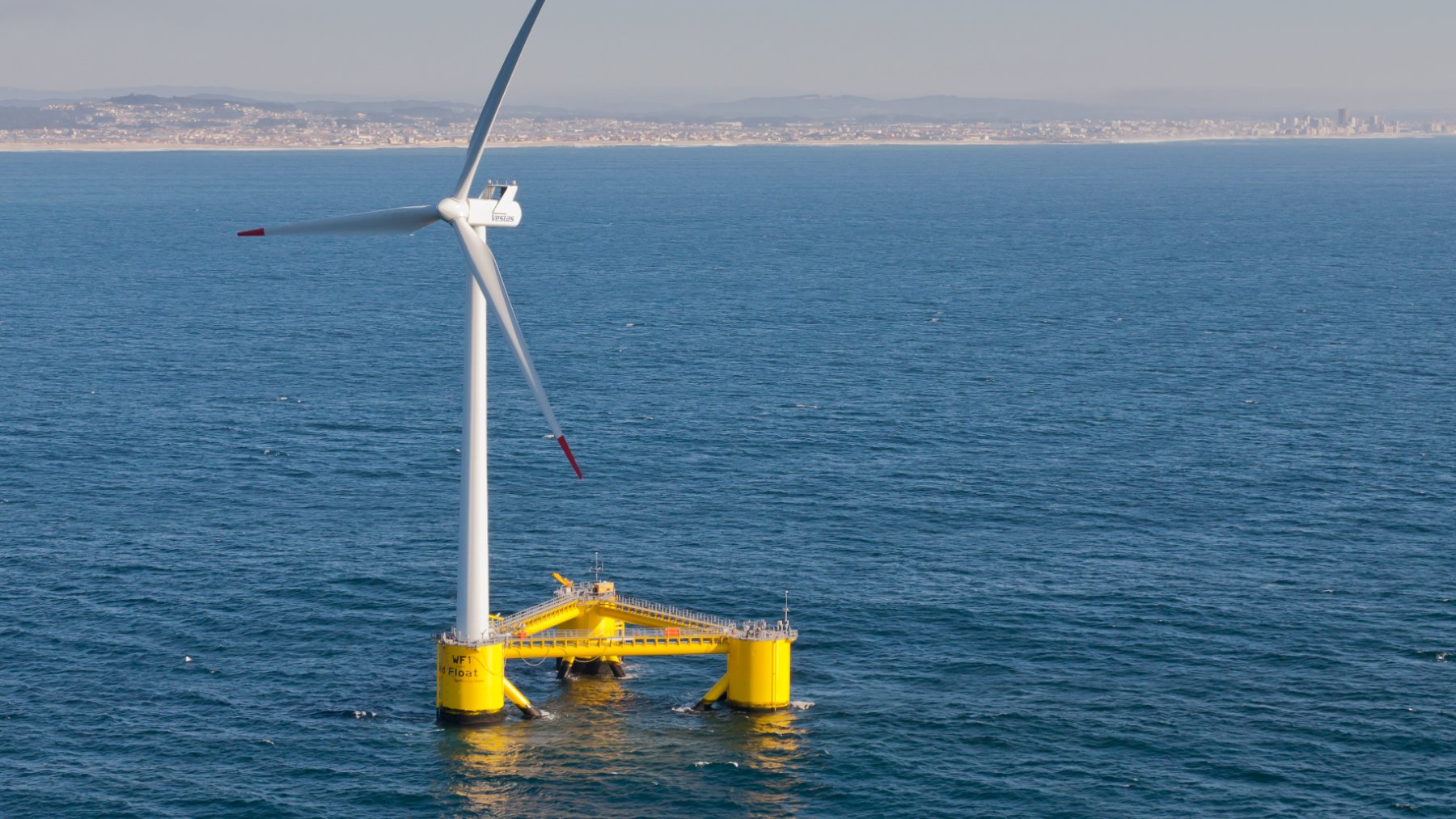
Wind isn’t the same animal everywhere. Down at ground level, it’s fickle — slower, choppy, interrupted by buildings and trees. Go higher, and it steadies, pushing harder, flowing faster. That’s why conventional turbines have been climbing taller and taller, but at some point you hit limits: physics, cost, and practicality. On top of that, sprawling wind farms demand huge footprints, can stir up local resistance, and come with maintenance bills that make accountants wince.
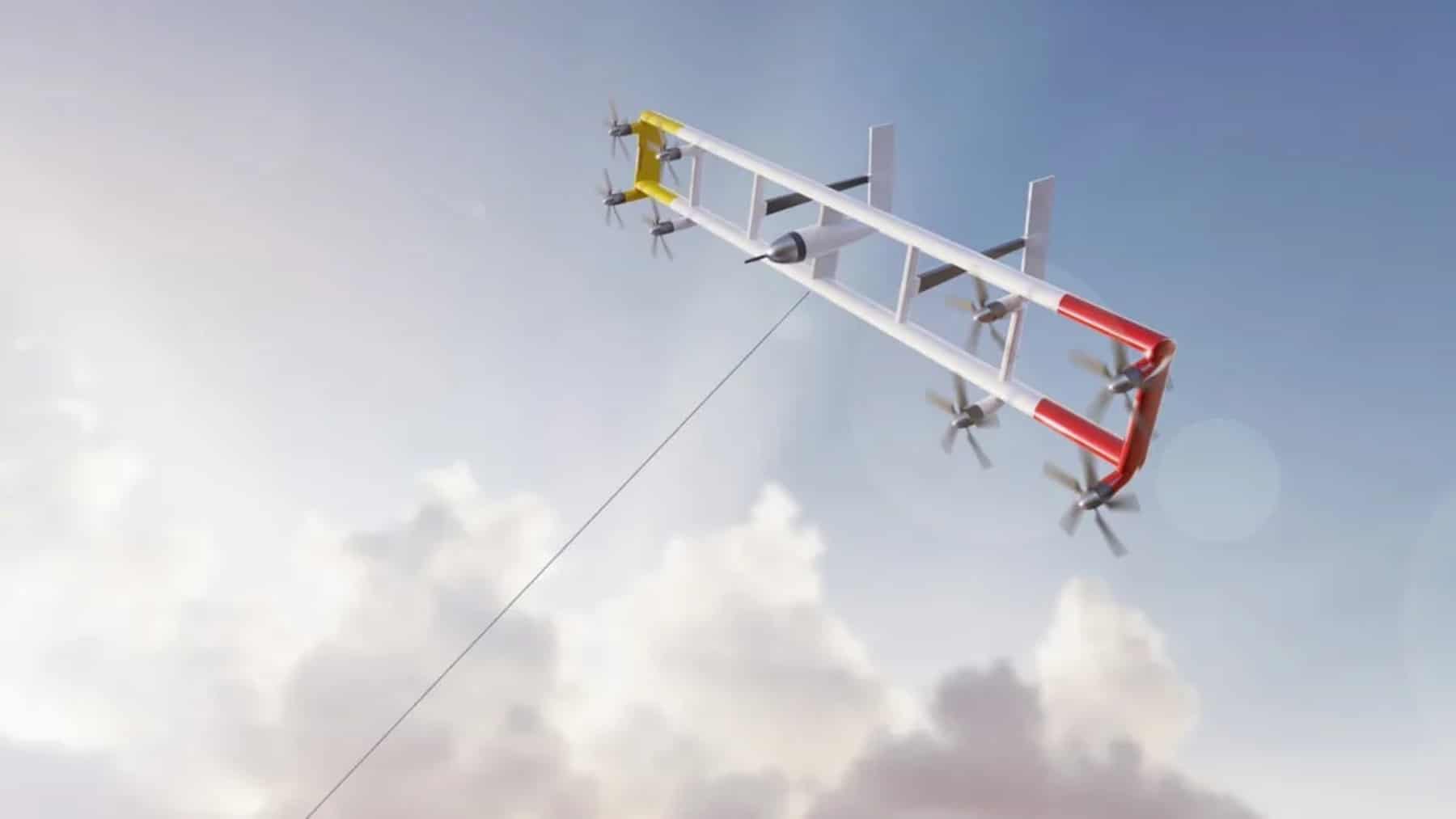
And no, you can’t just drop a turbine wherever you please; spacing, terrain, and environmental constraints get in the way. Now drop into this picture a machine unlike the towers we know: the 750-meter kite. Instead of being bolted to the earth, it rides the air. The sail climbs high, tracing figure-eight loops to squeeze the most force from the wind. The tether unwinds, driving a generator on the ground. Once it reaches full stretch, part of the electricity it just made reels it back in, and the dance starts over.
“It’s a bit like a yo-yo,” says Stephan Wrage, founder of SkySails Power GmbH, summing up the rise-and-fall rhythm that keeps the kite producing nonstop.
Airborne wind power promises big gains
And this isn’t just a curious experiment; it’s a direct response to some of the most serious bottlenecks in renewable energy generation. After all, these aerial systems can be installed in locations impractical for stationary turbines: remote islands, deep seas, and mountainous areas. They’re also mobile (the system is containerized), lighter, and quicker to install (just like this home wind turbine made from wood).
In the real-life case of Mauritius, a 240 m² unit generates approximately 400 megawatt-hours per year, enough to power between 200 and 400 homes, depending on the region. All of this operation is certified by independent testing. Some advantages of this airborne wind energy include:
- Mobility: Can be transported and installed quickly.
- Lightweight and durable materials: Plastic fiber cable is 10x lighter than steel, but with the same strength.
- Quick installation: Does not require complex foundations.
- Less physical impact on the ground: Useful for locations with environmental restrictions.
There are also several challenges, such as air regulation, which still lacks support for this type of operation; risks to wildlife (especially birds); public perception of safety and visual impact; and scalability, as achieving nationwide impact would require entire fleets.
Could giant kites become the next icon of clean energy?
Germany has already mapped out around 4,000 potential spots for airborne wind tech, most unusable for conventional turbines. The push now is to go bigger and smarter — larger sails, sharper controls, more power per flight cycle. For the moment, the spotlight is on island nations and territories: Taiwan, the Philippines, French Polynesia, and Mauritius are all proving grounds.
But the appetite is clearly global, and the sky’s — quite literally — the limit. Huge sails carving precise paths in the air aren’t just striking to see; they signal a relentless search for solutions that marry innovation, economic sense, and climate urgency. Just like this silent wind turbine that gives you 1,500 kWh free at home.
Disclaimer: Our coverage of events affecting companies is purely informative and descriptive. Under no circumstances does it seek to promote an opinion or create a trend, nor can it be taken as investment advice or a recommendation of any kind.