The African continent is experiencing a geological change that may redefine the planet’s geography. An ocean may in time develop from a rift in the Afar Triangle, in the Horn of Africa, which will be very close to America predict scientists (around five to ten million years from now). This rare, monumental event is a direct consequence of the movements of tectonic plates, which continue to separate, pulling East Africa away from the rest of the continent.
The tectonic clash is causing a rift which is reshaping the African continent
The Afar Triangle, a geological depression where three tectonic plates, Nubian, Somali, and Arabian meet, lies at the heart of this transformation. This part of the region is part of the East African Rift system that runs through eastern Africa.
The rifting process has been going on for millions of years, but a major event took place in 2005 when a 35-mile-long rift opened in Ethiopia’s desert catapulted it into public view as a tangible sign of the continent’s slow separation. The Somali plate is moving away from the Nubian plate, pulling apart the crust of the Earth.
This activity will ultimately generate a new ocean basin as the Red Sea and the Gulf of Aden submerges the rift valley, and a separate landmass, including fragmentary pieces of Somalia, Kenya, Ethiopia, and Tanzania. This new sea, the sixth ocean on Earth, will transform not just Africa’s geography but its geopolitical and ecological architecture.
The Erta Ale is a heated window into the tectonic future of Earth
Rifting happens when tectonic forces pull on the Earth’s lithosphere (the crust and upper mantle) and cause it to split apart. The result is a rift valley formed of depressions (or grabens) and local highs (or horst), delimited between fractures or faults.
Scientists have connected the process to a gigantic plume of super-heated rock that rises from the mantle below East Africa. The plume squeezes the crust until it breaks; over time, the crust extends, the rift opens, and volcanic activity erupts.
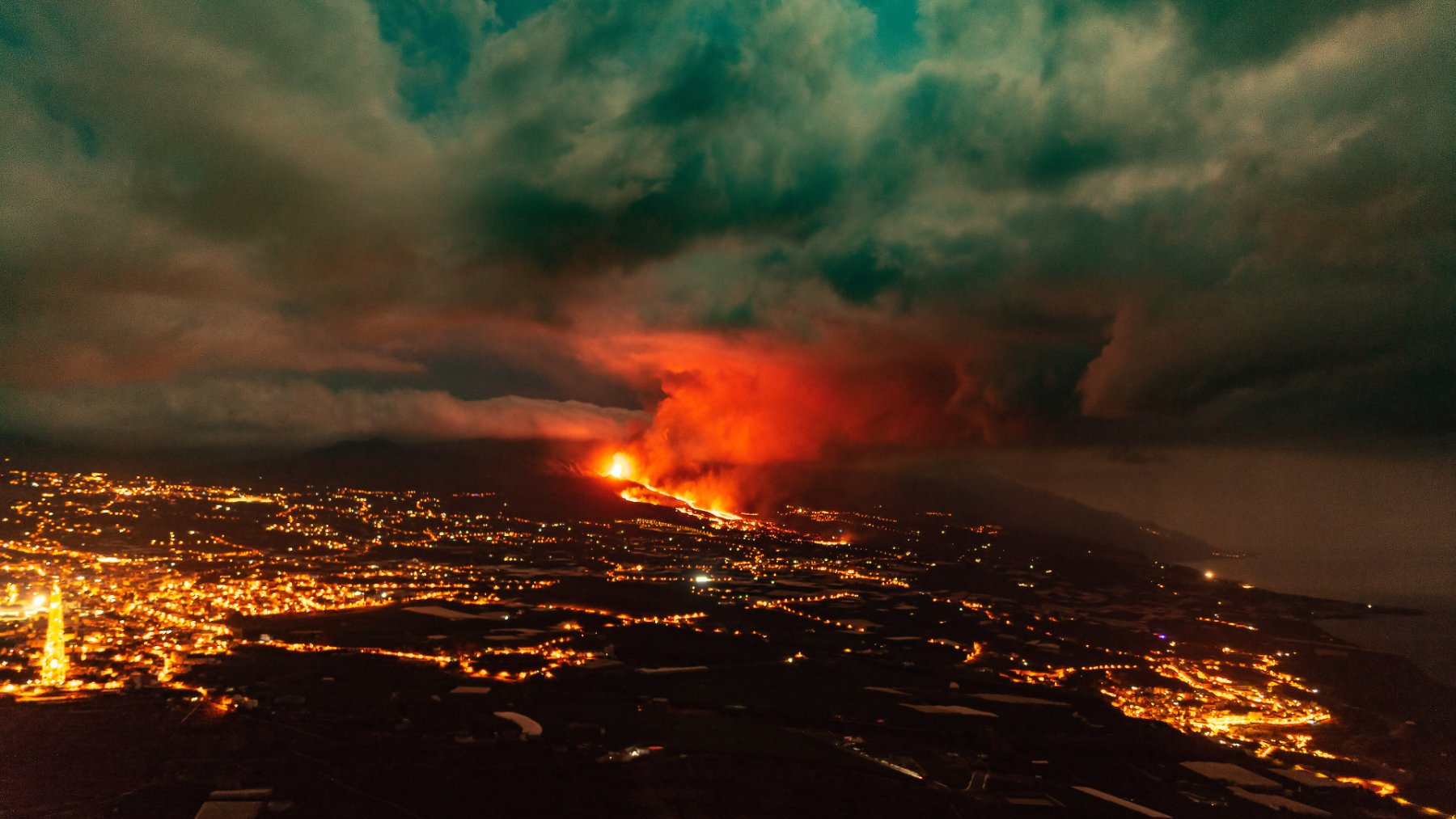
Ethiopia’s Erta Ale volcano, one of the most active lava lakes on Earth, offers critical insights into active geological processes like those at mid-ocean ridges. New technology, including GPS devices and satellite radar, has allowed geologists to measure the movements of the ground with astonishing precision.
Those tools validate that the Arabian Plate is moving away from Africa at a rate of roughly 1 inch each year, and African plates are separating at much slower sales of between 0.2 to 0.5 inches per year. Though gradual on a human scale, it’s an unambiguous sign of Africa’s eventual divide.
The division and economic future of Africa
Although a new ocean forming would be a slow and distant process, it has the potential to impact human populations and ecosystems significantly. While the exact mechanism of this division remains unclear, scientists agree it will inevitably result in dislocation of the continent, especially for those living along the rift.
More than 15 million internally displaced people are already in Africa because of environmental changes and climate-related disasters, according to the United Nations Environment Programme. If current trends continue, the Somali and Nubian plates will continue to drift apart (just like the split of Africa and Asia), creating more pressure on the region and pushing entire communities away as continued displacement turns landmasses unstable and even submerged.
On a small scale, there will be local earthquakes, new faults, fissure creation, and perhaps some volcanism. Its effect will displace flora and fauna, as their habitat will shift or vanish altogether, and the impact will be subsidiary to the entire continent’s biodiversity.
The unveiling of a new ocean, however, brings both opportunities for economic prosperity and environmental challenges. Even currently landlocked countries, such as Uganda and Zambia, could acquire coastlines, opening new avenues for trade and commerce.
The opening of new ports, fishing grounds, and under-sea internet infrastructure, will radically shift the economic potential of these regions, leading to industrial and technological development. Additionally, the emergence of a new ocean will lead to distinctive ecological environments, fostering marine diversity, as well as supporting scientific inquiries pertaining to oceanic evolution.
The Afar Triangle, a region with a deep fossil record that dates to the early ancestors of modern humans, could prove valuable for gaining insight into the complex relationship between geological processes and the evolution of life on Earth.
The gradual shift of tectonic plates shows a world in constant flux. While that division is still millions of years away in East Africa, the geological activity continues to provide clues about what the future holds. The Afar Triangle is a reminder that the forces on Earth never stop reshaping our landscapes, our ecosystems, and our civilizations. The birth of a sixth ocean is a milestone no less significant than our planet’s own timeline (such as this icy highway that has brought millions of people to the US).