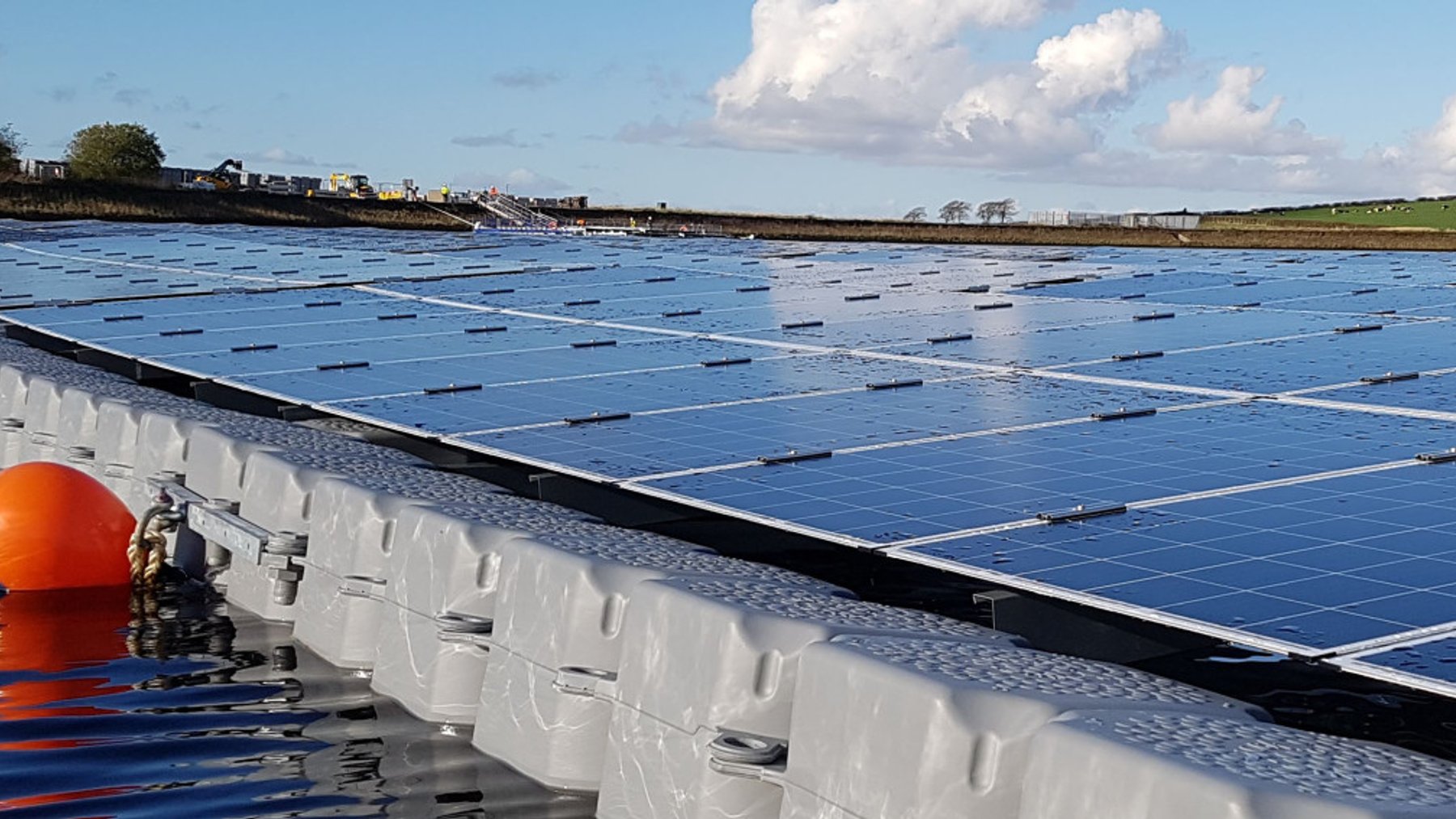
In a revolutionary breakthrough for renewable energy, the world’s first photovoltaic leaf (PV-leaf) has been developed by researchers at Imperial College London. This leaf-inspired technology mimics natural leaf transpiration to maximize the efficiency of solar panels while also producing three types of energy: electricity, freshwater, and thermal. PV leaves, with their ability to transform the solar industry, may play a significant role in the worldwide transition to sustainable energy sources.
Inspired by nature: The PV-leaf solves solar panels’ overheating problem
For many years, photovoltaic solar panels have been used to capture sunlight and convert it to electricity. However, standard solar cells lose a lot of their energy in excess heat generation when they get too hot, generally resulting in lower energy output.
Researchers from Imperial College London have solved this problem by using a biomimetic transpiration (BT) layer that mimics natural leaf structures with the PV leaf. The PV-leaf design combines vascular fiber bundles, like those in the leaves of plants, and sponge-like cells that resemble a hydrogel.
This induces a structure in which water can passively flow, redistributing and evaporating excess heat, which cools the solar cells. This leads to an energy efficiency increase of more than 10% compared to the traditional panels, which lose up to 70% of solar energy by dissipating heat.
The PV leaf is made from inexpensive materials like bamboo fibers as well as super-absorbent polymer hydrogels. Its minimal design means that there are no pumps, no fans, and no costly control units, allowing for a low-cost and easily accessible solution for widespread implementation.
The PV-leave produces thermal energy, electricity, and freshwater all at once
The PV leaf can generate multiple types of energy simultaneously, which is one of its most impressive features. Modern photovoltaic (like this photovoltaic energy found underground) systems can generate only electricity, whereas the PV-leaf is designed to also produce thermal energy and freshwater. A passive cooling system allows water to flow from a separate reservoir to the surface of the PV leaf, reducing the operating temperature and increasing efficiency. The PV-leaf can also produce freshwater using condensation.
In ideal conditions, it can generate an extra 1.1 liters of freshwater for every hour per square meter, making it a vital asset for arid areas. According to researchers, PV-leaf technology could generate more than 40 billion cubic meters of freshwater per year globally if PV-leaf technology was implemented into international solar panel targets by 2050.
Efficient and affordable: Why the PV-leaf is a cost-effective solution to renewable energy
The PV-leaf idea has great potential for large-scale use. Given that the PV is modular or that it can be expanded into larger solar farms, efficiencies can be maintained across multiple interconnected PV leaves. The estimated extra cost to implement this technology is $1.10 per square meter, about 2% of what traditional solar panels cost. Additionally, the payback period for these extra components is less than 6 months, making this a lucrative investment for solar power developers.
This PV-leaf can also function by using seawater rather than freshwater, which increases its usage in coastal and arid areas. With the high demand for renewable energy, innovative solutions such as PV-leaf can help us tackle the challenges we face in energy as well as water sustainability. With continued research as well as funding, PV-leaf may soon be a member of the renewable energy family, lessening our dependence on fossil fuels while also tackling the global scarcity of freshwater.
The photovoltaic leaf is a major breakthrough in solar energy (just like the largest photovoltaic power plant ever seen). As industries along with governments advance toward sustainability, this development could reshape energy production, reminding us that nature provides the best solutions for a resource-efficient future.