The future of drinkable water in New York City becomes doubtful because recent research shows its primary sources might become unfit for drinking within the next eighty years. The culprit? The increasing amount of chloride comes from road salt and various human operations. Road salts used for highway snow and ice control operations and surrounding human activities lead to this observed elevation of chloride levels in reservoir waters. This essential discovery presents substantial implications for the upcoming water supply and the city’s population health needs.
Undetected contamination continues its damaging process of contaminating NYC reservoirs.
The New York City Department of Environmental Protection (DEP) recorded an extreme rise in chloride content across reservoirs, especially throughout the Croton System. The chloride content of New Croton Reservoir water increased three times from the 1990s to present-day while other water bodies throughout Westchester and Putnam counties show corresponding chloride levels.
Excessive chloride concentrations produce critical health effects that trigger hypertension and elevate blood pressure levels. High water salinity levels also adversely affect watershed biodiversity and native ecosystems, further degrading water quality. Analysts from DEP estimated that chloride measurements will rise past accepted state criteria throughout 2108.
Many people have overlooked the damage caused by road salt nitrogen.
The main factor producing higher chloride levels in New York City’s water supply system is road salt. The main sources of water contamination come from the I-84 and I-684 roads, together with the Taconic State Parkway Saw Mill River Parkway, and other passing vehicles. Road operations employ salt as their de-icing method during winter months, which dissolves into waterways and elevates salt proportions in the area.
The Department of Environmental Protection suggests creating a group consisting of various stakeholders to solve road salt problems near reservoirs. This is probable because state Sen. Pete Harckham launched several attempts at panel formation through legislative bills never brought to floor voting. The current revision of this bill exists within the Senate Transportation Committee.
Known long-term consequences of elevated salinity levels would have severe effects.
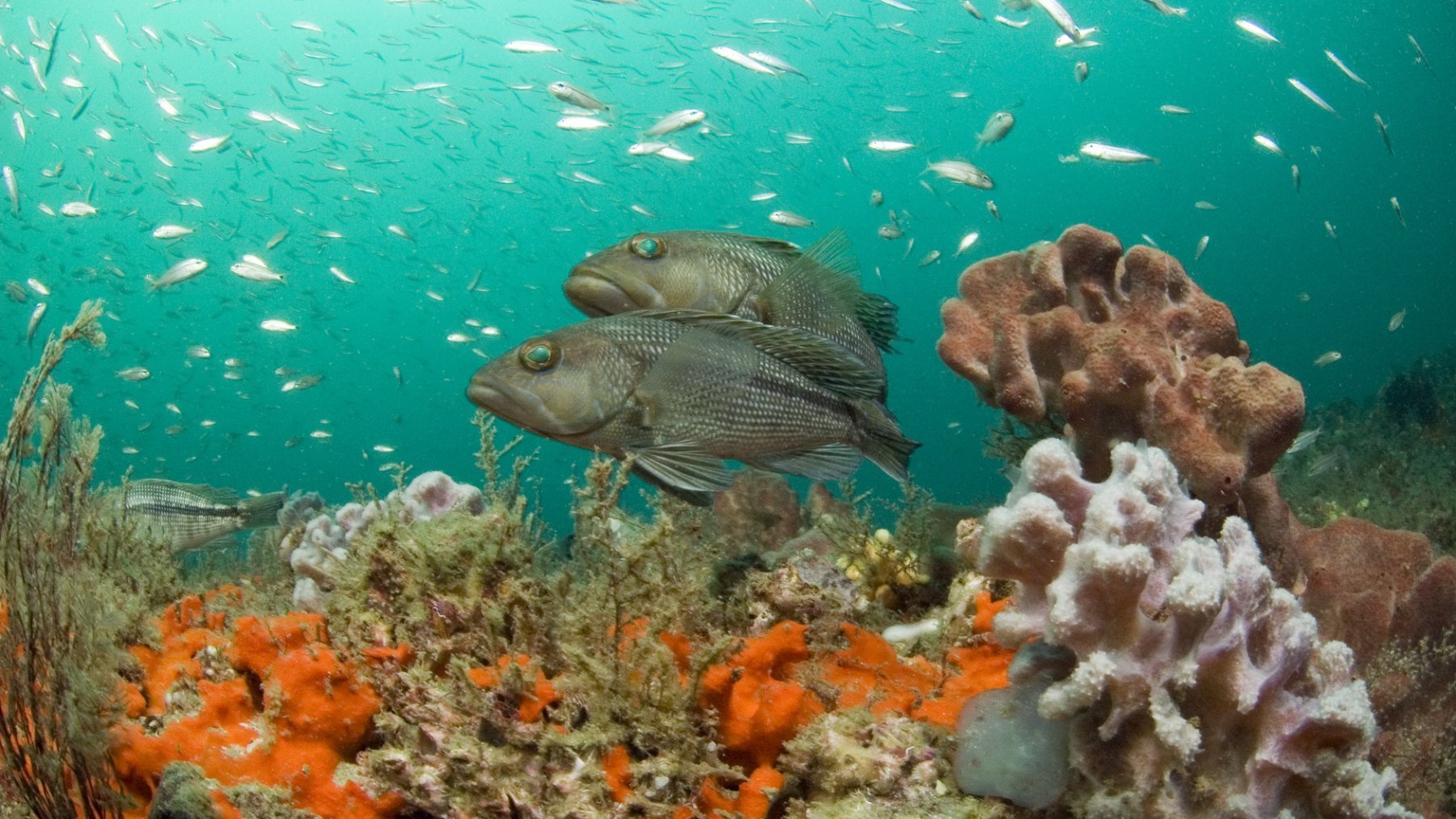
Rising salt levels in New York City water supply systems harm the area’s environment while creating health risks for its people. The high salt content in water harms aquatic life forms while destroying natural habitat areas, thus diminishing biological diversity throughout the affected zone. This procedure has negative effects on watershed health and water quality.
High chloride levels pose serious health risks to residents of the area. High blood pressure patients and people who need low-sodium diets face the greatest health risks. Environmental leader Tracy Brown from Hudson Riverkeeper insists that the city needs to combine strategic road salt management with improved equipment systems to defend public health.
Does New York City possess the capacity to prevent this problem from becoming irreparable?
Multiple obstacles exist when dealing with the increasing chloride content in New York City’s water supply. Traditional water filtration methods cannot remove salt from water since desalinization technology remains the sole solution. A full-scale deployment of such water management systems demands massive capital investments and substantial infrastructure modifications.
The DEP requires cooperation with state and local governments and environmental partners to create and execute measures against escalating water salinity. The effort to reduce water quality degradation requires research into alternative de-icing solutions, better road maintenance procedures, and public education on road salt’s effects on water quality.
Rising chloride detection in New York City’s water reserves creates a significant problem. The city’s unattended water sources may lose their drinkable state within the next eight decades. A solution for this problem demands multiple components, such as governmental laws combined with stewardship of natural resources alongside public awareness about the issue. Current proactive action allows New York City to secure its valuable water systems for upcoming generations.