North America will witness a special stellar occurrence tonight. During a partial solar eclipse, sunlight around the moon turns into distinctive shapes called solar horns. The phases of the sun become double points during sunrise because the moon obstructs specific sections of sunlight. The special occurrence will be visible to locals along the United States East Coast and residents of specific areas in Canada. The cosmos creates special conditions that enable individuals to bond with space and discover the aesthetics of our solar system.
How do solar horns appear as large dramatic shapes, and what causes them to exist?
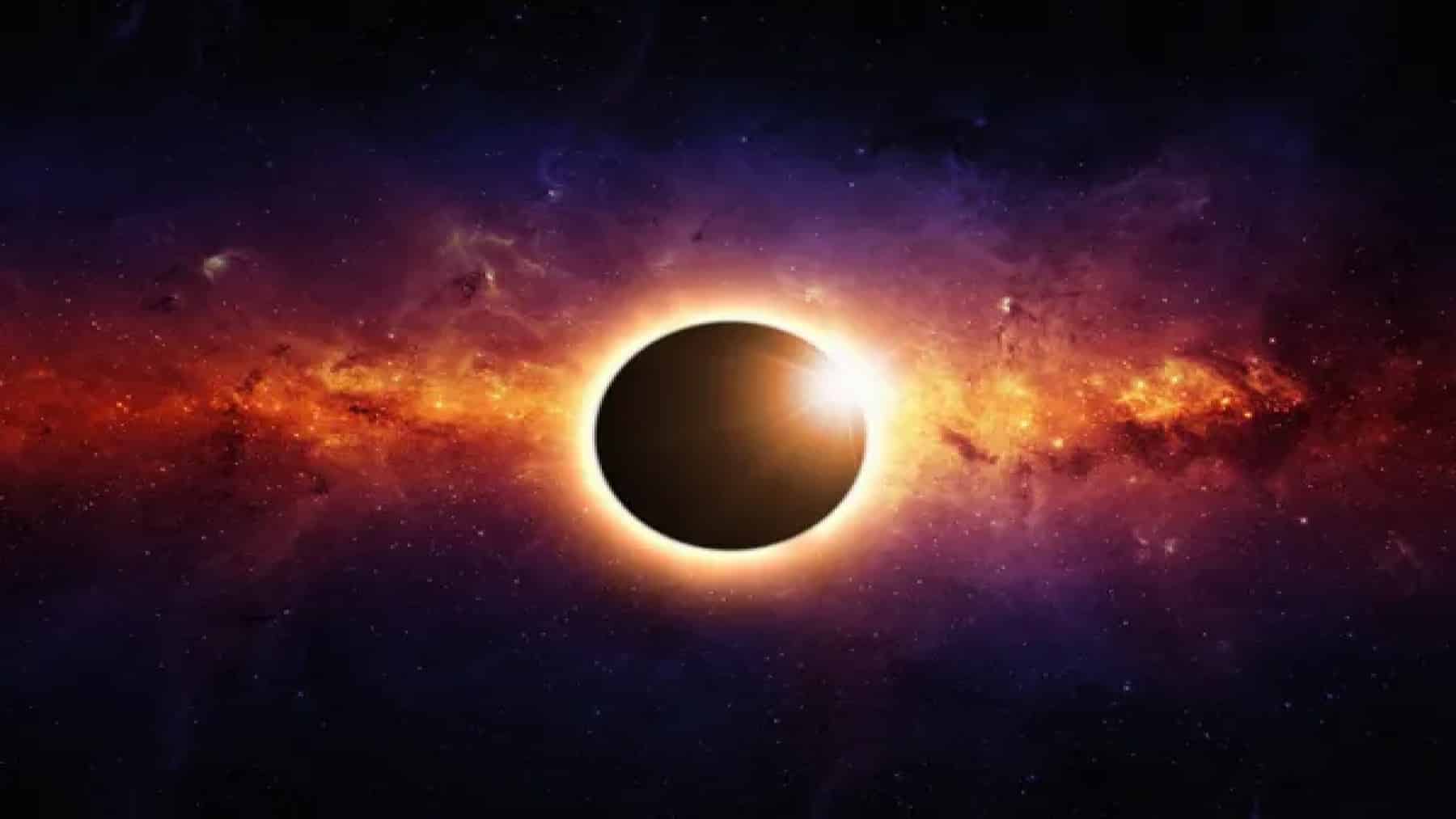
Solar horns become visible to viewers during the start of a partial solar eclipse. During its movement between Earth and the sun, the moon covers part of the sun while keeping its two brightest points visible. The two visible ends of the sun show horns, giving them their name. Before sunrise, the low-positioned sun produces amazing solar horns that are visible since the moon’s shadow obstructs part of the solar disk.
The tilted path of the Moon causes this phenomenon because Earth’s orbit around the Sun lies at a different orientation from the Moon’s orbit around Earth. During lunar orbits in partial solar eclipses, the moon misses a perfect alignment with the sun and blocks only certain sections of the sun. A visual artwork of solar horns appears when viewing areas line up perfectly with the sun during this event. The solar horns become visible to the human eye only through the safe use of proper eyewear equipment.
You will get the most unobstructed views of the solar horns from these ideal observing areas
In the northeastern USA and parts of Canada, viewers can get optimal views of the solar horns during the partial solar eclipse. Space.com reports that you will get the best view of the eclipse from coastal regions, where the ocean provides an open horizon for observing sunlight. These areas represent the best vantage points for observing the solar horns:
- Visitors can see solar horns from Quoddy Head State Park in Maine, which provides an unobstructed eastern horizon view.
- The eastern horizon perfectly reveals the ocean sunrise in South Lubec, Maine, where visitors can witness this scenic view. The solar horns will appear during sunrise, making it a beautiful sight for observers.
- Forestville, within Quebec, offers Canadians outstanding conditions for observing both solar horns. The eastern side of the St. Lawrence River flows through the town.
Local time will feature the March 29 solar eclipse, which will begin at 6:33 a.m. and fade away at 7:06 a.m. on Saturday. People must check their area’s sunrise times before observing because the specific observing period depends on where they reside. A person should watch the solar horns during their first appearance at sunrise since it will produce the strongest effects.
Cloudy skies? The following approach will improve your observation of this event
Weather factors determine the possibility of observing the solar horns. The sight of sunrise and the partial eclipse requires complete transparency in the skies. Based on The Weather Channel’s meteorological predictions, the northeastern United States may face clouded weather conditions and rain during the morning hours of March 29. The cosmos creates special conditions that enable individuals to bond with space.
Solar horn observation is a remarkable astronomical event that astronomers and sky enthusiasts enjoy viewing owing to its rarity and exciting potential. When the March 29 lunar eclipse partially reveals itself, the northeastern United States and Canadian areas will witness enticing solar horn features. Safety during the event depends on selecting an ideal observation location, wearing protective eyewear, and monitoring meteorological conditions. Watch this extraordinary event before it disappears for another two and a half years.