A fortune of valuable substances, including uranium and rare earth elements (REEs), exist within America, as these elements play essential roles in advancing technologies and clean energy systems. The extraction of resources while maintaining sustainability poses major difficulties for the industry. Specified advancements combined with strategic alliances bring new opportunities; however, the predicted course contains multiple unknown elements competing against global enterprises.
The new uranium deal this company recently secured is expected to transform everything.
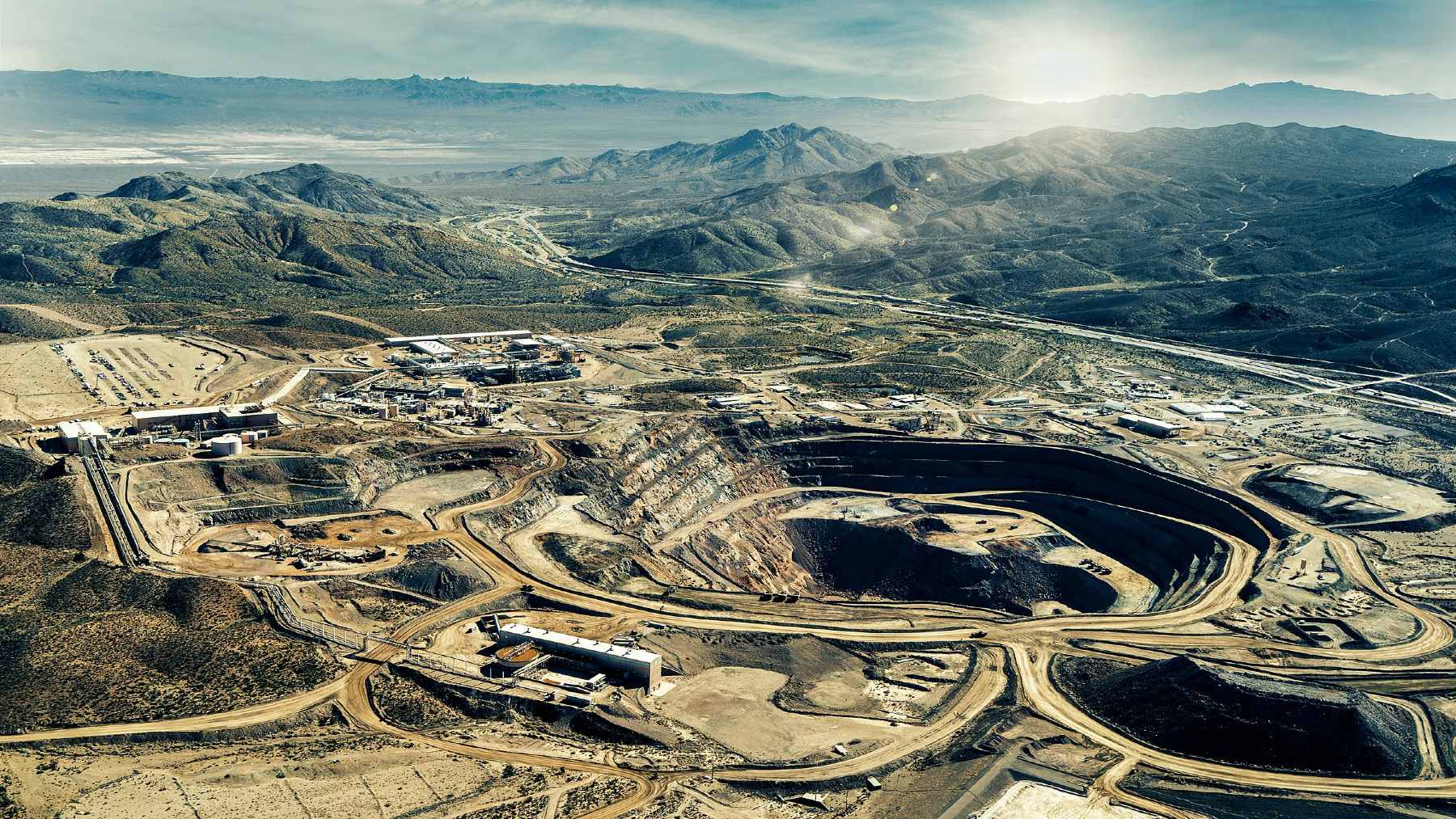
Energy Fuels Inc. leads the extraction efforts of domestic uranium and rare earth elements in the United States. Energy Fuels is the major American uranium manufacturing company that manages the White Mesa Mill in Utah, the sole uranium processing facility in the United States. The company leads the development of rare earth element processing within U.S. territory and intends to position itself as a key refined REE producer by 2027.
Energy Fuels Inc. established an important business pact with the Navajo Nation to transmit uranium ore through the reservation while performing tasks to remove abandoned mine waste. The agreement will reduce environmental and public health risks while extending the ore supply to White Mesa. The U.S. government provides a $2 billion trust fund for mine cleanup, and Energy Fuels holds the potential to obtain this funding.
Nuclear waste and e-waste serve scientists as power sources to produce the energy we need for our future.
The Argonne National Laboratory, under ARPA-E, partners with Case Western University to develop breakthrough technologies that extract valuable materials and recycle nuclear waste from electronic landfills. Their innovative method, known as a “rotating packed bed” (RPB), allows on-site spent nuclear fuel recycling. This prevents the need to transport radioactive materials by convoys and large-scale infrastructure.
Through the RPB method, different separation techniques function together, such as gas-liquid extraction, liquid-liquid extraction, and solid extraction. By implementing such processes, the system can be positioned near nuclear facilities and e-waste dumping grounds to reduce transportation risks and streamline delivery management. This technology enables manufacturers to sustain nuclear fuel supply and game the production cycles needed for batteries, electrical turbines, and electronic devices.
Fast action needs to occur because China plans to maintain its control of rare earth markets.
The United States’ reliance on foreign sources for critical minerals, particularly from China, poses a significant risk to national security and economic stability. China maintains absolute control over the rare piles of earth market because its operations account for more than 80% of global supply sources. The U.S. government’s national security measures aim to relocate domestic critical material extraction sites closer to friendly allies.
The current geopolitical situation provides Energy Fuels with favorable market conditions. Through collaboration with the Departments of Energy and Commerce, the company provides household uranium and rare earth materials from domestic sources. The broad political backing for U.S. critical mineral domestic production creates positive conditions for Energy Fuels’ expansion plans.
America can access its hidden mineral wealth, although there exists a critical requirement that needs attention.
The road to access underground assets in America is intricate, although the potential resources are vast. Energy Fuels implements diverse business operations through mine production and toll milling arrangements together with contracts for raw material feed and ore purchases, which gives the company flexibility and several income sources. The company seeks to dominate the global market through planned large-scale development of its rare earth elements division.
However, challenges remain. Argonne National Laboratory needs to demonstrate that its developed technology will scale up efficiently and have lasting economic benefits. The global political environment proves unpredictable because uranium and rare earths markets show variable market patterns. The company must invest resources while innovating new solutions and creating strategic relationships to address these present obstacles.
America has the necessary resources to protect its energy sector and industrial elements, though managing efficient, sustainable extraction remains extremely difficult. Promising energy solutions come from companies such as Energy Fuels combined with Argonne National Laboratory research, which marks the beginning of a long path. The world watches while the United States operates through this essential energy challenge.