Since the Ukrainian War began in 2022, not only have political aspects been affected, but also the entire energy organization in the world. This is because Russia suffered severe sanctions regarding the sale of energy and then began to look for new ways to dispose of its natural resources. It was in this scenario that China entered the scene and, recently, the two countries sealed what some have called the alliance of the century.
Contextualizing: What made Russia and China allies?
Until 2022, Russia was responsible for supplying 40% of all gas consumed by the European Union, but with the Ukrainian War, the country saw this number plummet. Gas exports fell by almost half, while oil and coal saw even greater drops. It was then that the answer appeared: Russia turned its eyes to the East.
At the same time that this crisis was happening, China was seeking more energy stability and less dependence on the vulnerable sea routes it had been facing. It was then that the greatest alliance of the century was formed through the project: Power of Siberia 2 (PoS-2).
A pipeline worth 38 trillion liters: o PoS-2
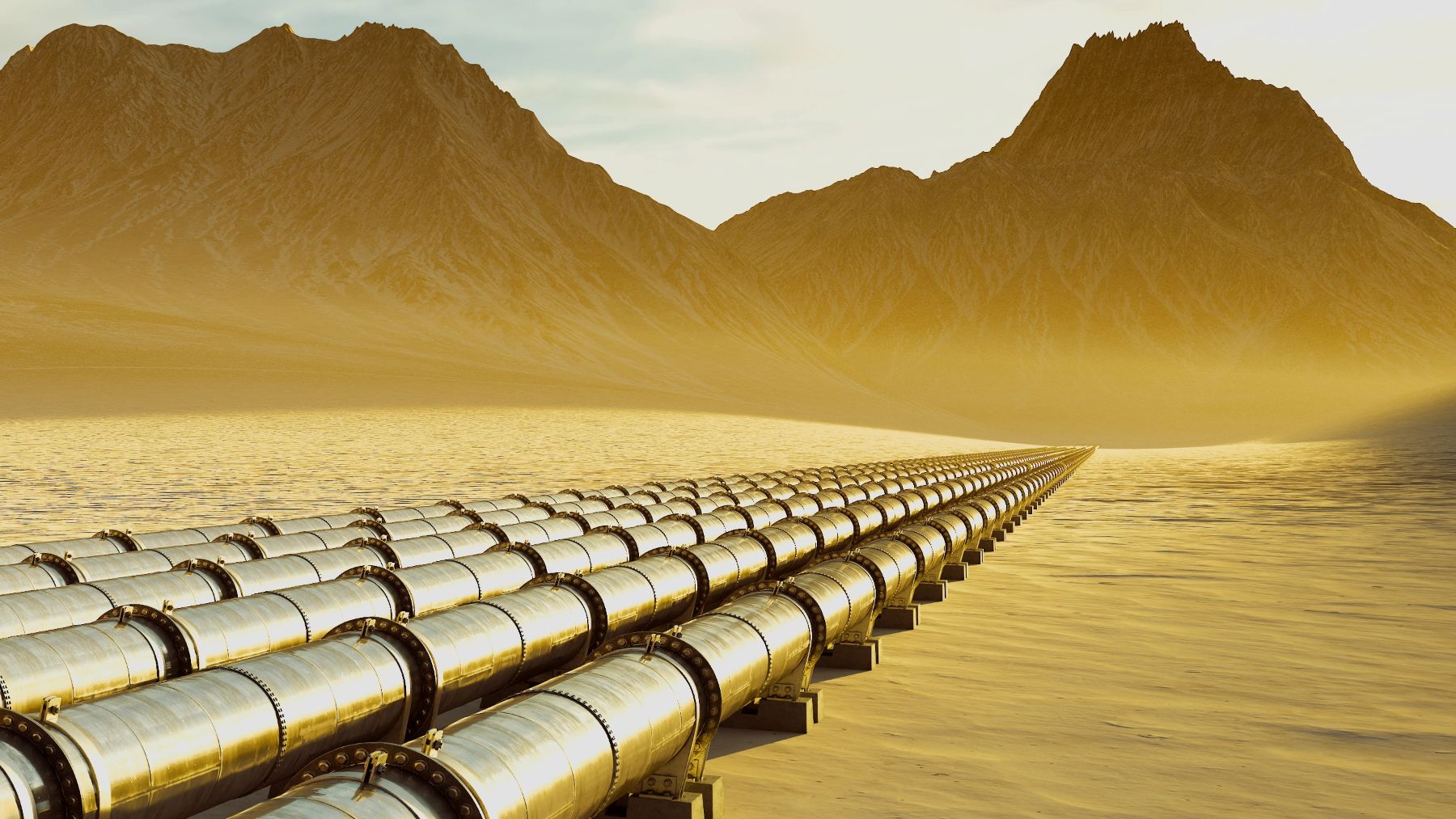
The Power of Siberia 2 is nothing more than a gigantic gas pipeline that intends to transport natural gas from Russia, more specifically from the Yamal Peninsula, to the northern provinces of China, crossing all of Mongolia – when you put it that way, it seems super simple, right?
Let’s delve deeper into this project: the goal is to be able to transport up to 50 billion cubic meters of gas per year (starting at 38 billion cubic meters), translating: if a cubic meter is equivalent to 1,000 liters of gas, 50 billion is equivalent to 50 trillion liters. Well, that’s a lot, and remember that all of this in just 1 year.
If you thought it couldn’t get any more impressive, take a look: the expectation is that this gas pipeline will last 30 years, so multiplying all the numbers, we would have 1.5 trillion cubic meters, which, to be more specific, is 1,500 trillion liters of gas. That’s enough to supply almost a continent.
In other words, in addition to improving Russia’s situation when it comes to gas exports and helping China with its energy stability (in addition to its discovery of energy to supply the entire Earth), this project can change the infrastructure and global influences that we have today.
The alliance of the century: What can we expect?
In addition to solving the problems faced by both countries, PoS-2 is a practical and advantageous solution for both. Come and understand why:
Benefits for Russia
- The country needs new markets.
- PoS-2 will allow exports of up to 50 billion m³ per year.
- An annual revenue of between US$2.5 and 4.3 billion is expected.
- It will stimulate the economy of eastern Russia and sectors such as steel.
- And they will be able to reduce dependence on the West.
Benefits for China
- They will obtain cheap and stable energy.
- They will reduce dependence on coal and ship-borne imports from the US and Australia.
- They will have land-based energy security.
- They will build greater influence in the global market.
- And they will also increase their bargaining power over Russia, making the country more dependent on the Chinese market.
I think now you understand better why this project is called the alliance of the century, right? Although there is still some bureaucracy to get everything moving, this plan makes sense in terms of the energy supply chain. And if you think this is the only energy project that threatens to change how we see energy today, China, together with the US, has plans to supply energy to the entire Earth with inventions from space.