Asian automobile developers, particularly from China and Japan, have long been pioneering advanced and futuristic automobile technology to ensure that the transportation industry can reach its sustainability goals amidst the current climate crisis. Hydrogen technology, in particular, has been prioritized by developers hailing from these countries. However, this developer from a different country has recently announced their own revolutionary engine development.
Hydrogen offers an attractive complement to electric
The automobile industry has all but embraced the electric engine as the future of passenger vehicles. Plug-in hybrid sales remain on top in terms of alternative engine sales, with many automobile companies setting their sustainability goals on the eventual full acceptance of total electrification of their engines. However, hydrogen fuel-cell technology also continues to be developed and advanced by developers, and is fast becoming a successful complement to the electric engine.
While electrical engines may be the future of the passenger, developments in hydrogen engines remain important to transform the transportation sector towards more carbon-neutral options in areas where the electrical engine falls short. For example, electrical engine technology is currently not compatible with the aviation industry, but hydrogen may be a more feasible fuel source.
China and Japan dominate, but this country releases a new engine
In terms of hydrogen fuel-cell technology, Japanese automaker and developer Toyota has become almost synonymous with the technology. First debuting their hydrogen-powered engine with the Toyota Mirai, the company has continued to ensure that their alternative engine technology advancements are a diversified mix of both electrical and hydrogen engine developments.
Chinese state-owned Guangzhou Automobile Group Co. (GAC) is also looking at different solutions to alternative engine technologies outside of the electric engine, including developing the use of biofuels as a viable fuel source, which can still be used in the current existing internal combustion engine technology.
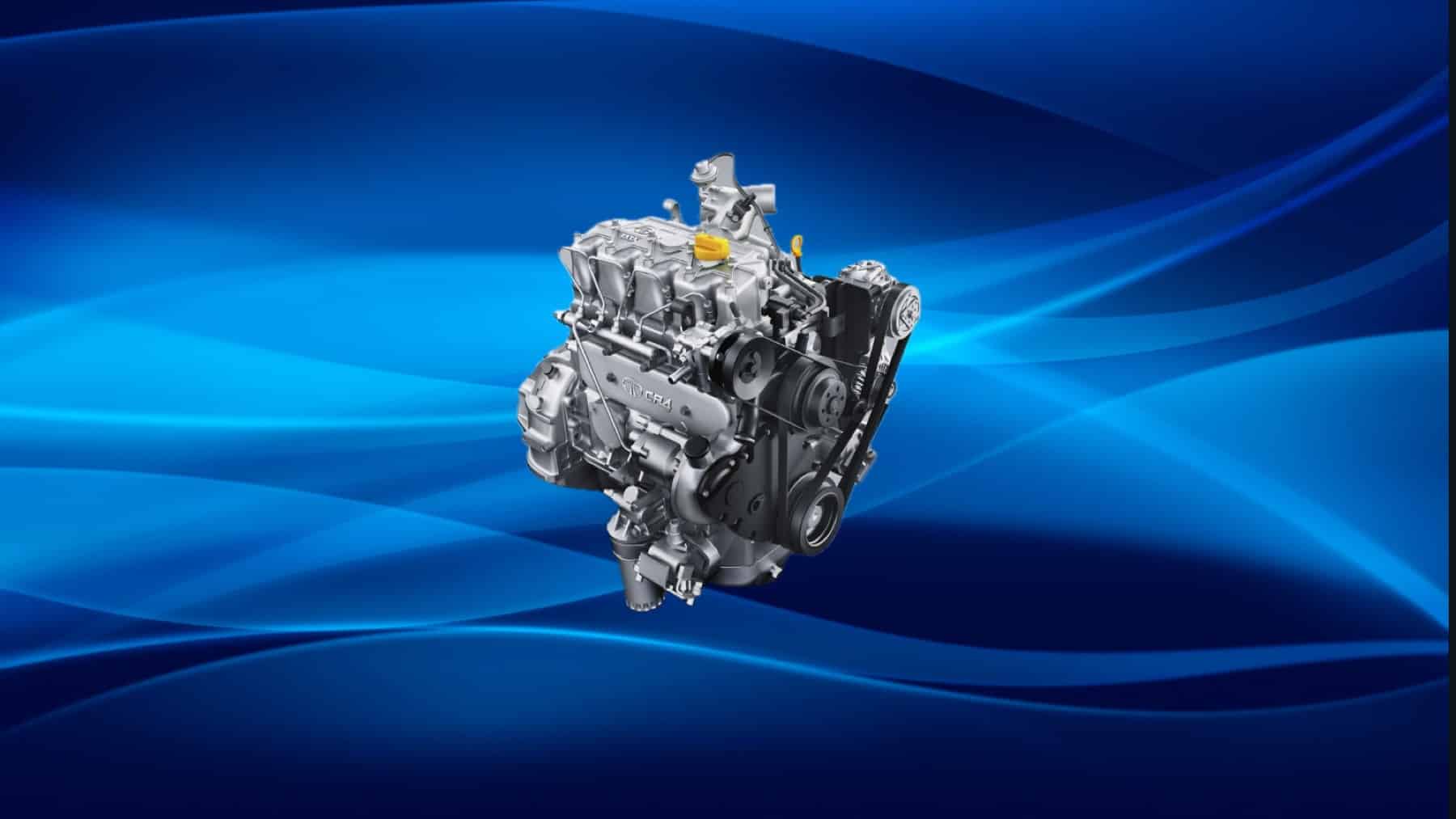
However, emerging out of India, Tata Motors has recently unveiled the first-ever trials of ‘water-powered’ hydrogen-engine heavy-duty trucks. Tata Motors is the largest commercial vehicle developer in India. India currently has a goal to reach total carbon-neutrality as a country by 2070, and these trucks are set to contribute towards that goal.
“This initiative, part of the National Green Hydrogen Mission, reflects our commitment to driving innovation and achieving India’s energy independence while contributing to global climate goals. I applaud Tata Motors for taking the lead in this pioneering effort,” says Shri Pralhad Joshi, Hon’ble Union Minister of New and Renewable Energy
The trial will be conducted over the next 24 months, involving the deployment of 16 hydrogen-powered trucks and will be tested on some of India’s busiest freight routes in locations around Mumbai, Pune, Delhi-NCR, Surat, Vadodara, Jamshedpur and Kalinganagar. Both hydrogen internal combustion engine (H2-ICE) and hydrogen fuel-cell electric vehicle (H2-FCEV) technologies are to be tested in the project.
A world that says goodbye to the internal combustion engine?
While hydrogen fuel-cell and electrical engine technology relies on completely different technology compared to the internal combustion engine, what is beneficial about hydrogen internal combustion engine technology, like the ones tested by Tata Motors, uses the current internal combustion engine reimagined. As such, it provides a vision for how the internal combustion engine may not cease to exist in its entirety in the future, but will be repurposed.
However, some locations may say goodbye to the internal combustion engine for good. In Norway, for example, the country recently announced that they are well on its way to achieving 100% new-vehicle sales being fully electric models. This is thanks to not only the government investing and growing supporting infrastructure for electric models, but also providing incentives for Norwegians to make the switch to electric engine solutions.