What if the next “mine” is not a dusty pit on Earth but a sealed box the size of a lunch container floating in orbit? That sounds like science fiction, yet NASA-supported researchers have now shown that space-grown microbes can help extract precious metals from meteorite material while living in microgravity.
In practical terms, the BioAsteroid experiment suggests that bacteria and fungi could one day reduce how much raw material astronauts need to haul from Earth for long missions. It is early-stage work, but it points toward a more resource-smart kind of exploration that also has lessons for sustainability back home.
A proof of concept for microbial mining in orbit
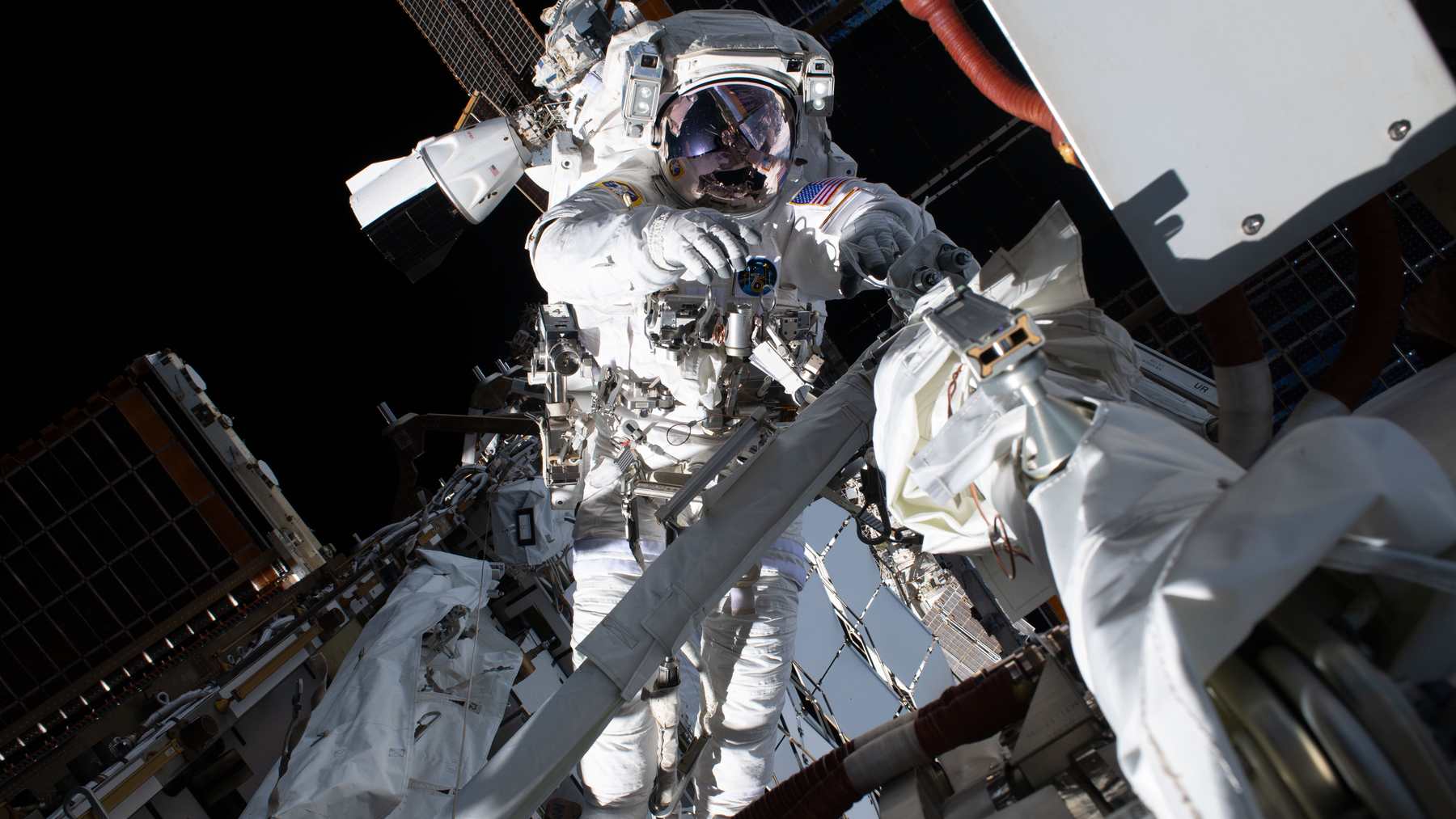
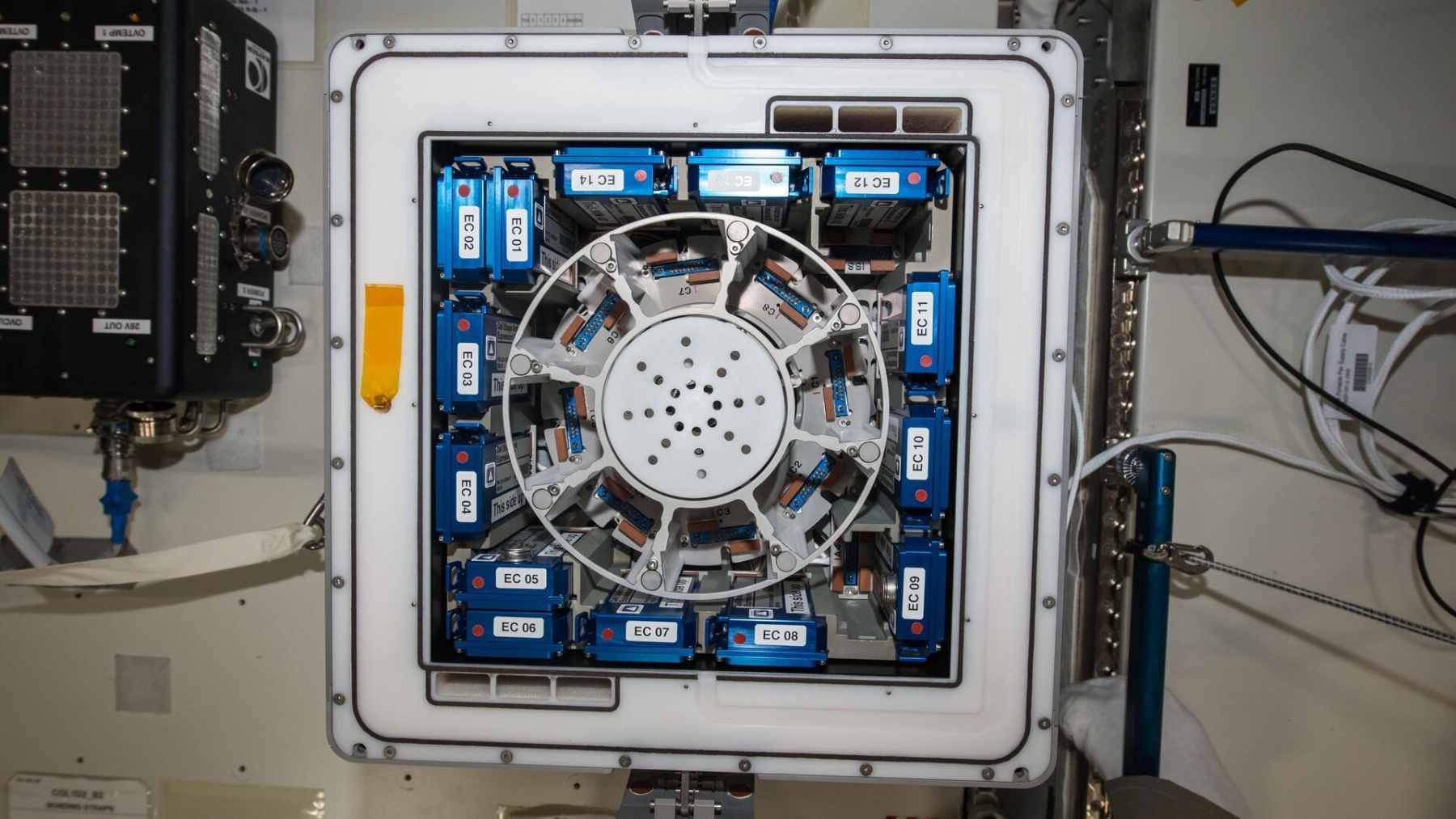
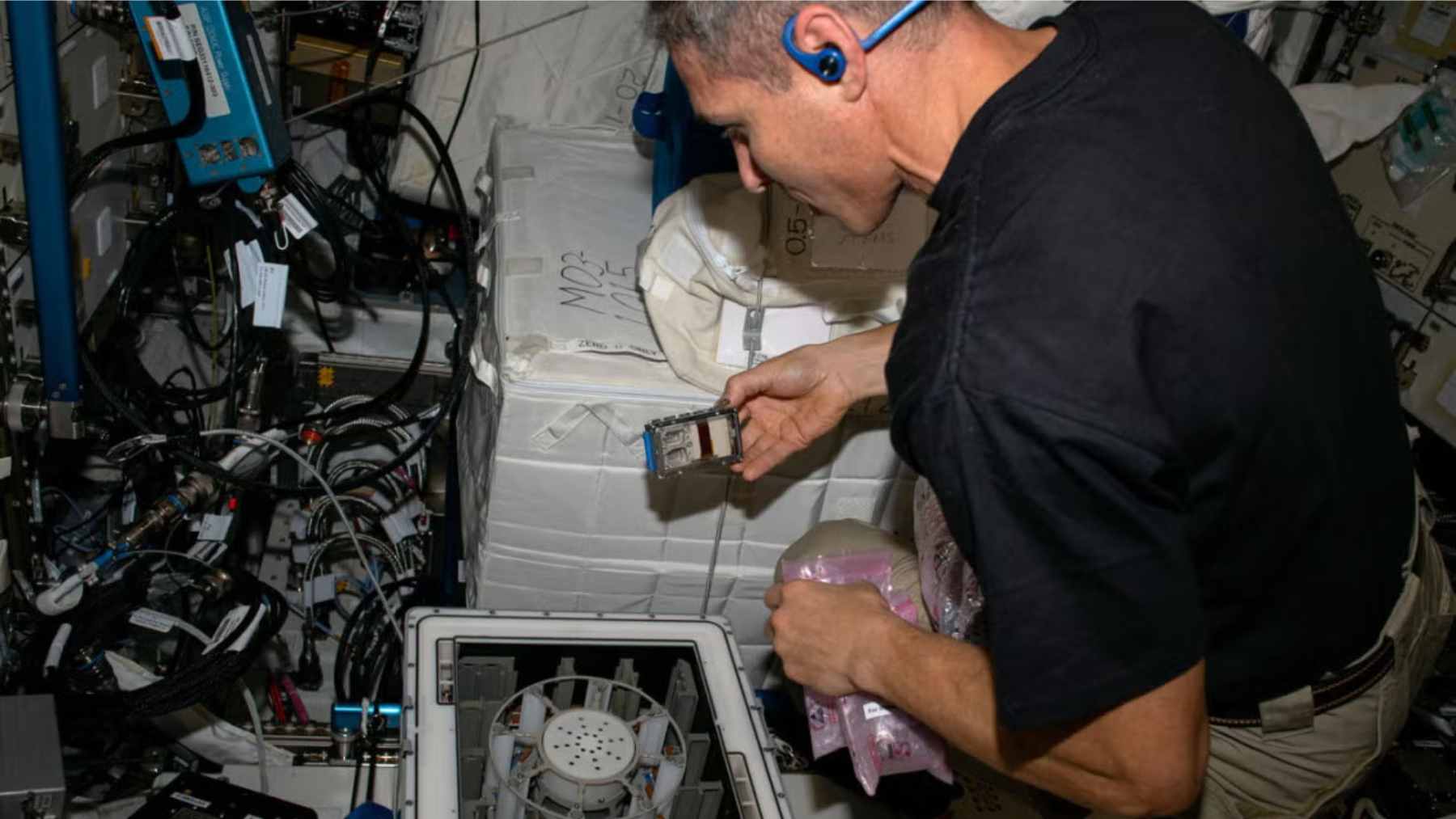
The BioAsteroid project was designed by teams at Cornell University and the University of Edinburgh and carried out on the International Space Station at the end of 2020, with NASA astronaut Michael Scott Hopkins performing the in-orbit steps.
Lead author Rosa Santomartino called it “probably the first experiment of its kind on the International Space Station on meteorite,” and the results were published in 2026 in the journal npj Microgravity after parallel controls were run on Earth.
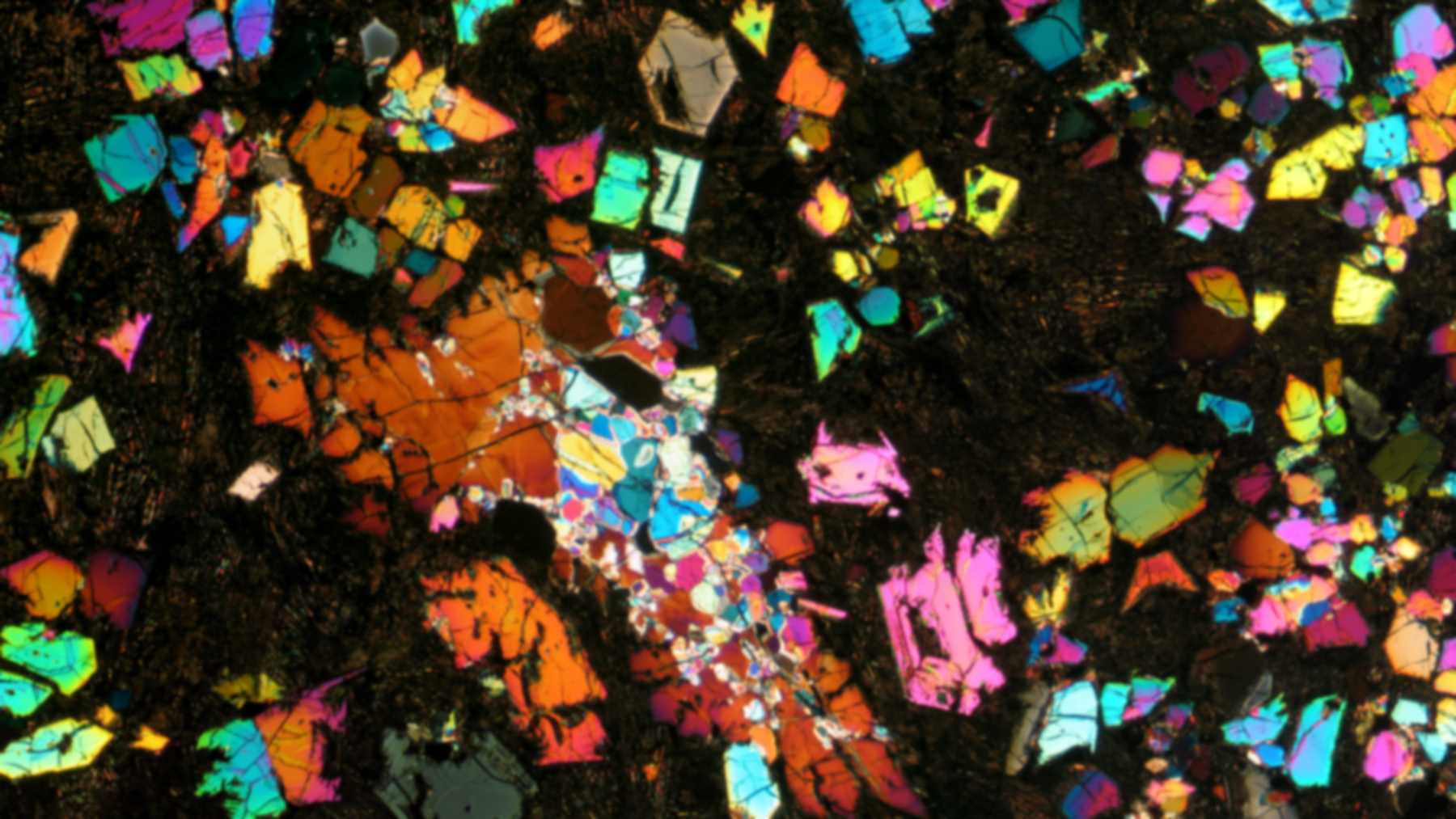
Researchers tested two very different “biominers” in microgravity, the bacterium Sphingomonas desiccabilis and the fungus Penicillium simplicissimum, along with a mixed culture of both. They exposed them to fragments of an L-chondrite meteorite and tracked what ended up in the liquid, looking at 44 elements total and finding 18 that were biologically extracted.
The headline result was not that microbes suddenly became super-efficient in space, because they did not. As co-author Alessandro Stirpe put it, “We do not see massive differences, but there are some very interesting ones,” especially when the fungus was involved.
Why palladium and platinum matter on Earth
Palladium and platinum are not just luxury metals for investors and jewelry fans. They are also workhorse ingredients in catalytic converters that cut harmful exhaust emissions when you are stuck in traffic, and they show up in chemical production, petroleum refining, and electronics.
They are also scarce enough that supply disruptions ripple through industries. The U.S. Geological Survey estimates that global mine production in 2025 was about 418,900 pounds (190,000 kilograms) of palladium and about 374,800 pounds (170,000 kilograms) of platinum, with production heavily concentrated in a few countries.
Recycling helps, but it does not close the loop. The USGS reports about 308,600 pounds (140,000 kilograms) of palladium and platinum were recovered globally from new and old scrap in 2025, including large recovery from U.S. catalytic converters.
The tiny chemistry lab inside a fungus
Biomining on Earth already uses microorganisms to help break down rock and release useful elements, sometimes reducing reliance on harsher chemicals. In the BioAsteroid paper, the authors note that biomining can help exploit mine waste and avoid toxic compounds such as cyanides in certain extraction contexts.
The basic trick is chemical, not magical. These microbes can produce organic molecules including carboxylic acids that bind to minerals and help move metals into solution, and they can grow directly on rock surfaces as biofilms or fungal threads.
Space changes the rules of mixing. What happens when fluids stop swirling the way they do on Earth? With less convection in microgravity, dissolved material can build up near the rock surface and slow further leaching, so the team argues you cannot assume Earth-based “recipes” will work the same way off-world.
What the BioAsteroid team actually found
On the ISS, the fungus Penicillium simplicissimum boosted the average release of platinum group elements compared with non-biological leaching. In microgravity, the fungus leached about 19.29% of the ruthenium, 11.91% of the palladium, and 0.29% of the platinum contained in the meteorite sample, based on the team’s calculations.
The pattern was not identical for every element or every organism. Cornell’s team says 18 of the 44 measured elements showed biological extraction, and they also saw that non-biological leaching could drop in microgravity while microbes kept results steadier.
The metabolomics work is where it gets especially intriguing. The study reports that microgravity changed microbial metabolism, particularly in the fungus, and detected carboxylic acids and other molecules linked to leaching plus compounds that could matter for future biomanufacturing.
Scaling up without bringing a whole mine
It is worth keeping the scale in mind. The hardware ran for 19 days, and the “asteroid material” was actually an L-chondrite meteorite sample inside small experiment units, not a boulder being processed by a mining robot.
Even the authors push back on hype. In a back-of-the-envelope estimate, they note that scaling their conditions to a very large tank of about 35,300 cubic feet (1,000 cubic meters) would still yield only about ten dollars’ worth of palladium, so the immediate value is scientific, not financial. Not a gold rush, at least not yet.
But for astronauts, value is not always measured in dollars. If microbes can reliably supply small amounts of catalysts or specialty materials for sensors, repairs, or manufacturing, that could reduce the need to launch everything from Earth and lower the environmental footprint of long missions.
The environmental angle and the questions ahead
The most direct ecological takeaway is the feedback loop to Earth. Both Cornell and Edinburgh point out that learning how to tune microbial extraction could support more sustainable biomining strategies on our own planet, especially in resource-limited settings or when recovering metals from waste streams.
Still, this is not a simple “microbes equal green mining” story. As Santomartino cautioned, outcomes depend on the species, the space conditions, and the methods, and predicting microbial behavior ahead of time is extremely hard.
For now, the big message is that biology can do useful chemistry in orbit, and it might make future exploration a little less extractive and a little more efficient.
The study was published in npj Microgravity