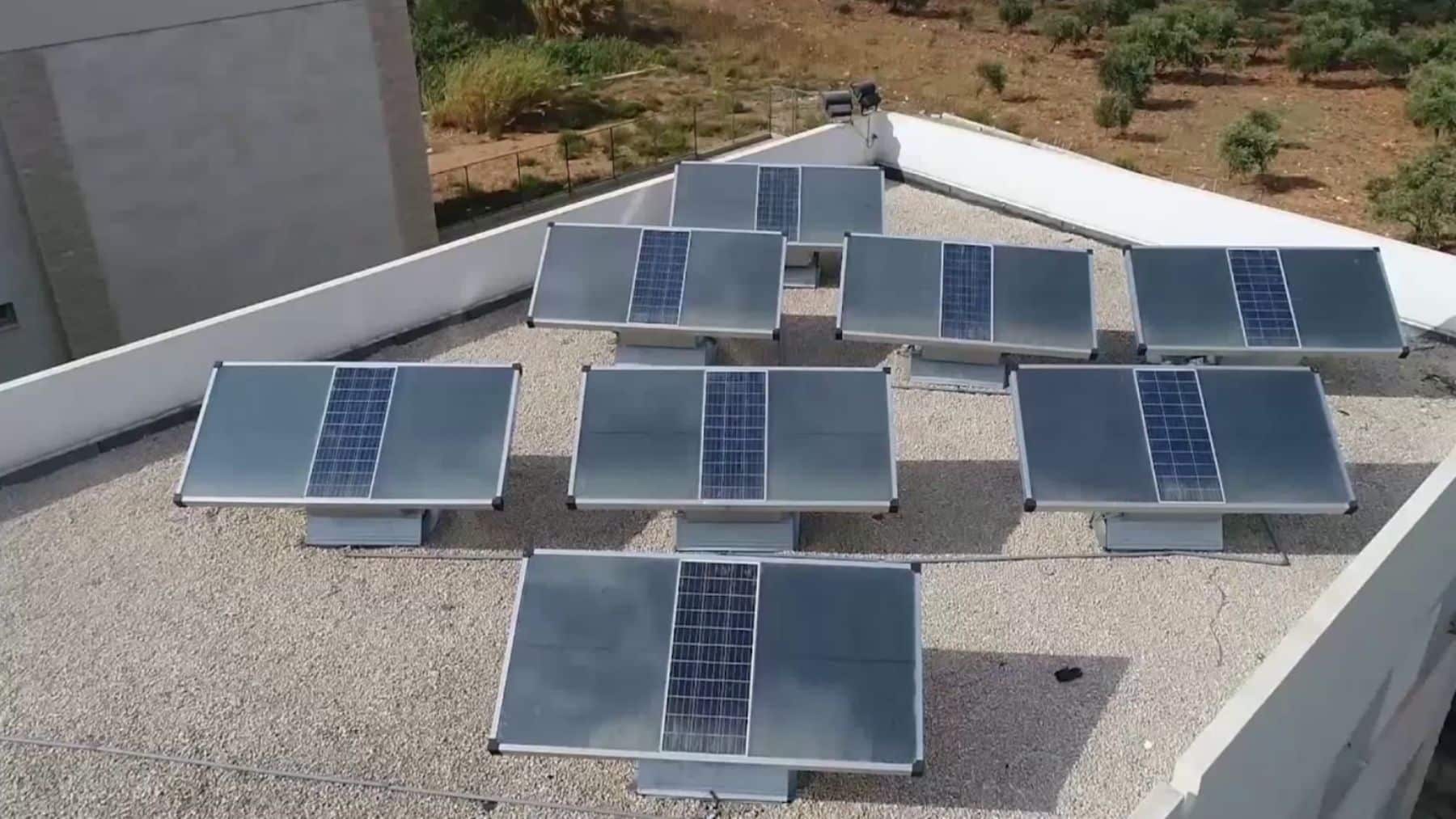
Finally, we can say goodbye to plastic bottles as an alternative to clean bottled water is here. With concerns escalating regarding plastic waste, an innovative solution that seeks to provide water of a great quality is surely gaining much attention. Imagine the possibility of getting water directly from our rooftops. With SOURCE® Hydropanels, solar-powered technology is utilized to extract drinking water from the air and in turn providing mineralized drinking water for users. Our thirst for cleaner water solutions is finally being quenched and in reaching out for this clean solution, we will not be harming our environment in any way.
Looking at SOURCE Hydropanels that turn solar power into sip power
Although the SOURCE Hydropanel looks like a traditional panel, it utilizes atmospheric moisture to create clean and pure water instead of relying on sunlight to produce electricity. The Hydropanel works by utilizing solar power to pull in ambient air, capture water vapor, and then condense it into liquid.
The process of turning solar power into sip power happens in five steps:
- Solar-powered fans draw air into a specialized hygroscopic material that absorbs water vapor.
- Heat from the sun then releases the vapor into a controlled airflow.
- A smart controller raises the dew point inside of the panel, causing condensation of purified water.
- The water is then ozonated to ensure sterility and gets mineralized for taste and health reasons.
- At last, the water is stored and plumbed to a dispenser, ready for drinking.
The system is so sophisticated that no filtration process is required nor external water sources. The Hydropanels work in a variety of climates and can work in dry desert regions too thus ensuring that clean and safe drinking water is provided even in drier regions.
Looking at a new type of pure drinking water
While bottled water was generally preferred for being clean, water from SOURCE Hydropanels is optimized for health reasons and has a distinct flavor. To the pure vapor, essential minerals like magnesium and calcium gets added in the process, to ensure that the water supports hydration and enhance absorption.
The process leads to production of refreshing drinking water that is:
- PH-balanced
- Contamination free
- Of a mineralized consistently
- Free from microplastics and other industrial pollutants
The Hydropanel is not just an option to replace bottled water but a way to improve the quality of water that we drink. SOURCE water is a freshly made solution that allows us to quench our thirst effortlessly everyday.
Getting ready to toss away bottled water for good
Since more than 500 billion plastic bottles get used yearly, the amount of bottles that land up in oceans and landfills is too much to fathom. The environmental impact of these bottles are clear. On offer from SOURCE is the chance to access water whilst eliminating single-use plastic completely.
The two-Hydropanel system will be able to supply enough water for a household of 3 to 4 people thus replacing thousands of plastic bottles every year. SOURCE is providing the option of zero-waste hydrogen. This is one solar system that gives people the chance to control their access to water even in areas that generally face drought, shortages of water supply, and water contamination. Solutions to droughts can be found by looking at the sunlight and at atmospheric generators.
Finding our water supply on the roof in the future
SOURCE hydropanels have given us a whole new way to view traditional water systems and allows us to gain access to water in an entirely novel way. A sustainable solution is on offer and it ensures that citizens gain water easily without having to depend on bottled water, ground water, or other water sources.
SOURCE is an innovation that looks at the potential of turning to nature and advanced technology for sustainable solutions. The solution to cleaner water is here and we can finally say goodbye to those harmful plastic bottles. An alternate way to access up to 300 gallons of drinking water per day is with a futuristic cube.