A world in which buildings are no longer just energy consumers, but true generators and storage of electricity. It sounds like science fiction, doesn’t it? But reality is about to surpass imagination. Today, large urban centers rely heavily on the power grid and traditional, often polluting, sources. Skyscrapers, for example, consume enormous amounts of energy just to keep lighting, air conditioning, and internal systems running. Until recently, the idea of transforming windows or facades into energy generators had significant technical and economic limitations.
Turning light into power: A future hidden revolution in buildings
In recent years, research into organic and transparent solar cells has opened doors to something previously thought impossible: generating energy without blocking natural light from windows. In fact, some impressive numbers are already emerging:
- 8% to 10% efficiency.
- 40% to 50% transparency, allowing rooms to remain bright.
- Installation is possible between double-glazed windows, utilizing otherwise wasted light.
This provides clear advantages, such as preserved natural light, reduced environmental impact and toxicity, the ability to adapt to different regions and latitudes, and continuous energy production even on vertical surfaces. In other words, buildings can become partially self-sufficient, generating energy silently and discreetly. But not everything is perfect. Producing these cells on a full-window scale (up to 2×2 meters) is a huge challenge. The main difficulty is connecting the individual cells securely without damaging the highly sensitive organic materials. The solution is a method called peel-off patterning:
- Thin plastic films are deposited and cut into microscopic strips.
- Organic and metallic layers are applied to these strips.
- The strips are then removed, creating electrical interconnections without damaging the semiconductors.
“What seems simple ― a window that generates energy ― involves very high-level microengineering,” all the researchers emphasize.
Mega-batteries promise cities powered and energy stored: The future is closer than we think
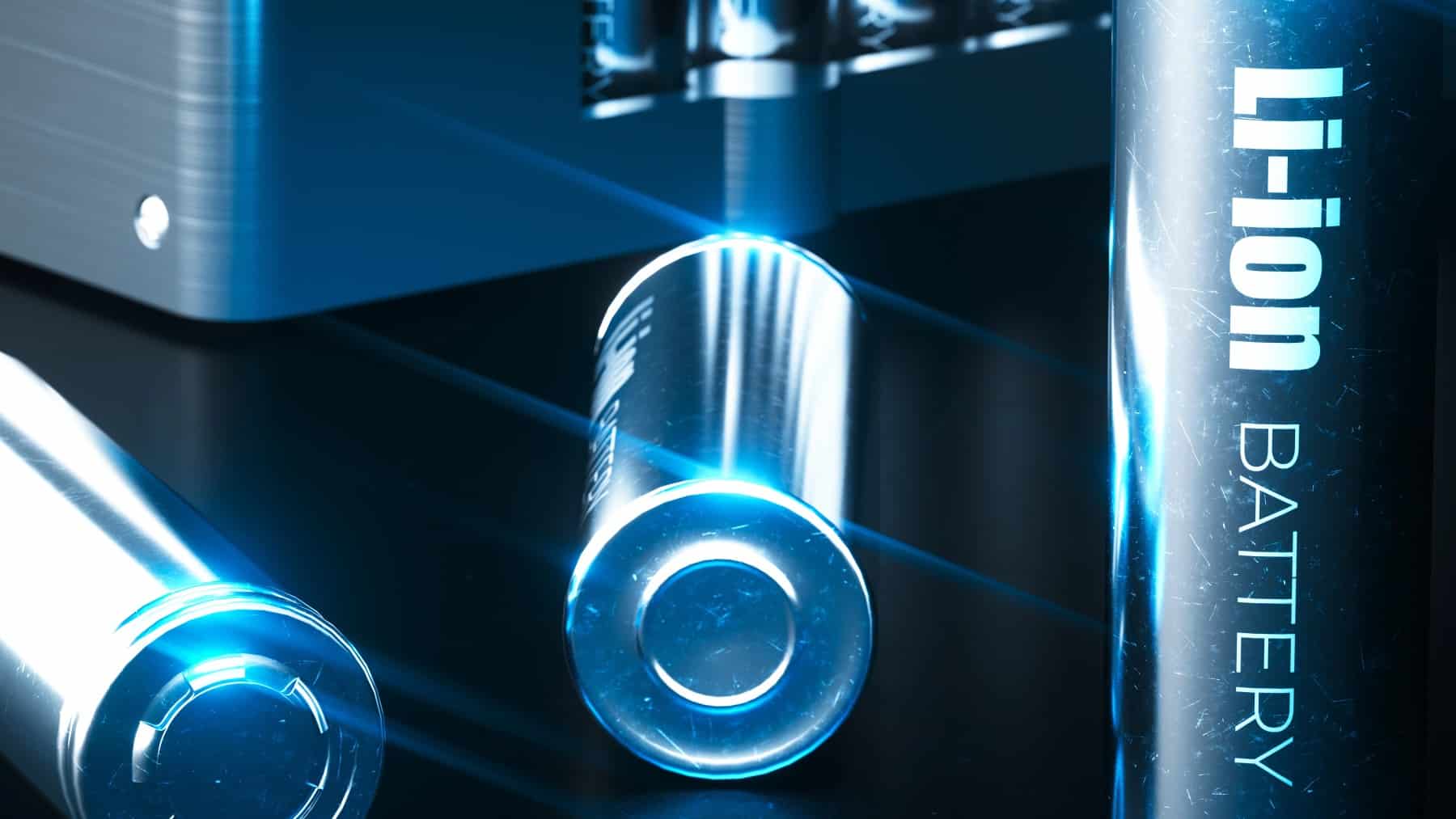
The technology being tested is known as Mega-batteries. Unlike conventional solar panels, these mega-batteries not only generate energy but also store it on a massive scale, enough to power entire neighborhoods or even small cities. They combine advanced storage principles with the flexibility of organic solar cells, creating a system that:
- Stores large amounts of energy for use at night or on cloudy days.
- Reduces dependence on the power grid and fossil-fueled plants.
- Can be integrated into existing buildings or new projects.
In fact, initial testing is currently underway in a specific state, with pilot modules installed in commercial buildings. Results show significant storage capacity, 10–15% energy conversion efficiency, and sufficient transparency to maintain natural lighting without compromising the architectural design (hence the first power-generating windows).
Are we ready for cities that are able to power themselves renewably?
As this technology spreads, we can see cities with buildings that generate and store energy, becoming self-sufficient centers. Skyscrapers not only consume energy but also contribute to the entire city grid. Of course, challenges remain, such as high initial investments, installation and maintenance logistics, and regulatory and political acceptance. But looking ahead to the coming years, the goals are clear:
- Increase the energy efficiency of mega-batteries
- Make systems accessible for residential and commercial buildings
- Integrate the technology with other renewable sources, such as solar rooftops
The expectation is that in less than a decade, cities will begin to see buildings functioning as veritable mini-power plants, thanks to this innovative technology. We are facing a new chapter in the history of engineering and sustainability, in which every building can contribute to a smarter, cleaner planet. And the question remains: are we ready to replace the traditional skyline with an energized, self-sufficient urban grid? It’s no wonder that America has a secret photovoltaic monster: two million solar panels and 120,000 batteries.