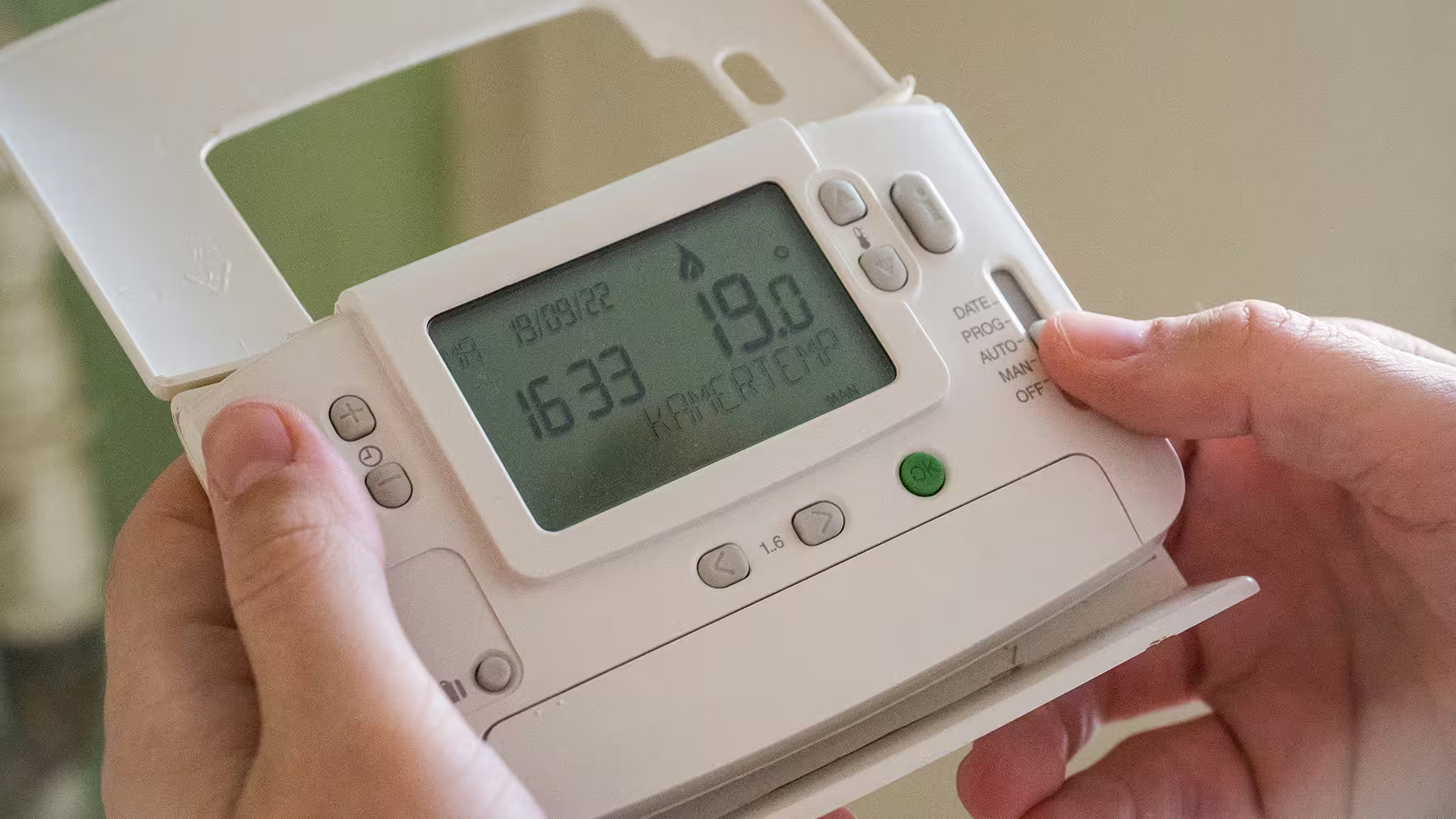
Most homeowners throw away hundreds of dollars during every heating season without even knowing it, all due to one simple thermostat setting that they never change. This not-so-well-known option is found on the control panel for your thermostat, but homes keep writing larger energy checks as their heat system labors harder than necessary.
Finding thermostat fan settings saves money and energy
Your thermostat offers two critical fan settings that dramatically impact energy consumption: “on” and “auto” modes. Most homeowners leave their fan setting on “on” without understanding the financial consequences of this choice. When your thermostat fan is set to “on,” the blower runs continuously regardless of whether heating or cooling is actually needed, consuming electricity around the clock.
The “auto” mode functions differently in that it engages the fan only when your heating or cooling system is actually running to get to your desired temperature. This very same functionality helps avoid wasting energy at times when your home maintains optimal temperatures naturally. Energy experts suggest using the “auto” mode for maximum efficiency and savings during heating and cooling seasons.
Auto mode avoids constant fan waste of operation
Changing your thermostat fan to “auto” from “on” eliminates as many as 200 hours of extra fan running every month, realizing considerable savings on electricity use while avoiding unnecessary wear and tear on costly HVAC equipment components.
Scheduling reduces the heating system cycling rate
Smart thermostat programming develops routine temperature routines that avoid continuous turning on and off of heating systems, which are energy-hungrier when left on continuously. Programmable thermostats, in most cases, come with individual weekday and weekend settings, allowing you to tailor energy consumption according to your family members’ real presence and activity levels.
Thermostat programming based on your home schedule avoids unwanted heating during times when no one’s home while leaving you comfortable when family members are around.
The Department of Energy suggests reducing winter heat by 7-10 degrees for eight hours a day to conserve up to 10 percent of total yearly energy. Intelligent temperature changes while sleeping and away hours accumulate such savings without trading comfort for efficiency when occupied homes are in use. A scheduling routine prevents energy-wasting heating spikes when equipment must work to reverse extreme temperature fluctuations.
The secret 50 percent heating spike reduction that’s tucked
A switch from “on” to “auto” fan mode can reduce spikes in heating by as much as half while reducing monthly energy bills substantially. The simple adjustment prevents your heating system from struggling against continuous airflow, allowing for the restorative natural temperature balance between heating cycles. The 50 percent reduction results from simple “auto” mode, switching off the continuous airflow that forces heating systems to work extra hours to recover artificially created temperature fluctuations through continuous fan usage.
When fans run continuously, they create artificial cooling effects that trigger unnecessary heating cycles, making your system work hard and consume more energy. The “auto” setting allows your home’s natural thermal mass to maintain even temperatures between actual heating needs. This gain in efficiency feels most important during fall and winter months when heat bills typically skyrocket with increased system usage.
Important thermostat efficiency settings
- Fan mode: Turn from “on” to “auto” for 50% fewer hot spots
- Winter temperature: Daytime 68°F, 7-10 degrees lower when not at home
- Programming: Employ separate weekday/weekend programming for maximum savings
- Hold function: Temporary overrides without disrupting weekly programming
This fall, implementing proper thermostat settings can reduce your heating costs by 50% while maintaining perfect comfort. The auto setting, strategic programming, and proper placement work together to eliminate wasteful energy spikes that drain family budgets. Start making these adjustments today to enjoy significant savings throughout the upcoming heating season.