When you open your kitchen freezer, you are probably just thinking about dinner, not the future of lunar science. Yet the same basic idea keeping your food frozen is now central to NASA’s plan to bring back some of the most delicate samples ever collected from the Moon.
On December 2, NASA announced a $37 million contract with the University of Alabama at Birmingham to build the Lunar Freezer System, a specialized cold chain that will keep temperature sensitive lunar cargo safely chilled all the way from the Moon back to Earth.
It sounds technical, but the stakes are very down-to-Earth. The samples this system protects could help scientists decode the history of lunar water, track how living systems respond to deep space conditions, and support safer, more sustainable exploration in the decades ahead.
Keeping Moon samples truly frozen
According to NASA, the Lunar Freezer System contract is an indefinite delivery, indefinite quantity award with a 66-month base period starting December 4, plus two optional extensions that could carry the work through early June, 2033, under a cost-plus-fixed-fee structure.
Under the deal, UAB must provide safe, reliable hardware and software capable of maintaining what NASA describes as “temperature critical science materials” while they travel aboard Artemis spacecraft from the lunar surface back home.
The payload list is not just rocks. The freezer will support three broad classes of cargo, including lunar geological samples, human research samples linked to crew health, and biological experiment materials used in life science research.
In other words, this is the cold chain for Artemis science. If it fails, years of work on the Moon could arrive on Earth as spoiled data.
Why cold chains matter for environmental science
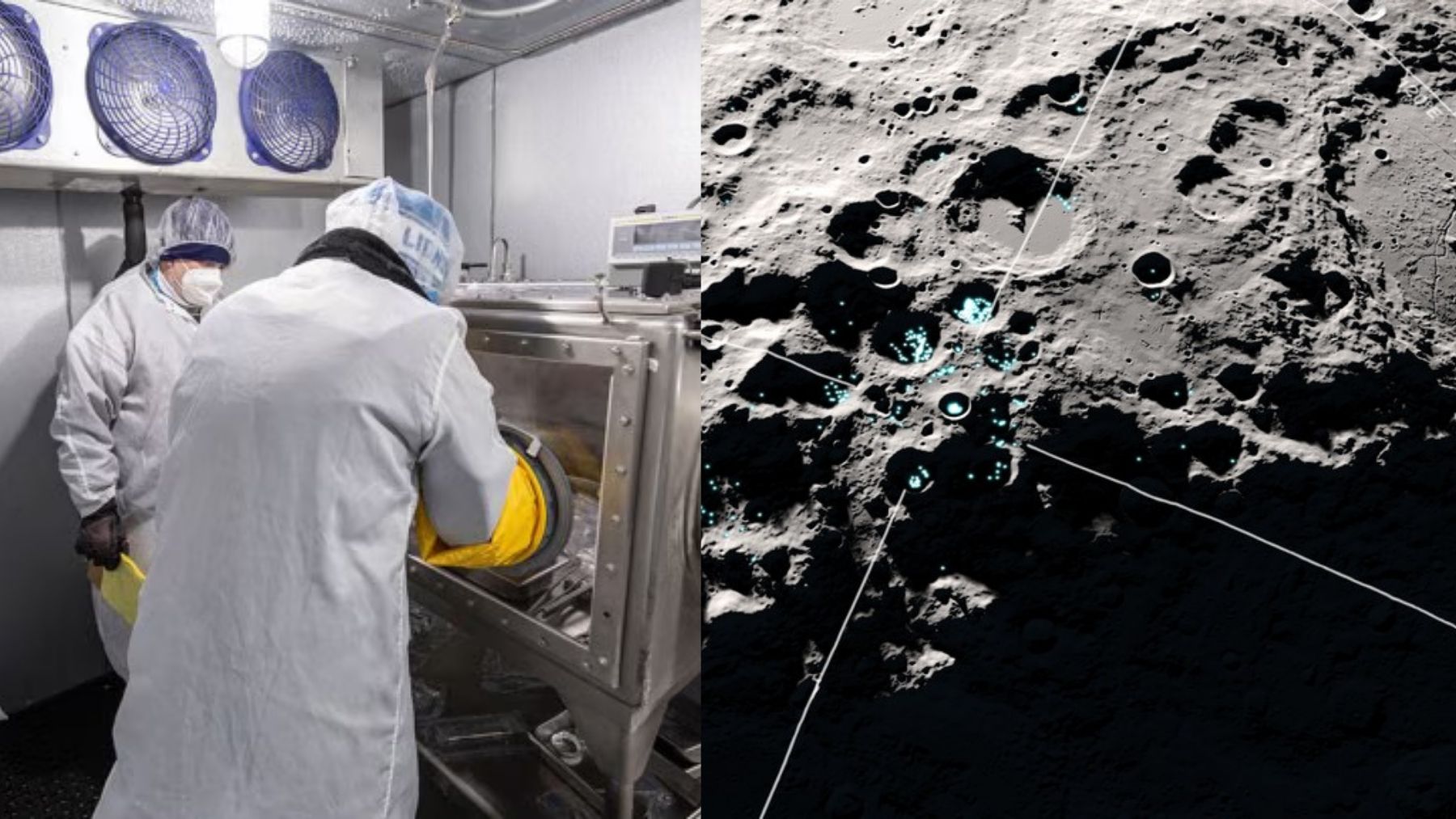
Many of the most prized samples are expected to come from the Moon’s south polar region, an area packed with craters whose interiors never see sunlight and stay extremely cold. These permanently shadowed areas act as natural cold traps where water ice and other frozen volatiles can accumulate and survive.
Research on these polar deposits suggests they hold a kind of environmental archive, preserving water, carbon dioxide, and other compounds that have built up in the inner solar system over very long timescales.
If those molecules warm up and escape during the trip home, scientists lose that record. In practical terms, that could mean fuzzier answers to basic questions such as how water reached Earth, how quickly volatiles migrate on airless worlds, or how future explorers might tap polar ice as a local resource instead of hauling every liter of drinking water from home.
For a field that increasingly connects planetary science with climate and resource questions, keeping those samples cold is not a luxury. It is the only way to compare what we see on the Moon with models of volatile behavior around Earth and other rocky planets.
From space station fridges to deep space freezers
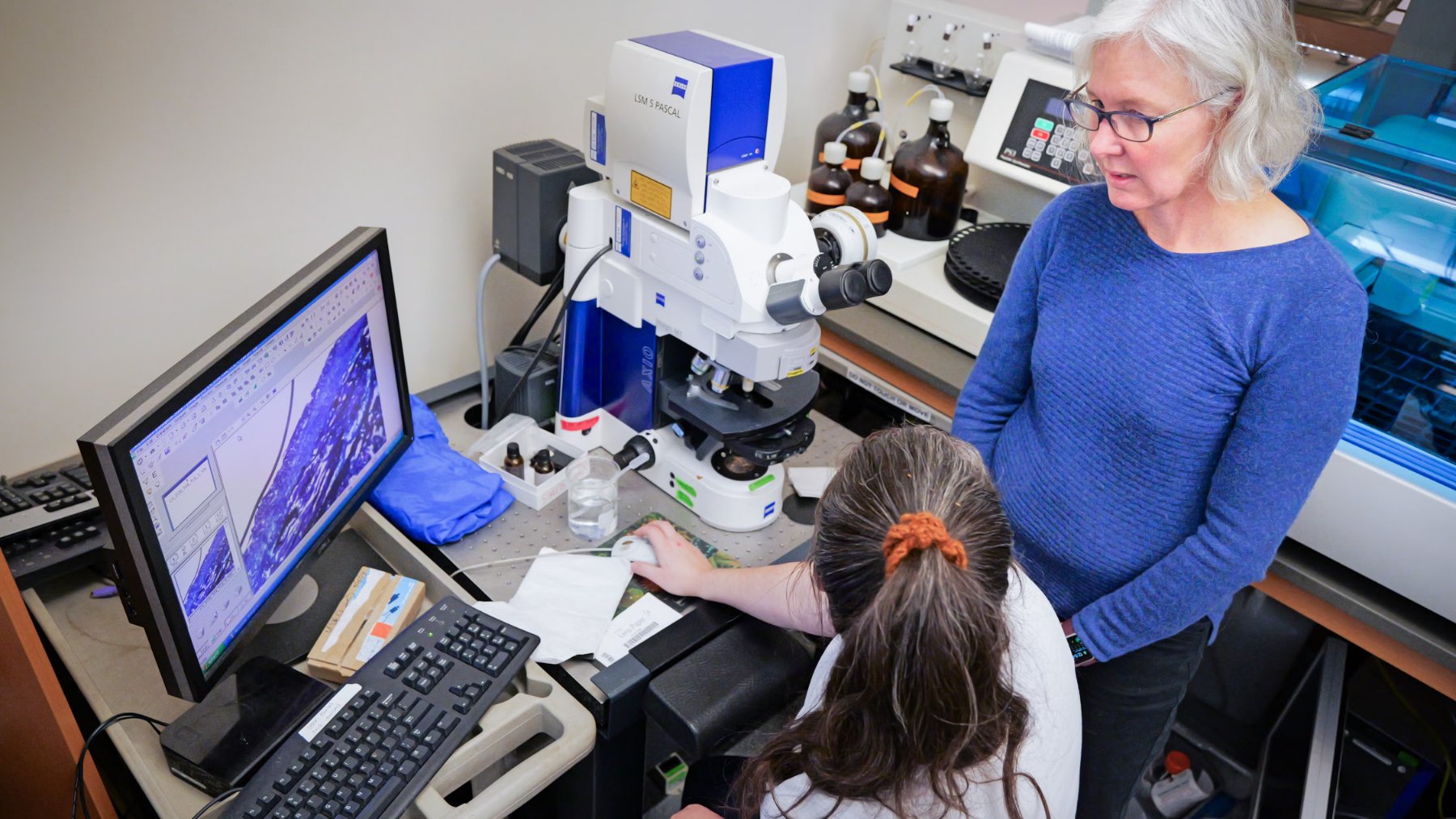
For NASA, choosing UAB is not a leap into the unknown. The university’s Engineering and Innovative Technology Development group has spent almost three decades developing and maintaining cold-stowage systems for the International Space Station, hardware that protects temperature controlled samples for medical research, microgravity experiments, and technology demonstrations.
In announcing the new award, EITD director Chad Duke called the Lunar Freezer System “a completely new avenue” to apply that cold-stowage expertise outside low-Earth orbit in much harsher environments.
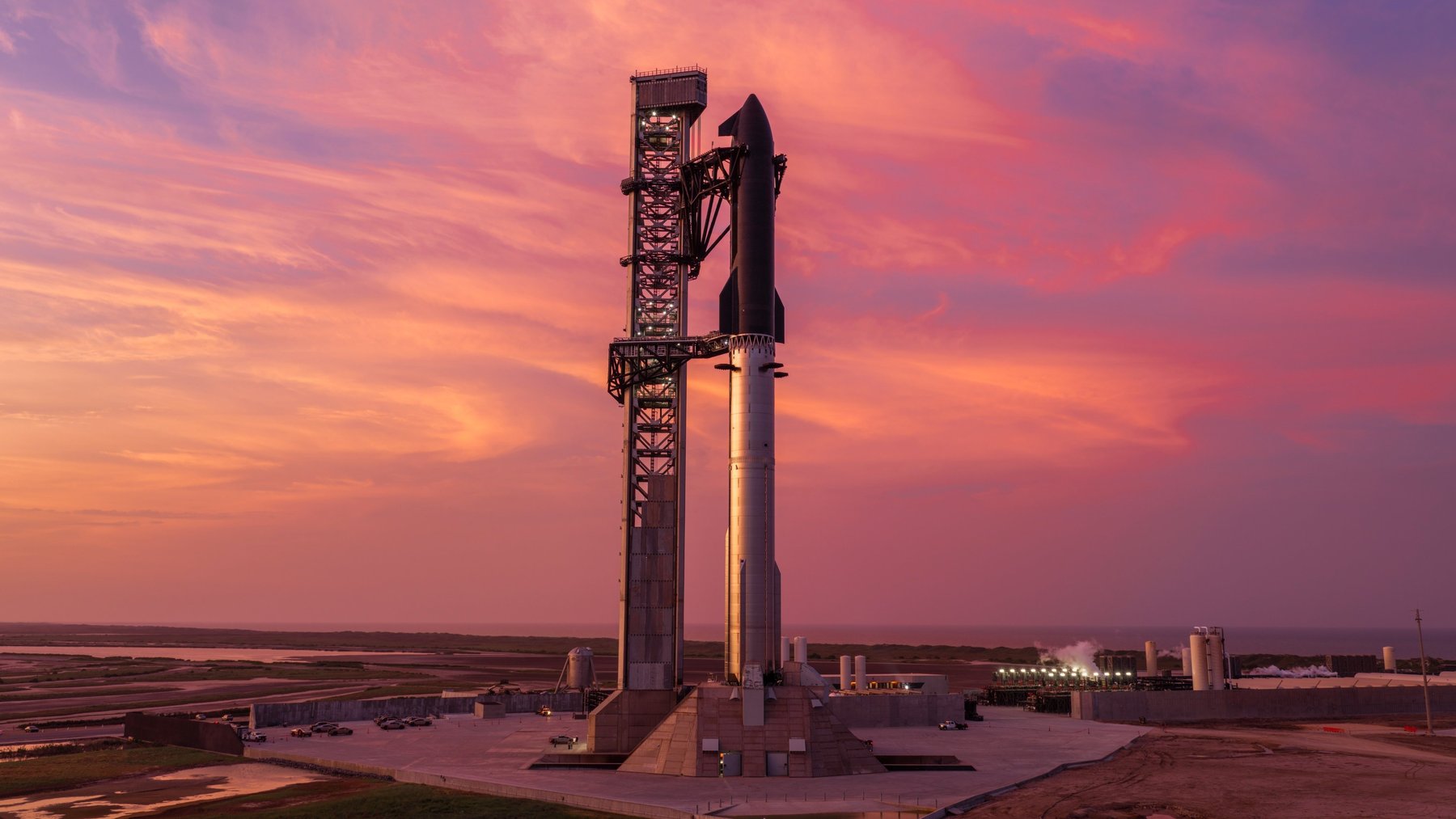
Once developed, the LFS hardware will be mounted on various launch vehicles bound for the lunar surface and for the Gateway space station in lunar orbit. It will also be integrated into the Orion crew module for the return trip to Earth, so samples stay within their required temperature limits from collection site to recovery ship.
That set up effectively links the Moon’s polar cold traps with lab benches on Earth, extending the sort of end-to-end cold chain that already supports thousands of space station experiments into deep space.
Health, sustainability, and the road to Mars
The freezer is also a quiet workhorse for human health research. Artemis missions will rely on carefully preserved human research samples so scientists can see how longer exposure to deep-space radiation, altered gravity, and disrupted daily rhythms affects the body. Those insights feed directly into more sustainable mission designs, from habitat layouts to how we recycle air and water in closed life support systems.
On the environmental side, securely frozen cores and chips from polar regions will help researchers refine estimates of how much water ice truly sits in lunar cold traps and in what physical form. That information is essential if future explorers hope to use local ice for drinking water, breathable oxygen, or even propellant, rather than paying the huge energy cost of lifting all those resources from Earth.
By NASA’s own analysis, lunar water could become a critical resource for establishing a long term human presence near the south pole, where Artemis missions plan to send astronauts in the coming years.
A small, cold step with big implications
In the grand sweep of Artemis hardware, a freezer about the size of a locker may not grab the spotlight the way a giant rocket or lunar lander does. Also, there is nothing glamorous about compressors, insulation, and temperature sensors.
Yet without a reliable way to keep fragile samples at deep-freeze temperatures from drill site to splashdown, much of the most valuable science from the lunar south pole could quite literally evaporate.
At the end of the day, the Lunar Freezer System is about more than high-tech refrigeration. It is a bridge between extreme environments on the Moon and everyday labs on Earth, giving scientists a clearer look at ancient ice, subtle biological changes, and the resources that could support cleaner, smarter exploration in the years ahead.
And all of that starts with keeping things cold.
The official press release was published on NASA’s website.
Image credits: NASA