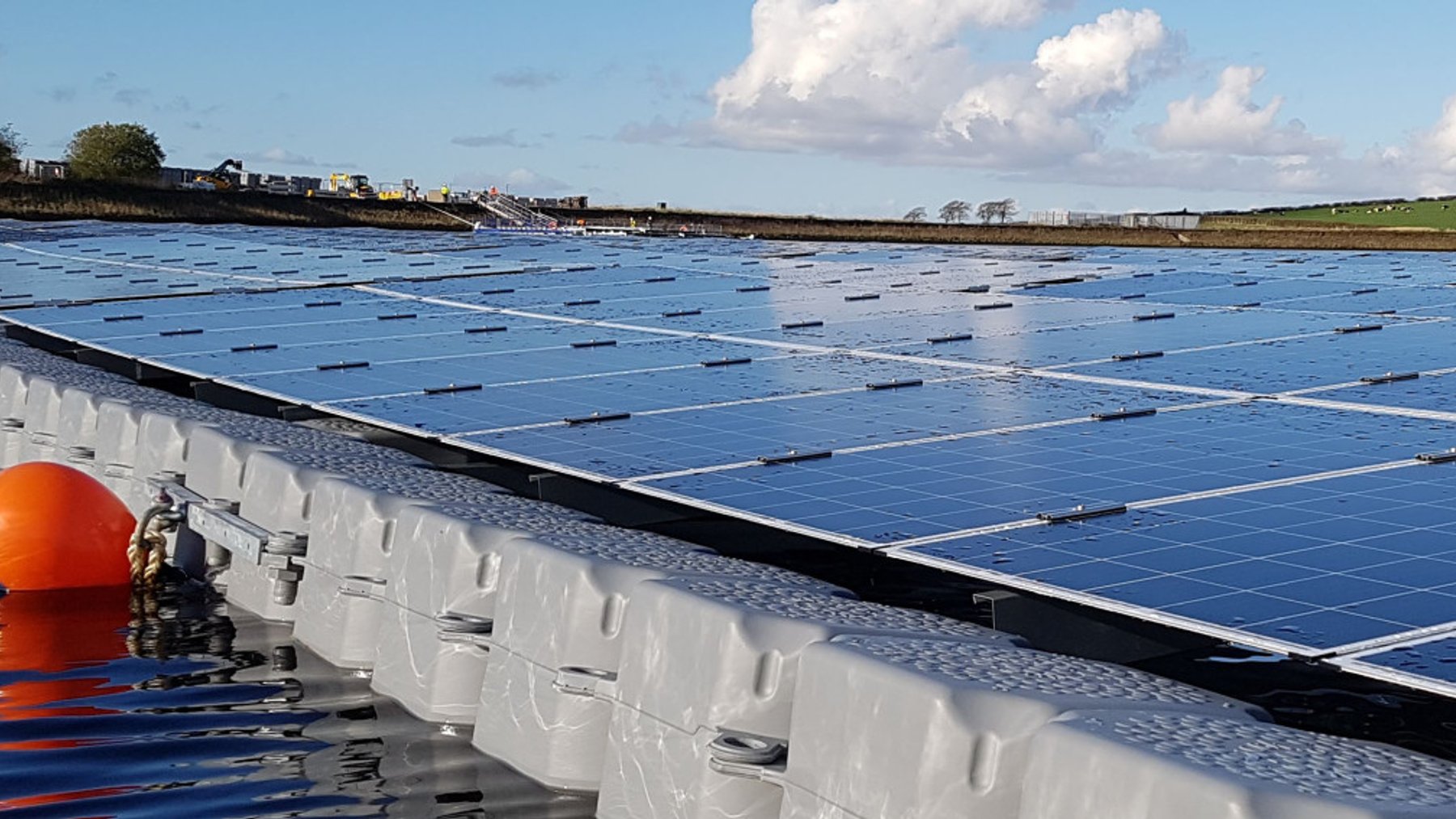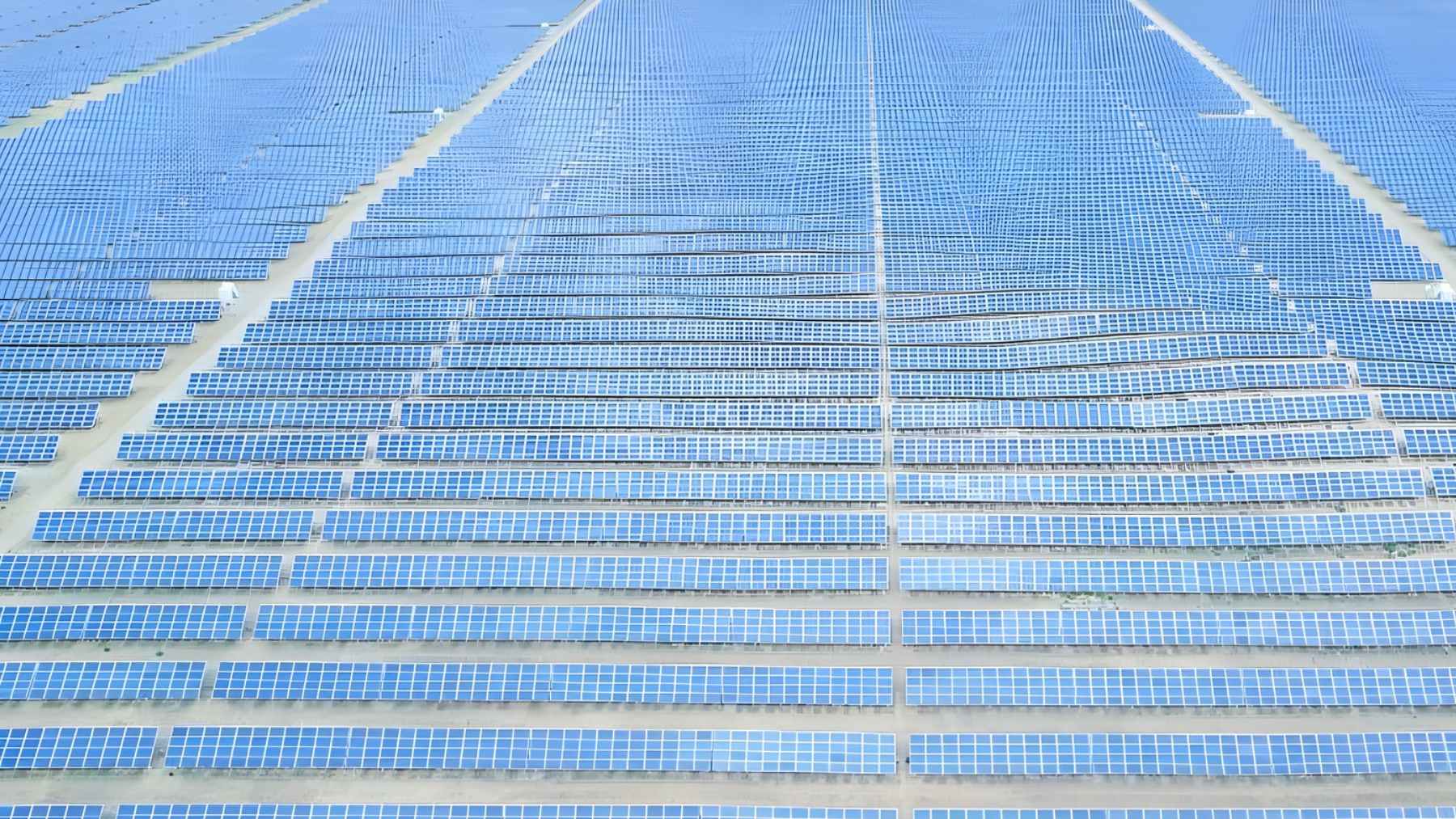
High on the edge of the Tibetan Plateau, a vast sea of dark blue panels is doing more than keeping the lights on. China’s largest cluster of solar farms in Qinghai Province can generate nearly 17,000 megawatts of electricity, outpacing any solar installation in the United States and helping push the country toward a cleaner power mix.
Yet a growing body of research suggests the project is also reshaping the land beneath it. A new study in the Nature portfolio reports that the complex of solar parks is making the surrounding alpine desert slightly cooler, wetter, and more hospitable to plants and microbes, turning parts of a once-harsh landscape into what scientists describe as a kind of micro oasis.
A mega solar cluster on the roof of the world
The Qinghai solar cluster stretches across former desert and semi desert terrain on a high plateau where winters are bitter and summers are bone dry. It brings together multiple large projects, including the Gonghe Photovoltaic Industrial Park in the Talatan Desert, which sits close to three thousand meters above sea level.
According to reports based on data from The New York Times, the complex can produce almost 17,000 megawatts of power, enough output to supply a city roughly the size of Chicago.
For a country where coal still provides around 60% of electricity and wind and solar together remain under one fifth of generation, mega projects like this are central to climate and energy plans.
China’s deserts are a key part of that strategy. One 2024 analysis found that solar resources in these regions could provide between two and four times the world’s electricity demand in 2022 if fully harnessed, at least on paper.
In practical terms, that means the empty stretches of sand that once seemed useless could, in theory, power millions of homes and help keep the electric bill in check during those sticky summer evenings.
Turning a harsh desert into a study site
To see what this build out means for nature on the ground, a team led by Wei Wu at the Xi’an University of Technology examined the ecological effects of large-scale photovoltaic development in the Gonghe Photovoltaic Park.
The park lies within a typical alpine arid desert landscape, where rainfall is scarce and strong winds regularly scour the soil.
Researchers divided the area into three zones that were easy to picture. There was the core of the solar park where panels are already in place, a transition zone that is planned for development, and untouched desert nearby that served as a control area. They then monitored soil quality, vegetation, microbial life, and local weather conditions at each site over time.
Instead of focusing only on electricity output, the team used an environmental assessment framework that tracks how human pressures ripple through an ecosystem and trigger responses. In simple terms, they wanted to know whether the solar park was stressing the land or giving it a small but real boost.
The answer, to a large extent, leaned toward improvement inside the built area compared with the bare desert outside.
Shade, water, and a quiet jump in biodiversity
So what actually changes when you cover mile after mile of sand with glass and steel panels. One of the clearest signals from the study was higher soil moisture under and around the panels compared with nearby open ground.
The shade cast by the structures cuts direct sunlight, which slows evaporation and helps the ground hold on to precious water.
Regular cleaning of the panels appears to add a little extra moisture as well. Wash water seeps into the soil rather than flashing straight back into the air, a small detail that matters when every drop counts. Over time, this combination of shade and added moisture changes the soil structure, making it more stable and less prone to blowing away in the wind.
Better soil conditions are already showing up in biological surveys. Scientists report more plant cover and a richer mix of microbes in the core solar area than in the untouched desert, suggesting that the panels are helping life gain a foothold instead of squeezing it out.
It is a bit like parking your car under a tree on a hot day and noticing how the ground there stays cooler and slightly greener than the dusty street just a few steps away.
What this means for future solar deserts
For policymakers, the findings offer a rare piece of good news in a debate where big energy projects often come with painful tradeoffs. The Qinghai results imply that, if designed carefully, desert solar farms can cut emissions and at the same time nudge local ecosystems in a healthier direction by easing heat and moisture stress.
That is why some experts now describe well-planned solar parks as potential green oases rather than lifeless industrial zones.
Similar ideas are already being tested elsewhere in China. In the Ningxia Hui Autonomous Region, for example, a project run by Ningxia Baofeng combines a large solar array with goji berry plantations, using the panels as giant umbrellas that reduce evaporation and help anchor the sand.
For the most part, these pilots remain small compared with the country’s overall solar rollout, but they hint at what large-scale, eco-focused design could look like.
There are still open questions. Scientists warn that covering huge areas with panels can also alter wind patterns, surface temperatures, and even regional climate in ways that are not fully understood, especially if many projects are built close together.
At the end of the day, what the Qinghai work shows is that big solar can support both clean power and local biodiversity if planners treat the desert as an ecosystem to restore, not just empty land to fill.
The main study was published in the journal Scientific Reports.