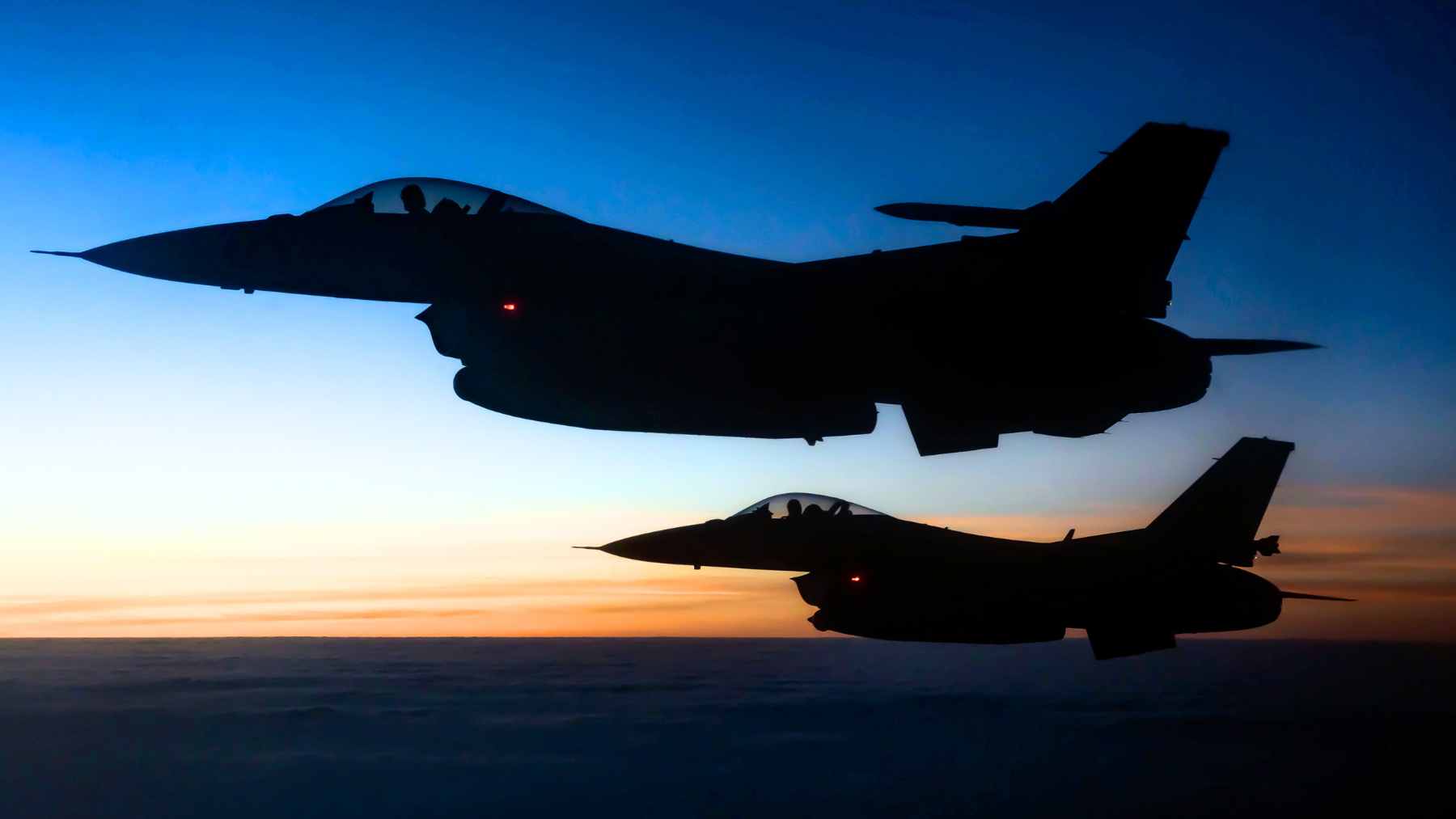
German police have opened a criminal investigation after three U.S. Air Force F-16 pilots reported being targeted by what they described as a blue laser while landing at Spangdahlem Air Base in western Germany.
All three jets landed safely, but the reports are raising fresh concerns about a growing aviation hazard that can briefly blind a pilot at the worst possible moment. If you have ever been hit with a bright phone flashlight in a dark room, you already get the basic idea.
Three reported laser incidents during evening approaches
The reported events happened on December 2 and December 9, 2025, when the aircraft were only a few kilometers from the runway and coming in between 8 and 8:30 p.m., according to the Trier criminal investigation department within the Rheinland-Pfalz police agency.
Master Sgt. Alex Riedel said the 52nd Fighter Wing is tracking the incidents and cooperating with both U.S. law enforcement and German police, adding that pilots reported the suspected source locations during each event. He also said the aircraft landed safely in every case.
Why a laser can be so dangerous in the cockpit
Laser illumination is not just a distraction. It can cause temporary blindness, disorientation, and even eye injury, especially during critical phases of flight like landing when crews are scanning instruments, lights, and the outside environment at the same time.
Air Force investigators have compared the effect to a camera flash going off in a pitch-black car at night. That split second matters, because it can leave “after-images” that linger even after the beam is gone, making it harder to see the runway or read displays.
How investigators try to find the source
Authorities typically treat these events as more than a prank because a laser can travel far and still stay bright. Investigators often rely on pilot reports of the direction of the beam, the timing of the exposure, and any sightings from people on the ground to narrow down where it may have come from.
That is why police asked witnesses to come forward. In practical terms, someone who noticed an unusual light source near the approach path, even briefly, could help reconstruct what happened and where to look next.
A broader trend, and what the Air Force is changing
These incidents are part of a wider pattern that aviation officials have been warning about for years. In the United States, the Federal Aviation Administration said pilot reports of laser strikes reached a record 13,304 in 2023, and the agency has documented hundreds of reported pilot injuries since 2010.
The Air Force is also adapting. The Air Force Life Cycle Management Center has announced upgraded aircrew eyewear that, for the first time, combines laser protection with ballistic protection, with plans that called for more than 42,000 devices to be fielded by 2027.
The main report has been published in Stars and Stripes.