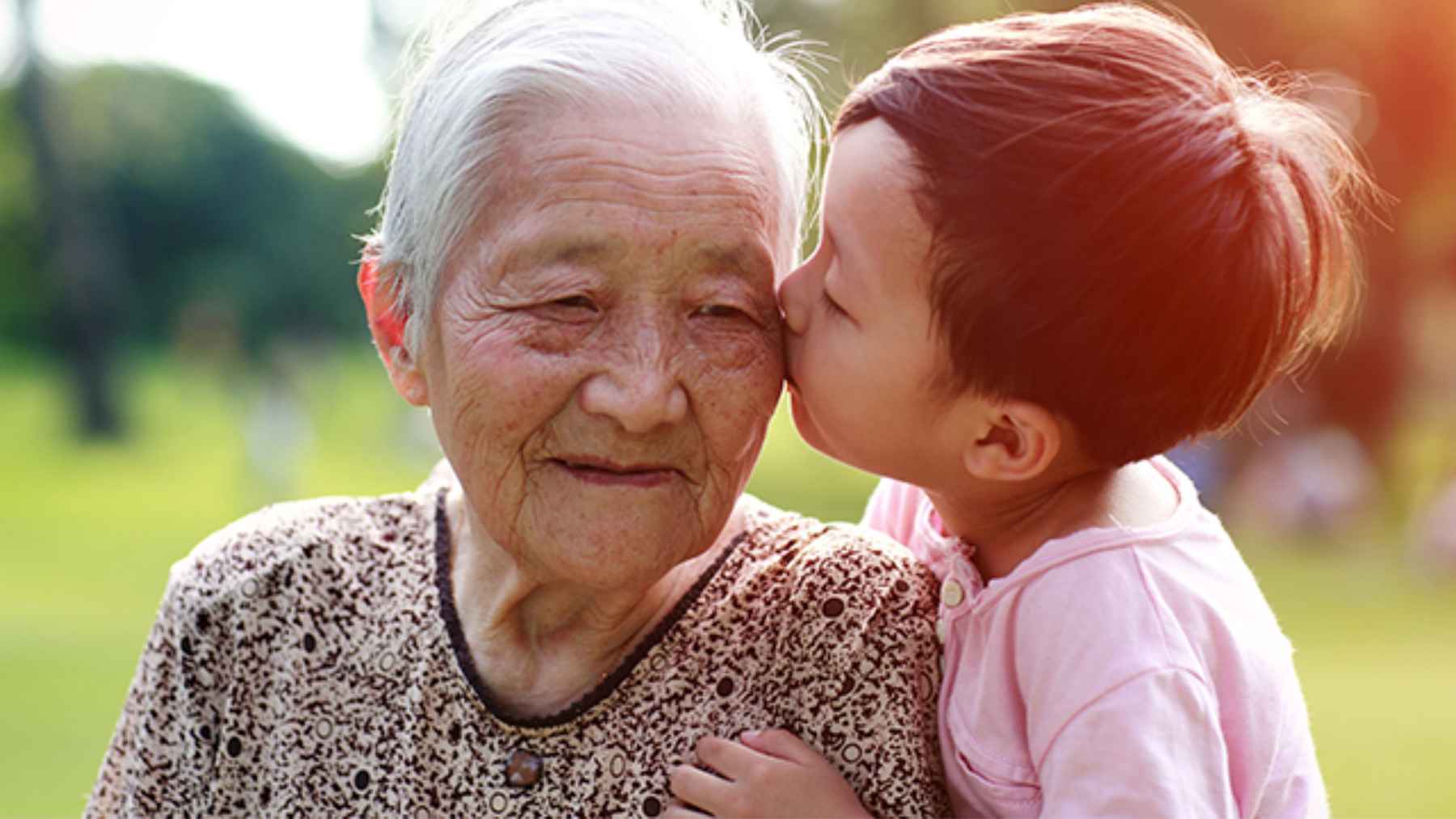
Looking after the grandkids may help keep an aging brain sharper, study finds. If you have ever finished a day of babysitting the grandkids feeling both exhausted and strangely energized, science now has an explanation.
A large new study suggests that grandparents who help care for their grandchildren tend to have better memory and language skills in later life than those who do not provide care.
What the study found about memory and verbal fluency
Researchers led by Flavia Chereches at Tilburg University analyzed data from 2,887 grandparents aged over 50, with an average age of 67. All were part of the English Longitudinal Study of Ageing, a long-running project that tracks older adults in England. Participants completed detailed surveys and cognitive tests on three occasions between 2016 and 2022.
On the tests, grandparents who had provided any childcare in the past year scored higher on memory tasks and on verbal fluency tests that ask people to quickly name as many animals as possible. These advantages remained even after the team accounted for age, general health and other social factors.
What counted as childcare for grandparents
So what counted as childcare in this research? Not just the occasional birthday party visit.
The questionnaires covered a wide menu of everyday help, from playing and doing leisure activities to helping with homework, preparing meals, driving children to school or activities, staying overnight and caring for a sick grandchild. In other words, the kind of busy, slightly messy family life many households know very well.
One surprising detail stood out. It was not the number of days spent babysitting that seemed to matter most. Simply being a caregiving grandparent at all was more strongly linked to better cognitive performance than how often care was provided or which specific tasks were done.
As Chereches put it in the press materials, “being a caregiving grandparent seemed to matter more for cognitive functioning than how often grandparents provided care or what exactly they did with their grandchildren.”
Grandmothers and cognitive decline over time
When researchers looked at changes over the six-year period, an important gender difference appeared. Grandmothers who cared for grandchildren showed a slower decline in cognitive scores than grandmothers who did not provide care.
For grandfathers, however, the difference in decline was not statistically clear, even though caregiving grandfathers also started out with higher scores.

Why caregiving might support cognitive reserve
Why might this kind of intergenerational care help the brain? Scientists point to a combination of mental and social effort. Planning school pickups, remembering which grandchild likes which snack, answering endless questions and negotiating screen time all demand attention, memory and language.
That mix may act like cross training for the brain, somewhat similar to how walking, dancing or learning a new hobby can build what experts call cognitive reserve.
What the study cannot prove and why context matters
At the same time, the authors are careful not to oversell the effect. This was an observational study, not an experiment, so it cannot prove that babysitting itself slows brain aging. People who are already healthier and more mentally sharp may simply be more able and more willing to take on childcare, a pattern known as the healthy caregiver effect.
The team used advanced statistics to reduce this bias, yet they note that some reverse causality is still possible. They also did not measure whether grandparents felt supported or overloaded, and they point out that care that feels like a burden could have very different consequences.
What this could mean for healthy aging
In practical terms, the message is fairly down to earth. For older adults who enjoy time with their grandchildren and are physically able to help, regular involvement looks like one more socially-rich, mentally-engaging activity that may support healthy aging, alongside movement, a balanced diet and other habits.
It is not a magic shield against dementia, and it should not replace medical care or push grandparents into unpaid full-time childcare.
The press release was published by the American Psychological Association.