Ever leave a crowded room feeling more drained than connected? That helps explain why a line widely attributed to Nikola Tesla keeps resurfacing online. “Intelligent people tend to have fewer friends than the average person.
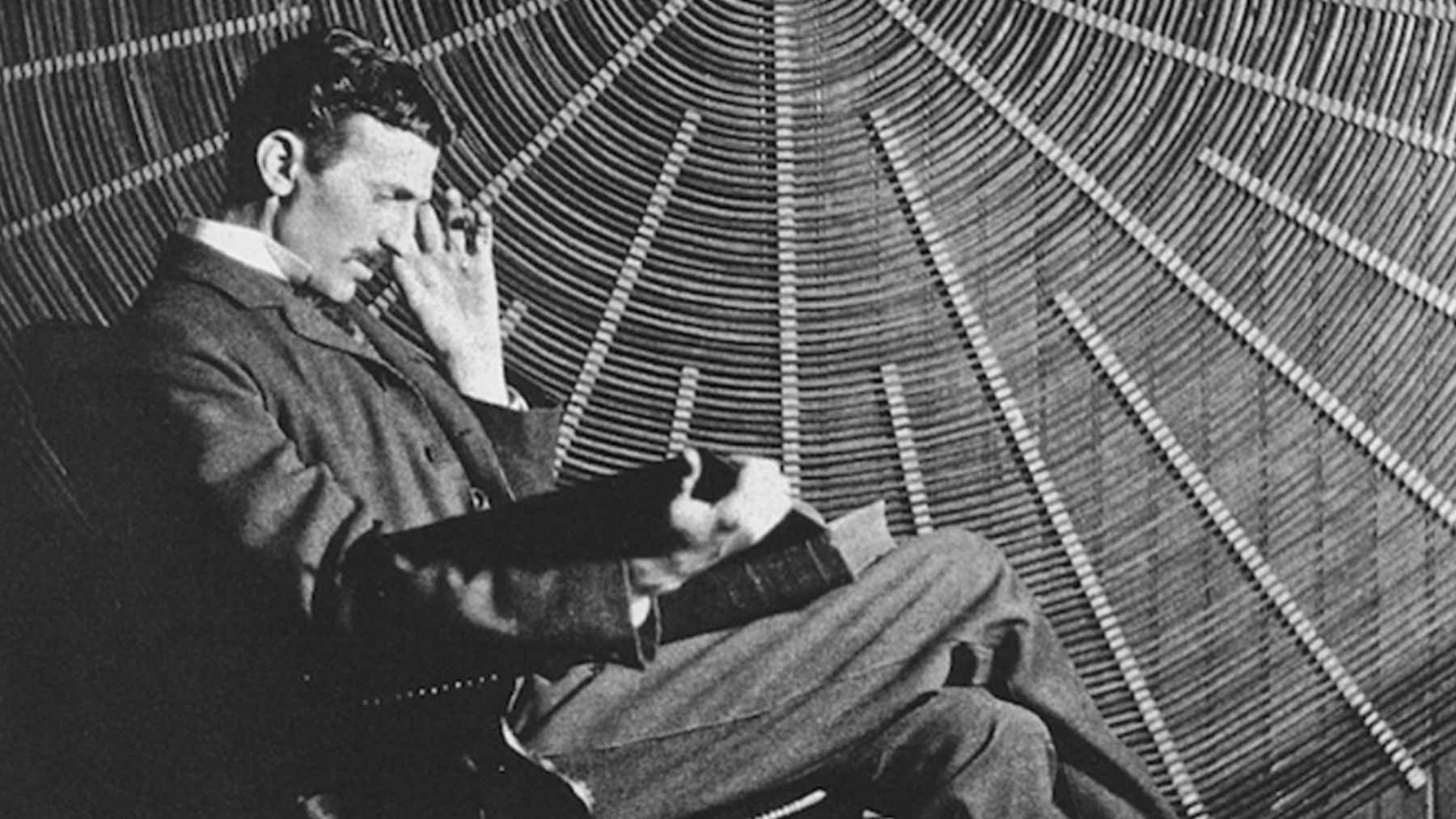
The smarter you are, the more selective you become.” The idea fits the popular image of Tesla as a solitary genius. But the real picture is less tidy. In his autobiography,
Tesla wrote that he devoted almost all of his waking hours to thought, yet historical accounts also place him in lively circles that included editor Robert Underwood Johnson, naturalist John Muir, and Mark Twain.
Selectivity over popularity
That is where modern research gets interesting. A 2021 study of seven classes of adolescents found that students with higher intelligence were generally liked more by their peers.
At the same time, those same students liked fewer people themselves, and the pattern stayed stable over time. In other words, the issue may not be being disliked. It may be being choosy.
For many people with strong analytical habits, small talk can feel like background noise — a bit like that group chat you muted months ago. What they seem to look for instead is fit.
A larger 2016 paper in the British Journal of Psychology pushed the debate even further.
Using a nationally representative sample of more than 15,000 participants, the researchers found that, overall, spending more time with friends was linked to greater life satisfaction.
But among the extremely intelligent, that pattern weakened and in some cases reversed, with more frequent socializing tied to lower life satisfaction.
The authors were careful not to oversell it. Their data were correlational, the average effects were small, and they explicitly said the findings were far from conclusive. That matters.
It keeps the story grounded in science instead of turning it into another neat internet myth.
Fewer friends is not the same as loneliness
And this is the part that often gets lost. Solitude and loneliness are not synonyms.
A 2024 longitudinal study of 403 students in the top 10% of their age group for cognitive ability found that loneliness among high-ability students varied widely.
Peer acceptance, victimization, personality, and friendship quantity all helped predict who felt lonely over time, while a gifted label by itself did not.
In practical terms, that means a smaller circle is not automatically a warning sign. What matters more, to a large extent, is whether the relationships feel meaningful, safe, and mutual.
So was Tesla right? Partly, maybe. The quote endures because it captures something many reflective people recognize.
Some conversations energize you. Others just fill the room. But the best evidence does not say intelligent people are destined for isolation.
It suggests something more human and more ordinary. Many simply trade breadth for depth, choosing fewer connections that actually hold up when the noise fades.
The study was published by the Council for Exceptional Children.