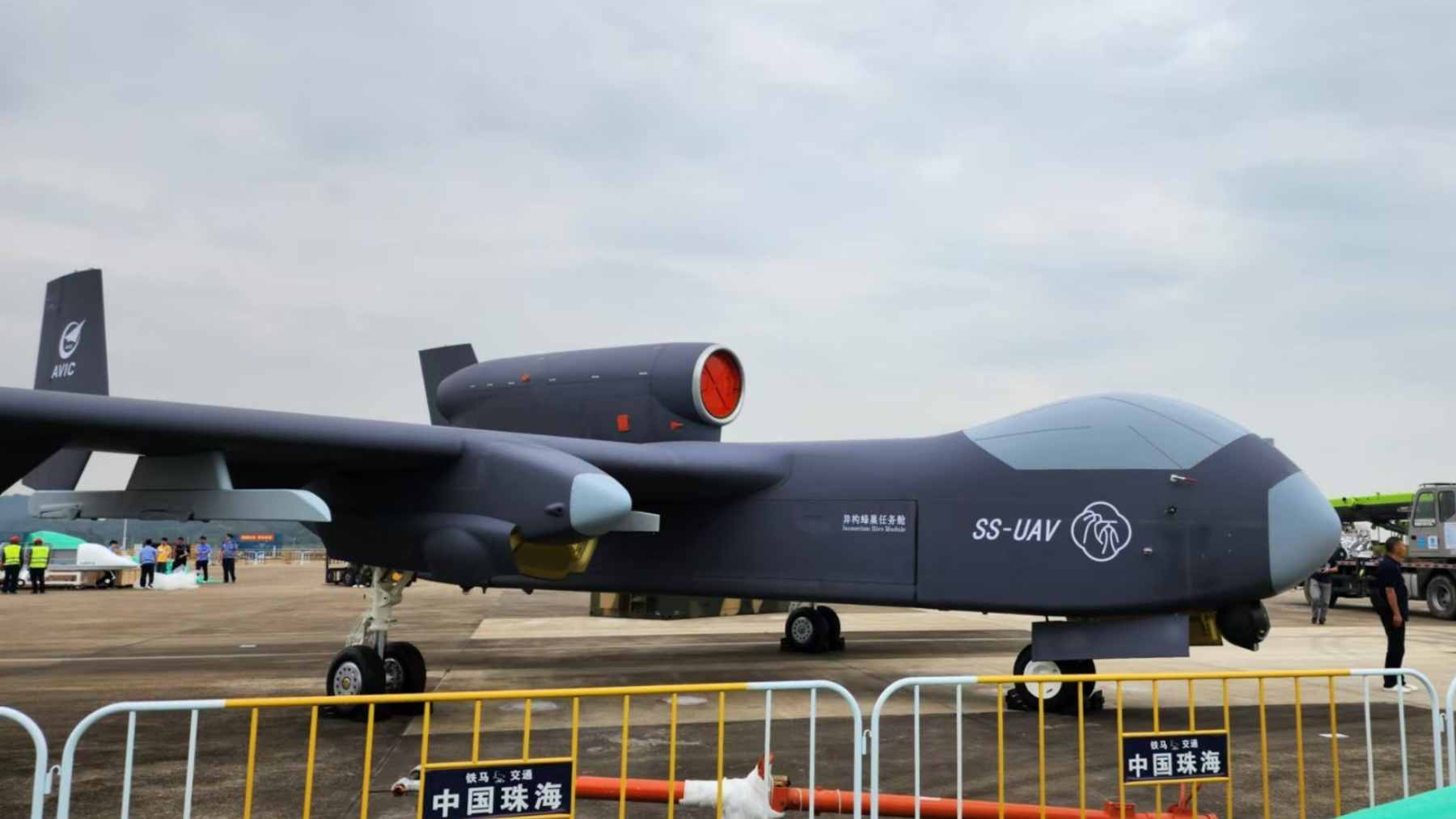
What happens when a massive new drone is designed to do two very different jobs? China’s Jetank, also known in official Chinese reports as “Jiutian,” has completed its maiden flight in Shaanxi, and its size alone turns heads. But the bigger story may be what this aircraft could do far from the battlefield.
By China’s own description, the platform is built for remote cargo delivery, emergency communications, disaster relief, surveying, and even forest firefighting.
At the same time, state media and CCTV have highlighted its swarm-launching module and other military uses.
That mix gives the Jetank a unique place in the wider environmental debate, because dual-use aircraft can help protect fragile landscapes, or add new risks, depending on how they are deployed.
A giant platform with a long reach
Official figures put the drone at 16.35 meters (about 53.6 feet) long with a 25-meter wingspan, a maximum takeoff weight of 16 metric tons, a payload capacity of 6,000 kilograms (about 13,228 pounds), 12 hours of endurance, and a ferry range of 7,000 kilometers (about 4,350 miles).
It completed its first flight in Pucheng, in northwest China’s Shaanxi Province. In practical terms, that places Jetank in a class far above the small quadcopters most people picture when they hear the word “drone.”
AVIC and other official reports say the aircraft uses a modular payload system, which means it can be reconfigured for different tasks rather than locked into one mission.
That system is meant to support heavy supply delivery to remote mountains and islands, rapid communications recovery during emergencies, disaster assessment, geographic surveying, mineral exploration, cultural relic surveys, maritime law enforcement, and forest firefighting.
That is a long list, and it is clearly meant to signal that this is more than a one-purpose machine.
Still, the military side is impossible to ignore. CCTV and other state media reports have described an open architecture, eight hardpoints, and a “heterogeneous hive” module that can carry large numbers of smaller drones or loitering munitions. So yes, it can deliver aid, but it can also project force. And that is where the story gets complicated.
Why the environmental angle matters
For ecology and emergency planners, the most interesting promise is not the swarm feature. It is the idea that a large UAV could move heavy cargo into hard-to-reach places without new roads, long truck convoys, or the delays that often follow mountain emergencies.
Anyone who has seen a fresh access road cut into a hillside knows the damage can linger long after the machinery leaves.
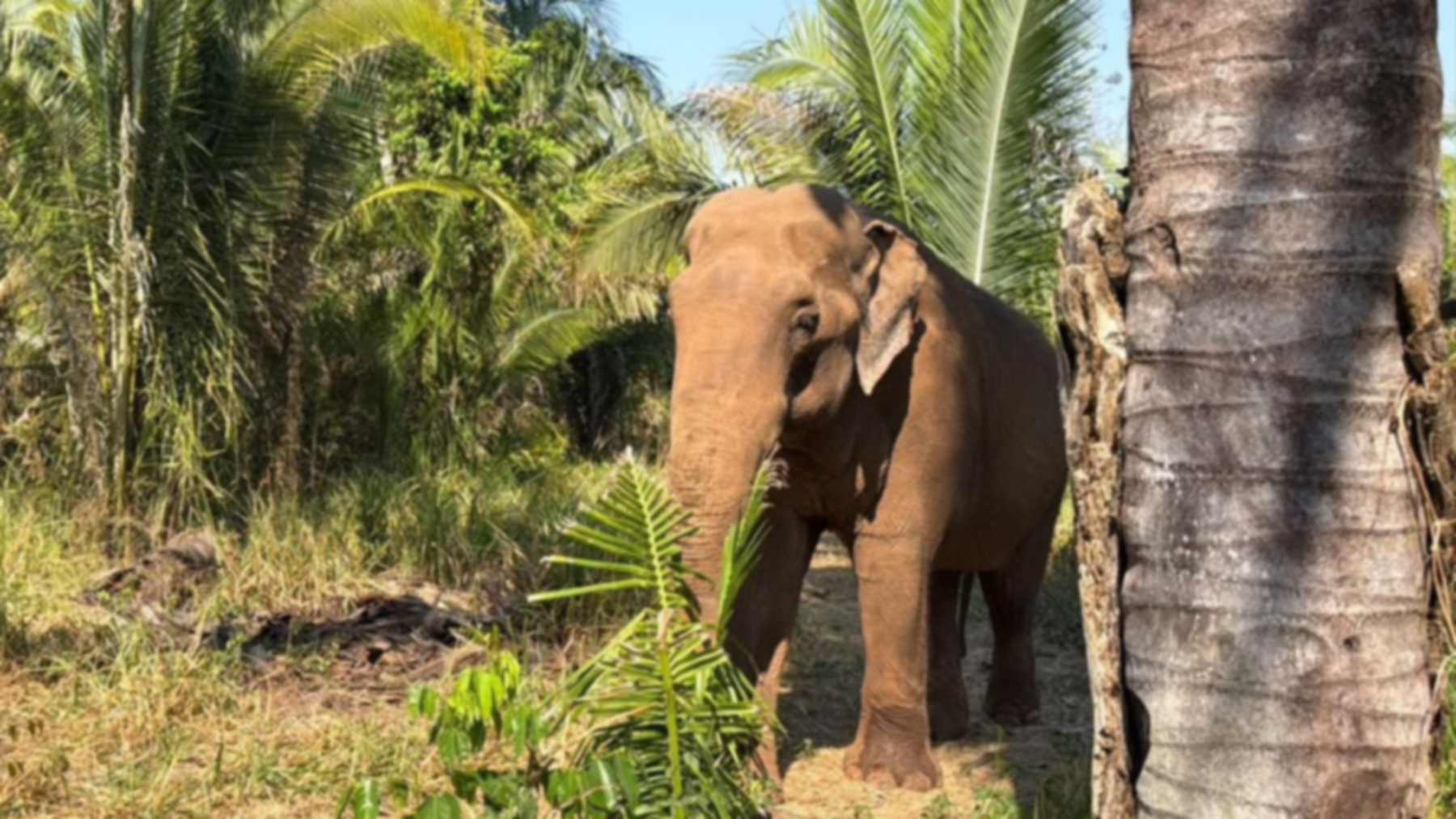
China’s own reporting on other heavy-lift drone projects shows why that matters. In Yunnan, drone-assisted power line logistics cut road-building costs by 80% and labor by 60% in a fragile karst region, while another project spared nearly 7 hectares of rainforest and more than 30,000 trees in an elephant corridor.
Those numbers are not from Jetank missions, but they do show how airborne delivery can sometimes shrink the footprint on the ground.
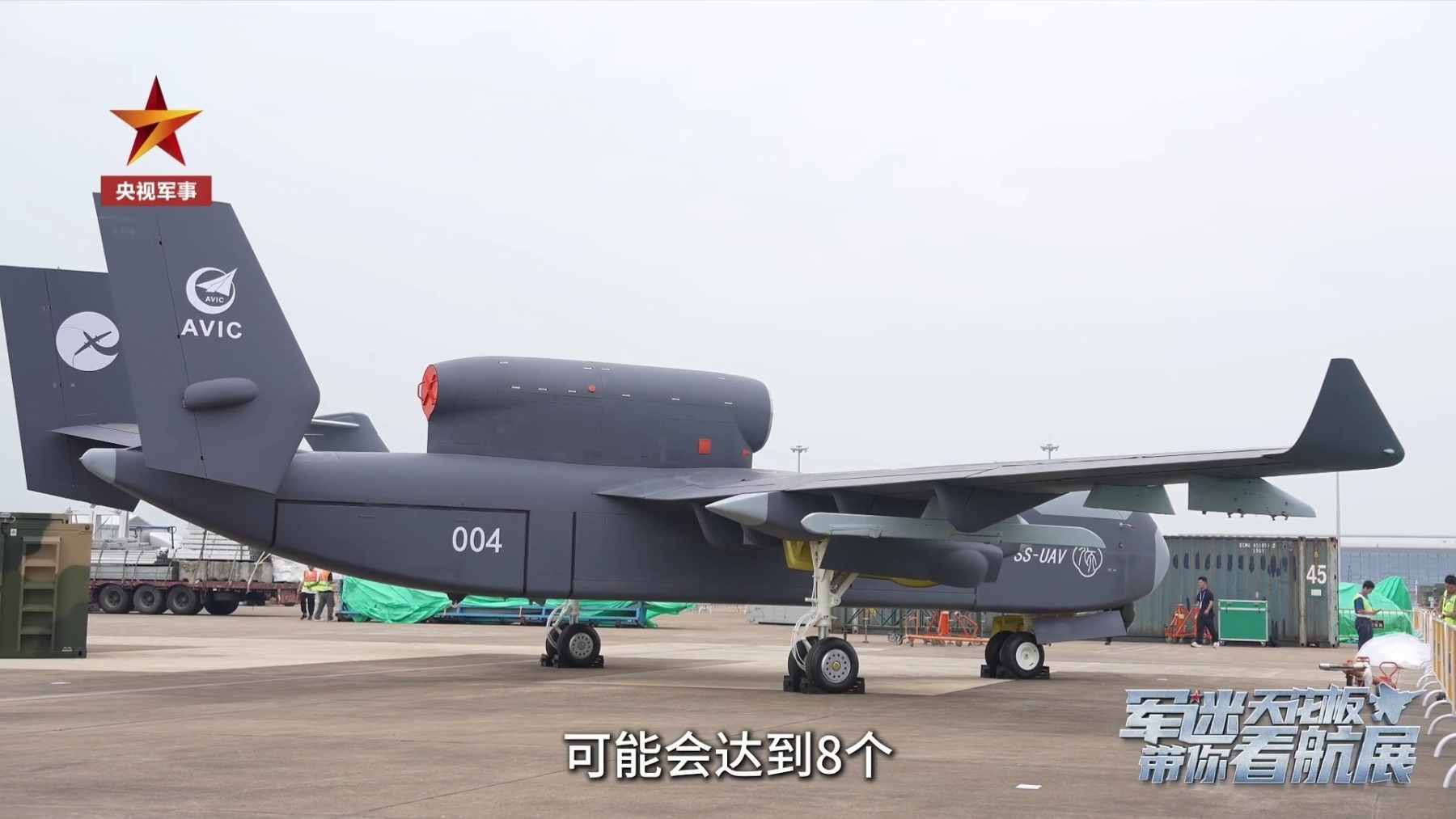
That is why Jetank’s civilian mission list deserves attention. A platform that can carry heavy supplies, restore communications when phones go dead after a storm, map disaster zones, and support forest firefighting could be useful in places where every hour counts and every bulldozed slope leaves a mark.
For remote islands or mountain communities, that may sound less like futuristic tech and more like practical infrastructure.
The green promise has limits
There is an important catch, though. Jetank is a large, heavy aircraft, and CCTV has described it as using a turbofan engine, so no one should mistake it for a zero-emissions solution. Its environmental value, for the most part, would come from avoiding some ground disturbance and speeding emergency response, not from making aviation clean.
The other limit is governance. The same modular design that makes the aircraft flexible for relief work also makes it flexible for combat support, electronic warfare, and swarm operations. In other words, the platform itself is not “green” or “harmful” by nature.
Its impact depends on the missions, the rules, and the transparency around how it is used.
What readers should keep in mind
Jetank’s first flight is a real aviation milestone, but the environmental relevance comes from the quieter details. China’s official descriptions point to remote logistics, emergency rescue, mapping, disaster assessment, and forest firefighting as core civilian uses, and those are the areas worth watching first.
If even part of that list moves from brochures to real operations, the aircraft could matter in places where trucks struggle and helicopters are costly.
At the end of the day, this is a story about dual-use technology wearing two faces. One face points to faster aid, less ground disruption, and better access to isolated terrain. The other points to a future of larger drone swarms and expanded military reach.
The official report was published on People’s Daily Online.