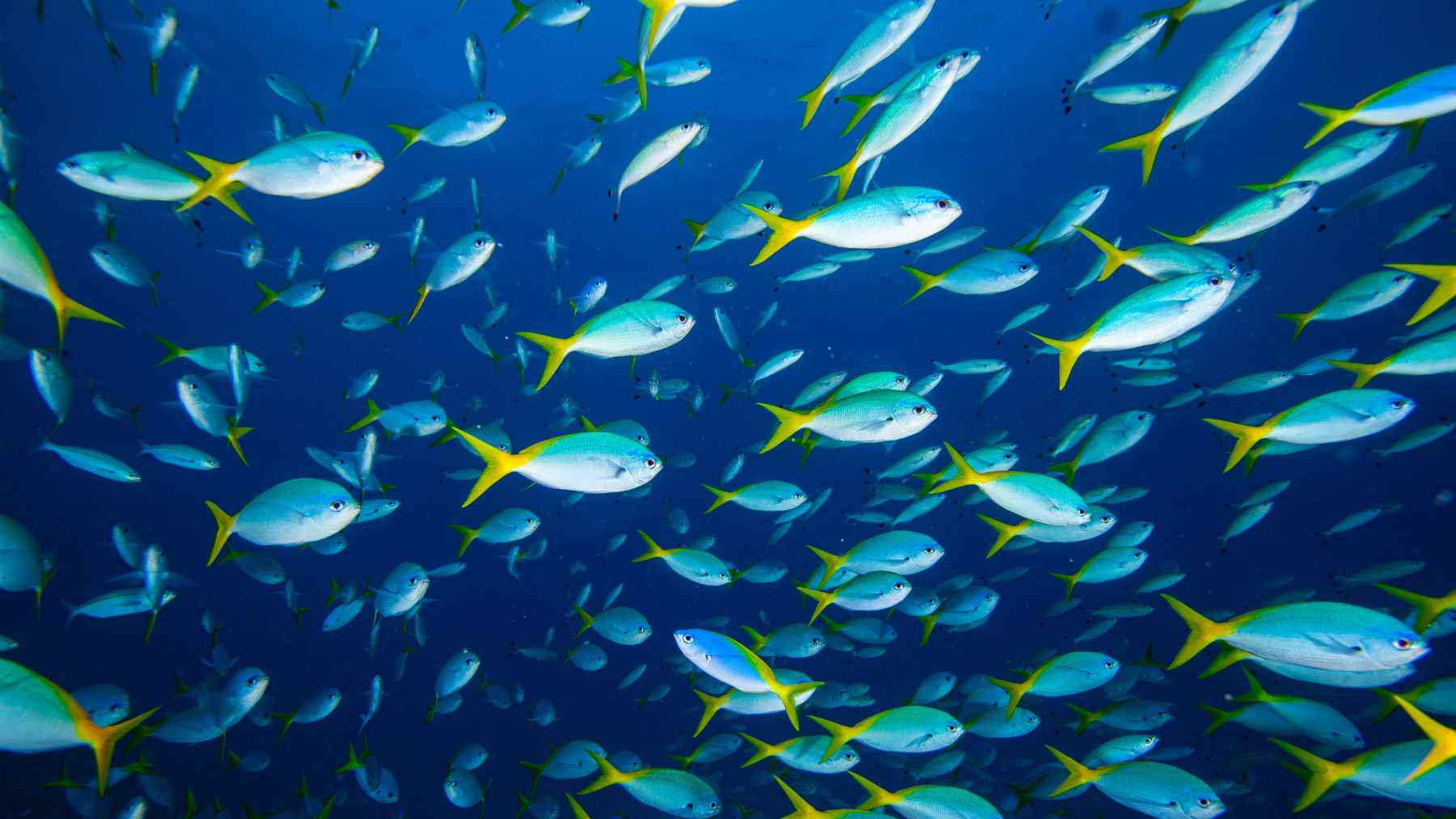
How much harm can a warmer ocean do when the temperature shift looks tiny on paper? Quite a lot, according to a new study that tracked fish populations across the Northern Hemisphere for nearly three decades. The researchers found that long-term ocean warming is steadily reducing marine life, even when short bursts of extreme heat grab most of the attention.
That matters because the ocean does not only change during headline-making marine heatwaves. The bigger problem, the study suggests, is the slow warming that keeps building year after year and quietly drains fish biomass, or the total weight of fish living in a population. In practical terms, that means less life in the water over time.
What the researchers found
The work was led by marine ecologist Shahar Chaikin at the National Museum of Natural Sciences, part of Spain’s National Research Council, with Juan David González-Trujillo of the National University of Colombia and Miguel B. Araújo.
The team analyzed 702,037 estimates of biomass change from 33,990 fish populations representing 1,566 species between 1993 and 2021. The surveys covered major Northern Hemisphere basins, including the Mediterranean, the North Atlantic, and the northeastern Pacific.
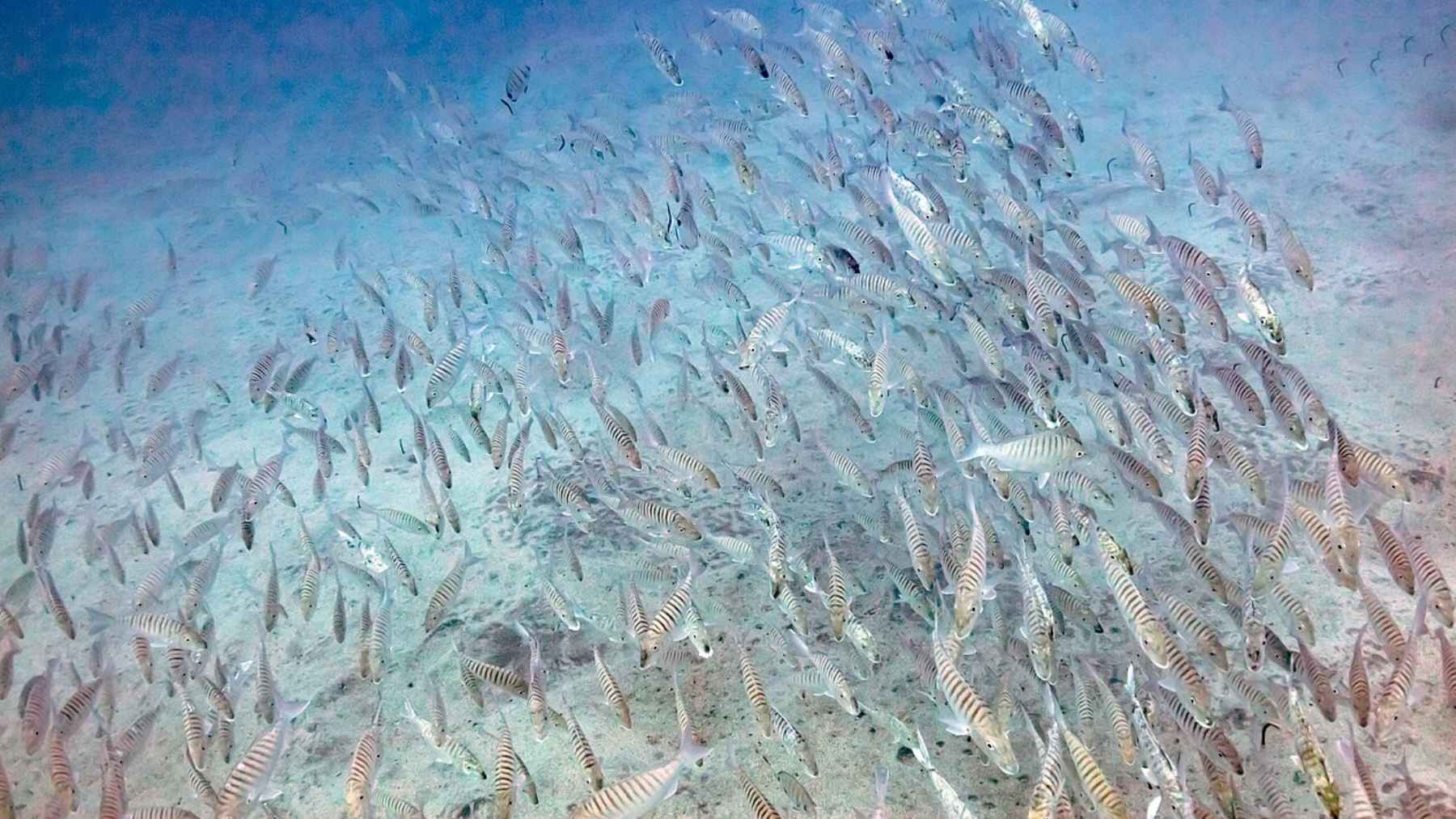
After separating long-term warming from short-term weather noise, the researchers found that chronic ocean warming was linked to annual biomass declines of up to 19.8%. Chaikin said the data show a “sustained annual decline in biomass” once those short-lived spikes are filtered out. That is a warning sign for ecosystems that help support food supplies around the world.
Why marine heatwaves can hide the bigger problem
Marine heatwaves are short periods of unusually high ocean temperatures. In the study, those events were linked to biomass losses of up to 43.4% at the warm edge of a species’ range, but temporary gains of up to 176% at the colder edge. So yes, some places can look better for a while, which is exactly what makes this story tricky.
The paper also highlights the European sprat, showing how warmer years can shift biomass patterns for a familiar small fish. That does not mean the ocean is becoming healthier overall. It means some species move or briefly expand, while the longer trend still points downward.
Why this matters for fisheries
For fishing communities, that distinction is crucial. A temporary jump in fish numbers can tempt managers to raise catch limits, but the museum’s release warns that these gains are short-lived and can mask a deeper decline. Put simply, a busy season at sea does not always mean the stock is safe.
The broader pattern has been building for years. A 2015 study in Nature Climate Change found Arctic fish communities moving north as waters warmed, and the IPCC’s 2023 synthesis report says climate change is already affecting ocean ecosystems and the people who depend on them.
As ocean warming continues, the authors argue that fisheries policy needs to think long term and across borders, not just season by season.
The main study has been published in Nature Ecology & Evolution.