If humans are going to live on the Moon, they will take something with them besides spacesuits and science gear. Trash. A lot of it. NASA now thinks that what happens to that trash is a critical risk for long-term lunar missions, so the agency is putting real money on the table. Through the LunaRecycle Challenge, NASA is offering three million dollars in prizes for technologies that can turn piles of lunar waste into useful resources for future crews.
This is not a hypothetical problem. Since the Apollo era, humans have left an estimated 500,000 pounds of human-made material on the Moon, from landers and tools to discarded packaging. Among those leftovers are ninety six bags of human waste that astronauts dumped to make room for moon rocks on the trip home.
And the traffic is about to increase. Researchers warn that more than four hundred missions are planned for the lunar surface and orbit over the next twenty years, raising the risk that some regions could turn into spacecraft graveyards if nothing changes.
In that context, LunaRecycle is NASA’s attempt to build a circular economy in space rather than repeat the throwaway model that has filled Earth’s orbit with junk. The competition focuses on waste streams that sound very familiar to anyone who has ever emptied a kitchen trash bag.
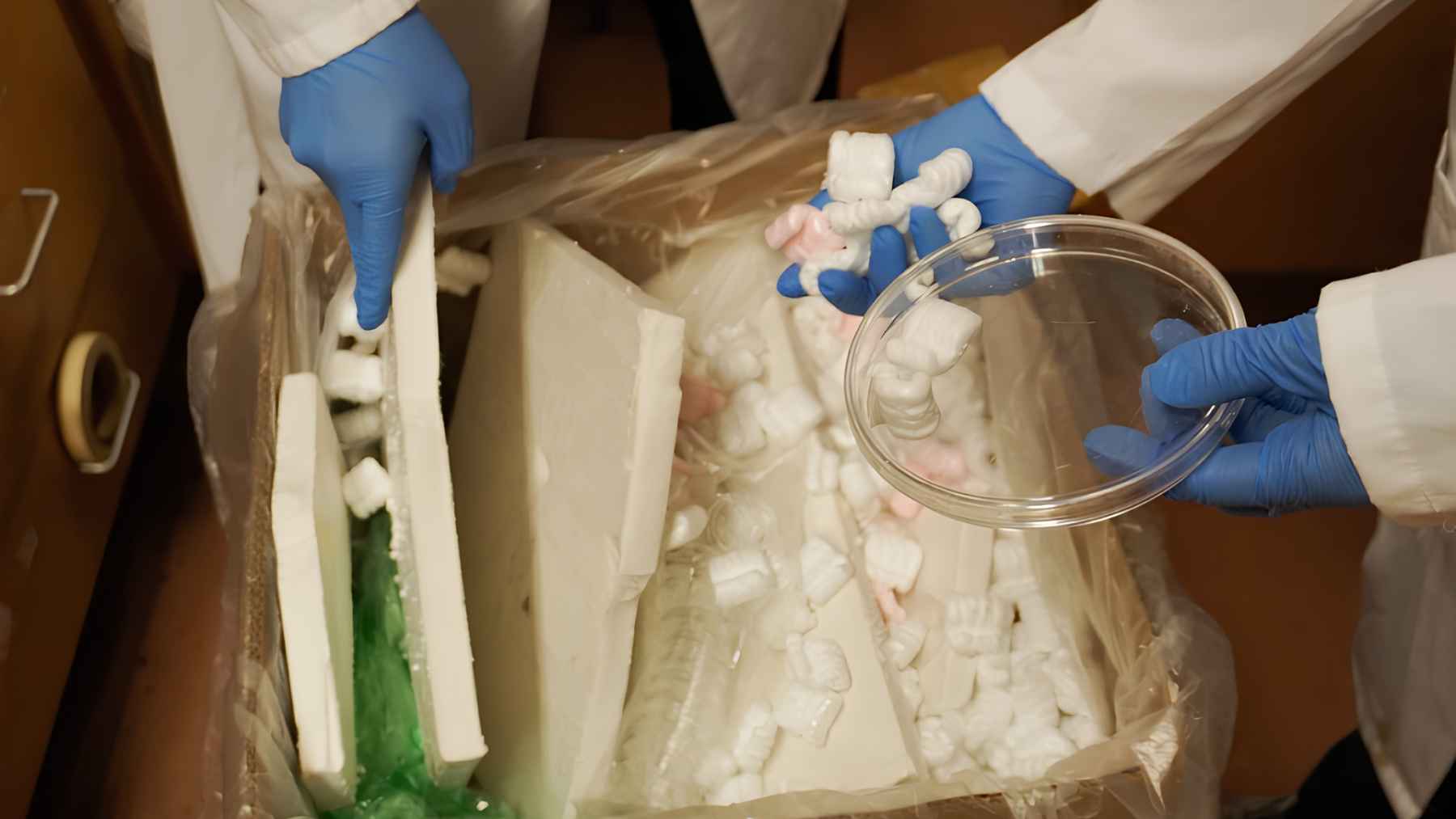
Food packaging, plastic films, foam padding, worn clothing, experiment materials, bits of metal and more. NASA estimates that a crew of four on a one year deep space mission could generate more than 2,100 kilograms of single-use waste. That works out to roughly 96 pounds per person every month, with no garbage truck waiting at the curb.
So what exactly is NASA asking people to build. The agency wants systems that can transform this trash into useful feedstocks or end products on the lunar surface. In practical terms, that might mean shredding and melting plastics into pellets for 3D printers, turning metal scraps into spare parts, or processing textiles into insulation or packing material. The official rules emphasize three qualities that matter a lot in space: low energy use, low mass and minimal environmental impact on the lunar outpost.
There is a strong financial reason behind this push. Launching mass to the Moon remains extremely expensive. One recent analysis of past missions estimated that landing a kilogram on the lunar surface can run to around 1.2 million dollars in mission cost, while putting the same kilogram into low Earth orbit is closer to 7,000 dollars. When every kilogram costs that much, throwing away packaging or worn fabrics is not just wasteful, it is a budget leak.
LunaRecycle is structured as a two phase competition with a total purse of three million dollars. Phase one, now completed, was open to teams worldwide and attracted more than 1,200 registrations, the highest participation in the twenty year history of NASA’s Centennial Challenges. Seventeen teams from nine United States states and five countries shared 850,000 dollars in awards.
Phase two is now underway and focuses on building and testing real hardware. It includes a milestone round and a final round with a combined prize pool of two million dollars. NASA is accepting entries from United States teams, which may include some foreign nationals under specific conditions. Registration and milestone submissions close on January 22, 2026, at 4:00 p.m. Eastern Time, and finalists will demonstrate their prototypes for judges in August, 2026.
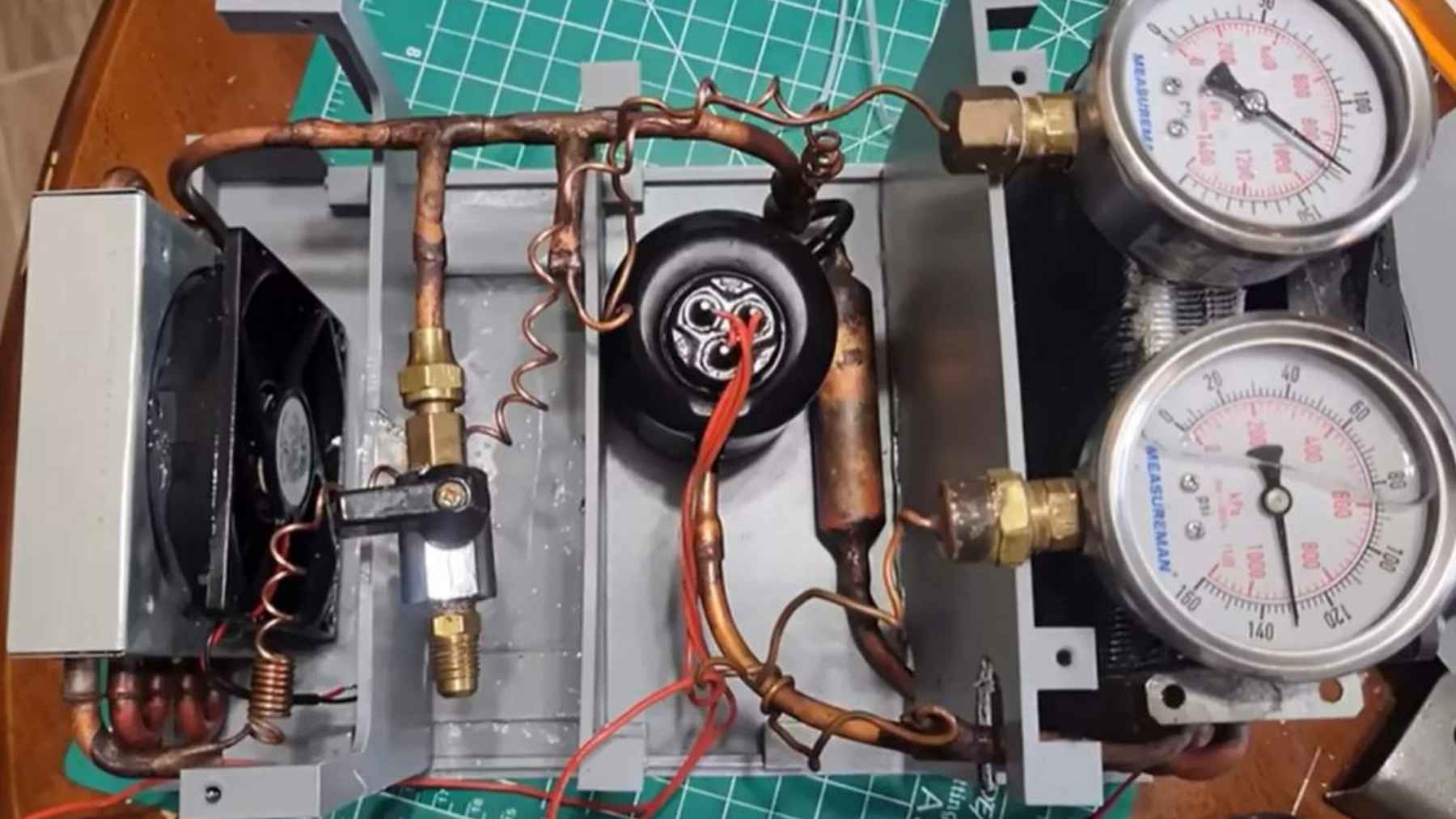
Every team must build a working prototype that can safely handle realistic amounts of lunar-style trash while using as little crew time and additional resources as possible. Alongside the hardware, teams can also submit a digital twin, a detailed virtual model of their system that lets NASA test how the design might behave during long missions without having to run every experiment physically.
Behind the technical language sits a simple idea that most households already understand. If you can repair, reuse and recycle what you have, you buy and ship less. That logic is especially powerful in space, where resupply is slow, expensive and vulnerable to launch delays.
NASA prizes executive Amy Kaminski puts it plainly, saying that “operating sustainably is an important consideration for NASA as we make discoveries and conduct research both away from home and on Earth”.
There is also a clear environmental thread. Without an atmosphere, the Moon cannot burn up debris the way Earth does with satellites. Defunct landers and discarded hardware can create dust plumes and surface vibrations when they crash, potentially threatening future habitats and scientific sites.
Smarter recycling and waste handling would reduce the number of things that need to be abandoned in the first place.
For the green community, the most intriguing part may be what comes back home. NASA’s own description of LunaRecycle notes that open innovation in this area could “revolutionize waste treatments on Earth, leading to greater sustainability on our home planet”.
Technologies that can safely and efficiently turn mixed trash into new materials in the harsh environment of the Moon could one day help remote communities, disaster zones or even large cities rethink how they deal with packaging and textiles.
At the end of the day, this lunar recycling challenge is about more than cleaning up 96 old bags of Apollo era waste. It is a test of whether humanity can learn from its messy habits before we build permanent bases on other worlds. If we manage to close the loop in the most remote “campground” humans have ever used, we might finally bring some of those lessons back to the overflowing bins here at home.
The official statement was published on NASA’s website.