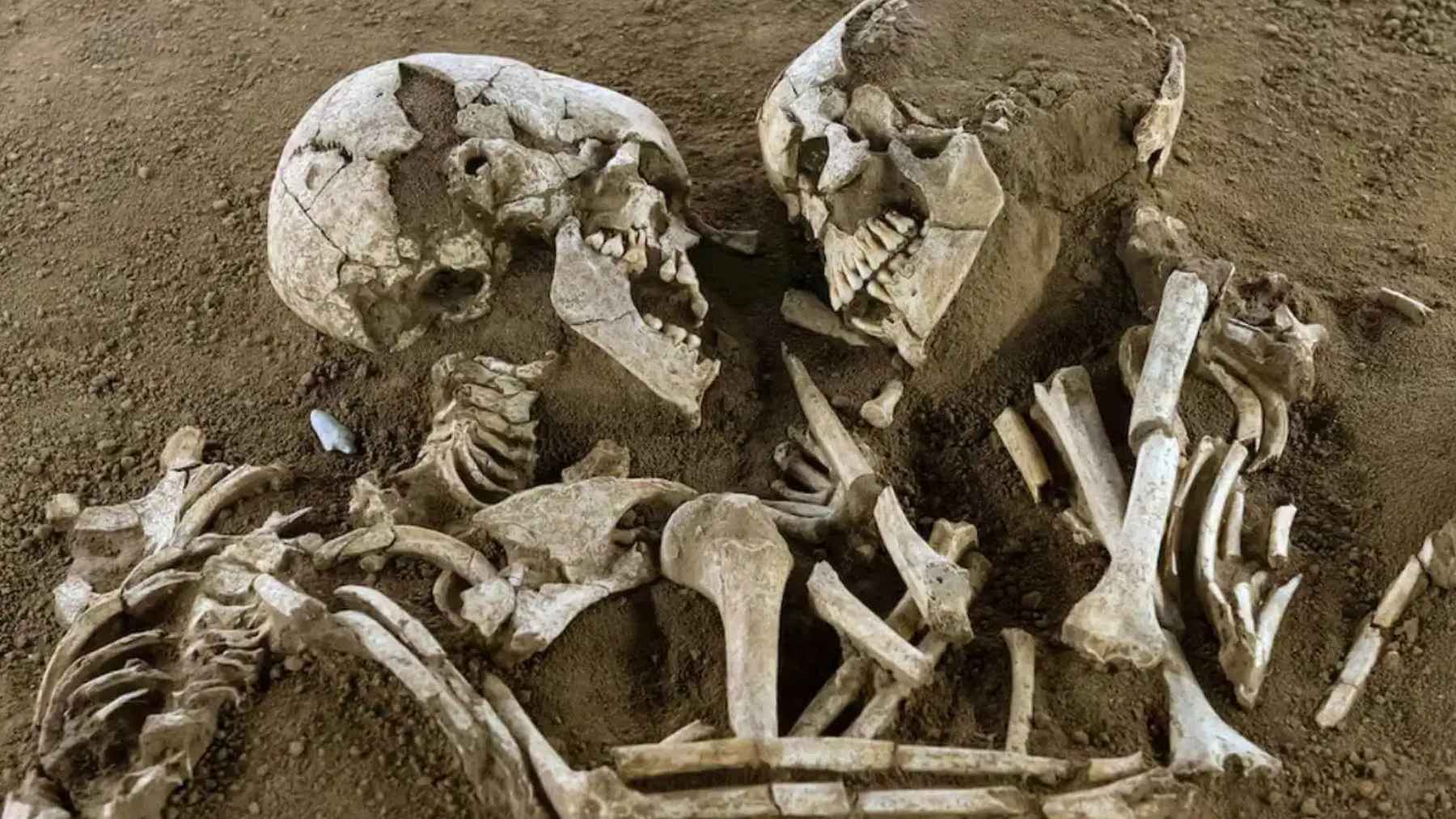
In a limestone cave in southern Italy, two people were buried in an embrace more than 12,000 years ago. In late January 2026, researchers reported that the pair were close relatives and that one of them carried a rare genetic condition, making this the earliest known genetic diagnosis ever identified in a human.
It is a headline-grabbing “first,” but the most surprising part might be the human story behind it. Who helped an adolescent with severe limb shortening move through an Ice Age landscape, find food, and survive long enough to reach her teens?
A cave that keeps secrets
Grotta del Romito sits near the town of Papasidero in Calabria, inside Pollino National Park, a protected area that spans about 743 square miles (roughly 476,000 acres). Protecting a landscape like this is often framed around wildlife and forests, but it can also protect the scientific record of the people who lived there long before modern borders existed.
Caves can act like natural time capsules because their interiors can stay relatively stable for long stretches, limiting the forces that break down bone and DNA. Think of how paper yellows on a sunny windowsill, then imagine the opposite, a cool, dark storage room that quietly preserves what would otherwise disappear.
The embrace and the puzzle
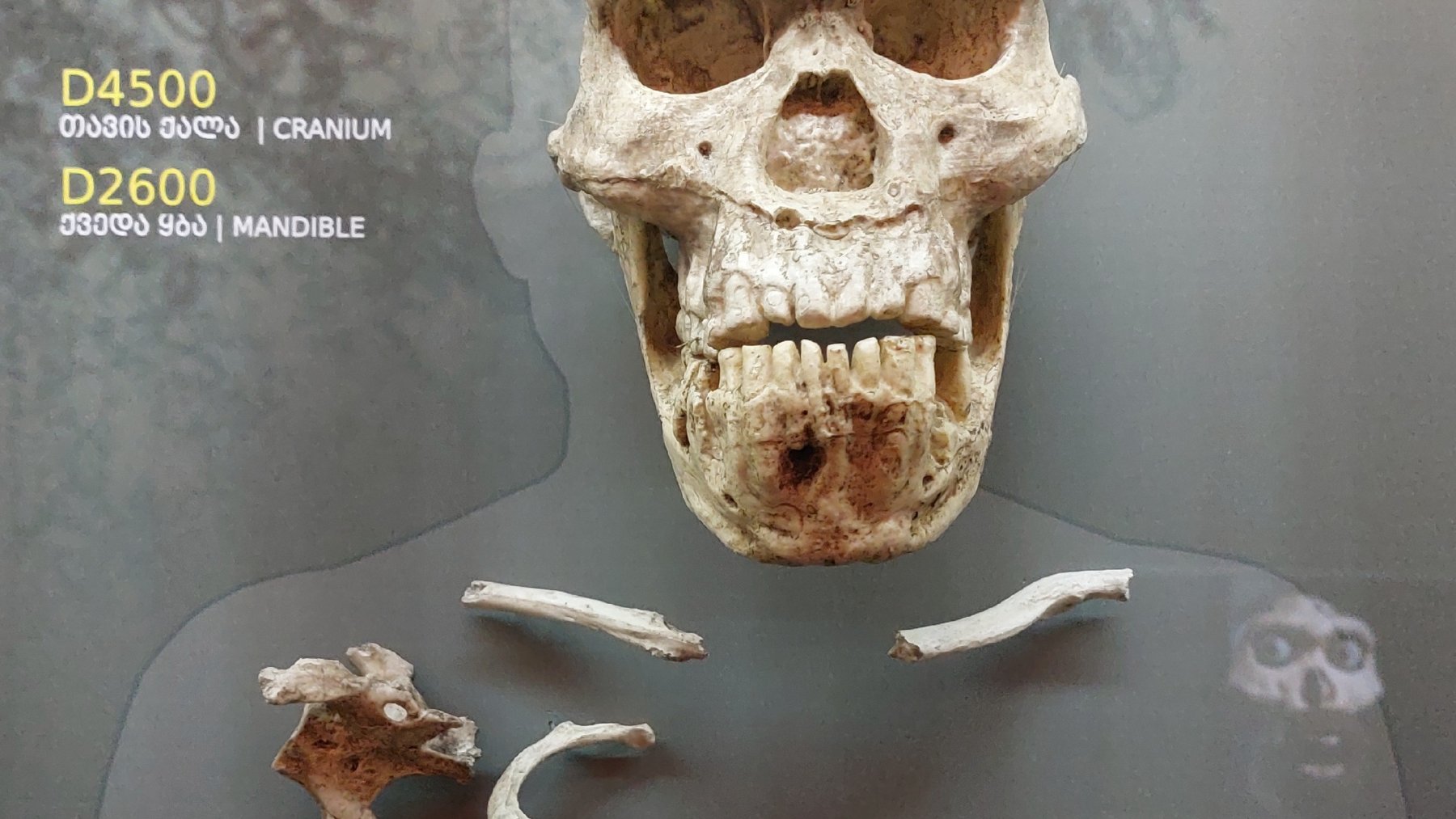
The burial became famous because the two individuals were laid to rest clasped together, with the smaller body nestled in the larger one’s arms. One skeleton also had unusually short limbs, and for decades scientists could not confirm whether the bones reflected injury, a known disorder, or something nobody had pinned down yet.
The site itself was excavated in the early 1960s, and this double burial, found in 1963, stayed a kind of “cold case” in European prehistory. No obvious signs of trauma explained the anatomy, and even basic details like sex and family relationship were debated.
DNA from the inner ear
To get answers, the team extracted ancient DNA from the petrous part of the temporal bone, a dense “inner ear” region that tends to preserve genetic material better than many other bones. They then screened genes associated with skeletal growth and compared the variants they found with modern clinical genetics data.
That genetic snapshot flipped earlier assumptions. The analysis indicates both individuals were female and first-degree relatives, most likely a mother and her adolescent daughter, now known as Romito 1 and Romito 2.
A rare mutation with a clear signature
The adolescent, Romito 2, stood about 3 feet 7 inches tall (around 110 centimeters), while the older individual, Romito 1, was about 4 feet 9 inches (around 145 centimeters), shorter than the estimated average for adults of the time. Bone measurements alone suggested a skeletal dysplasia, but DNA turned suspicion into diagnosis.
Researchers found that Romito 2 carried two altered copies of the NPR2 gene, confirming acromesomelic dysplasia (Maroteaux type). This inherited disorder is characterized by severe disproportionate short stature and marked shortening of the middle and distal parts of the limbs, particularly forearms, lower legs, hands, and feet.
Romito 1 likely carried one altered copy of the same gene, which is associated with milder short stature rather than the full condition. In practical terms, that means a single family could show two very different outcomes from the same genetic pathway.
A wider genetic family tree
The study also placed the pair within a broader population story. Genetic data link them to the “Villabruna” cluster, a group of European hunter-gatherers that expanded after the last Ice Age and helped shape later European ancestry.
Researchers did not report evidence of close inbreeding in the two individuals, but they note that local groups were likely small. That matters because, in small populations, rare variants can persist for generations, and occasionally two carriers can have a child who inherits the mutation from both sides.
What survival says about Ice Age communities
Here is the part that stops many readers in their tracks. According to the researchers, Romito 2 survived into late adolescence despite severe physical limitations, which suggests sustained help with food and mobility as groups moved through a challenging environment.
Alfredo Coppa of Sapienza University, a co-leader of the work, said her survival would have required ongoing support “including help with food and mobility.” We cannot reconstruct every daily detail from DNA alone, of course, but survival into adolescence is hard to square with the idea that she was simply left behind.
Why this matters beyond archaeology
On the medical side, the finding is a reminder that rare genetic diseases are not a modern phenomenon. Clinicians today still diagnose NPR2-related growth disorders, and ancient cases can help researchers anchor how far back certain variants existed in human history.
On the environmental side, the work underscores why protecting landscapes and heritage sites can pay off in unexpected ways. When a national park safeguards a cave, it can preserve both biodiversity and irreplaceable evidence, and once ancient DNA is lost to damage or contamination, it cannot be recovered.
The study was published in New England Journal of Medicine.