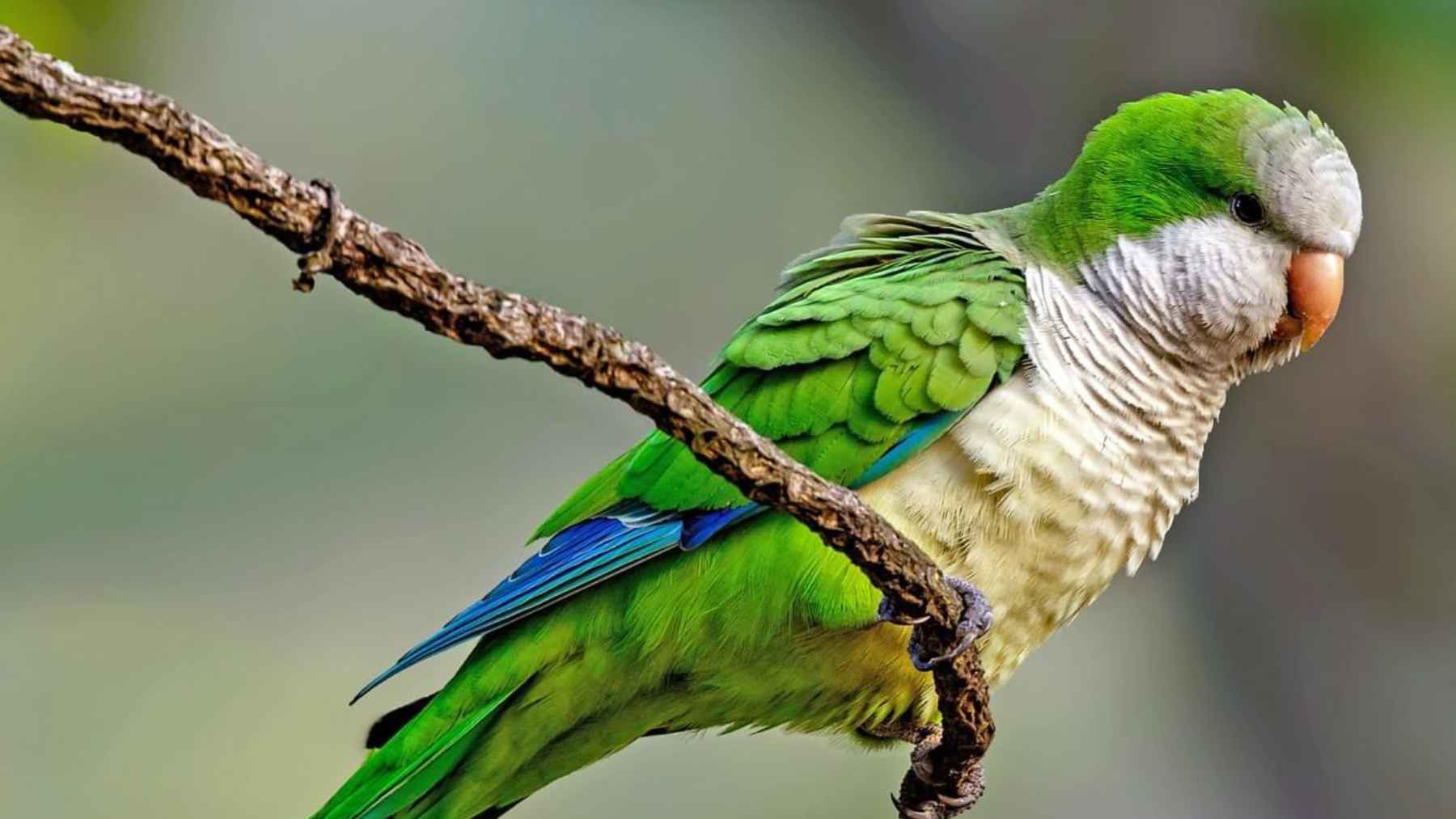
In many Argentine cities, cotorras are hard to miss. These green parakeets can be loud, and their oversized stick nests stand out on street trees and in backyards.
Their visits usually have a simple explanation. Your neighborhood offers food, height, and safety, so the birds keep coming back. That can be a positive sign for urban nature, but it also raises practical issues when nests get close to wiring.
Why you keep seeing cotorras
Cotorras do not drift into a yard by accident. They scout for steady food and safe nesting spots, so areas near parks, tree-lined streets, and gardens tend to get more flyovers. Once they learn a route works, they repeat it.
They are also social birds, which is why you often see them in groups. A flock will call constantly to stay together, and you may notice the traffic most at dawn and dusk. If you keep thinking, “Why my house,” you might be on their daily commute.
A diet built for city life
Cotorras eat a wide mix of plant foods, including seeds, fruits, and flowers, and they will use what people plant or leave behind. A U.S. Department of Agriculture wildlife guide notes that monk parakeets also frequent backyard feeders, which helps explain why they settle in neighborhoods with easy meals.
Food and water can change the pattern fast. When trees fruit or drop seeds, visits often spike, and a clean, shallow water dish can draw birds in hot weather. Keep it fresh, since stagnant water is a mosquito magnet.
The surprise inside those giant nests
Those bulky stick piles are communal nests, with multiple chambers that different pairs can use. The Global Invasive Species Database from the International Union for Conservation of Nature notes that monk parakeets build these structures high off the ground, often more than 30 feet up, and they can be used year round.
These nests can also create knock-on effects in the neighborhood ecosystem. Researchers at the Doñana Biological Station of CSIC tracked 2,595 nests and recorded 42 “tenant” species nesting in about 26% of them, a hint that one cotorra nest can become housing for other birds too.
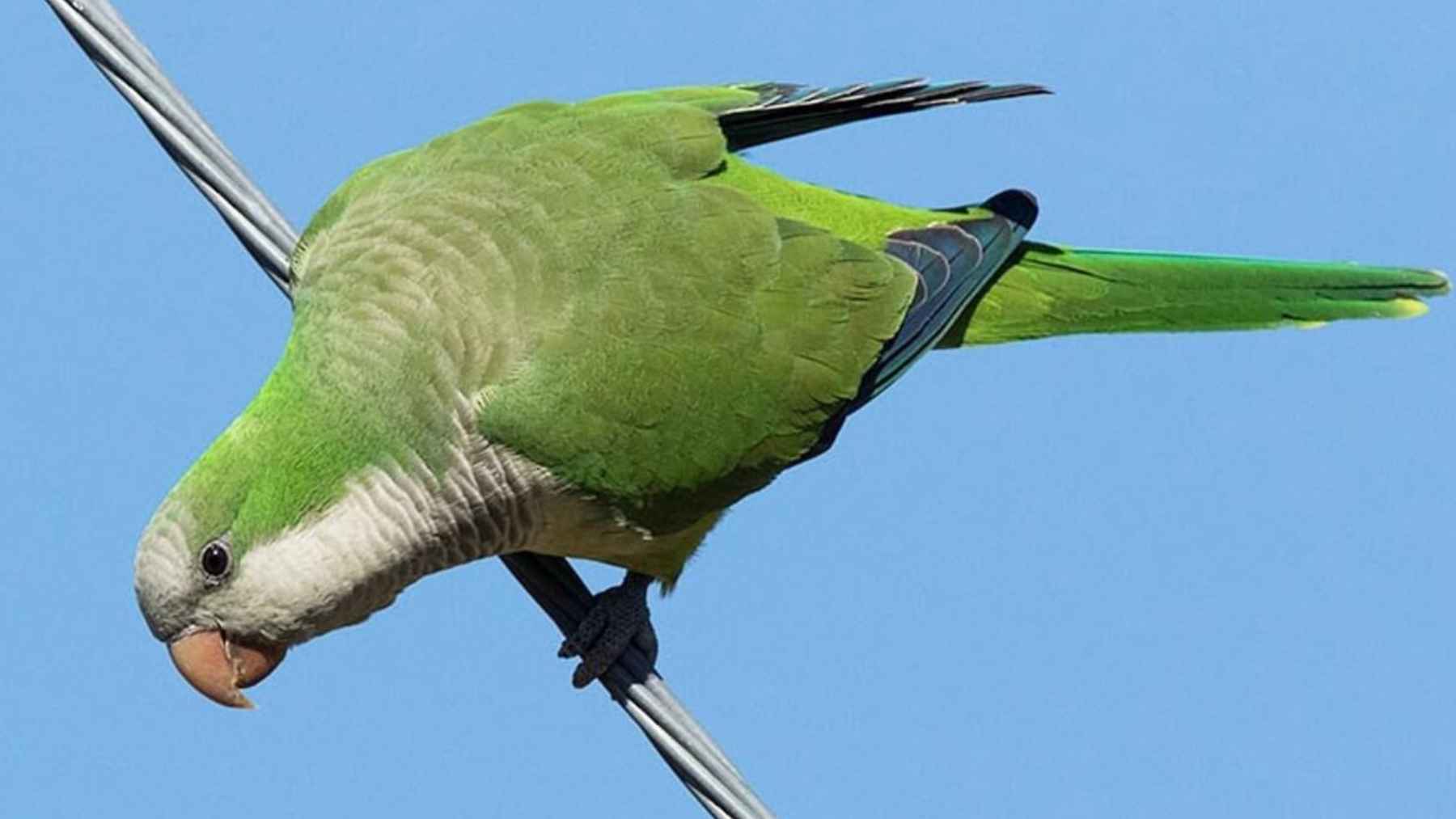
Monk parakeets often adapt easily to cities, using trees, feeders, and even utility structures for nesting and daily movement.
What a Buenos Aires park study found
A 2015 study in Buenos Aires published in Ardeola counted 128 cotorra nests across 60 trees in five city parks. Ivana P. Romero, Mariano Codesido, and David N. Bilenca reported that cedars, araucaria pines, and palms were common nest trees, and cedars alone supported about 40% of all nests recorded.
For homeowners, the message is pretty straightforward. Tall, sturdy trees can be prime real estate, especially when they offer thick branches and shelter from wind. Not every yard will attract a colony, but the right trees make it more likely.
When nests end up on towers and power lines
Cotorras sometimes switch from trees to city structures that offer height and stability. In La Plata, a study accepted in 2018 reported 18 nests on 13 lighting towers, with the tallest towers reaching about 105 feet, and most nests had a single chamber. The work was led by Rosana M. Aramburú of the National University of La Plata, with coauthors including a CONICET researcher.
This is where wildlife meets infrastructure. Researchers have found that nest material on electric utility structures can cause short circuits or overheating, which can trigger outages or even fires. That is why utilities often step in when nests show up on energized equipment.
A good sign with a few caveats
Seeing cotorras near home often means your block has resources that support birds. Trees, food, and water are the basics, and their movement can also help spread seeds around green spaces. Still, one successful species does not automatically mean the whole urban ecosystem is thriving.
It also helps to remember that “cotorra” usually refers to the monk parakeet (Myiopsitta monachus), a species native to South American grasslands that has also formed feral populations elsewhere after pet birds escaped or were released.
The Cornell Lab of Ornithology notes that, in cities, their huge stick nests can appear on utility poles and other raised structures, which is part of what makes them both adaptable and controversial.
Simple ways to make yards more bird-friendly
If you enjoy seeing cotorras, the easiest step is to make the yard feel safe and useful. Fruit-bearing or seed-producing trees, tall palms or evergreens, and less aggressive pruning can all increase shelter and feeding options. A mix of shade and open space also helps.
A little water goes a long way, especially in summer, and it is safer than leaving out random human food. If a nest appears on a risky structure, especially near power lines, do not try to remove it yourself. Call local authorities or the utility company instead.
The main study has been published in Ardeola.