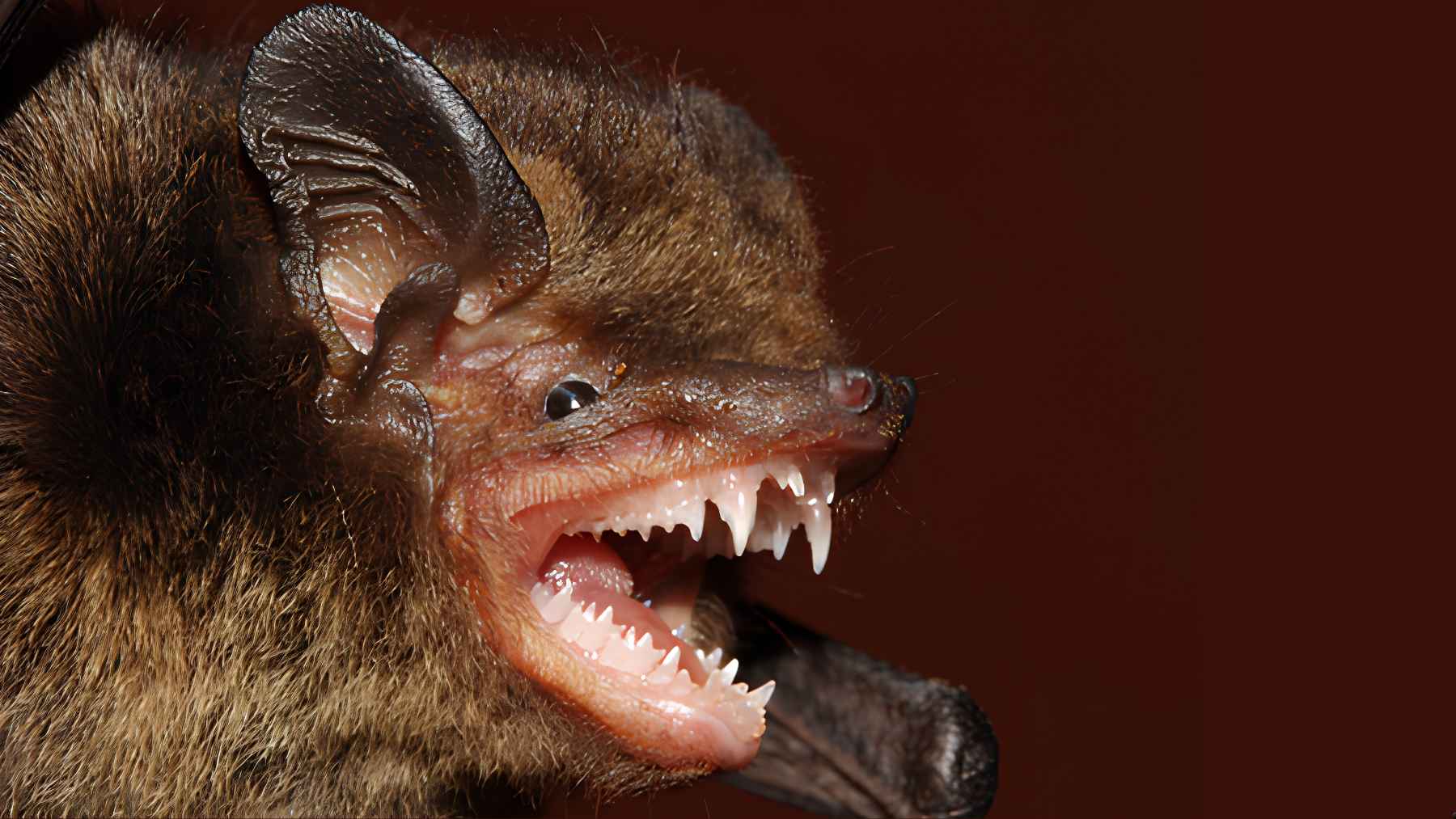
A small bat from the Western Himalayas has now been recognized as a new species, and it comes with two features that are hard to miss once you know where to look. The animal, named Myotis himalaicus and commonly called the Himalayan long-tailed Myotis, has a bare patch of skin around each eye and a tail that reaches roughly the length of its body.
That may sound like a tiny detail from a very specific corner of science. But in mountain forests, where many bats look nearly identical in the dark, those details matter. Getting the name right can shape future surveys, conservation work, and even how scientists listen for rare species at night.
A bat hiding in plain sight
This bat did not simply appear out of nowhere. Researchers first encountered similar animals during field surveys in Uttarakhand in 2016 and 2017, then found the rare bat again in 2021 and spent years comparing its traits with known species.
The work was led by a team including Uttam Saikia, Rohit Chakravarty, Gabor Csorba, Mostaque Ahmed Laskar, and Manuel Ruedi. Their study looked again at bat diversity in Himachal Pradesh and Uttarakhand, two Western Himalayan states where forests, valleys, and altitude can turn one landscape into many small worlds.
Why did it take so long? Because this bat belongs to the Myotis frater complex, a group of close relatives that can fool even trained eyes unless researchers compare bodies, skulls, DNA, and sound.
What makes it different
The adult male specimen from Uttarakhand measured about 1.7 inches from head to body, with a tail close to 1.8 inches. Its weight was about 0.23 ounces, so we are talking about an animal lighter than many house keys.
The bare rings around the eyes are not just a strange facial feature. In taxonomy, a detail like that can act like a clue, especially when it lines up with other traits such as ear shape, skull measurements, teeth, and tail length.
The bat also has a short snout, short and broad ears, and a tiny shovel-shaped baculum, a small bone found in many male mammals. It is not one feature alone that makes the case. It is the whole pattern.
DNA and sound sealed the case
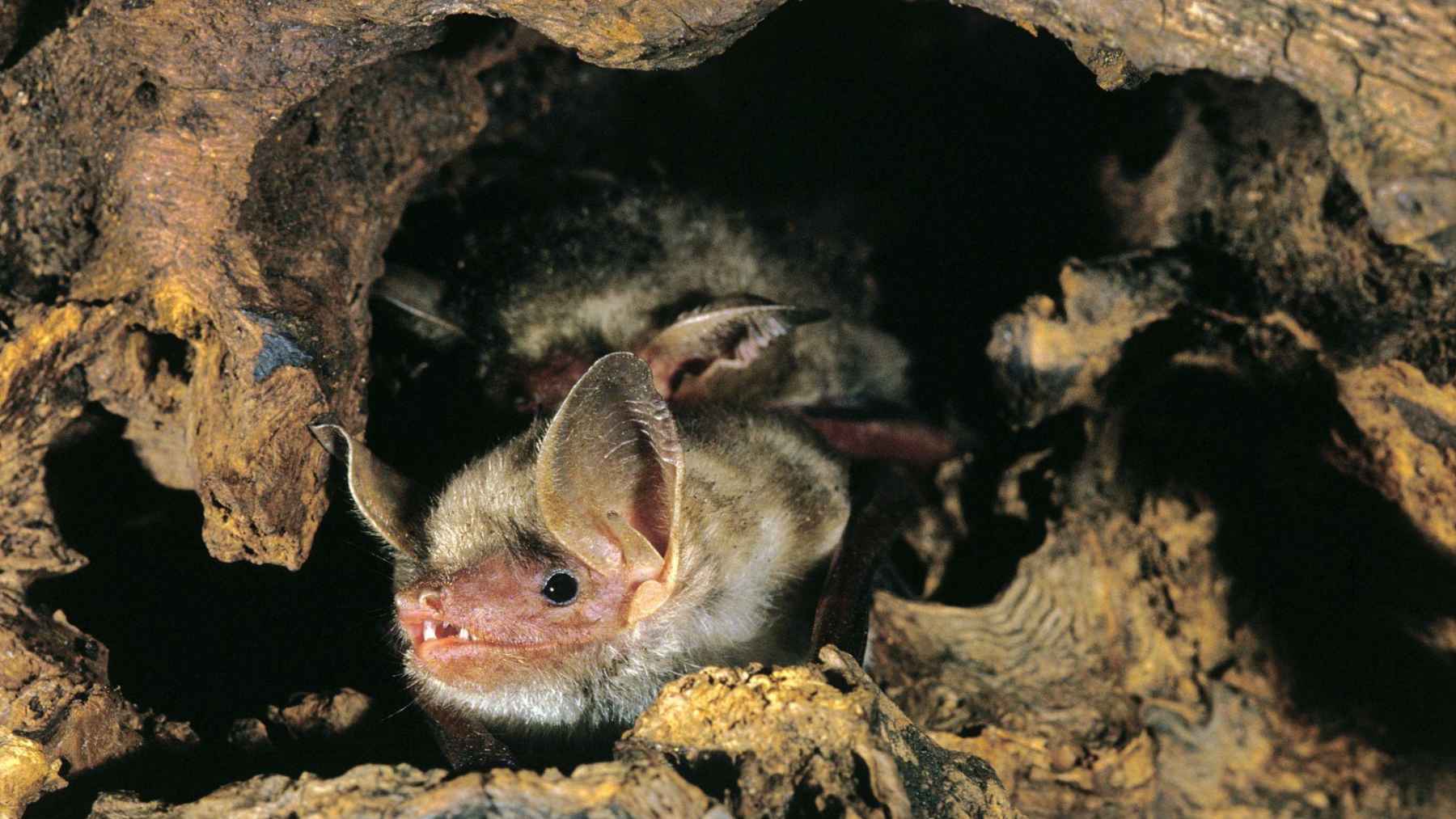
The researchers used what scientists call integrative taxonomy. In practical terms, that means they did not rely only on how the bat looked. They combined morphology, DNA evidence, and echolocation calls, the high-frequency sounds bats use to move through the night and hunt insects.
The DNA from the Uttarakhand specimen matched earlier Himalayan records that had been treated as close to Myotis frater. That helped show the animal was not just a familiar species in an unusual place.
The calls added another layer. For bats, sound is almost like a fingerprint, although not always a perfect one. When the body, genes, skull, and calls all point in the same direction, the evidence becomes much harder to dismiss.
Forests, altitude, and old museum drawers
So far, Myotis himalaicus is known from forested mountain habitats in northern India and northeastern Pakistan. The study places it in areas roughly between 4,900 and 7,550 feet above sea level, including oak, cedar, pine, and mixed evergreen forests.
One of the most interesting pieces of the story came from a museum collection. A female specimen collected in 1998 in Khyber Pakhtunkhwa, Pakistan, matched the new bat’s features and helped confirm that the species crosses political borders.
That is a quiet reminder of why museum drawers matter. They are not dusty leftovers from old expeditions. Sometimes, they are time capsules waiting for the right question and the right tools.
More than one correction
The same reassessment did more than name a new bat. It also corrected the identity of India’s free-tailed bat record, concluding that the East Asian free-tailed bat, Tadarida insignis, occurs in India, not the European free-tailed bat.
The study also clarified the status of Babu’s pipistrelle, Pipistrellus babu, separating it from the Javan pipistrelle of Southeast Asia. Small changes on paper? Not really. These corrections affect maps, checklists, conservation planning, and what researchers think they are seeing in the field.
According to reporting on the study, India’s confirmed bat tally now stands at 135 species and is expected to rise as more research continues.
Why this matters for conservation
New species names are not just labels. They help decide where surveys should go, which forests deserve closer monitoring, and how environmental reviews handle bat roosts and flight routes.
They also support practical work, such as training local observers and building acoustic libraries that can identify bats by their calls. Anyone who has walked through a dark forest knows how little human eyes can catch after sunset. For bat scientists, microphones can make the invisible visible.
Zoological Survey of India director Dhriti Banerjee said the work is “expected to have significant implications in documentation and conservation of small mammalian fauna of India.” That is the bigger point here. A bat with bare eye rings is also a signal that Himalayan biodiversity is still not fully known.
What comes next
For now, scientists know only part of this animal’s story. Its full range, roosting habits, breeding behavior, and conservation status still need more study, and the species is not yet evaluated by the International Union for Conservation of Nature (IUCN).
That leaves plenty of work ahead. More field surveys, more acoustic recordings, and more careful comparisons could reveal whether this bat is truly rare or simply hard to detect.
Either way, the discovery is a reminder that the Himalayas are still holding secrets in their forests. Sometimes, the next one is small enough to fit in the palm of a hand.
The study was published in Zootaxa.