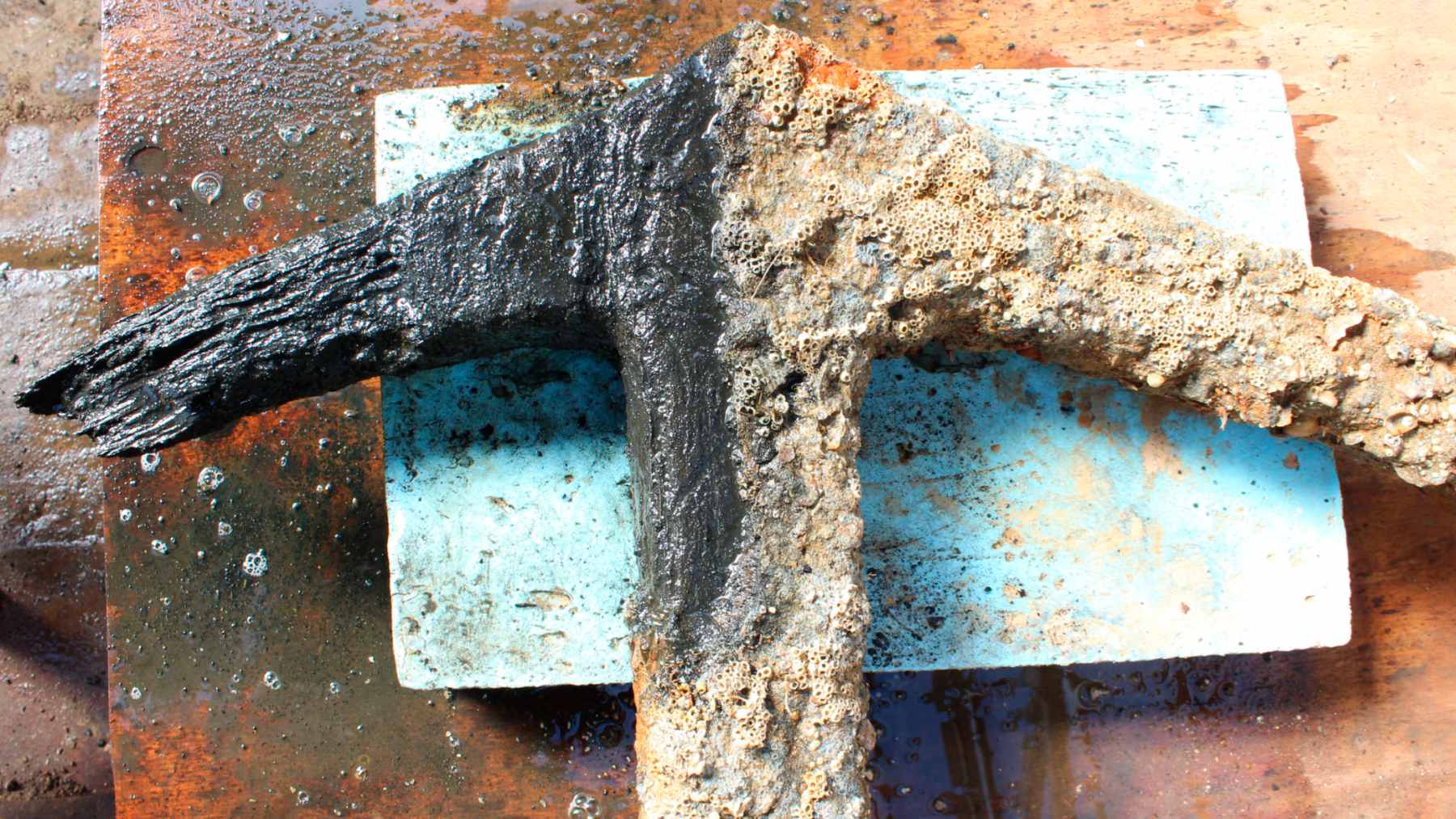
A heavy iron anchor pulled from the North Sea once looked like one of those discoveries that can rewrite a chapter of Roman Britain. It had been buried under the seabed, unusually well preserved, and early reports suggested it could be from the late Iron Age or the Roman period.
But science has now added a twist. New X-ray research suggests the anchor is probably not Roman after all, and may instead date to the late 1500s or the 1600s, a finding that makes the story less ancient but still deeply important.
Found by a wind farm survey
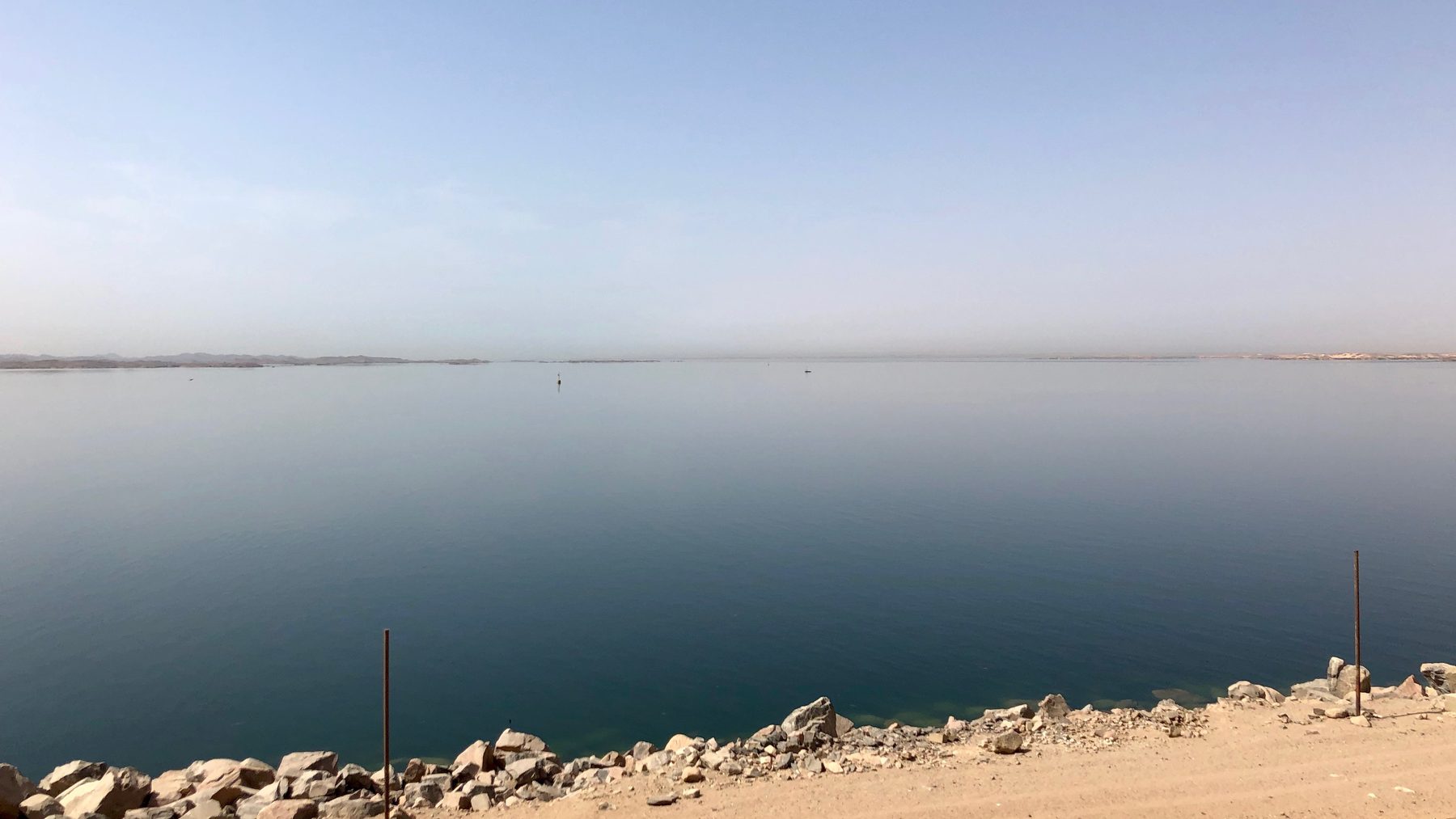
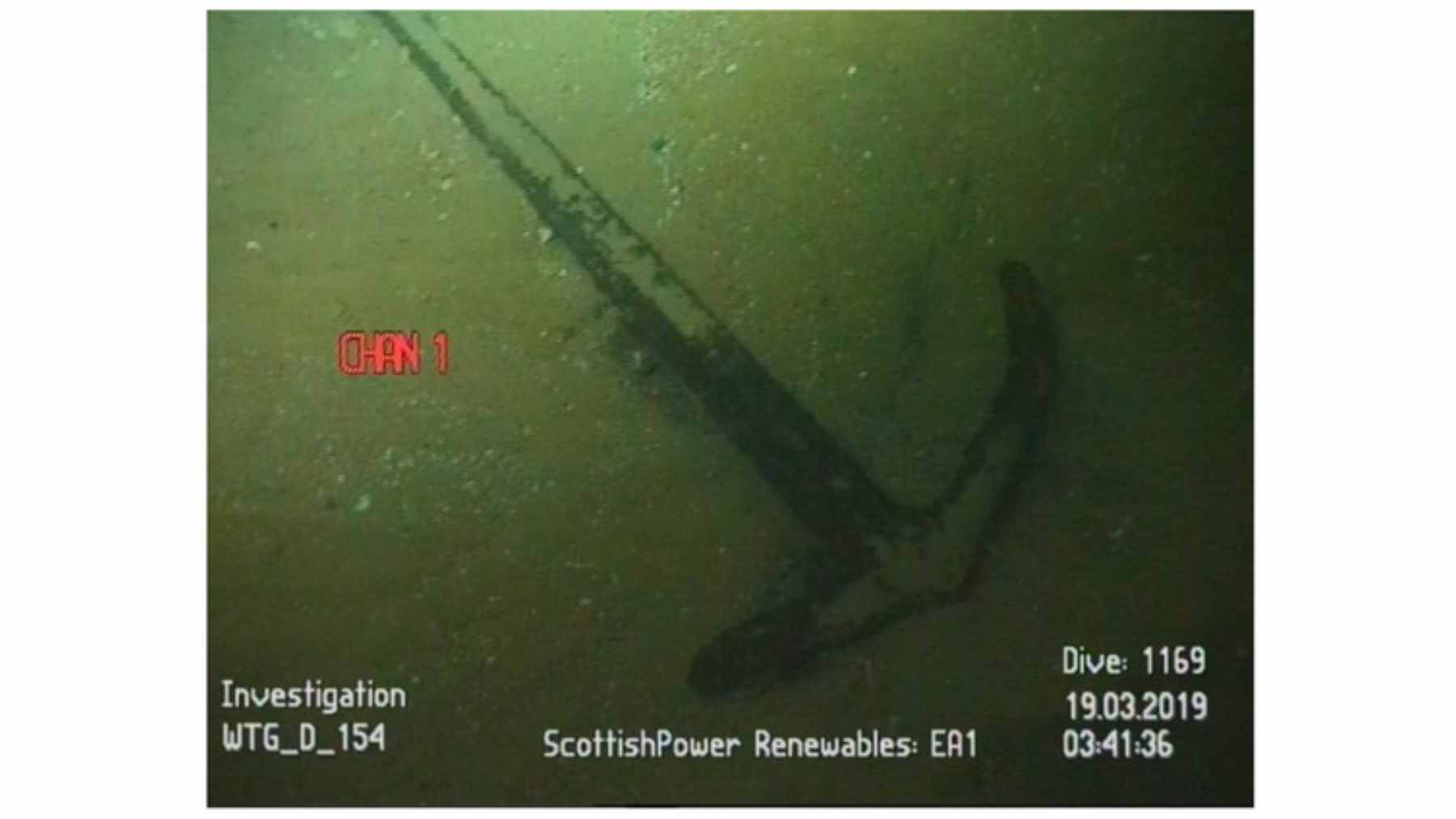
The anchor was first spotted in 2018 during seabed survey work for East Anglia ONE, an offshore wind project developed by ScottishPower Renewables off the coast of Suffolk. It was recovered in 2021 after being protected on the seafloor during construction work.
The object was no small fishing weight. Early descriptions placed it at more than 6.5 feet long and around 220 pounds, large enough to make archaeologists pause and ask a bigger question. What kind of ship once needed it?
Hidden under compacted sand
Maritime Archaeology Ltd said the anchor was first identified during checks linked to possible unexploded wartime material. Underwater robots later showed that the signal was not a bomb, but an anchor buried under compacted sediment on the seafloor.
That burial mattered. In normal conditions, salt water attacks iron, while oxygen and living organisms speed up decay. Packed under sediment, the anchor was partly sealed off from the worst of that damage, almost like a tool stored in a box instead of left out in the rain.
Why it looked Roman
At first glance, the anchor seemed to fit an older story. Its pointed crown, straight arms, and tough wrought-iron construction looked similar to features found in some early anchors, including examples linked to the late Iron Age and Roman world.
Brandon Mason, an archaeologist involved in the work, said in 2022 that “everything points to this being a Roman anchor,” while also noting that confirmation was still needed. Early estimates even suggested it could have belonged to a vessel of about 550 to 660 U.S. tons, which would have made it a major merchant ship if the ancient date had held up.
The trouble is, iron can trick the eye. A shape that looks ancient from the outside may tell a different story once researchers see how it was actually made.
The scans changed the story
To look deeper, researchers used X-ray CT scanning, which is basically a powerful 3D X-ray that can inspect dense metal without cutting it apart. The study, involving Mason, James Finch, Sarah Paynter, Heather Anderson, and Lauren Nagler, focused on the hidden structure inside the anchor’s long central shaft.
The scans showed that the shaft was built from eight fairly uniform iron bars. That pattern did not look like typical Roman ironworking, where smaller blooms of iron were much harder to turn into large, regular bars.
In practical terms, the anchor started to look post-medieval, meaning after the Middle Ages. The evidence points to the late 1500s or the 1600s, when European iron production had improved and anchor makers could work with larger, more standardized pieces of metal.
Why the new date matters
Does a younger date make the find less valuable? Not really. It shifts the story from Roman trade to the development of ship technology during a later period of expanding sea travel.
The study suggests the anchor may represent an unusual step in anchor making. It appears to sit between older methods, where pieces were joined more gradually, and later methods, where bundles of bars were forged together more efficiently.
That is the kind of detail people cannot see from a photograph. The anchor is not just an object from a lost ship. It is a record of how metalworkers learned to build stronger tools for bigger maritime worlds.
A busy sea, not an empty one
The southern North Sea has never been empty water. It has carried trade, soldiers, fishing boats, warships, and cargo vessels for centuries, with traffic moving through it long before anyone thought about turbines or the electric bill.
The wind farm surveys also uncovered other traces of the region’s past, including a missing German submarine from World War I, artifacts from several ancient and medieval periods, and a prehistoric monument more than 4,000 years old. Put together, those finds show how one patch of seabed can hold many histories at once.
That is where the anchor still earns its place. Even if it is not Roman, it remains a rare piece of working maritime equipment from a sea route that linked people, ports, and economies across time.
What happens next
Conservation is slow because iron that has spent centuries in salt water can be damaged if it dries too quickly. Specialists have been stabilizing the anchor, studying its surface, and preparing it so the public can eventually see it without putting the artifact at risk.
Ipswich Museum’s redevelopment reached its final stages in May 2026, while earlier plans called for the anchor to go on display after treatment and analysis. For now, the careful wording is simple. The anchor is being prepared for public viewing, not just stored away as a technical report.
The main study has been published in Heritage.