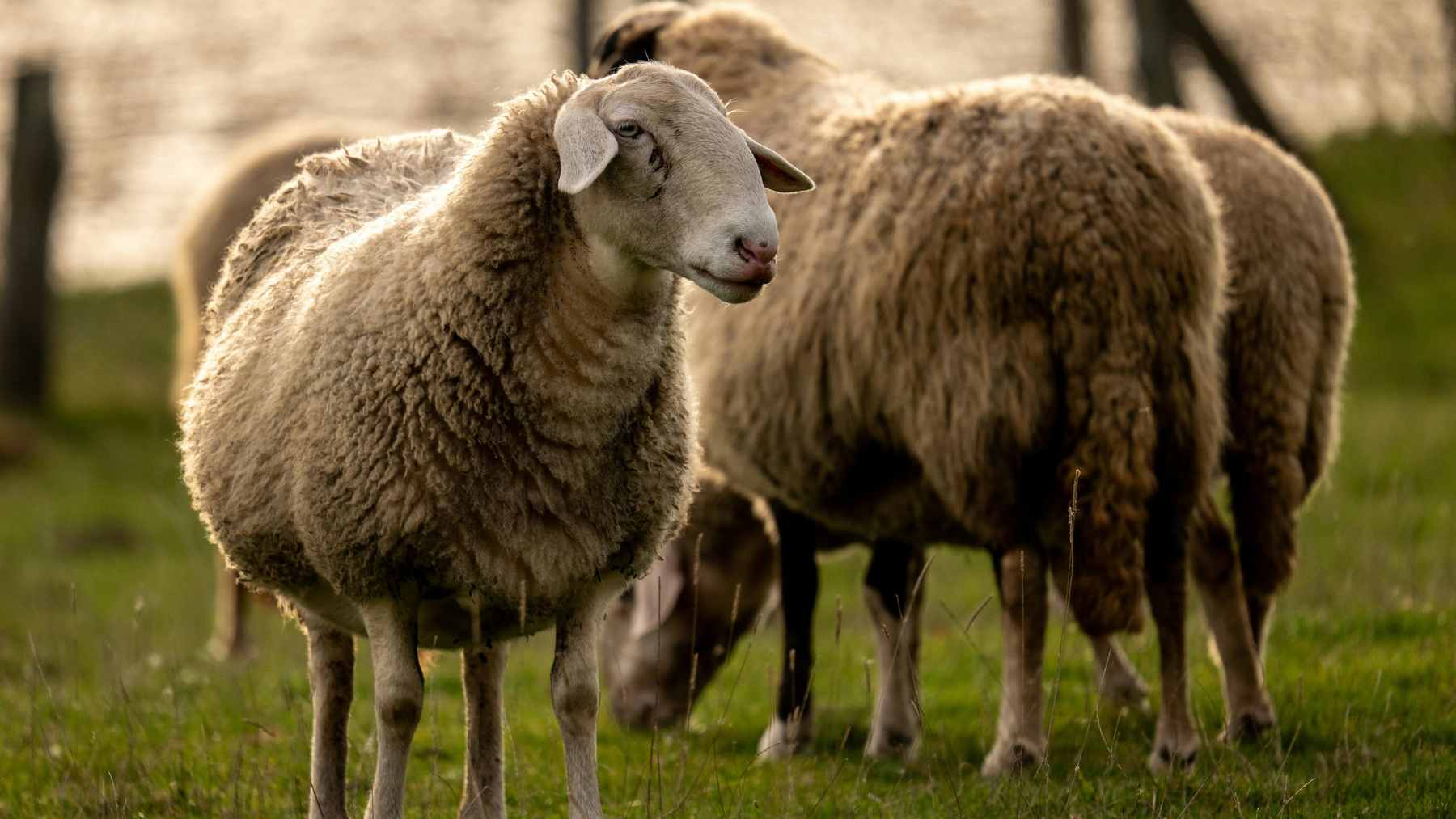
A humble farm material is getting a second life in Spain, and this time it is not being spun into sweaters. Sheep wool, long treated by many livestock farmers as a low-value byproduct, is now being tested as a soil cover that may help crops hold moisture, avoid heat stress, and use less irrigation water.
The work comes from agricultural engineer and regenerative agriculture specialist Raoul Ferrer i Fernandez, whose research studied sheep wool as mulch in olive trees and lettuce beds. The early results point to a simple idea with big implications for dry regions. Sometimes, the next tool against drought is already sitting in the barn.
Why wool matters now
Drought has made water management one of the toughest questions in farming. For olive groves, vegetable beds, vineyards, and almond orchards, the challenge is not just getting water into the soil, but keeping it there long enough for plants to use it.
That is where wool comes in. As mulch, it acts like a protective blanket over the ground, helping reduce evaporation and soften sharp swings in soil temperature. In practical terms, that can mean less stress for crops when the air is dry and the sun is doing its worst.
The Spanish study
Ferrer’s study, titled “Estudi de l’ús de la llana com a material per a l’encoixinat del sòl,” focused on two main questions. Could wool help retain moisture in soil, and could it keep the soil temperature more stable during the growing season?
To answer that, the research used sensors to track soil humidity and temperature in real time. According to the Polytechnic University of Catalonia’s (UPC) academic record, the project monitored wool-covered soil to test whether earlier field observations about water retention and temperature control could be confirmed with data.
Olive trees under wool
One of the trials took place at VerdCamp Fruits in Cambrils, Spain, using young olive trees planted in October 2023. In January 2024, wool mulch was placed around 32 trees, while another group was left without cover for comparison.
Sensors measured conditions in the top 12 inches of soil. The wool-covered olive trees showed more stable soil temperatures, better moisture levels, more uniform growth, and a stronger vegetative development than the uncovered trees, according to the report in Revista Ae.
It is easy to see why that matters. A young olive tree facing dry soil is like a new driver in heavy traffic, already working hard before the real journey begins. Give it a steadier start, and the whole season can look different.
Lettuce beds told the same story
The second trial was carried out at the Barcelona School of Agri-Food and Biosystems Engineering using two lettuce beds of about 65 square feet each. One bed was covered with wool mulch, while the other stayed uncovered.
Researchers ran two growing cycles in 2024, one in summer and one in fall. Each bed held 30 lettuce plants from two varieties, green oak leaf and romaine, while fork-shaped sensors placed about 4 inches deep tracked moisture and temperature.
The standout result came during the first lettuce cycle. The wool-covered bed went 25 days without irrigation, which was more than half of that crop cycle with no added water. At harvest, both lettuce varieties weighed more in the wool-mulched bed.
The water savings were striking
The irrigation numbers may be the clearest sign of wool’s potential. By the study’s calculation, lettuce grown without soil cover needed about 11.2 gallons more water per ounce of produce than lettuce grown with wool mulch.
That is not a small difference, especially in places where every watering decision shows up later in the farm budget. For a household gardener, it might look like fewer trips with the hose. For a grower, it could mean a more resilient system when rain does not arrive on time.
Still, there is nuance here. These are field trials in specific crops and locations, not a universal guarantee that wool will work the same way everywhere. Soil type, weather, crop choice, and management all matter.
More than a drought tool
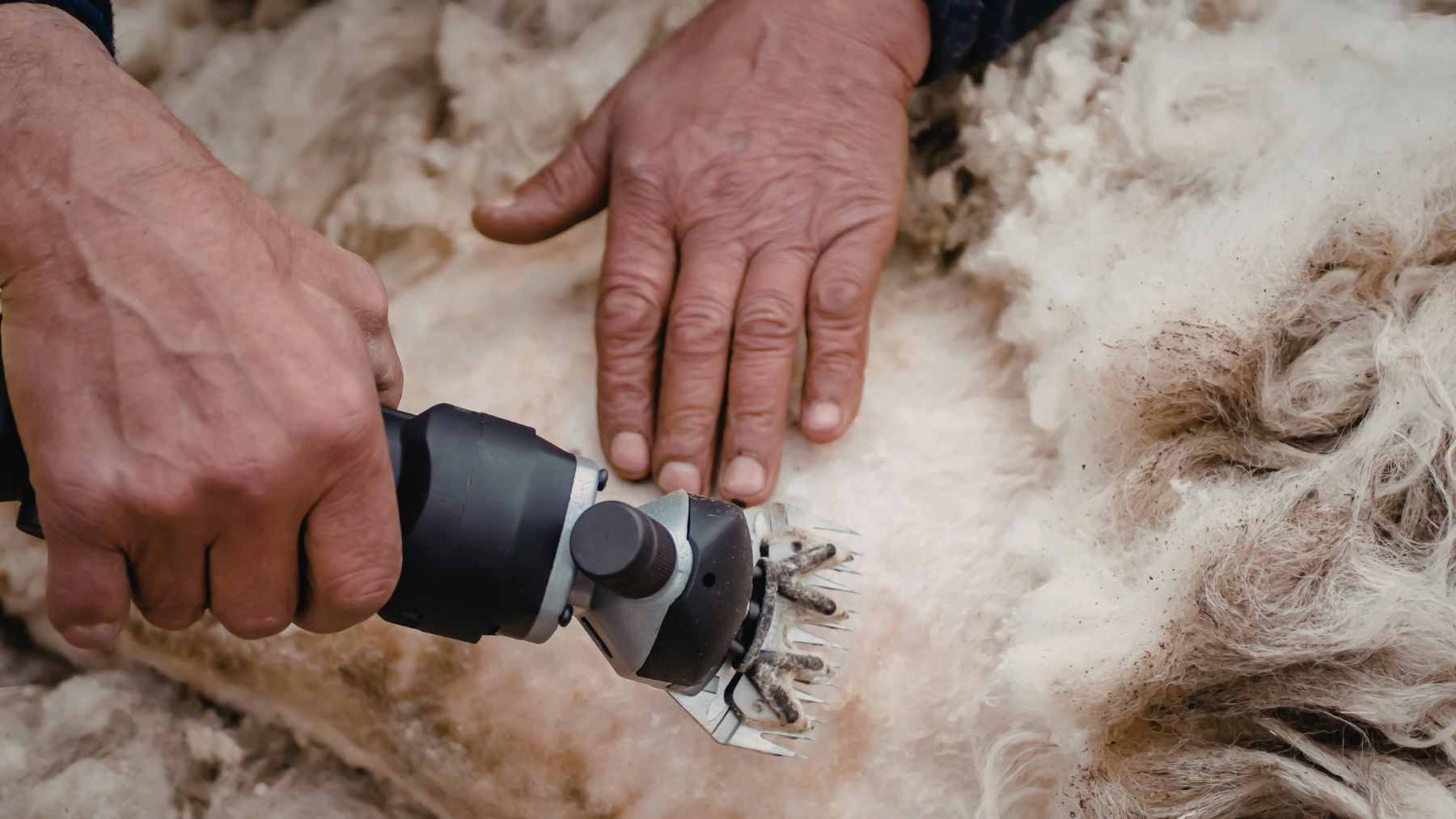
The wool idea also touches another rural problem. As synthetic fibers have expanded, wool has lost much of its former economic value, and in some regions it has become a difficult byproduct for sheep farmers to handle.
That gives the research a circular economy angle. Instead of treating wool as waste, farmers may be able to use it to protect soil, reduce irrigation pressure, and create a new outlet for livestock producers.
The approach is already moving beyond the first trials. Leader Menorca reported a nine-month vineyard study with Binitord to examine wool mulch for moisture conservation, thermoregulation, weed control, and other possible benefits.
What comes next
The bigger test is whether wool can be scaled in a practical, affordable way. It must be easy to place, safe for crops, compatible with farm equipment, and useful enough to justify the labor.
The Center for Agri-Food Research and Technology of Aragon (CITA Aragón) is also exploring wool revalorization through the ENlanaTE project, which began in 2025 and runs through 2027.
That project includes work on wool mulch in rain-fed woody crops such as olive and almond trees, as well as irrigated horticultural crops, with a focus on soil quality, water efficiency, productivity, and sustainable material uses.
So, is sheep wool about to revolutionize farming? Not overnight, but as a low-tech soil cover with promising early data, it gives farmers one more tool at a time when water is becoming harder to count on.
The study was published on UPCommons.